Experimental Ebola Drug's Role in Americans' Recoveries Remains Unclear
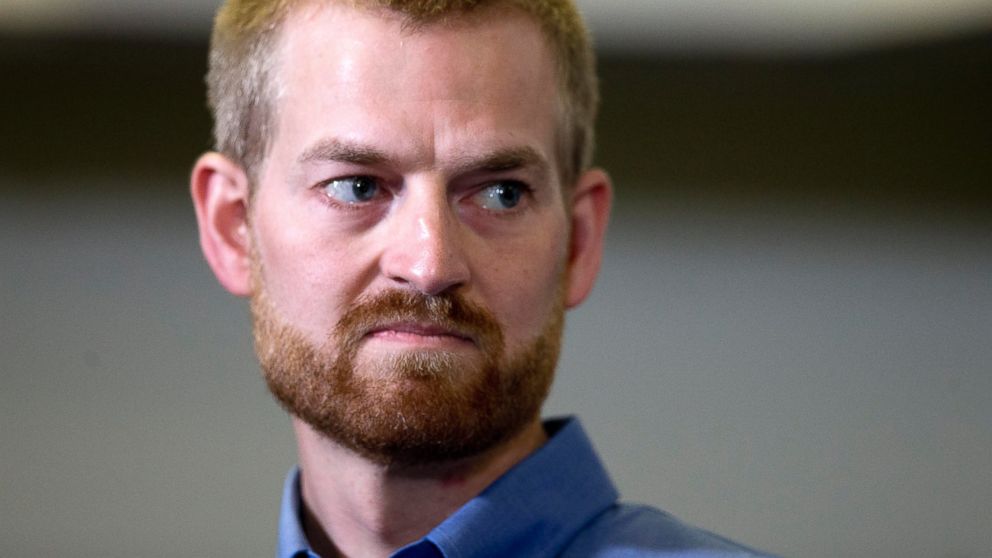
— -- American Ebola survivor Dr. Kent Brantly credited doctors, God and an experimental drug for his recovery today. But experts say it’s unclear whether the drug, known as ZMapp, helped or hindered his recovery.
Brantly and fellow American aid worker Nancy Writebol contracted the virus while working in Liberia with the missionary groups Samaritan’s Purse and SIM. They received ZMapp -- a cocktail of three antibodies that attack the virus -- and were evacuated from the growing outbreak zone to Emory University Hospital in Atlanta, where they were isolated for at least two weeks.
"Today is a miraculous day," Brantly said today as he was released from the hospital. "Through the care of the Samaritan’s Purse and SIM missionary team in Liberia, the use of an experimental drug, and the expertise and resources of the health care team at Emory University Hospital, God saved my life -- a direct answer to thousands and thousands of prayers."
Writebol was released Tuesday, hospital officials said.
Ebola Patient Dr. Kent Brantly Says 'God Saved My Life'
How Did Ebola Patients Get Experimental Drug?
Brantly was first human to receive ZMapp, which until recently had only been tested in monkeys. His condition improved within an hour, according to the aid group Samaritan’s Purse. But Dr. Bruce Ribner, director of Emory’s infectious disease unit, said drug’s role in his and Writebol’s survival is unclear.
"Frankly we do not know if it helped them, made any difference, or even delayed their recovery," he said.
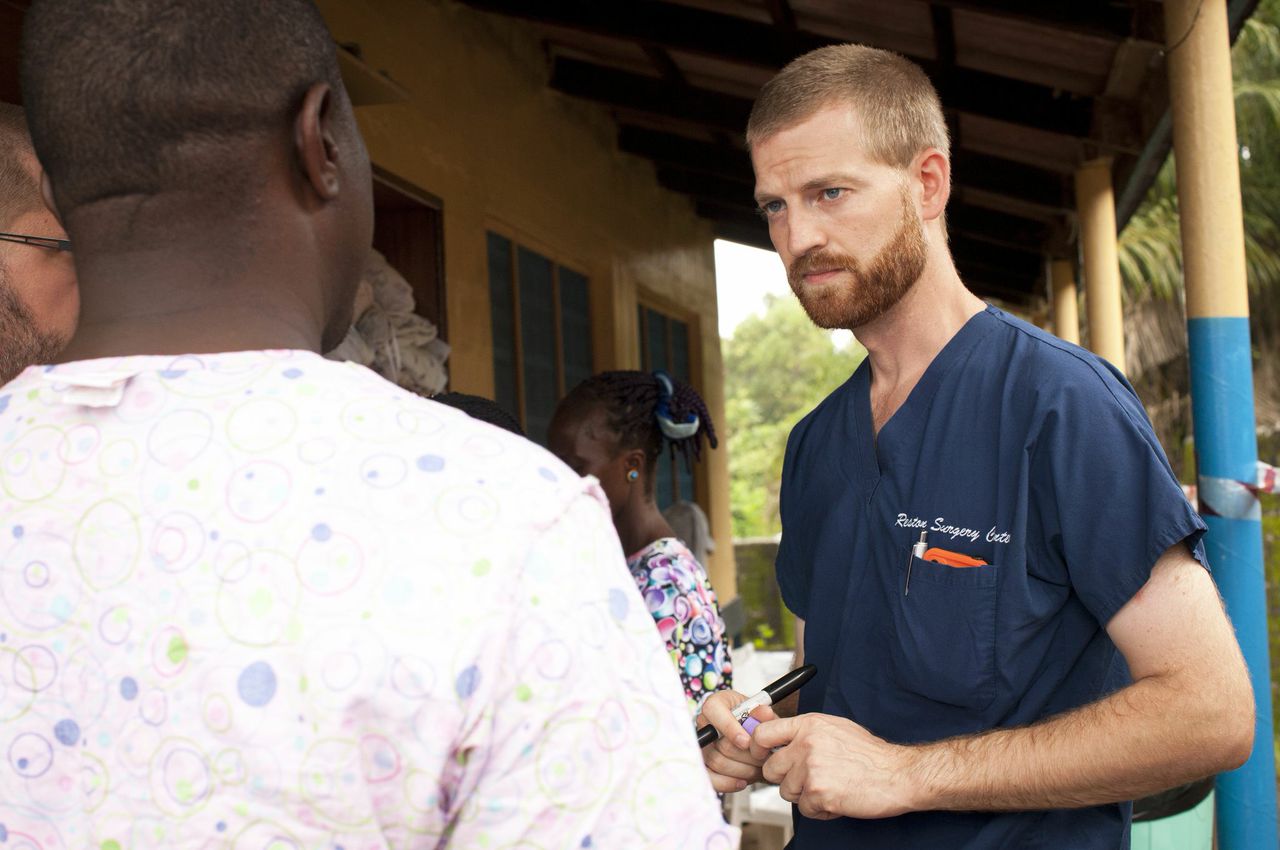
Out of six people known to have received ZMapp, two have recovered, three have shown improvement and one has died, according to the World Health Organization. Even the drug's manufacturer, California-based Mapp Pharmaceuticals, acknowledges the lack of evidence that the drug actually works against the Ebola virus.
"We don’t know," the company's website reads, stressing that larger trials are needed to determine the drug's safety and effectiveness.
But those studies might have to wait. Mapp Pharmaceuticals said it has run out of ZMapp after complying with "every request for ZMapp that had the necessary legal/regulatory authorization," adding that the drug was "provided at no cost in all cases." The company is currently working with the U.S. government to accelerate scaled up production, it said in a statement.
"The work to date has been funded by grants and contracts that were only sufficient to produce doses for animal safety and efficacy testing," the company's website reads. "The present epidemic has changed the picture dramatically, and additional resources are being brought to bear on scaling up."
Ebola continues to spread through West Africa, where nearly 2,500 people have contracted the virus. Roughly 47 percent those infected have survived, according to WHO, making it difficult to understand the role of any experimental treatments.
In addition to ZMapp, Samaritan's Purse said Brantly also received a blood transfusion from a 14-year-old Ebola survivor -- another unproven treatment with unknown results.
"We have no idea how that might have affected his outcome," Ribner said, adding that "there is a crying need for research" into experimental Ebola treatments.
A group of 100 doctors, researchers, ethicists and drug developers is scheduled to meet in early September to discuss "the most promising experimental therapies and vaccines and their role in containing the Ebola outbreak in West Africa," WHO announced today, adding that "ways to ramp up production of the most promising products" will be explored.
More than 20 experts from West Africa are expected to attend, the agency said.