FAQ: What to know about Treasury Department's temporary license for Iranian oil sales
The Trump administration was expected to temporarily roll back sanctions on Iran as part of the ongoing diplomacy between the countries -- but the scope of that economic relief is still raising questions.
On Monday, the Treasury Department formally issued a wide-ranging license permitting the sale of Iranian oil for 60 days, following through on a promise from the Memorandum of Understanding signed by President Donald Trump last week.
The sweeping waiver, which could unlock billions in revenue for Tehran, marks a sharp pivot not only for Trump -- who has long sought to exert maximum pressure on Iran -- but also for the decades-old sanctions regime the U.S. has levied against the country.
Here are a few questions and answers about the move:
Q: What’s different now that Treasury has issued the license?
The license from the Treasury Department allows Iran to openly sell its oil on the global market for the first time since 2018 -- the year Trump exited the Obama-era deal with Iran known as the Joint Comprehensive Plan of Action (JCPOA) and cracked down on Iran’s economy once more.
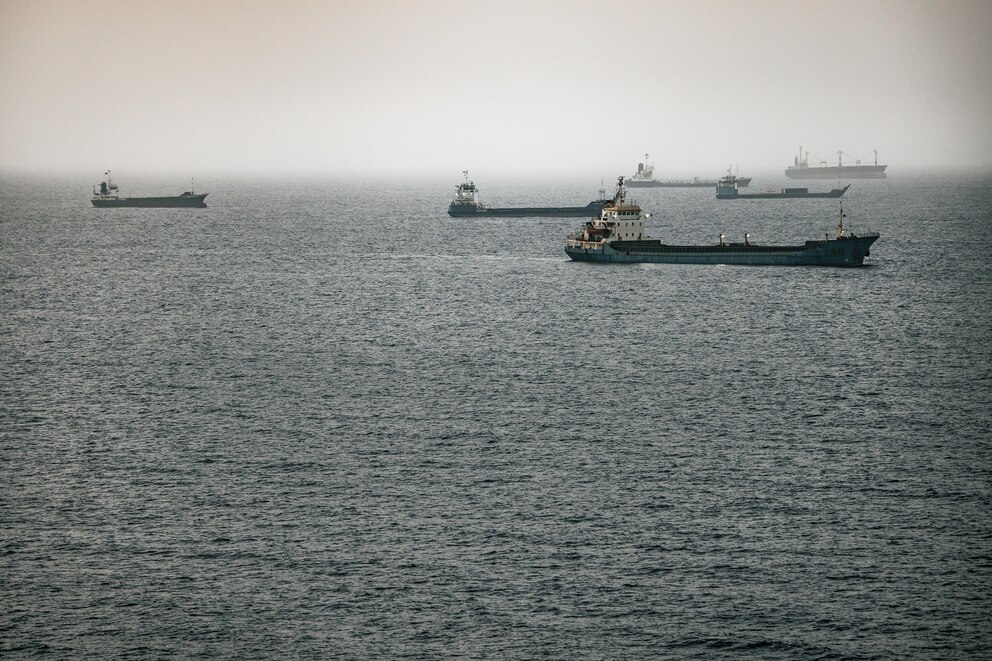
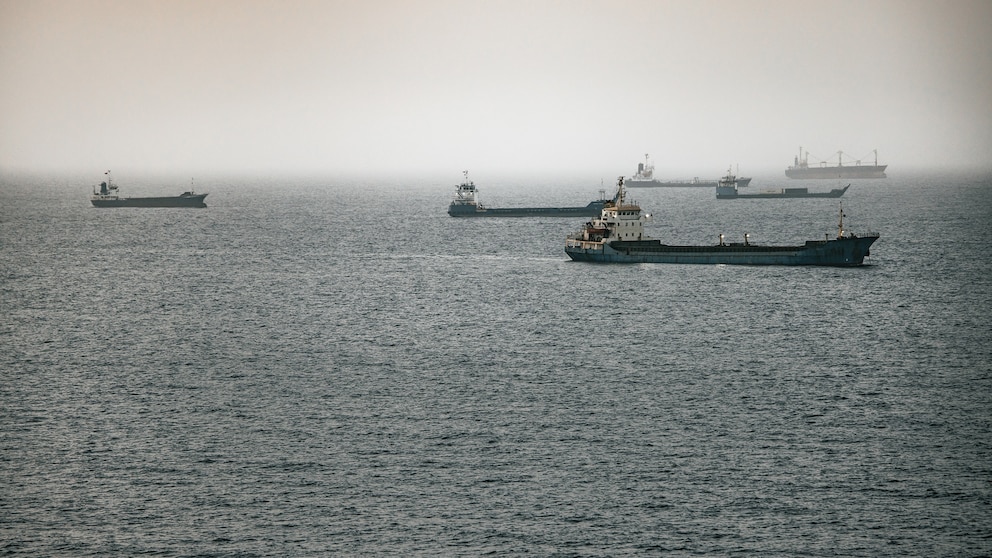
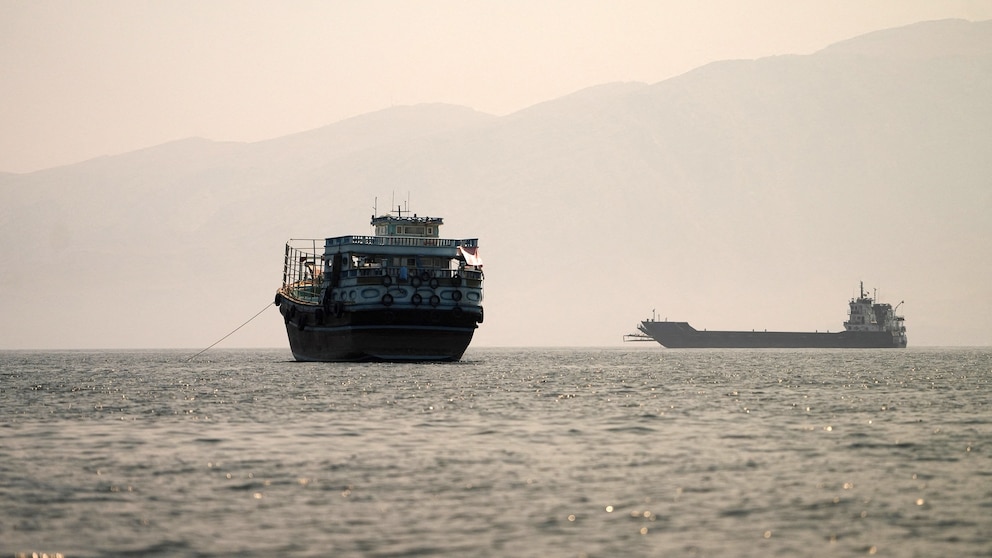
Iran continued to export oil primarily to China by relying heavily on a shadow fleet of vessels, but experts say it will now likely be able to sell its oil in greater quantities and at a higher price since its customers can't demand a discount to offset the risk of violating U.S. sanctions law.
The license also specifically says Iran can be compensated for oil sales in U.S. dollars, opening the door for Iran to conduct the transactions in American currency for the first time in almost two decades.
Q. Why does it matter if Iran can be paid in U.S. dollars?
The U.S. dollar is the anchor of the global banking system, and before the license was issued this week, Iran was forced to subvert that system to do business -- which often meant resorting to time-consuming and expensive steps to collect payments for its exports.
The Trump administration's decision to explicitly permit Iran to conduct transactions in American currency is expected to streamline sales, allow Iran to more easily bring revenue into its financial system and stabilize its central bank. It may also help Iran access new buyers.
Iran has not conducted oil sales using U.S. dollars since 2007, when -- amid global economic uncertainty and increased pressure from sanctions -- Tehran made the decision to shift toward other currencies.
Q: Does this license mean that oil from Iran will make its way to gas pumps in the U.S.?
Not likely. The language of the license authorizes Iranian oil to be imported into the U.S. "where such importation is ordinarily incident and necessary to the sale, delivery or offloading" of that oil. This has typically been understood to mean that shipments can be imported to the U.S. for the sole purpose of moving, processing or storing it for final delivery to a third-country buyer.
The Treasury Department has not yet issued official guidance to accompany the license and many entities -- including American refiners -- would rather be safe than sorry when it comes to potentially violating sanctions law.
American refineries also don't have existing supply networks with Iran, and the U.S. does not rely on the type of crude Iran exports.
The 60-day lifespan of the license and uncertainty over whether the Trump administration will extend additional economic relief to Tehran will also disincentivize oil trade between the U.S. and Iran.
Q: Let’s go back to 2018. That’s when Iran was last able to openly sell oil on the international market?
Yes. Nov. 4, 2018, to be exact.
After President Trump left the JCPOA during his first administration, there was a 180-day wind-down period. When it expired on Nov. 5, 2018, the U.S. fully reinstated the most severe economic sanctions that the JCPOA lifted, including those targeting Tehran’s oil industry.
There were several instances after that date when the U.S. Treasury Department waived secondary sanctions, allowing foreign governments to buy Iranian oil without penalty, but these transactions were heavily regulated, and money was paid into restricted accounts.
Q. Did the U.S. buy oil from Iran when the JCPOA was in effect?
No. The JCPOA provided economic relief to Iran by lifting penalties on non-American entities that did business with Iran, but maintained the longstanding U.S. embargo on direct oil imports from the country.
Q: When was the last time the U.S. imported oil from Iran?
Through much of the 1970s, the U.S. imported hundreds of thousands of barrels of Iranian oil per day.
That changed after the Iranian revolution in 1979, when then-President Jimmy Carter responded to the hostage crisis at the U.S. embassy in Tehran by announcing an embargo on crude oil from the country.
U.S. imports rebounded somewhat after tensions between the countries eased in 1981, and by 1987, Iran had become the second-largest foreign supplier of crude oil to the U.S. The Reagan administration banned direct imports of Iranian oil that year.
Earlier this year, the Treasury Department temporarily waived sanctions on Iranian oil exports that were at sea on or before March 20. That license, which expired on April 19, used the exact same language authorizing the import of Iranian oil into the U.S. under certain conditions that the license issued this week uses.
It’s unclear whether any American entities imported any Iranian-origin oil when the license was in effect.