US economy grew more than expected in 3rd quarter, government data shows
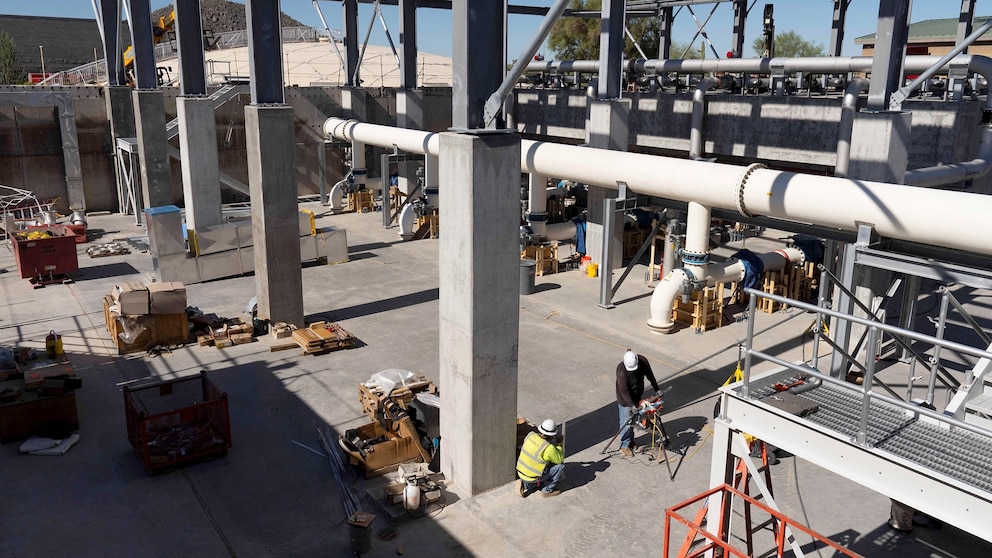
The United States economy grew over the three months ending in September, according to a government report released on Thursday, which marked the final snapshot of the economy before next Tuesday's midterm elections.
Gross domestic product (GDP) expanded at an annualized rate of 3.4% over the three months ending in September, U.S. Commerce Department data showed. The reading exceeded economists' expectations of 3.1%.
Growth in the third quarter amounted to an acceleration from 2.2% annualized GDP growth in the previous quarter, as seen in Commerce Department data.
The performance in the third quarter also outpaced a 2.5% annualized rate recorded over the first three months of this year.
An uptick in consumer spending and an acceleration of investment made up the primary causes of economic growth in the third quarter, the government report noted.
Consumer spending, which accounts for about two-thirds of U.S. economic activity, rose at a solid pace in the third quarter, even amid a rise in prices, data showed.
The report released on Thursday marks an initial estimate, which the agency will revise over the coming months as it assesses additional data.
A jump in spending on artificial intelligence has helped boost the U.S. economy in previous quarters. Many of the nation's largest companies have poured funds into the chips and data centers necessary to operate AI.
On the other hand, AI likely pushed down the GDP figure, since tech firms imported a large number of semiconductors critical to the technology. The government's GDP formula subtracts imports in an effort to exclude foreign production from the calculation of total goods and services.
Economic growth this year has come amid a surge of inflation set off by the Iran war in late February.
In response to rising prices, a key long-term Treasury rate has jumped in recent months as investors feared price increases would eat away at their returns. The rise in bond yields has pushed up rates for loans like credit cards and mortgages, threatening to worsen the financial crunch.
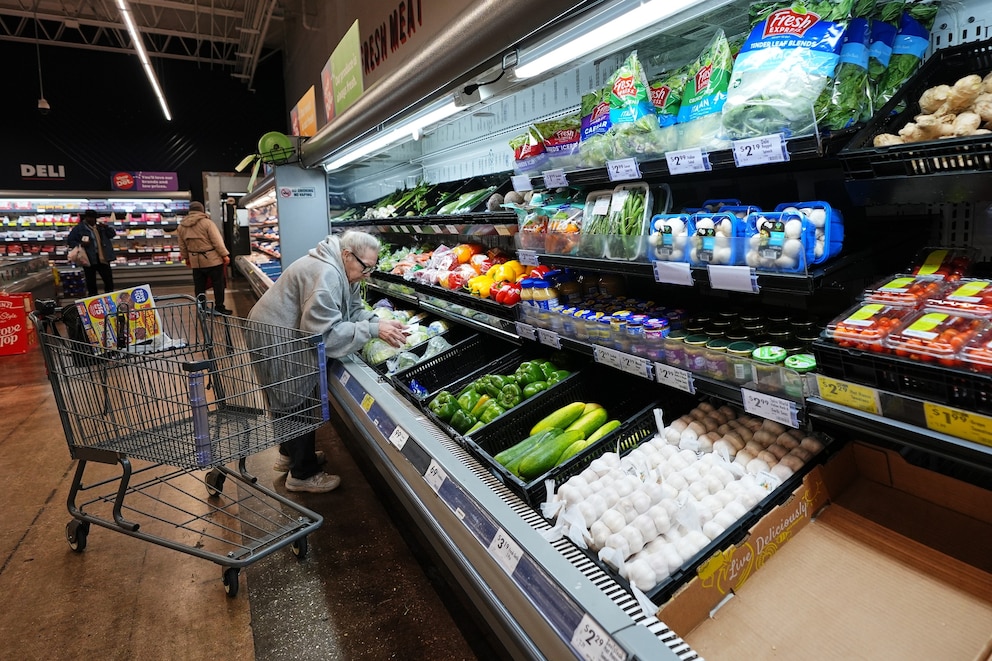
Still, the economy has proven resilient by some measures. Hiring has continued to grow, albeit at a slower pace, while unemployment has stayed at a low level by historical standards.
Speaking at a press conference in Washington, D.C., on Wednesday, Fed Chair Kevin Warsh voiced optimism about U.S. economic performance, even as he acknowledged the challenge posed by elevated inflation.
"Economic activity is expanding at a strong pace. While uncertainty remains, owing in part to geopolitical developments, domestic spending has been resilient," Warsh said.
An acceleration of price increases this year has posed a challenge for Fed officials tasked with containing inflation. The central bank raised interest rates a quarter of a percentage point last month in an effort to battle back price woes. The move marked the first rate increase in three years.
On Wednesday, the Fed opted to leave rates unchanged as they await further economic data.
Policymakers may lose patience as they weigh whether the current level of interest rates is high enough to ease price hikes. The odds of a quarter-point rate hike at the Fed's next meeting in December are pegged at about 85%, according to CME Group's FedWatch Tool, a measure of market sentiment.
Another potential rate increase would mean pressing the brakes harder on the economy, in turn risking sluggish growth and risk slowing the job market further.
Since Warsh took the helm of the Fed in May, he has repeatedly vowed to dial back inflation.
Prices increased 3.7% in September compared to a year earlier, putting the inflation rate more than a percentage point above the Fed's target level of 2%, government data showed.
"It's our responsibility to get inflation down," Warsh said on Wednesday.