GOP success with new Texas House map could hinge on Latino voters: ANALYSIS
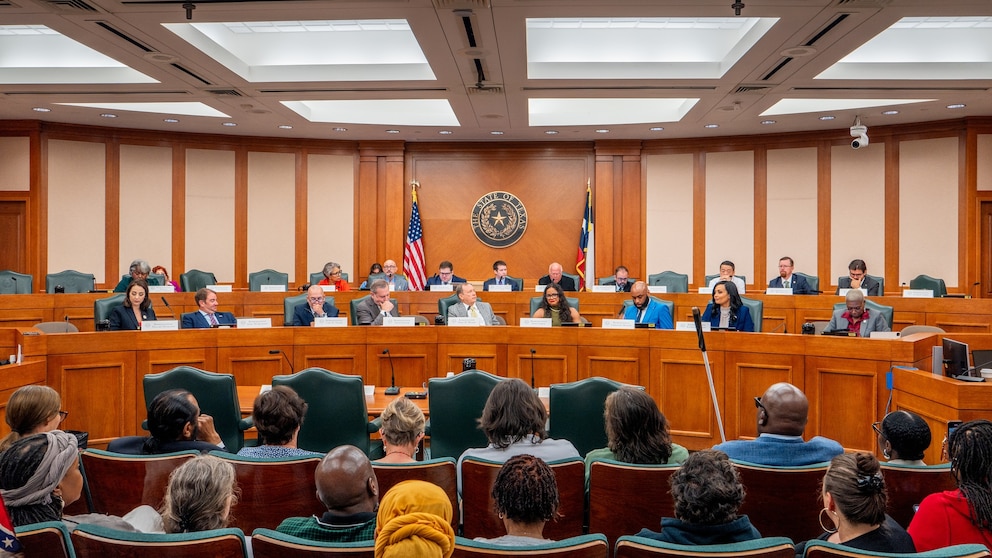
With encouragement from President Donald Trump and the White House, Texas Republicans are redrawing their congressional map to create five new districts the GOP could flip next year, in a bid to insulate their House majority.
But that outcome could hinge on Latino voters, and whether Trump's reshaping of the Hispanic electorate in 2024 carries into the next election cycle.
Last November, Trump carried 48% of Hispanic voters, setting a high-water mark for a Republican presidential ticket that also won the popular vote. Trump's 2024 showing was 12 points better than 2020, when he lost Hispanic voters 61% to 36% to former President Joe Biden, according to polling by the Pew Research Center.
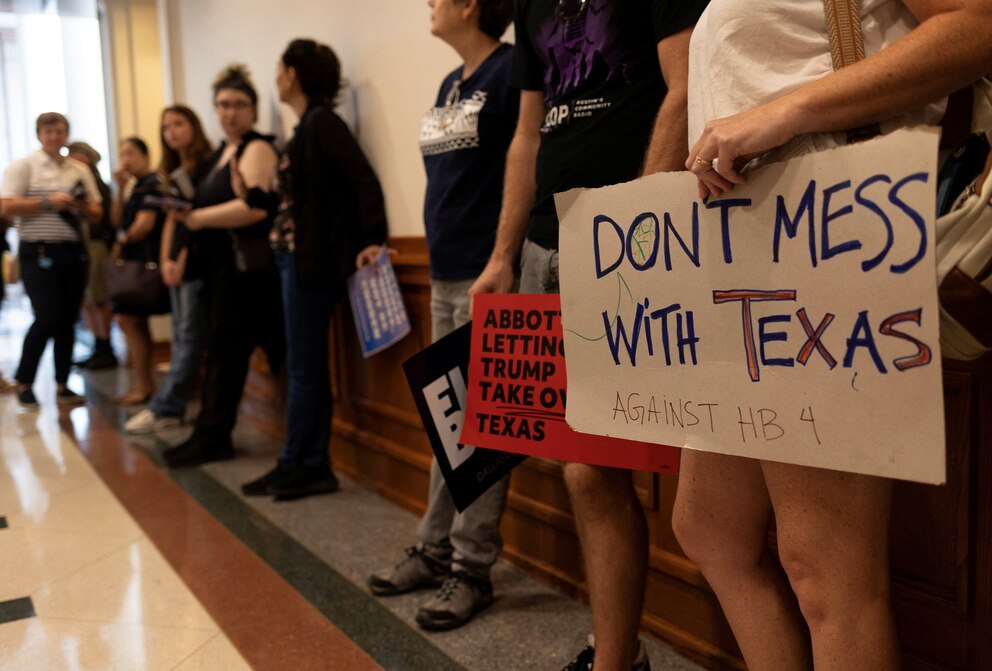
Four of the new Texas seats would be majority-Hispanic districts, adding one more to the state's total.
Two of those seats are in South Texas, and represented by Democratic Reps. Vicente Gonzalez and Henry Cuellar, who both narrowly won reelection in 2024. Both districts, which Trump carried in 2024, would become more Republican under the redrawn district lines.
For conservatives, some experts say the 2024 election represented a paradigm shift, and a fundamental realignment of Latino voters towards the Republican Party, and its positions on the economy, immigration and culture."It's been both an embrace of the alignment of the Republican Party and a rejection of how different they are with what the Democratic Party has been trying to push on them," said Daniel Garza, the president of the Libre Initiative, a group in the Koch family's conservative political network that focuses on Hispanic outreach.
Democrats concede that the new map does create challenges for them. But they point to historical trends that show midterm voters traditionally rejecting the party in power -- and an electorate showing frustration with Trump's tariff policies and the state of the economy.
Matt Barreto, a Democratic pollster who worked for the Biden and Harris campaigns, has analyzed Texas voting data from every election cycle since 2016, testifying in the federal trial challenging Texas' existing map based on the 2020 census.
"There was a Trump-only effect with Hispanics in 2020 and 2024, and it is the case that he improved his standing [in both cycles]," Barreto told ABC News. "It was not transferred to other Republican candidates on the ballot."
Barreto said that Republicans did not see the same gains with Latino voters in 2018, when Trump was not on the ballot, and Democratic Senate candidate Beto O'Rourke lost to Sen. Ted Cruz by less than 3 percentage points – the tightest Senate margin in Texas in decades.
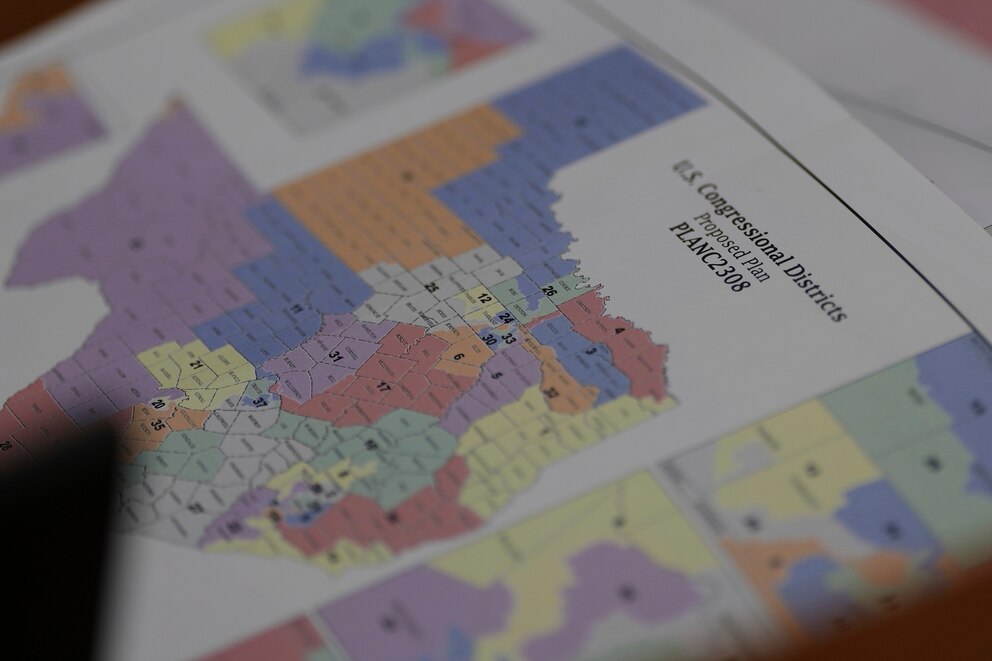
In fact, one of the new districts proposed by Republicans in Texas this week would have voted for O'Rourke, according to an analysis from the University of Virginia's Center for Politics.
"We're already going into a midterm where Republicans will be facing brutal headwinds over inflation, tariffs, Medicaid cuts and ICE raids," Barreto said. "It is extremely risky for Texas Republicans to assume that in a midterm election when Trump is not on ballot and there is an anti-incumbent mood, that they are going to come anywhere close to Trump 2024 numbers."
Garza, who lives in South Texas, suggested that Trump's immigration and deportation agenda would not hurt him next November.
"Latinos, we feel you can do both. You can do border security and we can expand legal channels. Where's that person, where's that party? Nowhere to be found," he said. "So they're going to stick with Trump because they'd rather have this than what you offered under Biden."
Mike Madrid, a Republican political operative who wrote a book on Latino voters and co-founded the anti-Trump Lincoln Project, told ABC News that Latino voters have made a "rightward shift" away from the Democratic Party because of concerns about the economy.
"There has been a rightward shift. There's no question about that. But is it a racial realignment?" he said. "This is an emergence of an entirely different vote. Most of these Latinos that are showing these more pro-Republican propensities are under the age of 30. There isn't even a vote history long enough to suggest that something is realigning."
"They're not going to vote through a traditional racial and ethnic lens," he added. "First and foremost, they're an economic, aspirational middle-class voter that is voting overwhelmingly on economic concerns."
Both parties will still have their work cut out for them, more than a year out from the midterms. And with Texas, and potentially other states, changing their maps to maximize partisan gains, Republicans and Democrats are redoubling efforts to identify candidates that can run competitive localized races in their districts.
Trump's approval rating has dropped to 37%, the lowest of his term, according to Gallup, and he's lost ground this month in approval of his handling of a range of domestic issues, but it's too early for operatives and lawmakers to say if the environment will break Democrats' way.
"I think a lot of my fellow Democrats think this is going to be a wave year," one member of Congress said this week. "That, to me, has not borne out yet."
Whichever way it breaks, if the maps in Texas are approved, Republicans will have a larger bulwark against a potential midterm tide -- as long as they can keep their 2024 coalition engaged.