Vance says no agreement reached with Iran after marathon talks in Islamabad
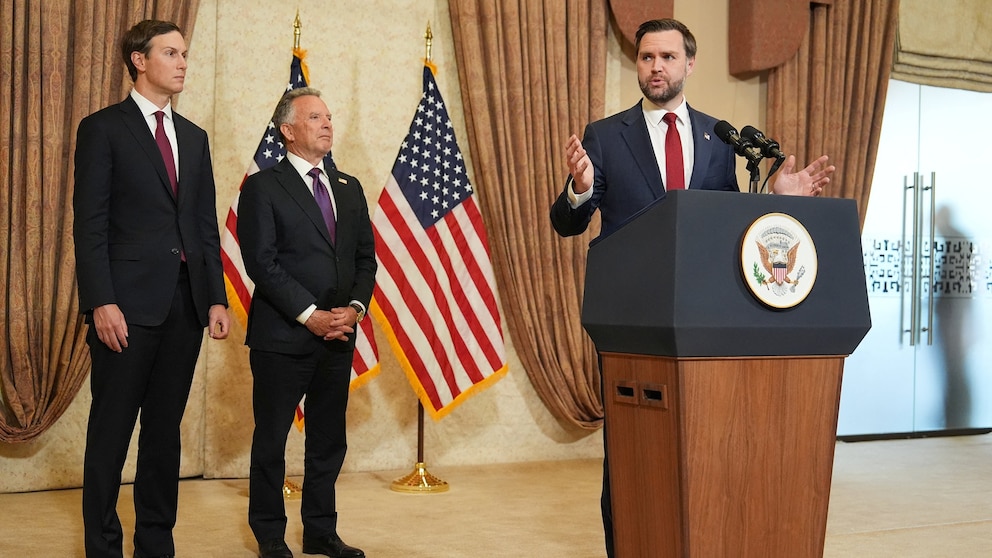
Vice President JD Vance, leading a U.S. delegation for high-stakes talks with Iran, said the two sides did not reach a deal despite marathon talks that lasted several hours in Islamabad, Pakistan.
"The bad news is that we have not reached an agreement," Vance said in brief remarks following the conclusion of the talks. "And I think that's bad news for Iran much more than it's bad news for the United States of America. So we go back to the United States having not come to an agreement."
When asked where the negotiations deteriorated, Vance said he wouldn't get into the full details but that the U.S. needed a firm commitment from Iran that it would not seek a nuclear weapon.
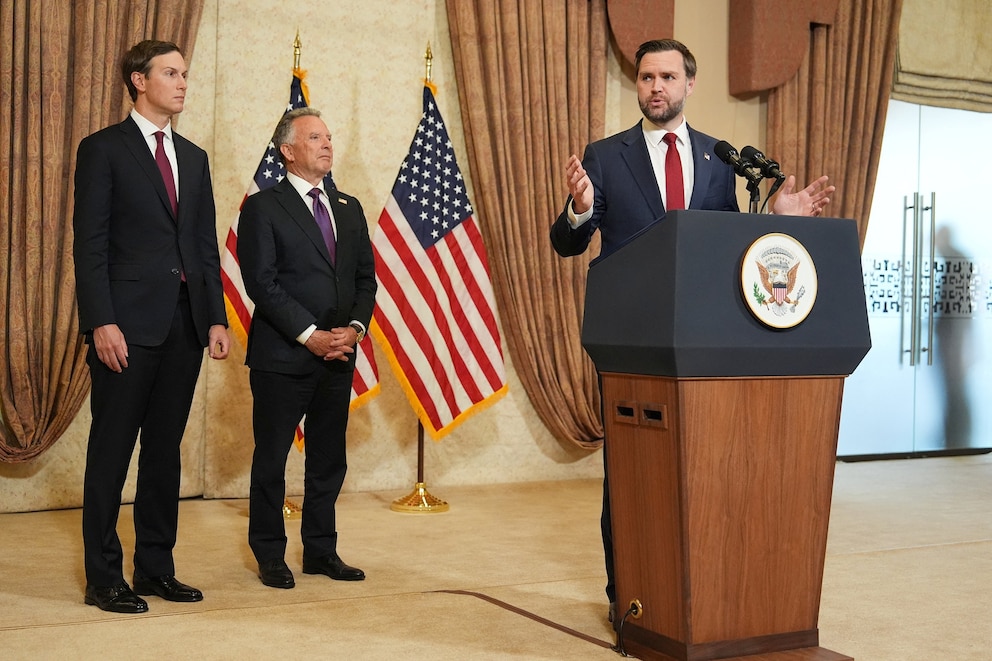
"The simple fact is we need to see an affirmative commitment that they will not seek a nuclear weapon and they will not seek the tools that would enable them to quickly achieve a nuclear weapon," Vance said. "That is the core goal of the President of the United States."
Although Vance said during his remarks that Iran's enrichment facilities have been destroyed, he said the U.S. did not see the "fundamental commitment" from the Iranians not to develop a nuclear weapon in the long term.
"I think that we were quite flexible, we were quite accommodating," Vance told reporters. "The president told us you need to come here in good faith and make your best effort to get a deal."
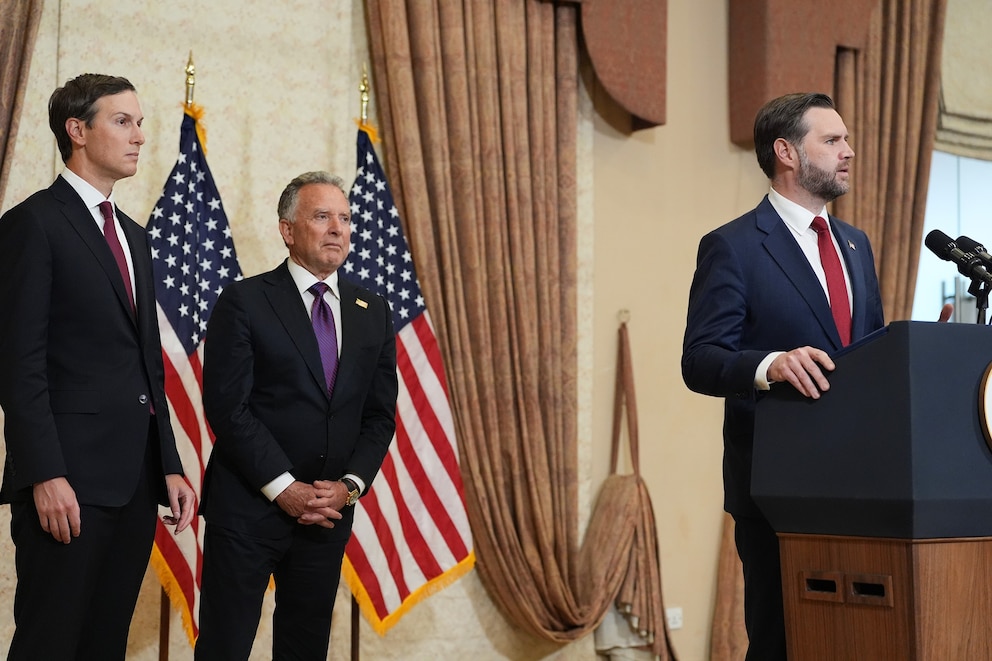
But he said Iran did not accept U.S. terms.
In his remarks, Vance did not address any other specifics from the negotiations and did not mention the reopening of the Strait of Hormuz, one of the key parts of the ceasefire deal announced by the U.S. earlier this week.
In addition to Vance, special envoy Steve Witkoff and the president's son-in-law, Jared Kushner, took part in the talks that Vance said lasted 21 hours. The negotiations began with the U.S. team meeting only with Pakistani officials before in-person talks with Iranian officials began.
Vance said the team communicated with President Donald Trump and other members of the Cabinet throughout the negotiation process.
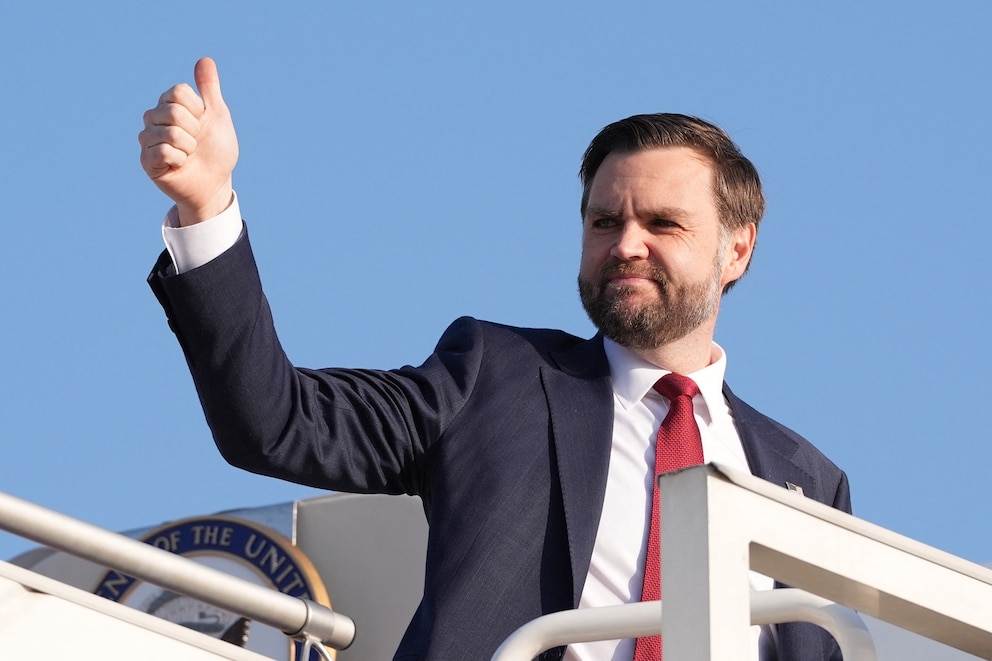
The U.S negotiating team also included a host of officials from the State Department, Department of Defense and National Security Council, the White House said.
As he left for the talks on Friday, Vance said he expected "positive" negotiations. But he had a warning for the Iranians, too.
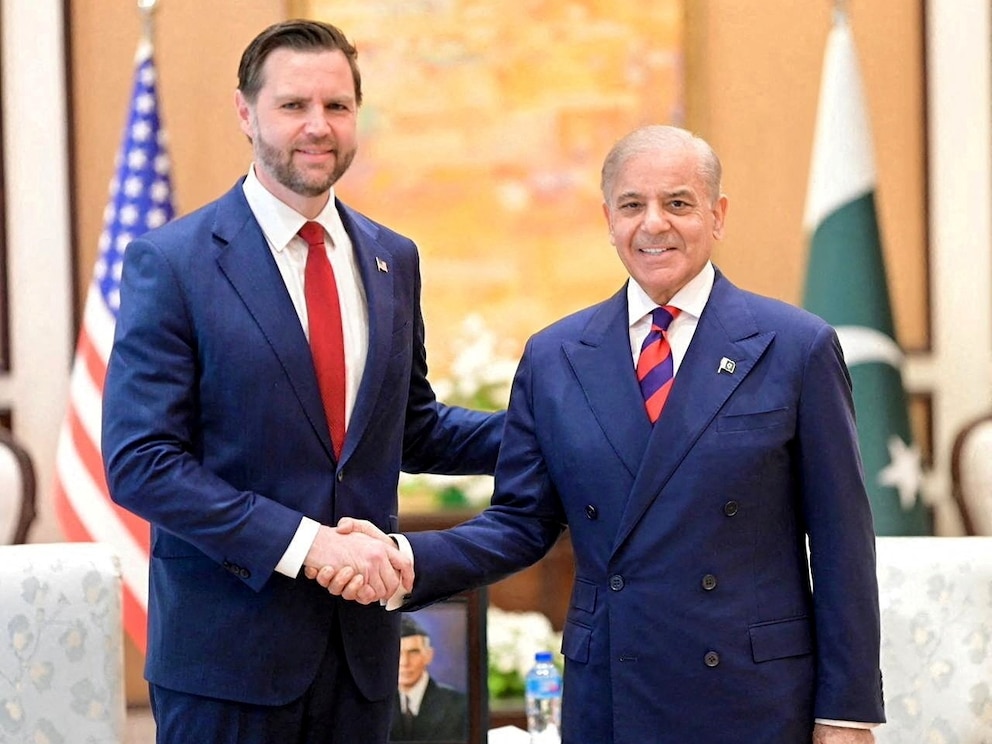
"If they're going to try to play us, then they're going to find the negotiating team is not that receptive," he told reporters.
President Trump on Friday afternoon, when asked about the upcoming talks, said, "I think it's going to go pretty quickly. And if it doesn't, we'll be able to finish it off one way or the other."
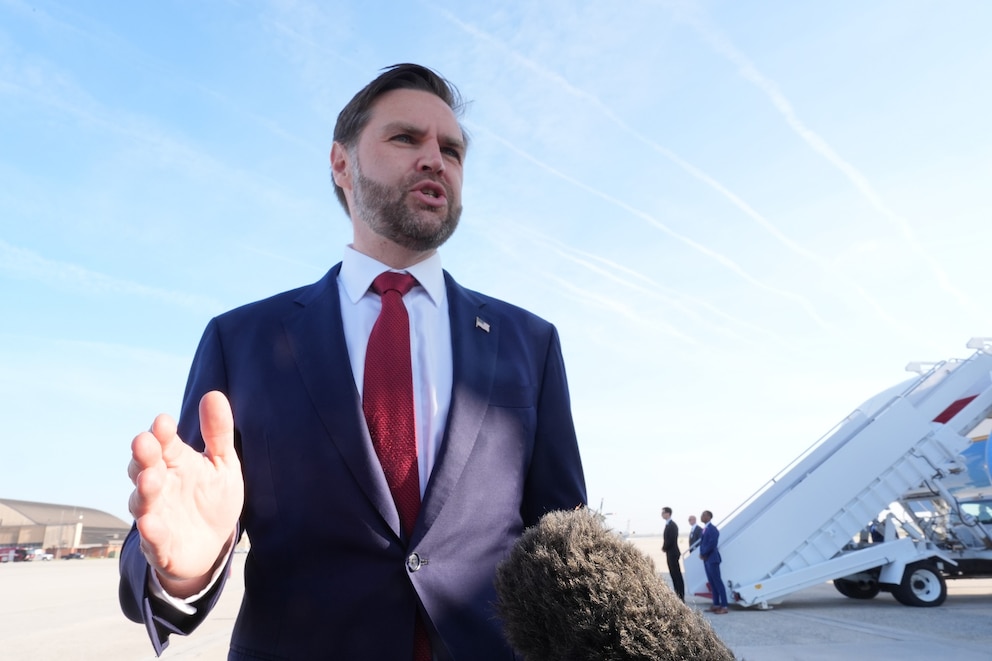
Heading into the talks, which side was seen to have more leverage in the standoff was an open question.
The ceasefire announced by Trump on Tuesday night has been fragile, and both sides have accused the other of not meeting preconditions for the talks.
On Day 1 of the truce, and in the days since, Israel has stepped up attacks against Hezbollah, an Iranian proxy, in Lebanon, outraging Iran and leading to accusations the terms had been breached.
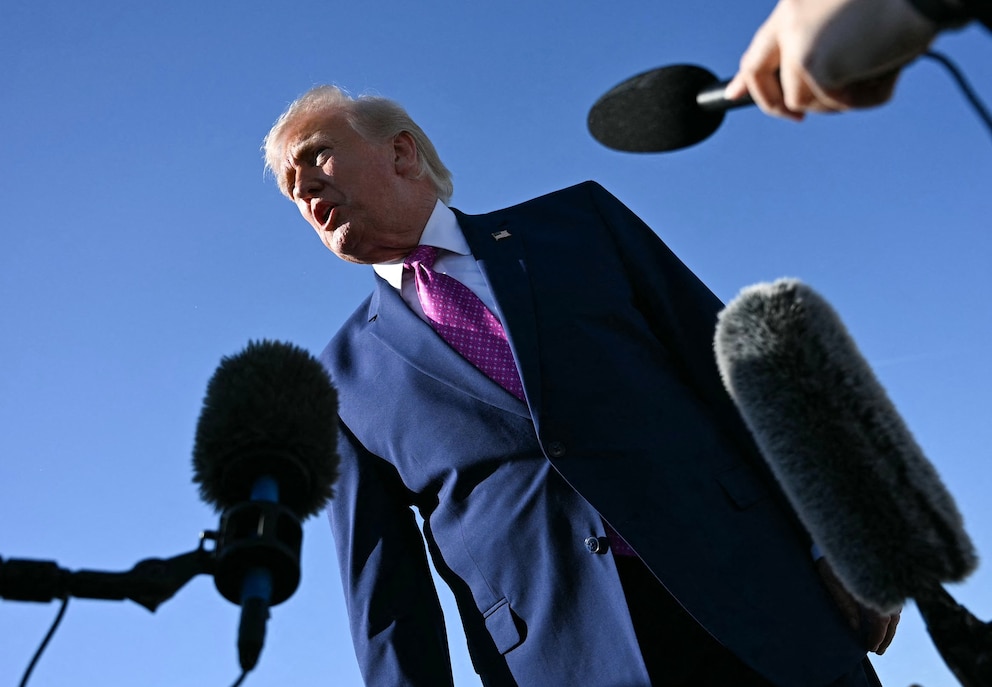
Vance told reporters Thursday it was a "legitimate misunderstanding" and that the U.S. never included stopping Israeli strikes on Lebanon in the ceasefire deal. Iran's parliament speaker, Mohammad Bagher Ghalibaf, reiterated on Friday that a ceasefire in Lebanon must occur before talks begin.
Israel's ongoing offensive in Lebanon "is going to create major stress on" talks, said Syed Mohammad Ali, a lecturer at Johns Hopkins University and analyst of Pakistani politics.
Whether the U.S. would put pressure Israel to temper its campaign is unclear before the U.S. and Iran come to the table, Ali said.
President Trump said Thursday that Israeli Prime Minister Benjamin Netanyahu told him Israel would begin to "low-key" its offensive.
Ghalibaf, the Iranian parliament speaker, also said in a post on X on that "the release of Iran's blocked assets" (funds frozen by sanctions in banks around the world) was also agreed upon before the talks, and the U.S. has yet to do that.
U.S. officials, mediators and even the Iranians have not previously indicated this was a precondition. The White House has not responded to a request for comment. President Trump has long been critical of former President Barack Obama for returning more than a billion dollars in frozen Iranian money as part of his 2015 Iran nuclear deal.
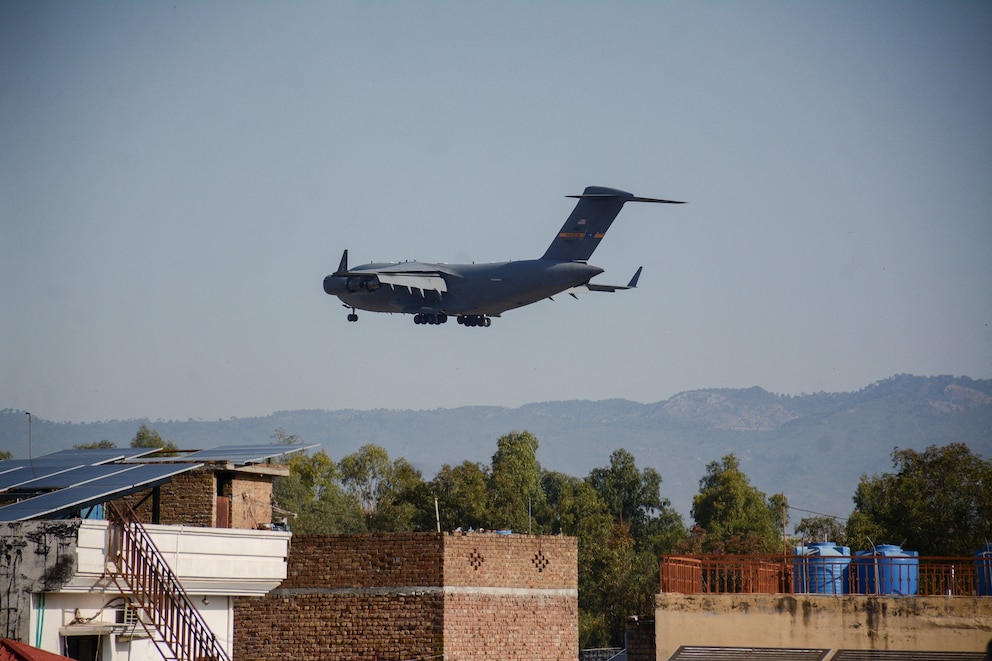
Meanwhile, Trump has scolded Iran for not allowing the free flow of ships through the Strait of Hormuz -- a condition he set for the ceasefire and something he said must be met before any talks.
"The Iranians don't seem to realize they have no cards, other than a short term extortion of the World by using International Waterways," the president posted on his social media platform on Friday afternoon. "The only reason they are alive today is to negotiate!"
But the Iranians have proven so far they can weaponize the flow of commerce through the strait, and it has put real pressure on the Americans to negotiate.
Before Trump started the war, oil flowed freely there. Now, Americans are paying, on average, more than $4 a gallon on gas, and inflation surged to the highest rate in nearly two years in the month since the war began.
Even if the two sides can get past these hurdles and begin talks, the issues on the table are enormous.
The U.S. wants guarantees Iran will permanently end enriching uranium that could be used for a nuclear weapon, and that Iran hands over or destroy its existing stockpile -- two demands Trump cited as reasons for going to war.
Trump also wants limits on Iran's missile production and for Tehran to end its support for what the U.S. calls terrorist proxy groups in the region.
The U.S. has not formally released its set of demands, but President Trump said on Wednesday that his team had presented Iran with a 15-point plan, saying many demands "have already been agreed to."
Meanwhile, the Iranians are demanding an end to economic sanctions, control over the flow of commerce through the strait in perpetuity, a permanent end to the U.S. and Israeli bombings and for American forces to leave the region.
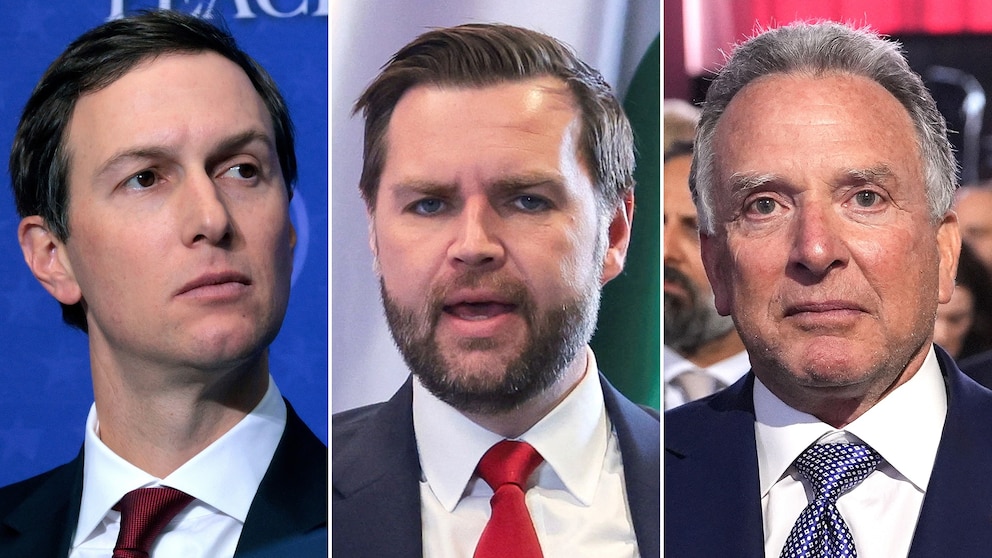
Vance, who has long opposed U.S. military intervention in the Middle East and other countries, made his reservations about entering a conflict with Tehran known internally before Trump ordered the first set of U.S. strikes on Feb. 28, ABC News has previously reported.
Trump, who has acknowledged he and Vance were "philosophically different" on the matter, said in an interview on Friday with the New York Post that Vance, who has limited diplomatic experience, is doing a "very good job" and that he has "nothing to prove."
And in yet another threat to Tehran, Trump told the Post that U.S. military vessels are being prepared and reloaded with ammunition in case the peace talks in Islamabad fail.
"And if we don't have a deal, we will be using them, and we will be using them very effectively," Trump reportedly said.