Highest ocean temperatures ever recorded for the month of May, NOAA says

Scientists have gathered further evidence that ocean waters are continuing to warm along with the rest of the planet.
Ocean temperatures reached record-breaking highs for the month of May, the National Oceanic and Atmospheric Administration announced during its monthly climate call on Thursday.
Four main factors are contributing to such historic warming of global sea surface temperatures: human-induced climate change, a developing El Nino event, effects from the 2022 Hunga Tonga-Hunga Ha’apai volcano eruption and a new shipping emissions policy aimed at reducing air pollution, said Daniel Swain, a climate scientist at the University of California, Los Angeles.
Some regions are experiencing temperatures up to 7 degrees higher than average for this time of year. In Cabo Verde Island, where hurricanes typically form, the water is typically 75 degrees Fahrenheit but is currently measuring at 82.4 degrees.
Combined, land and ocean temperatures in May were the third warmest on record, with surface temperatures increasing about 0.97 degrees Celsius, or 1.75 degrees Fahrenheit, above the 20th century average, Rocky Bilotta, climatologist for the NOAA National Centers for Environmental Information, told reporters.

Temperatures were above average throughout most of North America, South America and Africa. Parts of Western Europe, Northwestern Russia, Southeast Asia and the Arctic also experienced warmer than average temperatures this month, Bilotta said.
In the contiguous United States, May temperatures averaged 62.4 degrees Fahrenheit, 2.2 degrees above the average for that time of year, Bilotta said.
The warmest global record for the time period between March and May was also reached, according to NOAA.

2023 is very likely to rank among the 10 warmest years on record, according to the National Centers for Environmental Information statistical analysis that was released in April. Should warmer ocean and air surface temperatures continue, 2023 could become the warmest year on record.
Scientists anticipate that the current high temperatures could increase in the coming weeks and set record-shattering numbers, which could spell disaster for coastal communities all over the world.
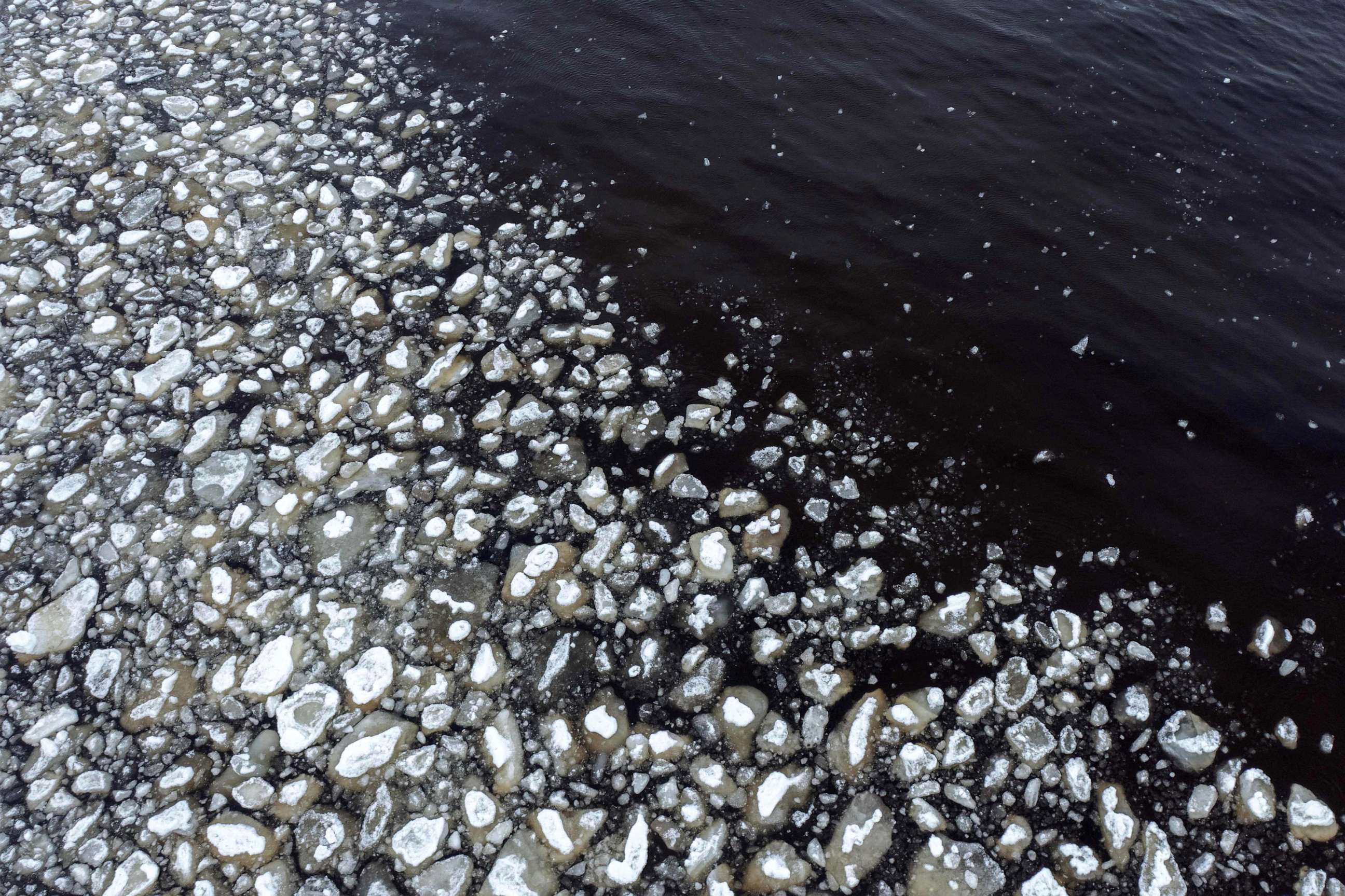
Warmer ocean waters can contribute to more powerful tropical storms and impact marine life. In addition, a warmer atmosphere holds more moisture and can increase potential flooding events. Melting sea ice in the Arctic is also causing sea levels to rise, which is eroding coastlines.

Earlier this week, thousands of fish washed up at the Quintana Beach County Park on Texas' Gulf Coast, likely due to warming waters, according to the Texas Parks and Wildlife Kills and Spills team.
"Fish kills like this are common in the summer when temperatures increase," the department said in a statement. "If there isn't enough oxygen in the water, fish can't 'breathe.' Low dissolved oxygen in many cases is a natural occurrence."