Human activity has put 1 million species at risk of extinction: UN report
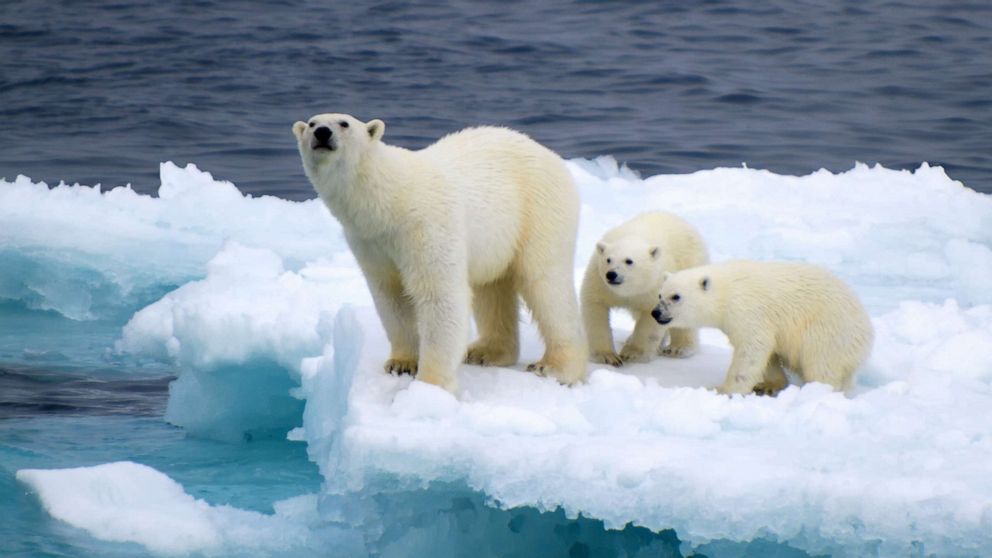
Humans are pushing 1 million species to the brink of extinction, and nature is declining "at rates unprecedented in human history," according to a new report from the United Nations.
A summary of the report, released Monday, paints a grave picture of a planet significantly altered by humans.
"We are eroding the very foundations of our economies, livelihoods, food security, health and quality of life worldwide," said Sir Robert Watson, the chair of the Intergovernmental Science-Policy Platform on Biodiversity and Ecosystem Service, responsible for the report. Watson added that while it is not too late to begin to change course, humans must "start now at every level from local to global."
Around 75% of Earth’s terrestrial environment has been "severely altered" by human actions, according to the report, and in most major land habitats, the average abundance of native plant and animal life has dropped by 20 percent or more, mostly within the past century.
"When you think about 1 million species, it really brings it home that we are the stewards of the earth," Susan Casey-Lefkowitz, chief program officer with the Natural Resource Defense Council, told ABC News.
The report found that the major drivers of natural destruction are changes in land and sea use, direct exploitation of organisms, climate change, pollution and invasive alien species.
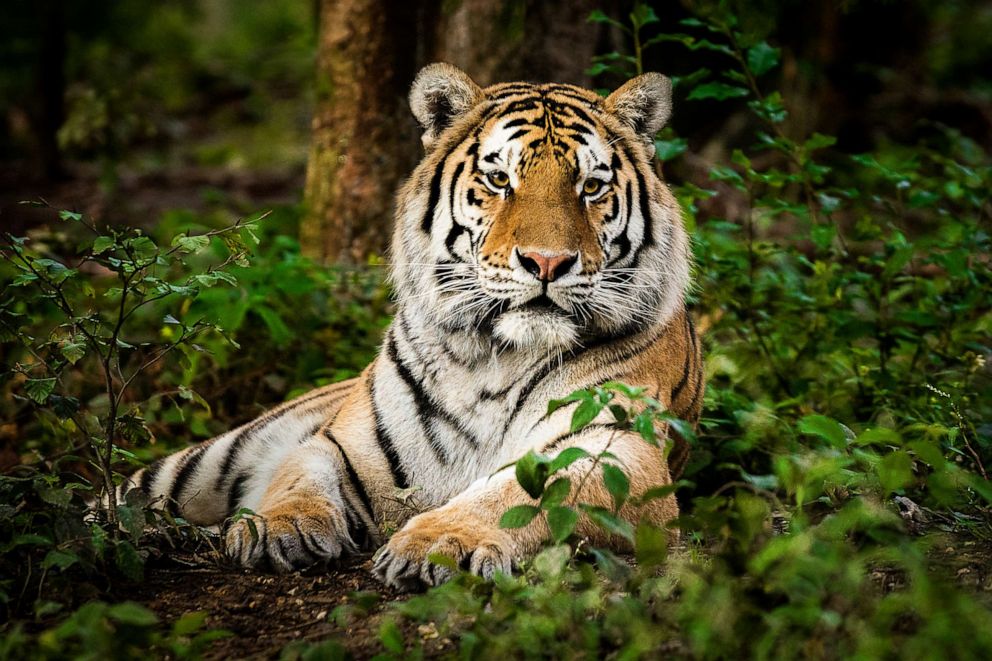
Since 1980, greenhouse gas emissions have doubled, raising average global temperatures by at least 0.7 degrees Celsius, according to the report. As a result, climate change may become the biggest disrupter of nature in the coming decades. Even if temperature rise stops at 2 degrees Celsius, the IPBES summary posits that a majority of land species' populations will "shrink profoundly."
Achim Steiner, the director-general of UNESCO, said in a statement these findings are a wake up call.
"This essential report reminds each of us of the obvious truth: the present generations have the responsibility to bequeath to future generations a planet that is not irreversibly damaged by human activity," he wrote.
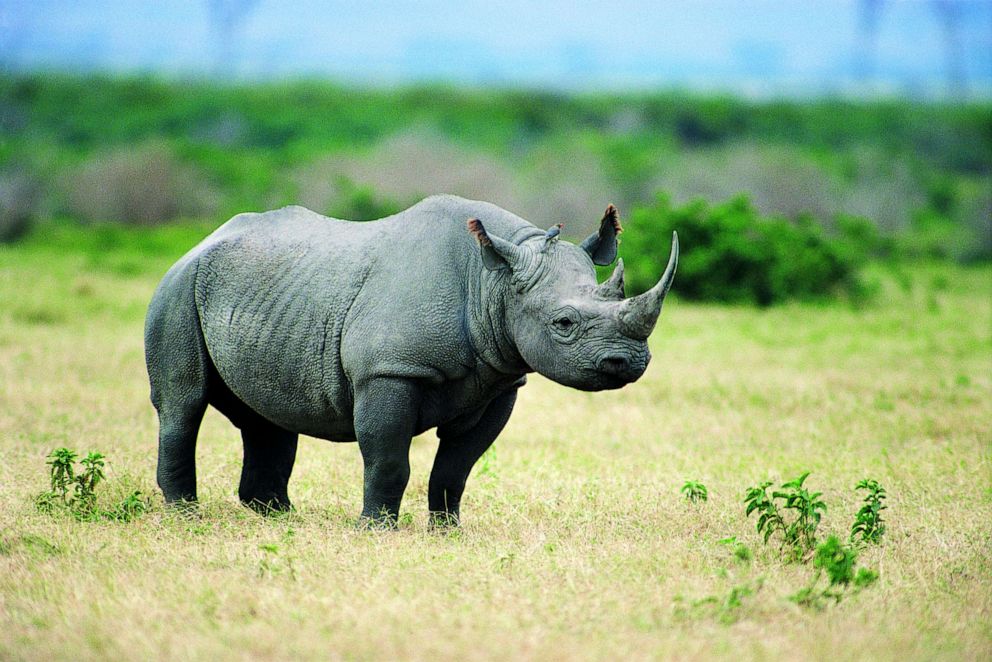
Casey-Lefkowitz believes that there are available solutions to the problems that the report details.
"The question is," she said, "do we have the political will to do them?"
You can watch the whole ABC News Live segment on the U.N. report by clicking on the video above