Humans consume the equivalent of a credit card worth of plastic every week: Report
The consumption of plastic has become unavoidable in recent years, but a new report is proving just how much humans are ingesting on a regular basis.
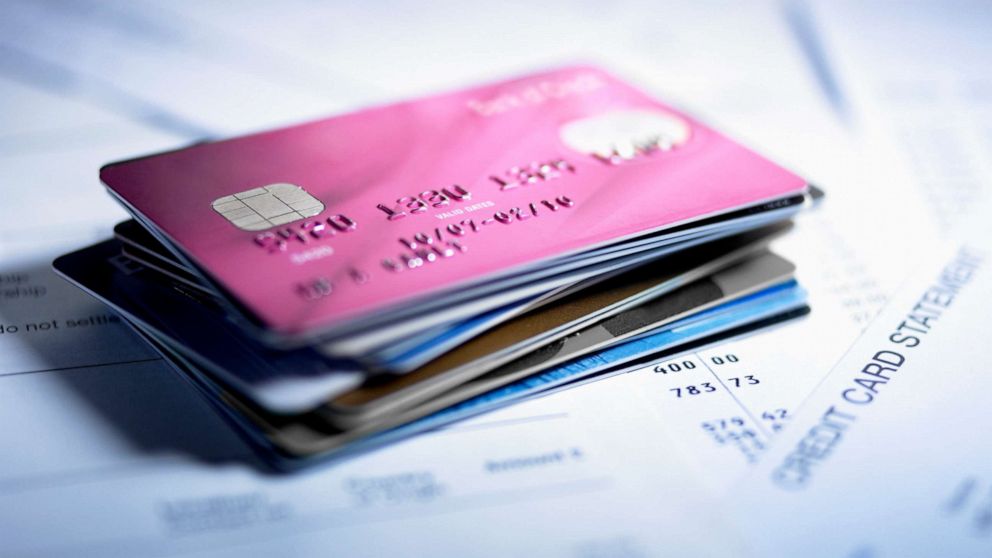
People are consuming about 5 grams of plastic every week, which is the equivalent of a credit card, according to an analysis by the World Wildlife Fund and carried out by the University of Newcastle in Australia.
That equates to about 21 grams of plastic per month and just over 250 grams per year, the report states.
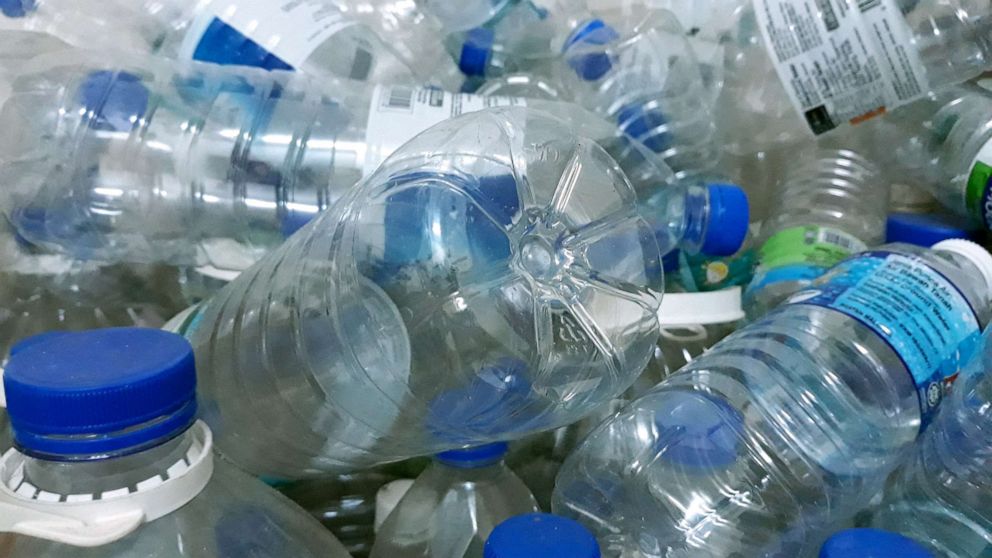
The single largest source of plastic ingestion is through water, both bottled and tap, the analysis found. Other consumables with the highest recorded plastic levels include shellfish, beer and salt.
While the numbers are realistic in range, the consensus among specialists is that further studies re required to obtain a more precise estimate, the report states.
In the Australian study, researchers combined more than 50 studies on the ingestion of microplastic by humans to further understand the impact of plastic pollution on human health. The findings will help scientists determine the potential toxicological risks for humans going forward, said Dr. Thava Palanisami, microplastic researcher at the University of Newcastle, in a statement.
The long-term effects of ingesting large quantities of plastic are unclear, but studies are underway, according to the report.
The problem can only be solved by addressing the root cause of plastic pollution, said WWF International Director General Marco Lambertini, in a statement.
“These findings must serve as a wake-up call to governments," Lambertini said. "Not only are plastics polluting our oceans and waterways and killing marine life -- it’s in all of us and we can’t escape consuming plastics. Global action is urgent and essential to tackling this crisis."
Since 2000, more plastic has been produced worldwide that all the preceding years combined, and about a third of the plastic ends up in nature, according to the report.
The WWF is urging the public to sign a petition calling for a legally binding treaty on marine plastics pollution. The petition has garnered more than 700,000 signatures so far.