Hurricane Erin could bring destruction to East Coast despite not making landfall
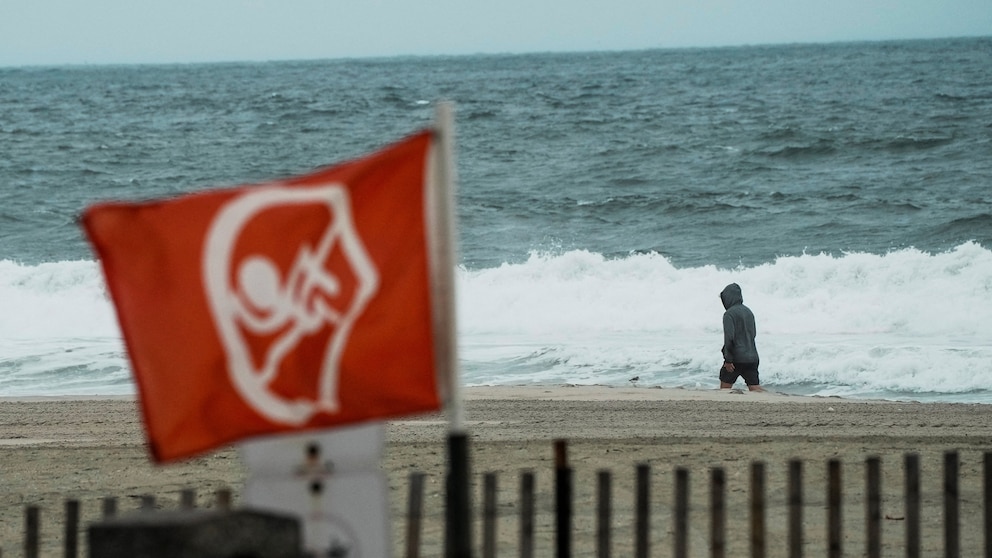
Hurricane Erin may not make landfall, but it still could have devastating consequences for East Coast residents.
The first hurricane of the 2025 Atlantic season is forecast to cause rough surf, large waves and life-threatening rip currents for much of the East Coast despite churning northward several hundred miles offshore.
Average sea levels for many East Coast communities are now about a half foot higher today than they were just a few decades ago, climate scientists say, intensifying coastal erosion along the U.S. coastline.
Some of the biggest waves from Erin could occur in the evening during high tide, Kimberly McKenna, interim executive director of the Coastal Research Center at Stockton University in New Jersey, told ABC News. But states will have to "wait and see" just how harmful Erin is to the coasts, McKenna added.
Coastal erosion is part of the planet's natural cycle, but warming global temperatures and rising sea levels are worsening the damage to the coast's natural barriers, according to the U.S. Geological Survey.
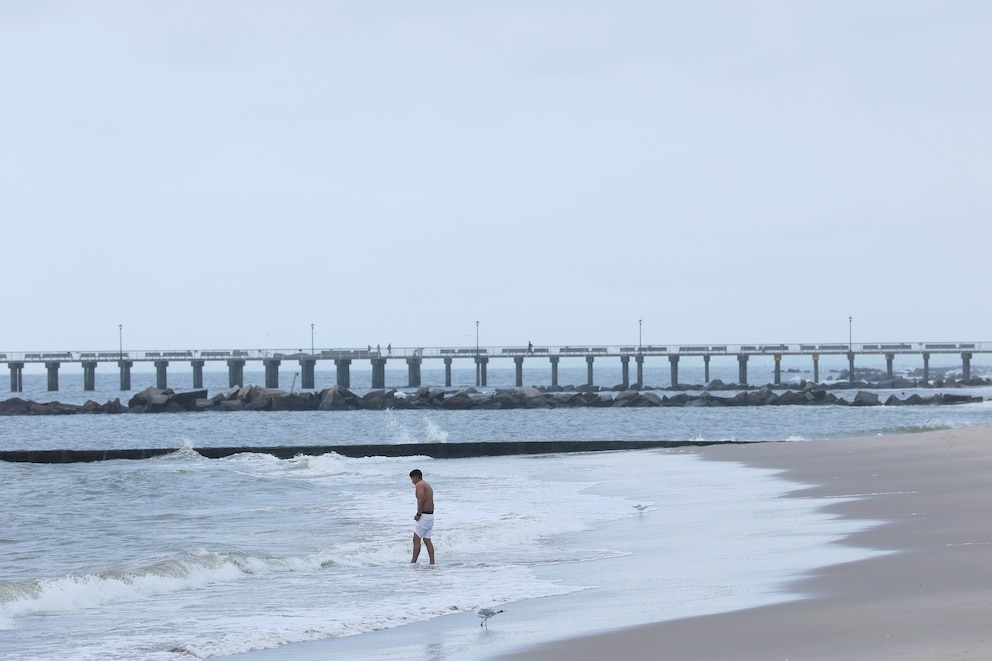
Human-amplified climate change is making coastal areas more vulnerable, as more intense storms increase the risks of flooding and shoreline erosion, according to the Fifth National Climate Assessment, a 2023 summary of the latest climate science research findings by 14 different federal agencies.
Higher water levels allow waves, tides and storm surges to penetrate farther inland, eroding dunes and beaches more easily.
Human modifications to coastal landscapes, such as seawalls and levees, can worsen flood risks, accelerate erosion and hinder the ability of coastal ecosystems to naturally adapt, according to the Fifth National Climate Assessment.
Since 1970, the North Carolina coastline has experienced an average sea level rise of 7 inches, according to the Interagency Task Force on Sea Level Change.
By 2050, the U.S. East Coast is projected to experience an average sea level rise of 10 to 14 inches.
Solutions such as shoreline "hardening" -- which involves the installation of seawalls, groins, rip-rap and levees -- as well as beach nourishment, which includes adding sand to beaches, can help protect coasts, according to Climate.gov.
McKenna expects the beaches in New Jersey will be able to withstand the impacts of Erin.
"Right now, a lot of our beaches are pretty wide and can handle some of the wave impacts that are proposed," McKenna said.
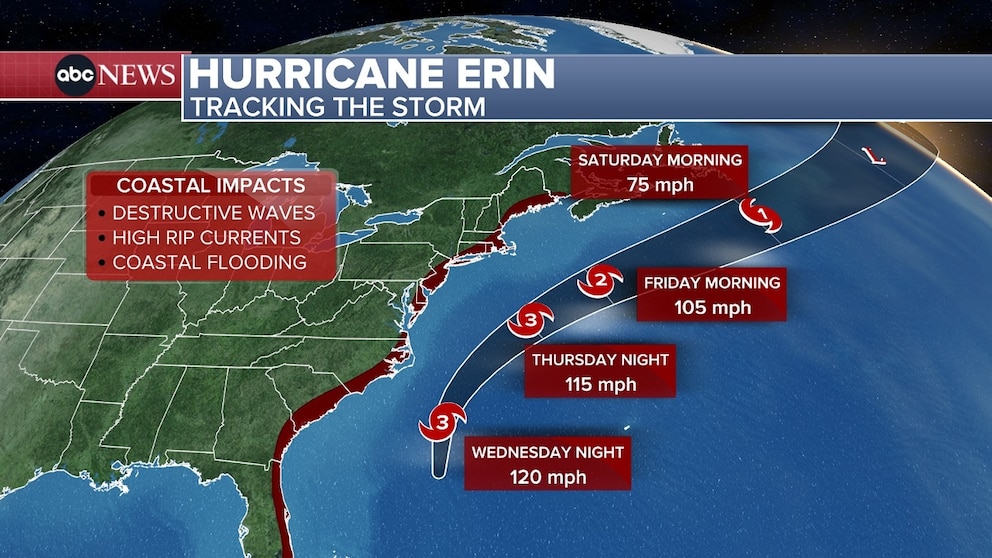
By Wednesday afternoon, Hurricane Erin was located about 350 miles off the coast of Cape Hatteras, North Carolina. It is expected march north, parallel to the East Coast, over the next 24 hours, and then race northeast across the north Atlantic Ocean into the upcoming weekend.
Impacts such as destructive waves, high rip currents and coastal flooding are expected from Wednesday through Saturday morning as Erin moves northeast.
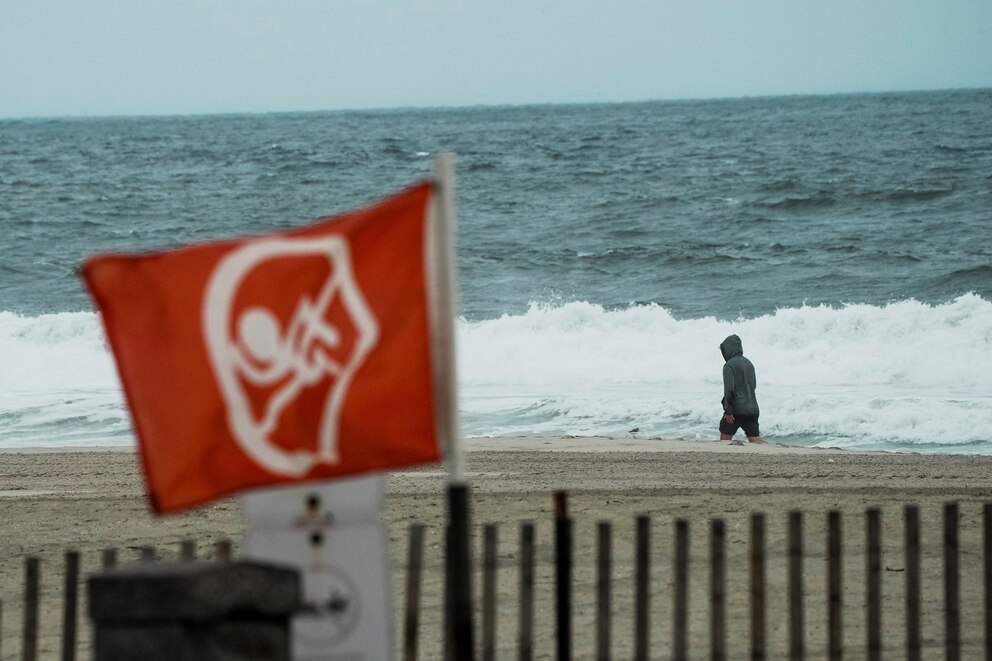
In North Carolina, beaches in the Outer Banks are eroding at some of the fastest rates on the East Coast, according to the EPA.
The area's low elevation makes it particularly vulnerable to the impacts of sea level rise, experts say.
More than 2,000 people were evacuated by ferry from barrier islands in the southern part of the Outer Banks by Wednesday afternoon, according to officials.
North Carolina Gov. Josh Stein issued an emergency declaration ahead of the storm due to the threats of coastal flooding, beach erosion and dangerous surf conditions.
"North Carolinians along the coast should get prepared now, ensure their emergency kit is ready, and listen to local emergency guidelines and alerts in the event they need to evacuate," Stein said.