With approach of Hurricane Sally, here's what to know about hurricane categories
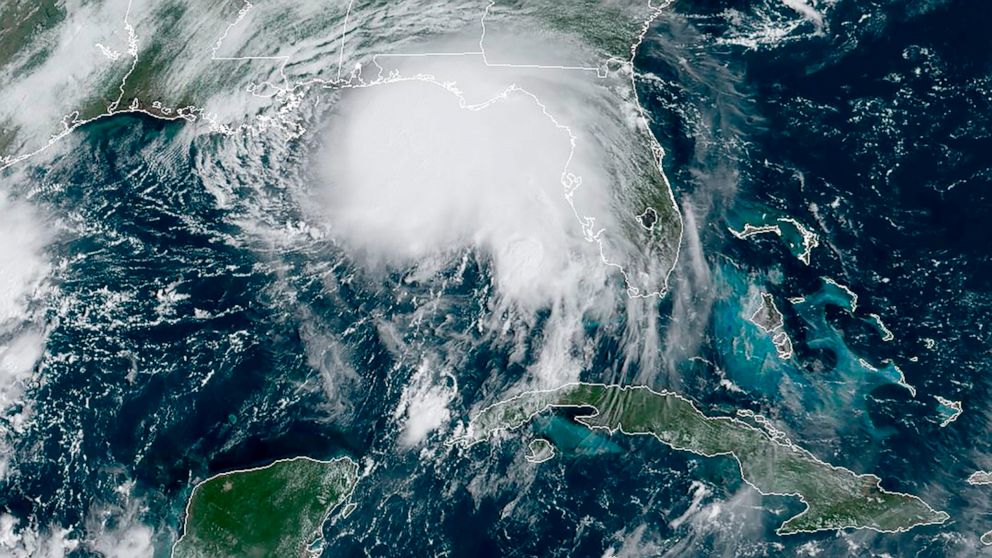
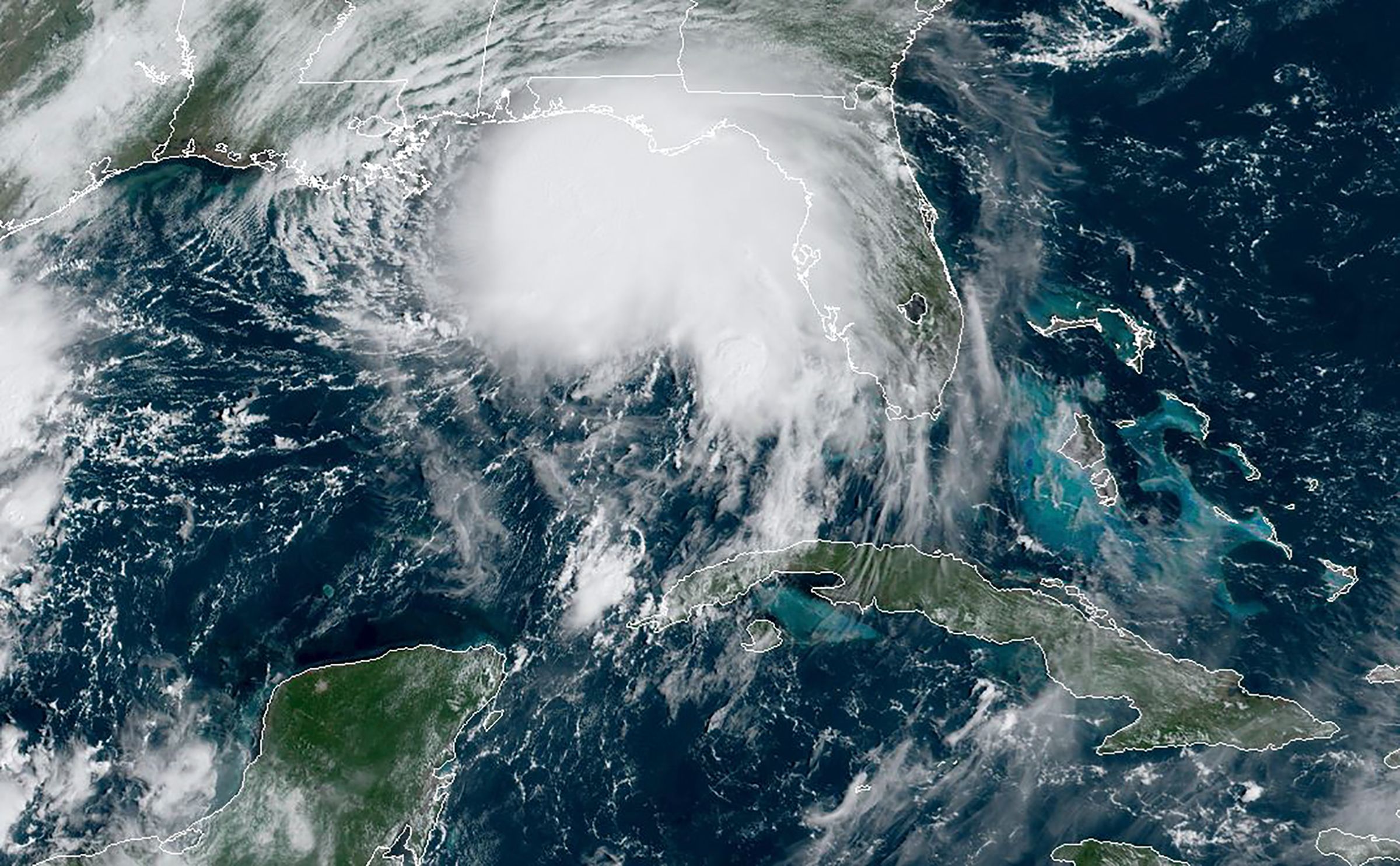
Hurricane Sally gathered steam Monday as it moved east toward coastal Louisiana, Mississippi and Alabama.
The slow-moving storm strengthened into a Category 2 hurricane mid-morning Monday.
But what exactly does "Category 2" mean?
The National Weather Service uses a system called the Saffir-Simpson Hurricane Wind Scale to measure the intensity of hurricanes.
The hurricane category scale is from 1 to 5, and is based on the sustained wind speed of the storm, averaged over two minutes. The scale helps estimate potential property damage.
Here are the hurricane categories, according to the National Hurricane Center:
• Category 1 = 74-95 mph: "Very dangerous winds will produce some damage: Well-constructed frame homes could have damage to roof, shingles, vinyl siding and gutters. Large branches of trees will snap and shallowly rooted trees may be toppled. Extensive damage to power lines and poles likely will result in power outages that could last a few to several days."
• Category 2 = 96-110 mph: "Extremely dangerous winds will cause extensive damage: Well-constructed frame homes could sustain major roof and siding damage. Many shallowly rooted trees will be snapped or uprooted and block numerous roads. Near-total power loss is expected with outages that could last from several days to weeks."
• Category 3 = 111-129 mph: "Devastating damage will occur: Well-built framed homes may incur major damage or removal of roof decking and gable ends. Many trees will be snapped or uprooted, blocking numerous roads. Electricity and water will be unavailable for several days to weeks after the storm passes."
• Category 4 = 130-156 mph: "Catastrophic damage will occur: Well-built framed homes can sustain severe damage with loss of most of the roof structure and/or some exterior walls. Most trees will be snapped or uprooted and power poles downed. Fallen trees and power poles will isolate residential areas. Power outages will last weeks to possibly months. Most of the area will be uninhabitable for weeks or months."
• Category 5 = 157 mph or higher: "Catastrophic damage will occur: A high percentage of framed homes will be destroyed, with total roof failure and wall collapse. Fallen trees and power poles will isolate residential areas. Power outages will last for weeks to possibly months. Most of the area will be uninhabitable for weeks or months."
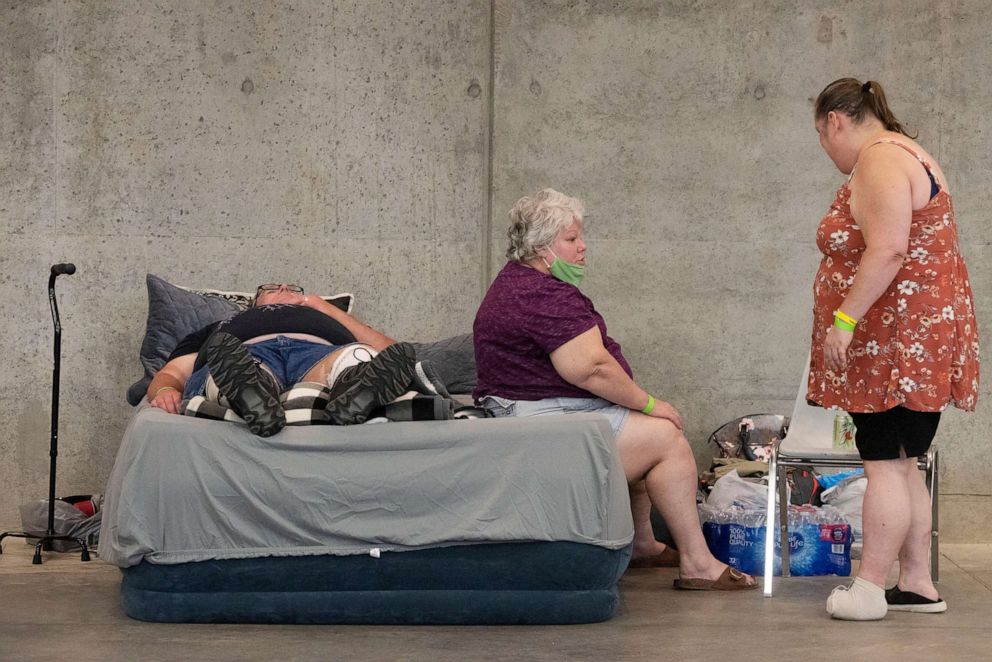
Storms that are Category 3-5 are considered major hurricanes. For instance, Hurricane Michael, which made landfall in Florida in 2018, was a Category 5 at landfall, and ranks third among the most powerful hurricanes to strike the U.S., according to government data.
However, officials with the National Ocean and Atmospheric Administration say it's important to note that the Saffir-Simpson scale measures damage potential from wind only.
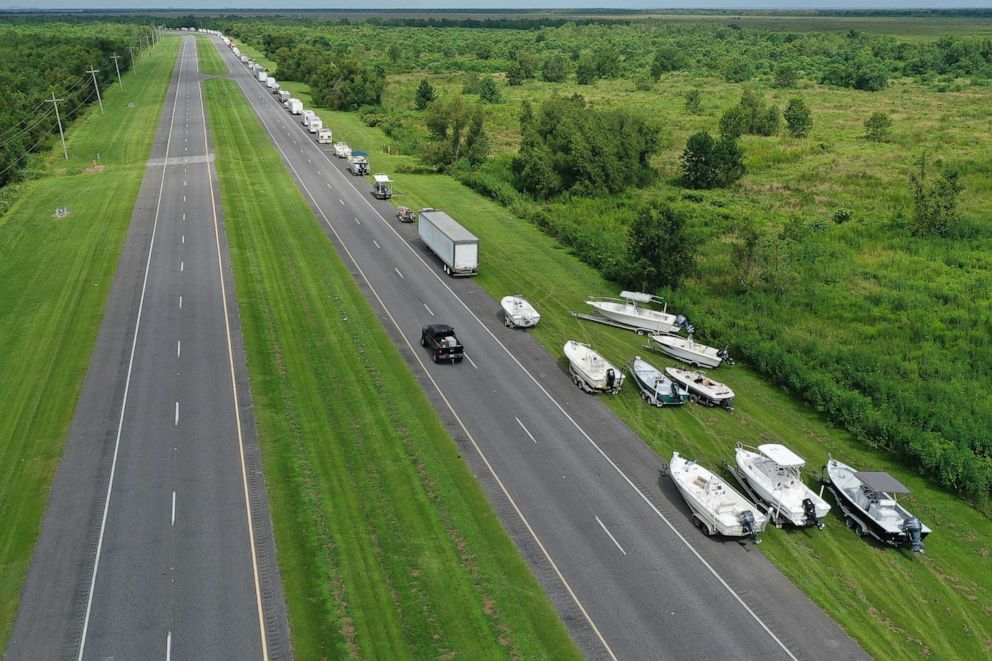
"It does not account for other impacts including storm surge, rain, and tornadoes,” said Dennis Fletgen, a spokesman for the agency.
To help track and account for other dangerous storm impacts not related to wind, NOAA now includes a Storm Surge Watch and Warning. This "highlights the risk of storm surge, historically the leading cause of fatalities in tropical systems," Feltgen said.
Editor's note: This story was originally published in 2019. It has been updated with the most recent hurricane information.