First ever images of Antarctica's 'Doomsday glacier' show melting from below

Scientists studying one of the most crucial glaciers that's been deteriorating by climate change got a new look at what's going on underneath the surface.
In two studies published in the science journal "Nature," scientists from the UK-US International Thwaites Glacier Collaboration said they were able to measure the bottom of the Thwaites Glacier and insert cameras and probes through a borehole to study the object from underwater.
The images showed researchers that while the glacier overall is melting slower than models projected, the warmer water underneath the ice is creating cracks and crevasses where the ice is melting much faster than the rest of the glacier.
The glacier, nicknamed the "Doomsday glacier" which is roughly the size of Florida, has been sensitive to climate change over the last 30 years and accounts for about 4% of global sea level rise, according to scientists. If the glacier collapses it could add 25 inches to the global sea level rise in the coming centuries, according to researchers.
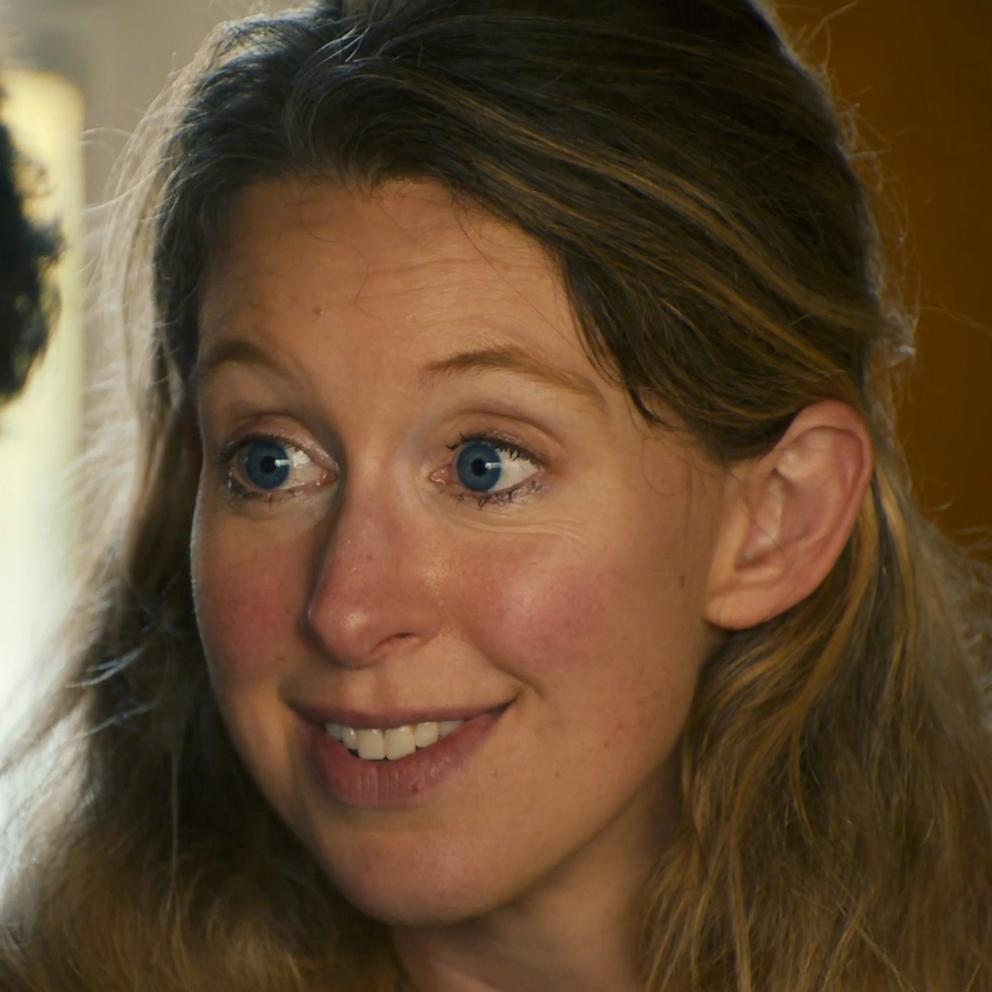
Britney Schmidt, who’s an Associate Professor at Cornell University and lead author of one of the studies told ABC News that the initial data that was collected changes scientists' understanding baseline conditions of what is happening with the glacier.
"Now we know that this collapse has happened under less melting than we thought and it means it can be easier to collapse," she said.
Scientists undertook observations of the grounding line, where the ice first meets the ocean, beneath the Thwaites Eastern Ice Shelf to understand how the ice and ocean interact.
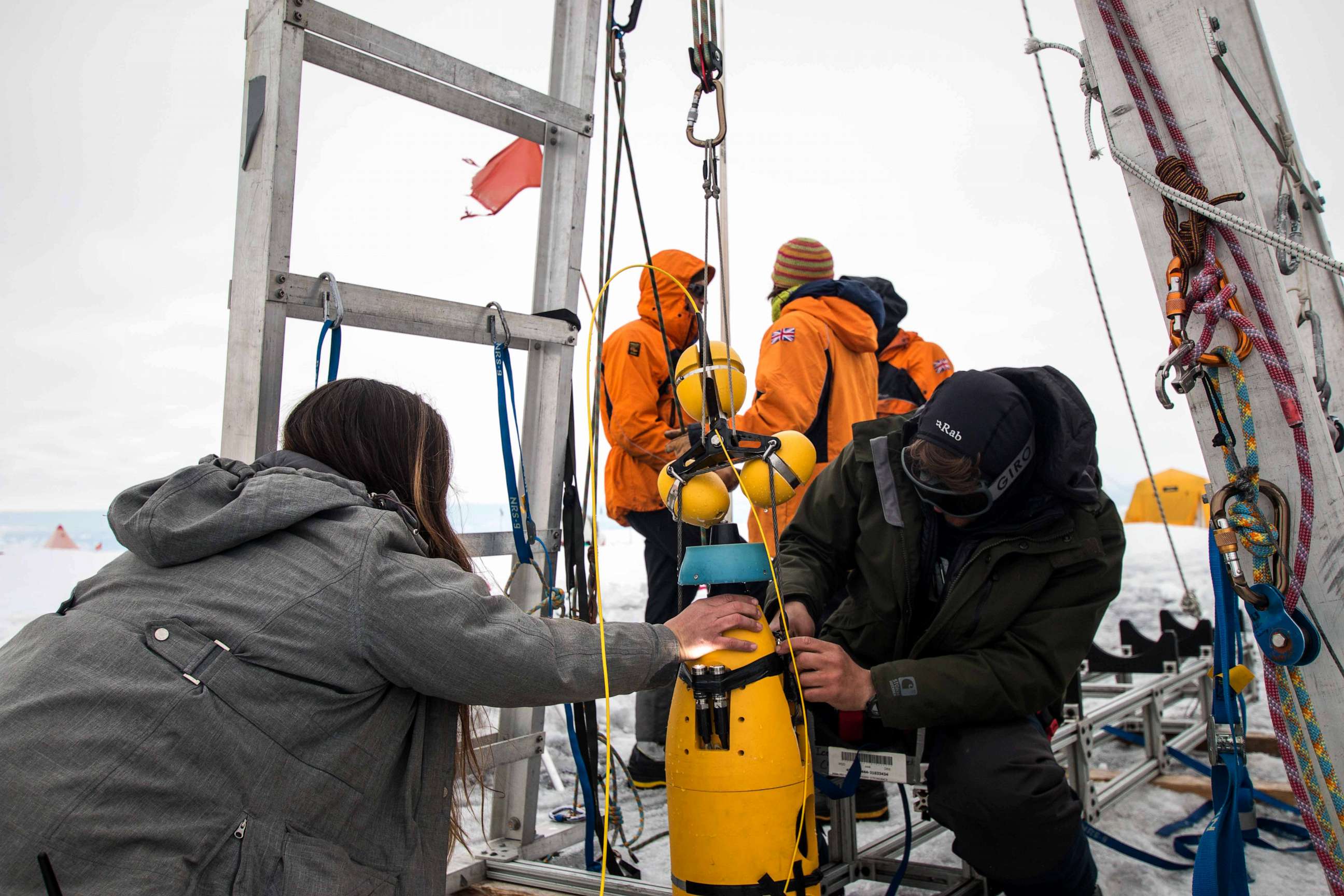
Peter Davis, an oceanographer with the British Antarctic Survey who was the lead author on one of the studies, took ocean measurements through a 600-meter deep borehole around two kilometers from the grounding line, created by a hot water drill in late 2019. These measurements were compared with melt rate observations taken at five other sites underneath the ice shelf.
Over nine months, the ocean near the grounding line became warmer and saltier but the melt rate at the ice base averaged two to five meters per year, which were less than previously modeled, researchers said.
Davis said in a statement that the results were surprising but still not good news for the state of the glacier.
"If an ice shelf and a glacier are in balance, the ice coming off the continent will match the amount of ice being lost through melting and iceberg calving. What we have found is that despite small amounts of melting there is still rapid glacier retreat, so it seems that it doesn’t take a lot to push the glacier out of balance," he said in a statement.

Schmidt's team of researchers used a robot called Icefin to go underwater and into the glacier through a 600-meter deep borehole created in 2019 by a research drill. The robot was able to get photos, video and other data from both the ocean floor and the underside of the glacier as it moved, according to the researchers.
"We never had this data before so we had our best guess," Schmidt said. "We now have the measurements we need to fine-tune our models."
Schmidt said researchers will continue to take data from the glacier and get a better sense of how bad the climate change damage will be.
"We need those details to inspire our response as people for the change we've signed up for," she said.