Inflation jumps to its highest level in three years
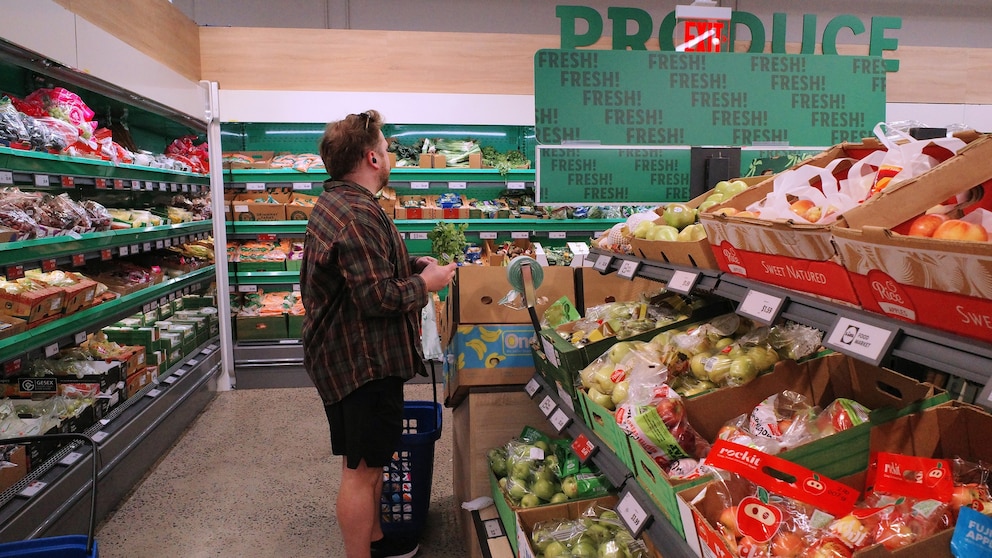
Inflation rose for a second consecutive month as the U.S.-Israeli war with Iran continued to send gasoline prices surging in April, government data on Tuesday showed. The inflation report matched economists' expectations.
Prices rose 3.8% in April compared to a year earlier, marking an increase from a year-over-year inflation rate of 3.3% in the prior month. Annual inflation jumped to its highest level in three years, U.S. Bureau of Labor Statistics (BLS) data showed.
"I don't think about Americans' financial situation," President Donald Trump told reporters Tuesday as he was departing for a high-stakes trip to China, when asked to what extent Americans' financial situations were motivating him to make a deal with Iran.
"The most important thing, by far, is Iran cannot have a nuclear weapon," the president further said, adding, "Every American understands."
As recently as February, inflation stood at 2.4%, clocking in just a tick above the Federal Reserve’s target level of 2%.
The jump in prices last month owed in large part to a sharp rise in costs for products impacted by a global oil shock. Gasoline prices were 5% higher in April than March, the BLS report said. Airline fares climbed 2.8% from the previous month.
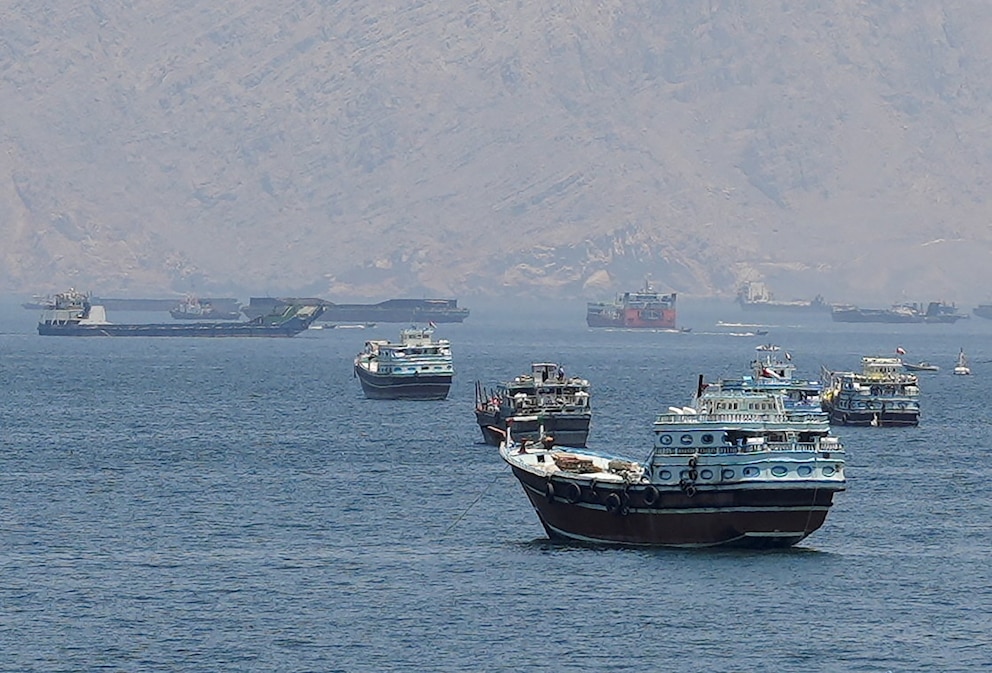
The Middle East conflict prompted the Iranian closure of the Strait of Hormuz, a maritime trading route that facilitates the transport of about one-fifth of global oil supply. The standoff prompted one of the largest oil shocks ever recorded.
The U.S. is a net exporter of petroleum, meaning the country produces more oil than it consumes. But since oil prices are set on a global market, U.S. prices move in response to swings in worldwide supply and demand.
Crude oil is the main ingredient in auto fuel, accounting for more than half of the price paid at the pump, according to the federal U.S. Energy Information Administration.
The price of an average gallon of gas stood at $4.50 as of Monday, AAA data showed – an increase of $1.52 per gallon since the war began on Feb. 28. That amounts to a roughly 50% price jump in about two-and-a-half months.
The surge in fuel prices sent costs surging for gas-dependent transportation, such as airline tickets. In March, airfare costs jumped more than 3% from a month earlier.
Within weeks, the jump in prices could spread to groceries, furniture and just about any other item delivered by diesel-fueled trucks and tankers, some analysts previously told ABC News.
The recent rise in prices has left many consumers feeling glum. In May, consumer sentiment fell to the lowest level ever recorded, according to a monthly survey conducted by the University of Michigan since 1978.
Consumer spending, which accounts for about two-thirds of U.S. economic activity, could weaken if shoppers remain pessimistic. In theory, a slowdown of spending could slow the economy.
By some measures, however, the U.S. economy has proven resilient amid the war.
Hiring slowed in April but remained solid, exceeding economists’ expectations, federal government data last week showed. The unemployment rate held steady at 4.3% in April, a low level by historic standards. Additionally, the economy grew at an annualized rate of 2% in the first quarter of 2026, marking an acceleration from 0.5% growth recorded in the previous quarter.
However, a persistent increase in consumer prices may put pressure on the Fed to raise interest rates as a means of dialing back inflation.
The Fed has opted to hold interest rates steady at three consecutive meetings since the outset of 2026. Before that, the Fed cut interest rates a quarter-point three straight times.
If the Fed moved to raise interest rates, it would hike borrowing costs for many consumer and business loans, risking an economic slowdown.
Markets forecast a roughly 70% chance of interest rates holding steady for the remainder of this year, according to the CME FedWatch Tool.
ABC News' Karen Travers, Emily Chang and Fritz Farrow contributed to this report.