A look inside the 1st HBCU police academy
In the U.S., 71.5% of police officers are white, but a historically Black college in Missouri is helping change that.
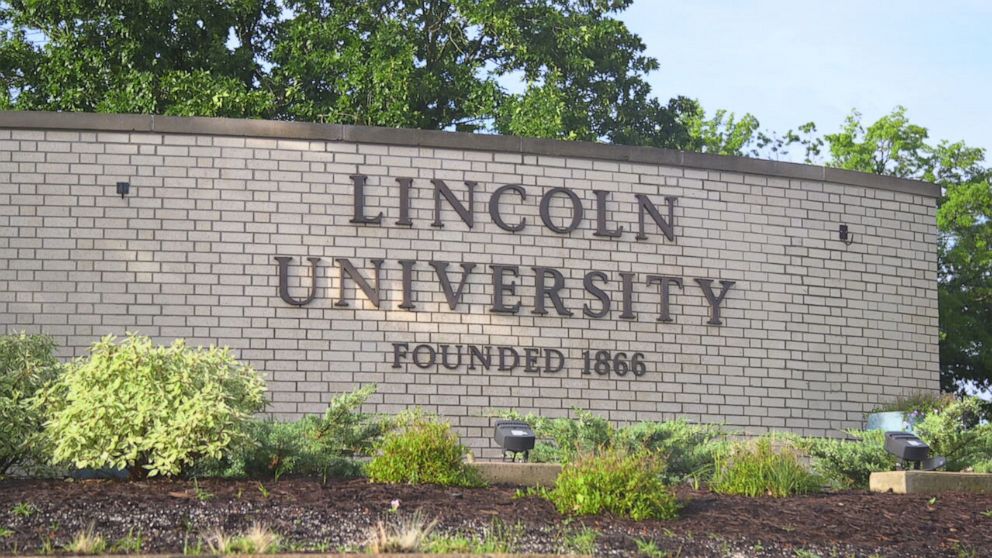
Lincoln University, in Jefferson City, created the first police academy at a HBCU.
In their bid to have law enforcement better reflect America, the university started the policing program in January 2021, graduating its first set of recruits six months later, in June. The class was made up of two Black women, four Black men and three white men.
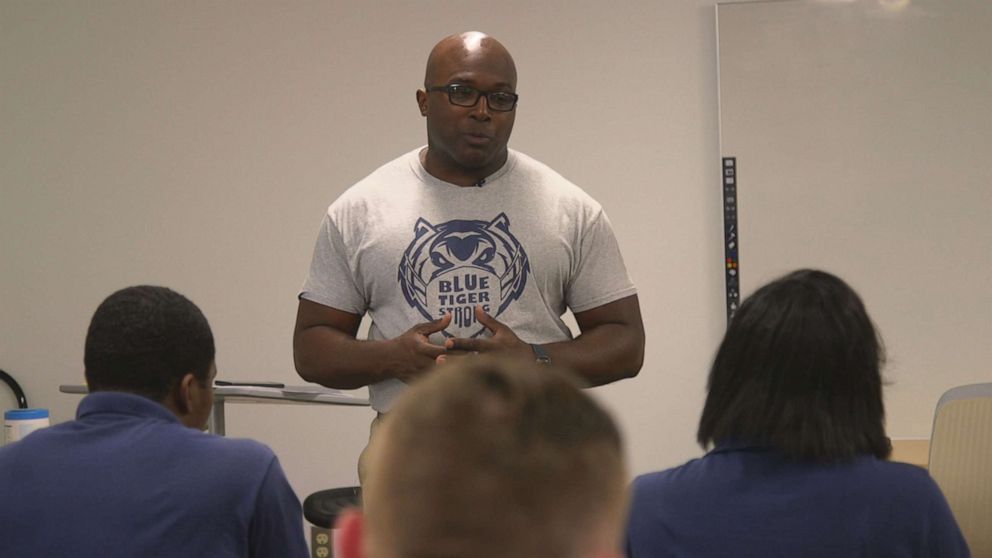
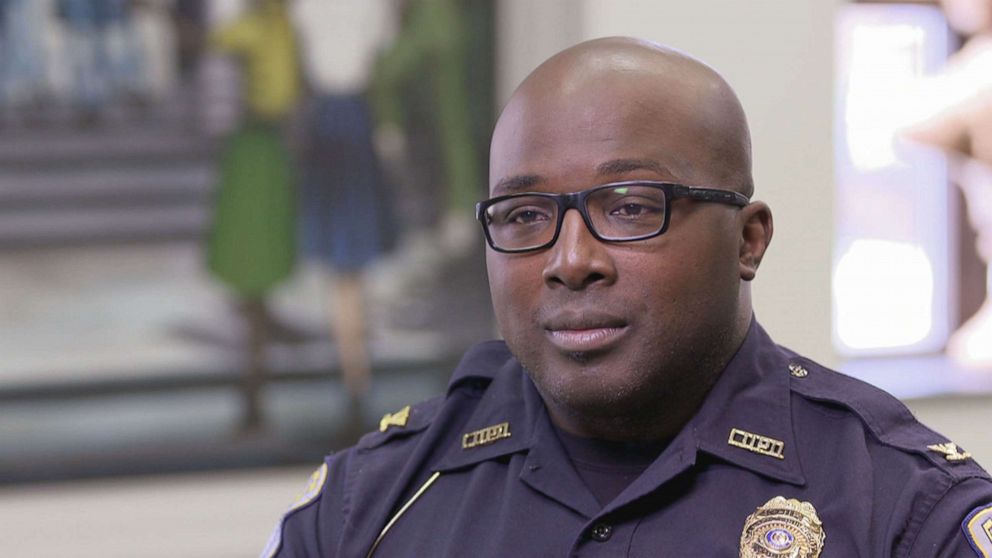
"Law enforcement agencies across the nation have been pulling their hair out trying to figure out a way to recruit more minorities. And this has never been tried," Chief Gary Hill, the co-founder and principal instructor of the program, told Nightline. "I would love to see where we can go from here."
The majority of Lincoln's first class are college students. All nine recruits spent 32 hours a week at the academy, from classroom studies, to firearm training, to physical conditioning courses.
For those still in college, that comes on top of their undergrad workload.
Chief Hill hopes the success of this academy will change the fate of policing -- and inspire other HBCUs to follow suit.
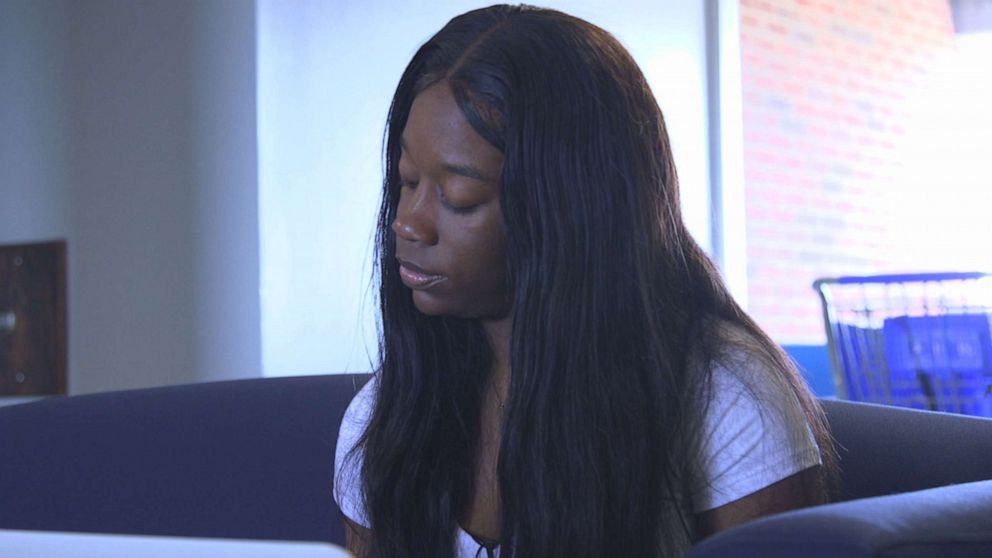
College sophomore Ti Aja Fairlee, now 21, is the youngest in the class and tells Nightline that growing up, she never saw herself represented among the ranks in law enforcement.
She’s likely far from alone. Black women are among the most underrepresented groups in police departments, making up just 2.7% of the force nationally, according to the Bureau of Justice Statistics.
"I am kind of proud of myself actually that I can be the face and the voice for girls like me," Fairlee said. "Yes, you can do this. Don’t let the race thing stop you from anything. The race thing already pushed us back enough. We've just got to push forward and do what we want to do, like, don’t let nobody stop us.”
But Fairlee says there's a lot of pressure in being one of few.
"That's where a lot of my doubts came from, because I'm like: "Can I be a good police officer? I don't know nobody to look up to,'" she said. "I've got to be my own role model, really."
Tyrese Davis, 22, says in Baltimore, Maryland, where he was raised, the messaging was clear: Don’t become a cop if you’re Black or a person of color.
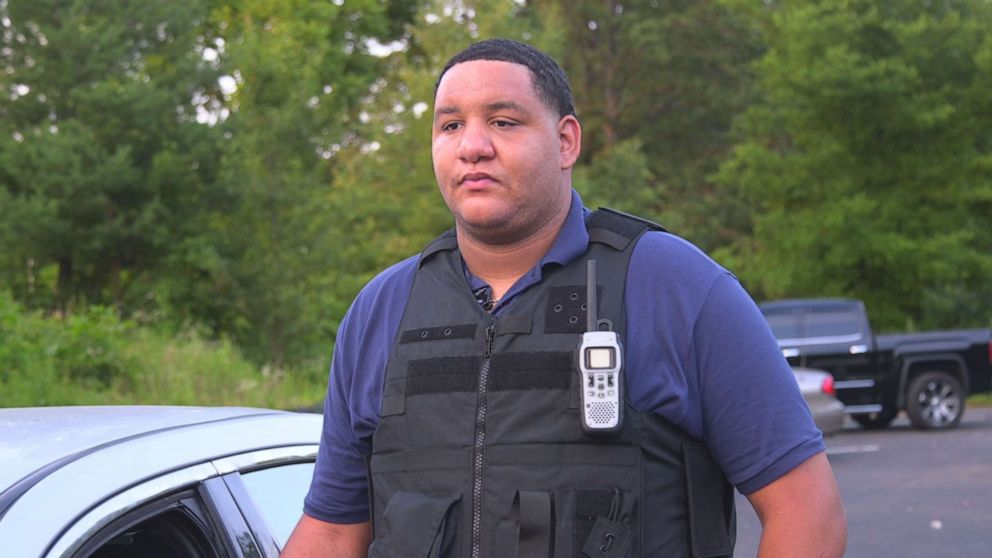
"The bad officers and what they do really can affect what I can do 'cause now I've got to push harder," Davis said. "Everybody looking at me sideways [for becoming an officer], because of the wrongful stops and wrongful killings -- a lot of the killings that officers do could have been prevented if you just deescalate the situation."
He’s the first in his family to go to college, paying for it and the police academy himself by working the night shift at a local book factory.
Investing in recruits like Fairlee and Davis is central to Hill's mission.
"What you all have to do is be the change that you want to see," Hill told his students. "You have to be.”
Hill, a 26-year veteran of law enforcement, also heads up Lincoln University's police department, overseeing 22 officers, while still taking time to patrol the campus himself.
Close to his heart is the belief that higher education in police leadership makes for competent and diverse leaders. Hill holds a master’s in administration of criminal justice agencies, and is currently in his second year toward a doctorate in criminal justice with an emphasis on homeland security.
“I'm able to see things from different perspectives because of my education. And so a lot of us chiefs and sheriffs, and other administrators, see the value in that,” he said.
He said he's inspired by the African American Civil War soldiers who pooled their money to help create HBCUs in the 1800s to open the doors of higher education and opportunity to the African American youth.
"I look back and I say, 'You know, if they could do it back in 1866, we can do it now.' Lincoln University is probably one of the most diverse schools in the country. Our population is half Black and half white. And what better place to have an academy or to start one, but here?"
All recruits from the inaugural class have graduated from the program, and eight of them now work in law enforcement.
"We must use our power for good. At all times. Even when it’s hard. Your integrity is at stake," Hill told his students. "Be helpful to your communities no matter what your community’s circumstance is, no matter where you land a job as a police officer, no matter what that community looks like."
Since the graduation of the police academy’s first class, a second class has graduated, and a third is currently in session. The University’s police academy has also broadened its reach, opening a second training site in St. Louis, Missouri, with 25 recruits currently enrolled.
"I will measure success in three years to see how many of those recruits are still in law enforcement, and the things that they've experienced, and how they feel about law enforcement after those three years," Hill said, adding that "failure in this program would be any of my officers that tarnish the badge, that lose their integrity when they didn't have to. Nothing is ever worth losing your integrity."