Army to explode 5 tons of toxic bomb-making materials Wednesday at Iowa plant following delays
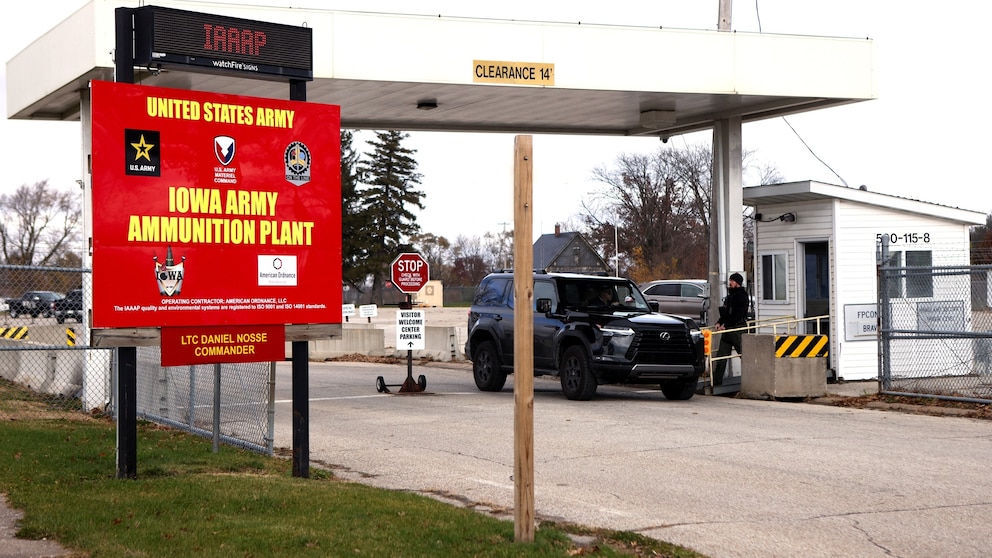
Nearly five tons of lead azide are set to be intentionally detonated at an Army ammunition plant in Iowa on Wednesday, nearly a week after the military delayed the operation amid public outcry over the blast.
The controversial plan raised concerns from the public, environmental organizations and medical groups over the potential impacts of the blast's anticipated lead dust plume.
The controlled detonation of 68 barrels containing lead azide is set to occur at approximately 9 a.m. CT on Wednesday at the Iowa Army Ammunition Plant in Middletown, according to the Army.
It comes eight months after the Army said it discovered that the explosive bomb-making material had become unstable. Due to the risks of an accidental, uncontrolled detonation in packing and moving the stockpile, the Army said it determined that the safest way to dispose of the degraded lead azide was to destroy it in place.
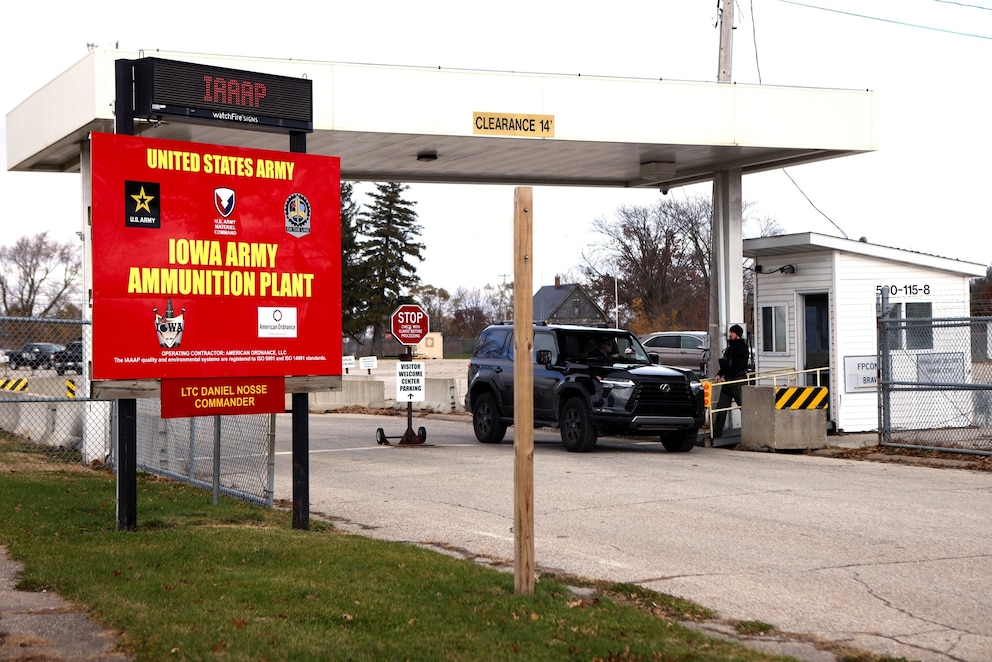
Maj. Gen. Eric Shirley, commanding general of the U.S. Army Sustainment Command, said that months of research determined there was no other way to safely get rid of the barrels.
"Inaction is no longer an option," Shirley said during a press conference on Tuesday.
The Army worked with experts to mitigate the effects of detonating nearly 9,700 pounds of the toxic and volatile substance, including using a waterwall, foam barriers and gel blocks to contain the explosion, according to acting Army Secretary Adam Telle.
Though mitigation efforts will be in place, a public advisory released by the Army on Tuesday recommended that Middletown residents and those in surrounding areas evacuate their homes ahead of the blast "out of an abundance of caution." Those who evacuate will be updated by phone once the all-clear has been given, the advisory said.

The Environmental Protection Agency will be monitoring levels of lead, a neurotoxin, in the area "for as long as it takes that we have the comfort that the levels are back to safe levels," Tom Croci, the associate administrator for national security and operations coordination at the EPA, told reporters Tuesday.
Lead azide is the primary explosive used to detonate munitions, such as grenades and artillery shells.
The planned detonation of the degraded stockpile was originally scheduled for Friday, but the Army postponed it twice amid public concerns and a legal challenge.
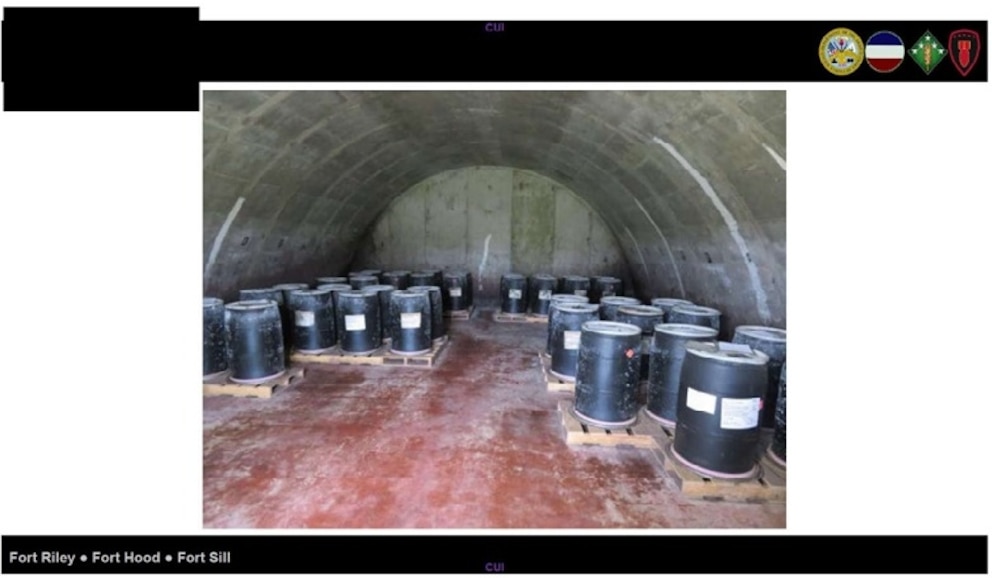
The Iowa Environmental Council and Sierra Club Iowa Chapter filed an emergency motion on Thursday arguing that the detonation could spread lead dust across a large area, potentially reaching communities more than 100 miles from the plant.
In an order filed late Thursday night, the Eighth Circuit Court of Appeals granted an administrative stay of the permit while the federal appeals court considered the emergency request to formally halt the detonation.
President Donald Trump said Monday that he believes the "proper course is to get rid of this longterm problem," but left the decision to the appeals court and incoming Governor-elect, Rob Sand.
The federal appeals court ultimately denied the emergency motion and lifted the administrative stay, allowing the operation to proceed.
"We are mindful of the very real risks presented by the Army's planned detonation of the stores of degraded lead azide. However, we must acknowledge the realities of the situation: the degraded explosives present a risk of an uncontrolled and unplanned explosion, which would occur without the benefit of the safety measures that the Permit puts in place," the opinion stated.
The two environmental groups said they would not attempt to further block the detonation following Monday's decision, but pushed the federal government to remain transparent about the operation with the public.
Sand, a Democrat, deferred to the Trump administration on moving forward with the federal operation while also calling for greater transparency.
"Everyday Iowans are entitled to know how Middletown came to this situation, and learn why the administration believes this is the best path forward," he said on social media Monday.
The Army said Wednesday morning will "allow for optimal weather conditions and all mitigation measures to be emplaced."
The Centers for Disease Control and Prevention activated an emergency response to assist with the Iowa detonation, the agency said Tuesday. The CDC said it is supporting Iowa's health department to help protect people from potential lead and air pollution exposure, as well as activating a team with expertise in toxicology, communication and public health emergency response.
Ahead of the detonation, Iowa Gov. Kim Reynolds issued a disaster emergency proclamation for several counties to activate the "disaster response and recovery aspects" of the detonation.
Illinois and Missouri were also bracing for potential impacts, though officials in both states said they expected them to be minimal.
Reynolds' office said Tuesday up to 100 federally activated Iowa National Guard soldiers would assist with evacuation efforts, including outreach to approximately 150 households identified by local and federal authorities.
Federal officials recommended that residents in the impacted area -- in particular pregnant women, children under the age of six and those with a chronic illness -- evacuate due to the potential lead exposure.
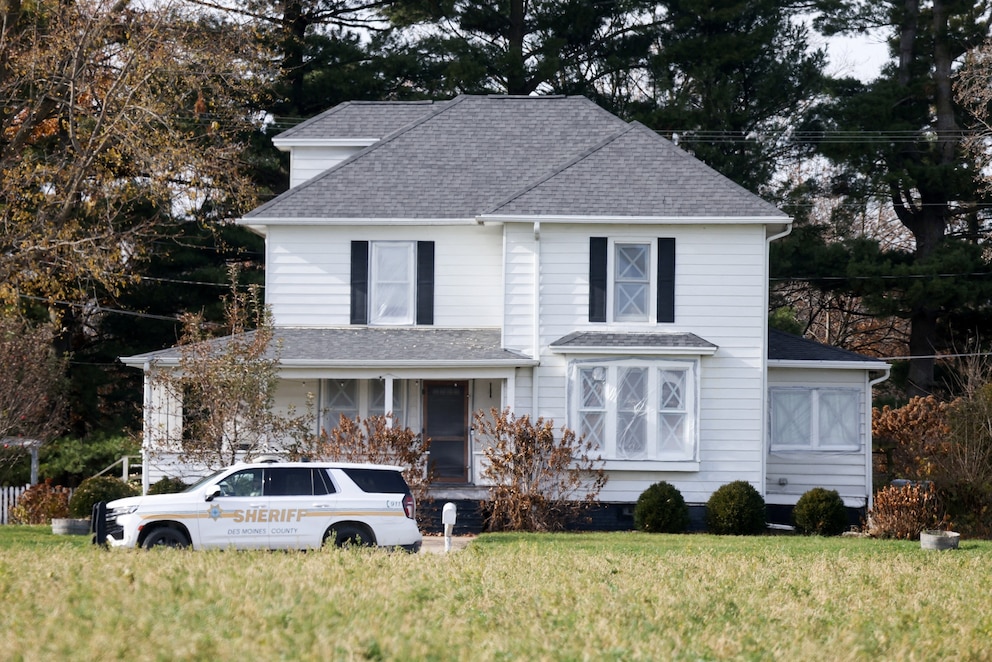
Some Middletown residents taped up their windows and garage doors to protect from the blast and dust plume and could be seen evacuating with their families ahead of the planned detonation.
Alec Patterson told ABC News ahead of the detonation that he and his pregnant wife were planning to leave.
"We just want to do everything we can to make sure that she's safe and the baby is safe," he said.
"It's terrifying," Patterson said, adding, "The lead dust stuff is the biggest concern, I think for everybody."
ABC News' Ivan Pereira and Mason Leib contributed to this report.