Potential health effects of Army's controlled detonation of nearly 5 tons of lead azide
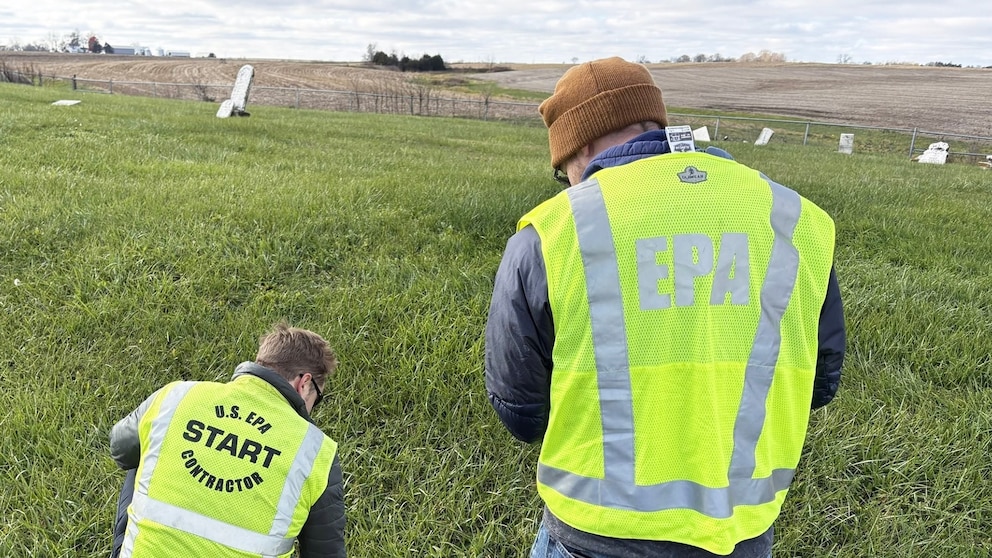
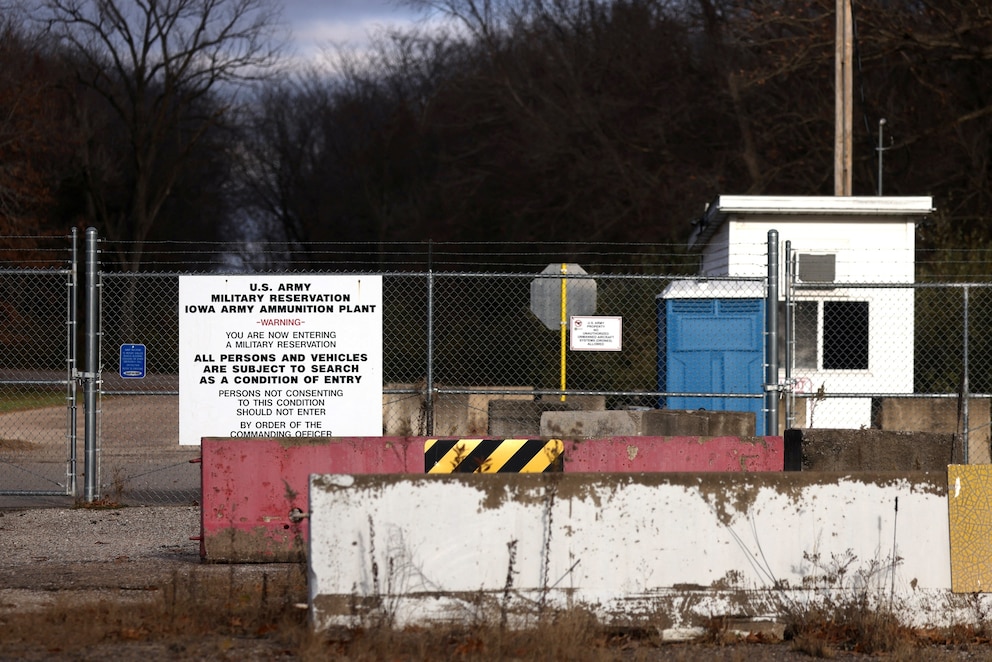
The U.S. Army is planning to perform a controlled detonation of explosive material at an ammunition plant in rural Iowa on Wednesday.
Last week, environmental groups filed lawsuits in an attempt to stop the controlled explosion, saying that detonating nearly five tons of lead azide could harm people and contaminate the environment.
The Army has insisted the stockpile is too unstable to be moved and that destroying it in place is the only responsible option.
"There's a humongous health threat already," ABC News medical correspondent Dr. Darien Sutton told ABC News Live on Monday. "When you think about lead, humans are exposed in two main ways: either through inhaling it or ingesting it. Now, with a detonation or explosion, the immediate effect is inhaling it."
On Tuesday, the Centers for Disease Control and Prevention said it is activating an emergency response to assist with the Iowa detonation, according to a post by the agency on X.
The agency is supporting Iowa's health department to help protect people from potential lead and air pollution exposure. They have also activated a team with expertise in toxicology, communication, and public health emergency response.
Residents should stay indoors or evacuate if in the evacuation zone until state health officials say the air is safe to return home, the CDC says. They should also close doors and windows and seal any potential gaps. Furnaces should be set to recirculate air, according to the agency.
Clothes that may have been exposed to lead should be washed and hands should also be washed before touching face or eating, the CDC said.
What is lead azide?
Lead azide is an explosive chemical compound of lead used mainly in detonators, according to the National Center for Biotechnology Information.
When heated, lead azide can release highly toxic fumes containing lead and nitrogen oxides.
Lead azide is unstable, according to the National Oceanic and Atmospheric Administration. It explodes at 350 degrees Celsius, but it may also explode if shocked, heated or subjected to friction when dry.
Although lead azide decomposes during detonation, the lead itself does not disappear. The Army says the resulting dust plume will contain some lead, and lead-containing particles and residue may remain in the surrounding environment.
What are the health risks of exposure?
Lead does not biodegrade and can persist in the environment for many years unless it is physically removed.
"Lead damages nearly every organ in the human body, the brain, the kidney, the liver, also the reproductive system," Sutton said. "What many may not realize is lead accumulates in the body."
Sutton explained that when lead is inhaled or ingested, it gets stored in vital organs and in the skeleton, replacing calcium and bone mineral.
"Years or decades later, it can leach back into the blood, causing harmful outcomes for people," Sutton said.
Sutton added that there is a potential secondary effect of lead contaminating surfaces and a possible long-term effect of lead landing on the ground or in water, which could affect food or drinking water.
How much is required to become a health risk?
It's unclear how much exposure to lead azide is required to be considered a health risk.
However, lead azide is a highly toxic and extremely sensitive explosive compound, and no amount of lead exposure is considered safe.
According to the Occupational Safety and Health Administration, airborne lead exposure of 30 micrograms per cubic meter averaged over eight hours triggers workplace safety requirements, while 50 micrograms per cubic meter is the maximum permissible occupational exposure limit.
These limits apply to the lead component, not specifically to lead azide, and do not guarantee safety below those concentrations.
"When you find out that someone has an elevated level of lead ... the only real treatment is to avoid exposure or continued exposure," Sutton said. "There's no easy way to extract that lead from the human body, and so that dangerous effect could have long-term effects after that initial exposure."
On Tuesday, federal officials recommended that local residents, especially children and pregnant women, evacuate. Residents are advised to remain relocated until Friday at the earliest.
"Evacuated individuals will be notified by phone once the all-clear is given and at that point may return home at their convenience," the Army said in an advisory posted Tuesday.
ABC News' Youri Benadjaoud, Ava Tsapatsaris and Eric M. Strauss contributed to this report.