What parents need to know as measles outbreaks spread across the US
More measles cases are being reported across the U.S., and eight people have died so far, including an infant in Wisconsin, the first measles-related death in the state since 1990, according to health officials.
The Centers for Disease Control and Prevention says there have been nearly 5,200 measles cases across 45 states and Washington, D.C., so far this year, as more have decided to opt out of vaccination.
"I'm extremely concerned, and the reason for that is there's no indication that these outbreaks will be slowing down at this point," Dr. Andrew Handel, a pediatric infectious diseases physician at Stony Brook Children's Hospital in Stony Brook, New York, told ABC News.
As the measles virus continues to spread, here's what parents should know about the disease.
What is measles?
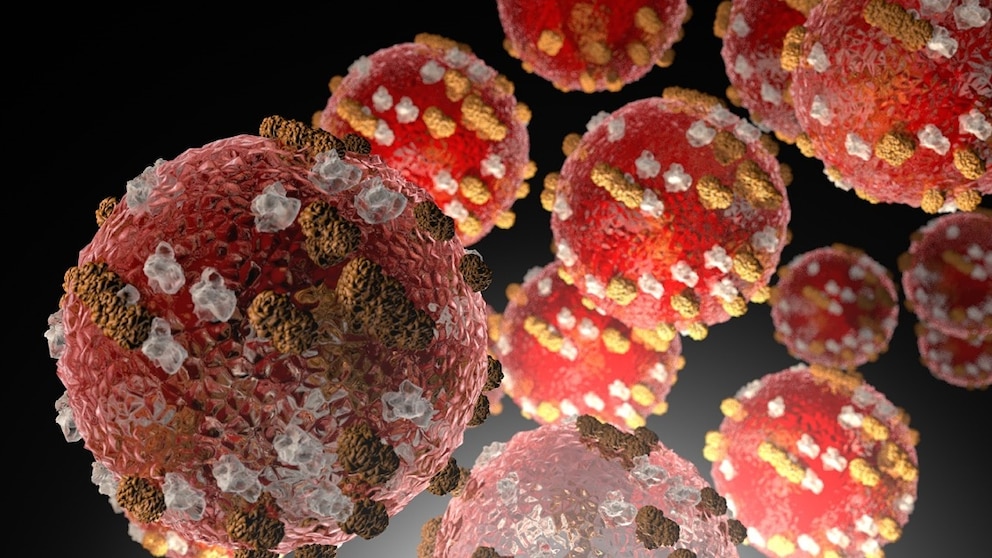
Measles is a highly contagious virus that can cause acute respiratory illness, according to the CDC. It is more contagious that other respiratory viruses, such as the common cold, the flu or COVID.
"It is the most contagious infection that we know of," Handel said. "The estimate is that for every person who has measles, they can infect up to 18 people who are unvaccinated with it."
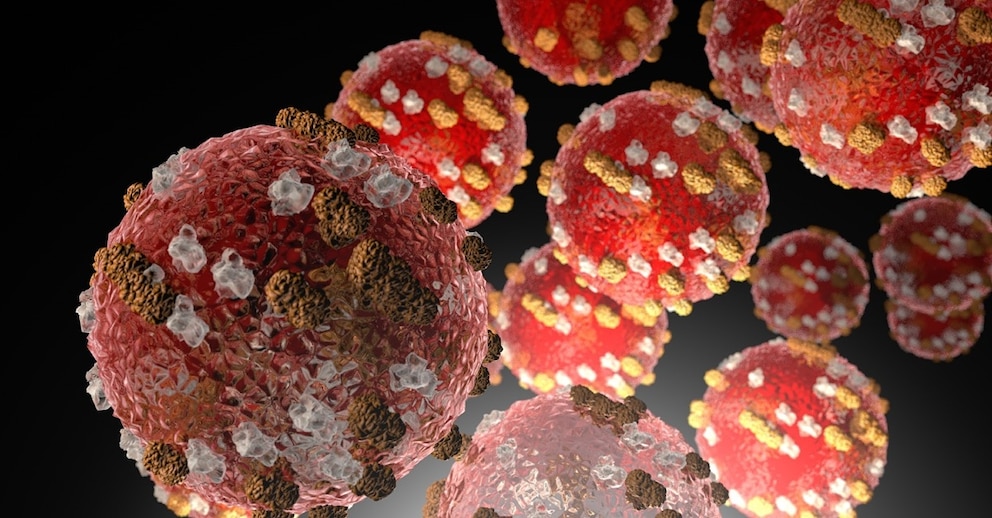
Measles is spread through the air when someone infected with the virus exhales or coughs. People can also become infected after breathing in contaminated air or by touching an infected surface and then touching their eyes, noses or mouths, the CDC states.
"For measles, it spreads through airborne means, which means that once [an infected person breathes] it out, it actually stays circulating in the air for up to two hours after they leave that room," Handel explained. "If someone goes to their doctor to be checked for measles, and they don't recognize that they have measles, and then they walk out of the room, someone who comes in an hour and a half later can become infected with measles."
What are the symptoms of measles?
The CDC notes that measles can initially look like other respiratory infections, with symptoms including a cough, runny nose, conjunctivitis (red, watery eyes), or a high fever, which can increase to more than 104 degrees Fahrenheit.
The most recognizable symptom of measles is a rash that typically starts at the head and moves down the body.
"People break out into the rash, which starts as red, dark circles that usually start right at the hairline and work their way down the body," Handel said. "As it works its way down, you see the red circles, the red dots further down. But the place where it started -- so, on the face -- the redness will start to come together, so it'll look like a sheet of redness, and it, again, starts from the head and works its way down, which is very particular."
"We also see something called Koplik spots, which are usually whitish, bluish dots that can appear on the inside of the cheek," Handel added. "Those tend to come up a couple days before the rash, so it can help us to make the diagnosis a bit earlier."
Measles symptoms typically begin seven to 14 days after initial contact with the virus, according to the CDC.
What are the complications of measles?
A common misconception about measles, as the CDC notes, is that infection with the virus isn't severe.
The CDC and Handel both stress that measles infections can give rise to serious complications, from short-term issues like diarrhea and ear infections, to serious to life-threatening long-term problems and death.
"Many children, many people can go on and have complications ... that can include severe pneumonias, dehydration, and also acute brain infections, where suddenly, you can have seizures," Handel said.
He continued, "You can have changes in behavior. You can develop meningitis where there's neck pain and headache because the measles infection [has] infiltrated into the spinal fluid. There are some children who, especially if they're infected before they turn 1 year old, in particular, can develop a neurologic progressive disease [called subacute sclerosing panencephalitis, or SSPE,] that ultimately results in death up to 10 years later. And so, there are some really scary outcomes from it."
How can measles be prevented?
According to the CDC, the best way to protect against measles is with the measles, mumps, and rubella vaccine, or MMR, which can be administered to children starting at 12 months old. Children who receive a first dose of the MMR vaccine then need to get a second dose when they are between 4 and 6 years old.
"The only way to prevent infections when there is an ongoing national outbreak at levels that we haven't seen in decades is to get the MMR vaccine," Handel said. "It is safe, it is effective, and it's the best thing we can do again to stop this outbreak and get the country back to the rates of measles infections that we'd previously seen."
Not everyone may be able to get an MMR vaccine, such as children with cancer, those who are pregnant, and people who have compromised immune systems, so it is important to discuss your children's and family's eligibility and concerns with a medical provider.