Irish leaders react after Trump says he'd 'love' to see a unified Ireland
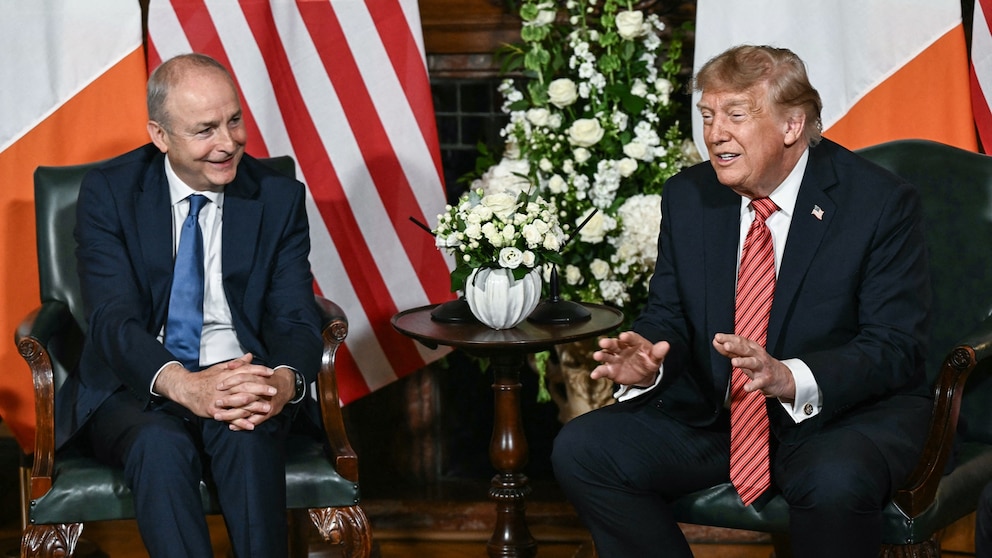
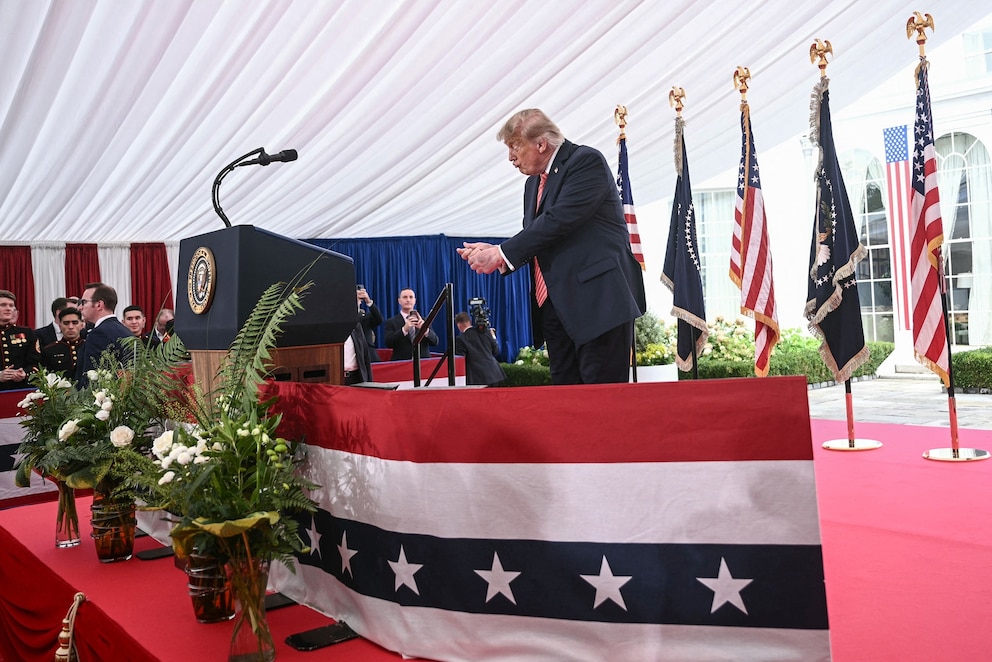
DUBLIN -- President Donald Trump sparked the ire of some leaders in Northern Ireland shortly after his arrival in Dublin Saturday when he expressed an interest in seeing the end of a divided Ireland.
Trump first met with Irish President Catherine Connolly, who has been openly critical of the U.S. president in the past, for a closed-door meeting and then later met with Irish Taoiseach Micheál Martin.
During a news conference following his meeting with Martin, Trump said he would "love to see" the Irish Republic and Northern Ireland unified, calling a potential move "fantastic."
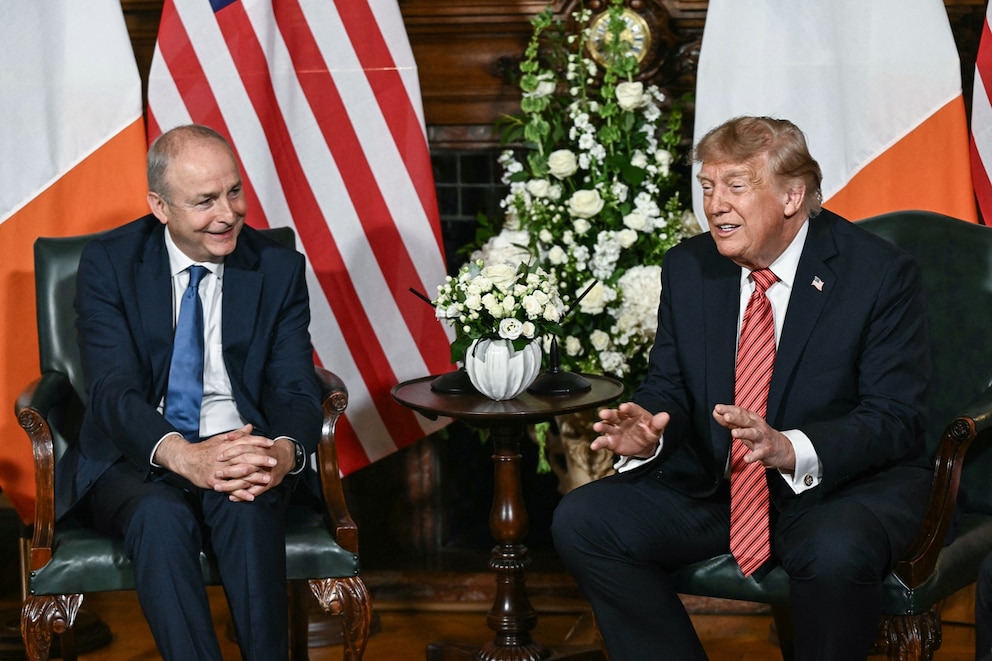
"I think it would be a great feather in everybody's cap if that happened. You know what? The way I look at it, it's going to happen eventually. It may as well happen now," he told reporters.
The partition between Northern Ireland, which at the time was predominantly home to Protestants and under United Kingdom rule for centuries, and the remainder of the largely Catholic Irish Republic took place in 1921 after centuries of conflicts between the British and Irish.
Those disputes continued and escalated in the late 1960s during the period that was known as "The Troubles."
The Troubles ended in 1998 following the approval with the Good Friday Agreement that enacted constitutional changes and disarming of paramilitary groups.
As part of the agreement, Northern Ireland would remain part of the U.K. until a majority of Northern Ireland's citizens approved for unification in a referendum.
Trump's comments about unification were met with opposition by many Irish leaders.
Democratic Unionist Party leader Gavin Robinson said in an X post Saturday that Trump "knows better than most that elections matter."
"Northern Ireland's constitutional future will be decided by the people of Northern Ireland, not by commentary in London, Dublin or Washington," Robinson said. "Northern Ireland is part of the United Kingdom because that is the settled democratic will of its people."
Ulster Unionist Party leader Jon Burrows shared a similar sentiment.
"Northern Ireland not a pawn in Trump's fall out with the UK. Our constitutional future does not depend on him or any other foreign dignitary," he said in an X post Saturday.
U.K. Prime Minister Andy Burnham said earlier this year that a unity vote was "off the table."
A spokesperson for the prime minister said in a statement Saturday that Burnham's position is unchanged and he will "stick to the Good Friday Agreement 100%."
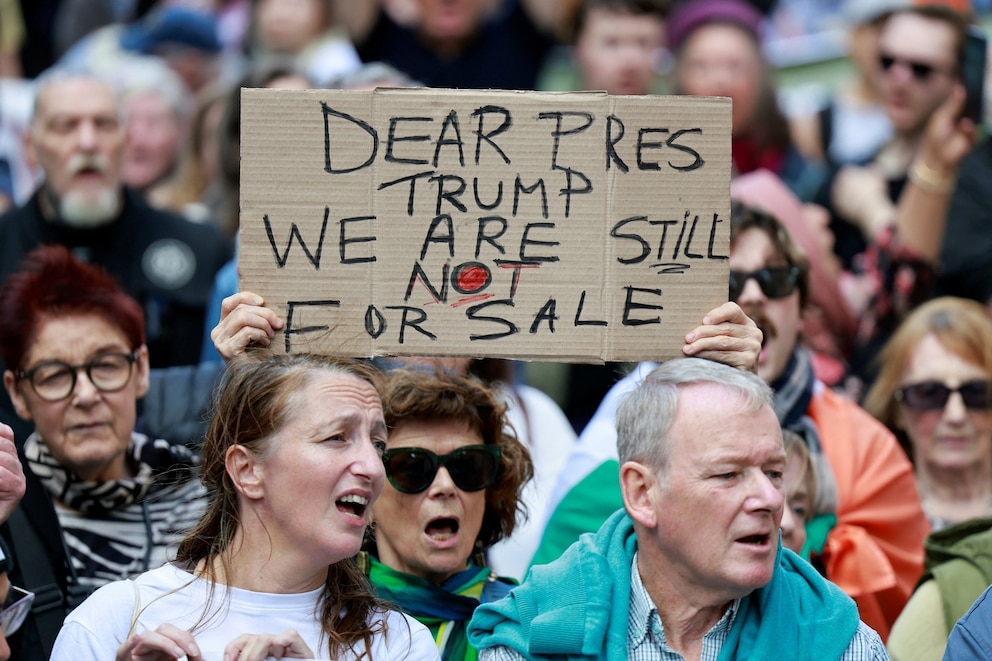
Protesters hit the streets of Dublin demonstrating against Trump during his two-day visit where he attended a golf tournament at one of his resorts.
Trump acknowledged the controversy of his unification remarks during an event at the U.S. Embassy in Ireland later in the day but stuck to his comments.
"I gave a nice answer, I think. We'll worry about it tomorrow," he told the crowd of embassy personnel and business leaders.
-ABC News' Colm O'Molloy contributed to this report.