Irish teen invents method to remove microplastics from ocean, wins $50K Google Science Fair prize
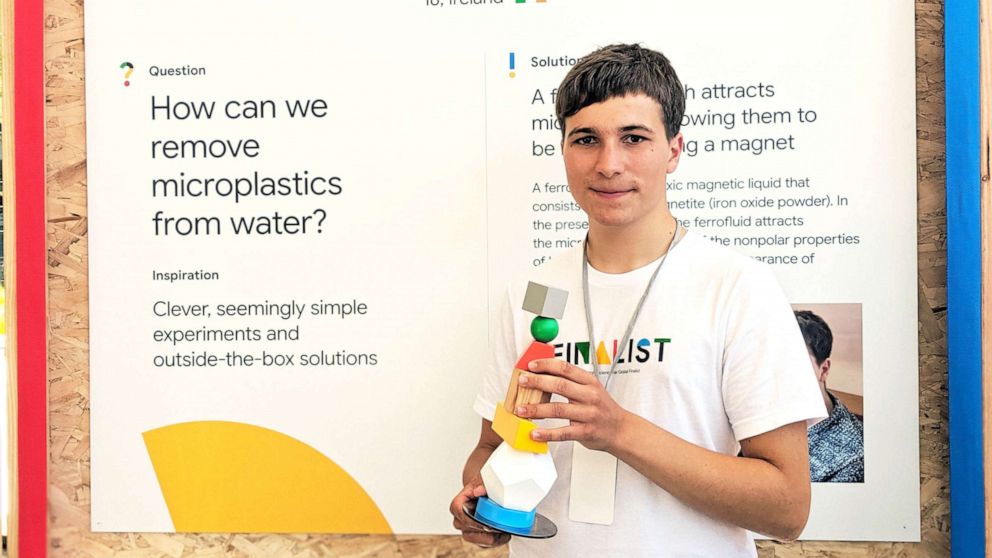
A teen from Ireland may have found the solution to rid world's oceans from the microplastics that are near impossible to remove.
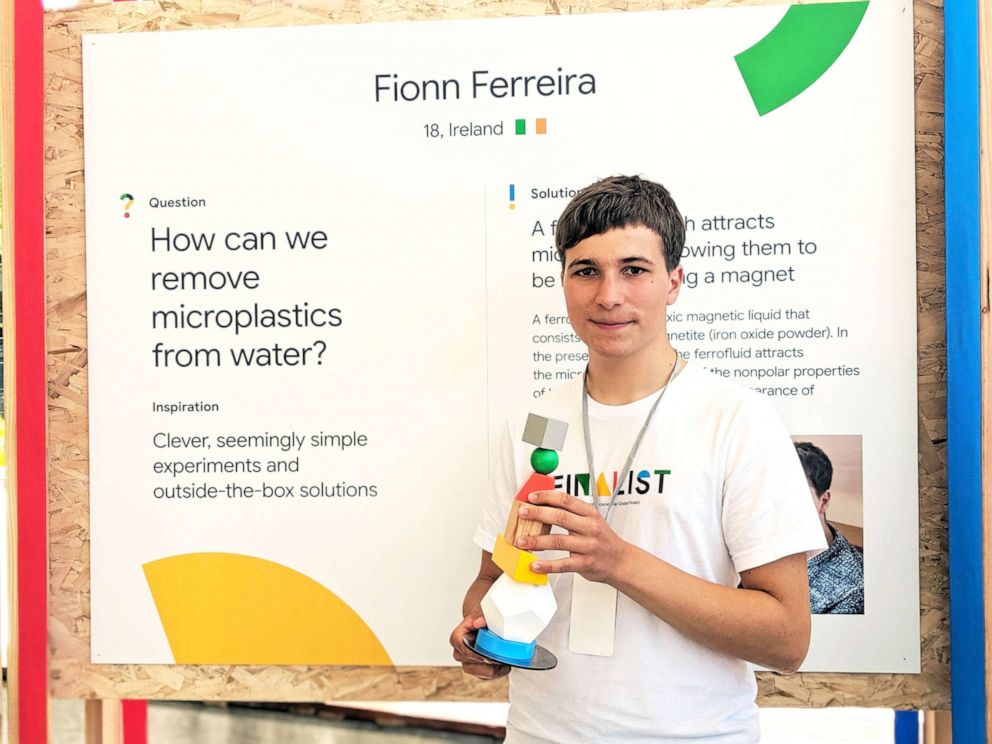
Fionn Ferreira, 18, designed a new method for the extraction of microplastics, or particles of plastic less than 5 millimeters in diameter, as part of the Google Science Fair, an online competition open to students between the ages of 13 and 18.
The procedure, inspired by an article written by physicist Arden Warner, involves using non-toxic iron oxide to clean up oil spills, according to Ferreira's project study. When he tested the method on water containing a known concentration of microplastics, the plastic particles migrated into the oil phase, and the fluid was able to be removed using strong magnets, he wrote in his project synopsis.
He first produced microplastics to remove from the water and then extracted them using his method. Ten of the most common microplastics were used for the experiment.
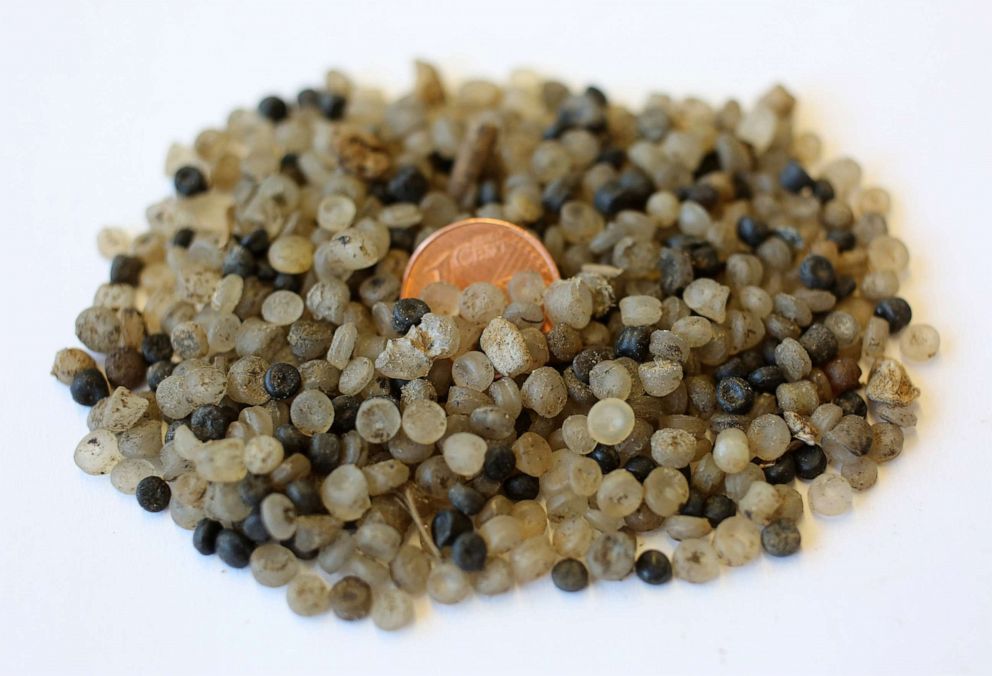
Ferreira concluded that his extraction method would remove 85% to 92% of microplastics in samples. The next step would be to scale the project up to an industrial level, he said.
"From this I can conclude that using magnetite with a minimum of oil forms a viable method for the extraction of microplastics," he wrote.
Ferreira won the science fair's grand prize -- a $50,000 scholarship fund -- for his project.
"I am so proud to have been named the winner of the 2018-2019 Google Science Fair," he wrote, adding that the experience allowed him to meet several scientists and engineers associated with Google.
Ferreira was inspired to launch the project after growing up near the shore in West Cork, Ireland, where he became "increasingly aware of plastic pollution of the oceans," he said.
"I was alarmed to find out how many microplastics enter our [wastewater] system and consequently the oceans," he wrote. "This inspired me to try and find out a way to try and remove microplastics from water before they even reached the sea."
Because he lives in such a remote area, he had to build his own equipment and lab to conduct tests and experiments, he said. On his website, Ferreria describes himself as not only a scientist but a musician, gardener, educator, entrepreneur and innovator.
Scientists have found microplastics in the furthest reaches of the ocean, from the deepest waters of the Mariana Trench to the Arctic and Antarctic, and the entire marine ecosystem is contaminated, researchers say. Plastic typically ends up in oceans through rivers after it is washed down drains by rainwater or blown by wind into bodies of water that flow into rivers and ultimately into the ocean.
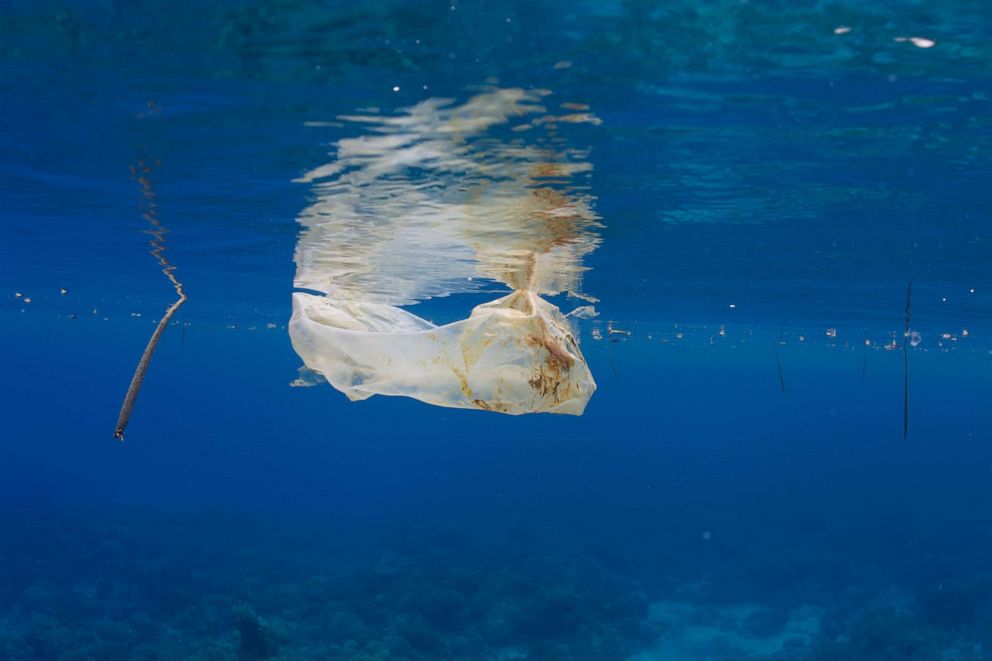
Since it is extremely difficult to remove plastic -- especially microplastics -- from open ocean water, experts have leaned toward prevention -- such as transforming industry standards, consumer habits and beach cleanups -- as the solution to mitigate the snowballing amount of plastic dumped into the ocean each.
Ferreria's method may provide environmentalists a way to clean wastewater of the tiniest particles of plastics that never break down and remain in the water indefinitely.
Ferreira said it is "essential to find efficient and effective ways of extracting microplastics from wastewaters" before they reach the oceans.
"There is no doubt that the most effective way to reduce microplastic pollution in oceans is to use less plastics and ensure that plastics used can be recycled and separated to prevent them from entering our wastewater, but the reality is that more and more of the products we use contain plastics and potentially degrade into microplastics before entering our wastewater," he said.