Why James Comey's indictment ventures into 'uncharted legal territory': Analysis
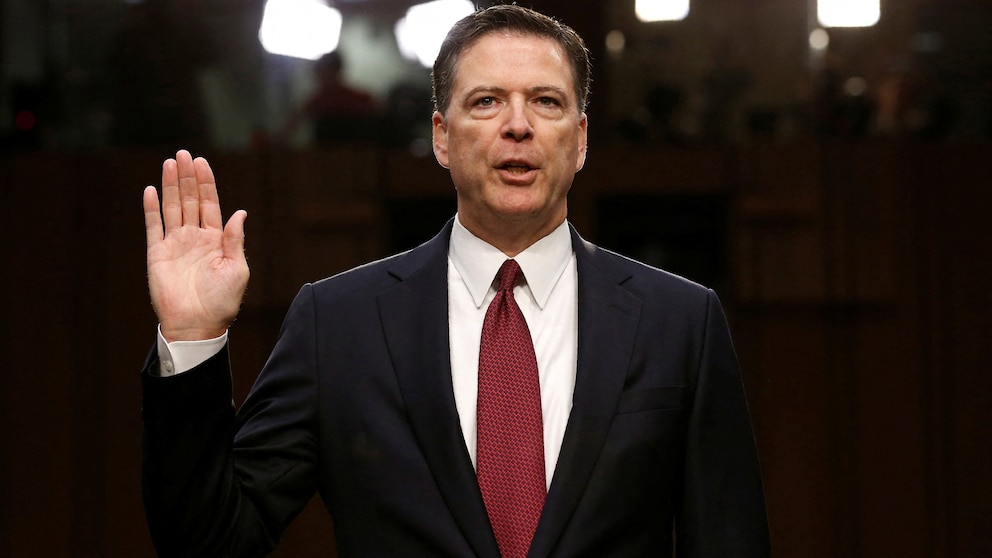
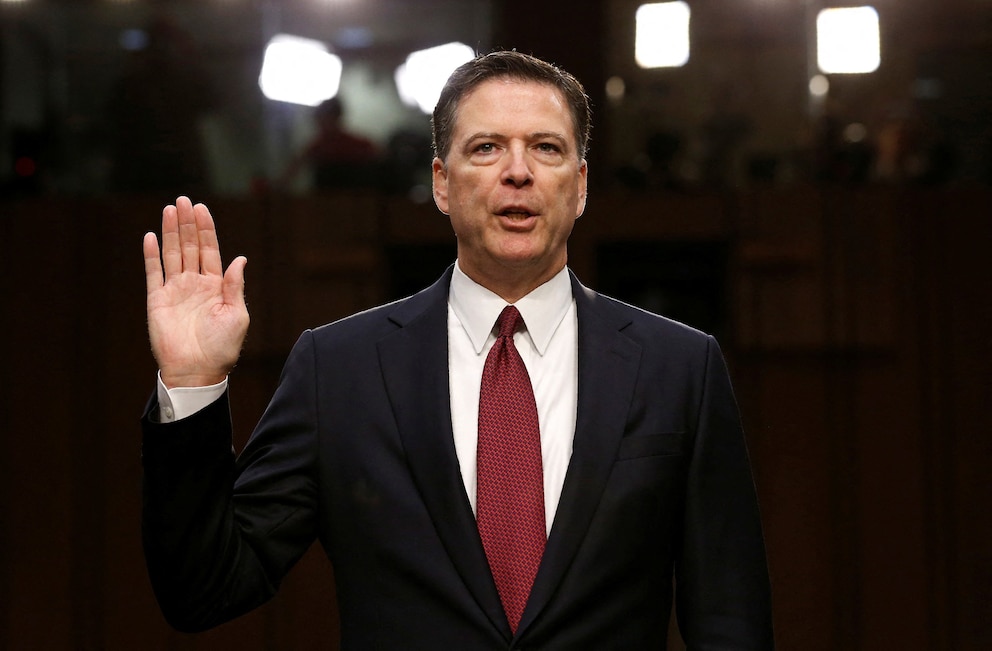
The most explosive development in Wednesday’s hearing emerged before any argument about presidential pressure to prosecute: U.S. Attorney Lindsey Halligan admitted that the full grand jury never saw the indictment now pending against former FBI Director James Comey.
Only the foreperson and one additional juror reviewed the final charging document. The rest of the grand jury — the body constitutionally responsible for issuing a felony indictment — never laid eyes on it.
Comey is seeking to have the indictment thrown out on the grounds that it's the product of a vindictive prosecution.
Separately, before a different judge, Comey and New York Attorney General Letitia have asked a judge to throw out their criminal indictments on the basis that the Trump-installed prosecutor who charged them, Halligan, was appointed unlawfully.
Lawyers for Comey and James, who has pleaded not guilty to mortgage fraud-related charges, argued that the cases against them are "fatally flawed" because the appointment of Halligan violates the Constitution's Appointments Clause, which governs the appointment of federal officials, including interim positions.
Charges against Comey were not reviewed by the full grand jury
That stunning concession directly corroborated Magistrate Judge William Fitzpatrick’s warning earlier this week that the case may rest on “uncharted legal territory.”
In addition to what Fitzpatrick described as "a disturbing pattern of profound investigative missteps that potentially undermine the integrity of the grand jury proceeding," the indictment returned in open court may not be the same one the grand jury actually deliberated on. The grand jury originally rejected one of the three counts Halligan sought. Yet Halligan returned a two-count indictment that the full panel did not review.
In any normal prosecution, this alone could be fatal. In a prosecution already clouded by allegations of political manipulation, it is devastating.
And it wasn’t the only revelation raising alarms about basic prosecutorial integrity.
The memo recommending against charging Comey
During questioning by Judge Michael Nachmanoff, Department of Justice attorney Tyler Lemons admitted that he had learned whether a declination memo had been prepared by career prosecutors recommending against charging Comey — but that he had been instructed by the office of Deputy Attorney General Todd Blanche not to disclose that answer to the court.
Nachmanoff asked the most straightforward question in federal criminal practice: “Was there a declination memo?” Lemons at first dodged the question but eventually conceded that he did know the answer — but was not permitted to say. The judge pressed: “You did not seek to find out whether there was a declination memo?” Only then did Lemons acknowledge that he had sought it out, had obtained the answer, and had been barred from revealing it.
For a DOJ attorney to stand in open court and say he cannot answer a judge’s direct question because political leadership told him not to is extraordinary — and, in this context, illustrative of precisely the politicization that the government denies.
Legal merit vs. presidential will
Against that backdrop, the defense argument came into sharp focus: this prosecution was initiated, shaped and sustained by presidential will, not legal merit.
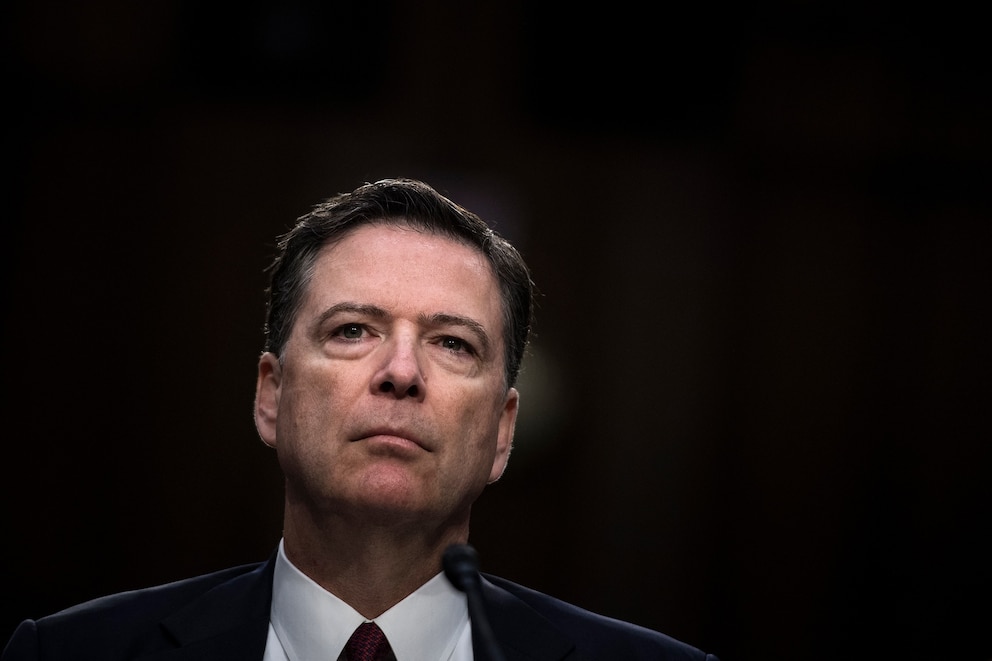
Comey’s team argued that “objective evidence establishes that President Trump directed the prosecution of Mr. Comey in retaliation for Mr. Comey’s public criticisms,” driven by Trump’s “genuine animus” and desire to punish a personal enemy. When career prosecutors refused, “the President publicly forced the interim U.S. Attorney to resign” and installed his former personal lawyer, Halligan — a prosecutor with zero prior prosecutorial experience — to carry out his directives.
Defense attorney Michael Dreeben pointed to Trump’s Sept. 20 command that DOJ “not delay any longer” in prosecuting Comey, calling it “effectively an admission” that this is a political prosecution, not an evidence-based one. Trump has “declared himself the top law enforcement officer” and “subbed himself for the U.S. attorney as the decision maker,” Dreeben argued.
Judge Nachmanoff put the implication bluntly: was Halligan merely “a puppet doing the president’s bidding?” Dreeben, choosing precision, declined the label but affirmed the substance: Halligan “took the job to carry out the president’s directives.”
Prosecutors insisted that Comey’s 2020 congressional testimony implicates “societal interests of the highest order” and that Trump’s years of social media attacks on Comey do not prove vindictive intent. But those arguments rang hollow in a hearing dominated by the two structural failures prosecutors could not explain away: a grand jury that never saw the operative indictment, and a DOJ attorney muzzled by political leadership from answering a judge’s question about career prosecutors’ conclusions.
Combined, they painted a vivid picture of a prosecution unmoored from regular order — one warped by presidential intervention, executed by a politically installed U.S. attorney, and now defended through silence where the truth would be too damaging.
In other words: not merely flawed, but fundamentally compromised.
James Sample is an ABC News legal contributor and a constitutional law professor at Hofstra University. The views expressed in this story do not necessarily reflect those of ABC News or The Walt Disney Company.