Judge denies Menendez brothers' petition for a new trial in latest setback
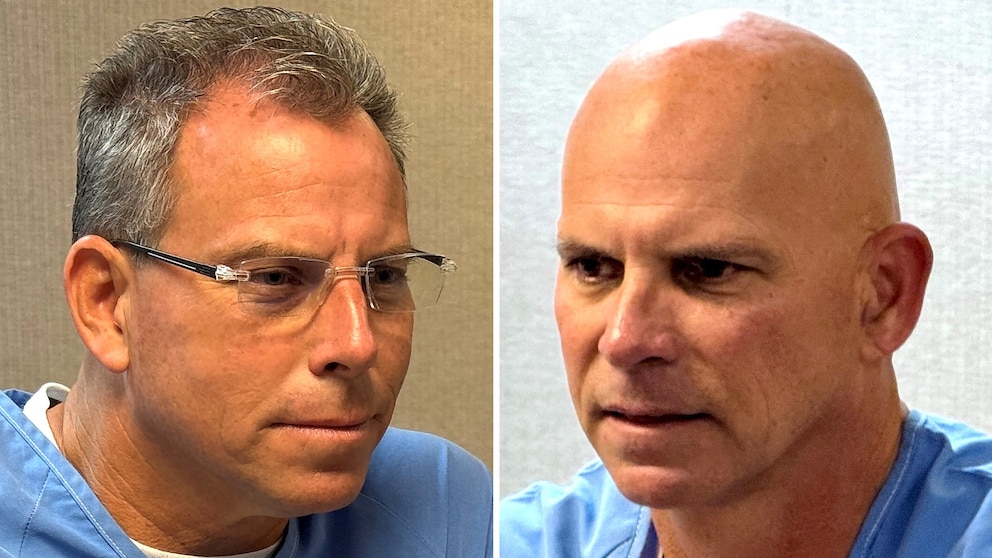
The Menendez brothers have suffered a new setback in their move to be released from prison after three decades as a judge on Tuesday denied their habeas corpus petition to throw out their conviction and receive a new trial based on recently discovered evidence.
Erik and Lyle Menendez's habeas corpus petition was submitted in 2023 to try to get another trial based on new evidence not originally presented in court.
The petition presented two pieces of new evidence, including allegations from a former member of the boy band Menudo, who revealed in the 2023 docuseries "Menendez + Menudo: Boys Betrayed" that he was raped by Jose Menendez. The second piece of evidence was a letter Erik Menendez wrote to his cousin eight months before the murders detailing his alleged abuse; the cousin testified about the alleged abuse at trial, but the letter -- which would have corroborated the cousin's testimony -- wasn't unearthed until several years ago, according to the brothers' attorney.
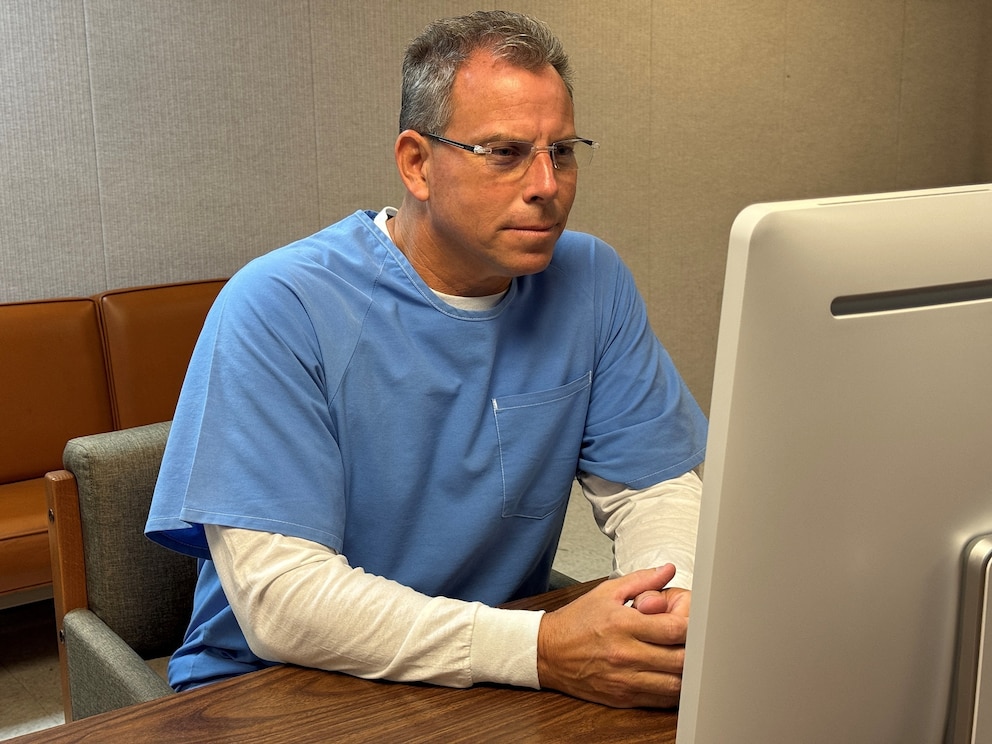
The judge said the 1988 letter from Andy Cano, the cousin, about alleged abuse was not very strong, even saying it contradicted the brothers' attempts at a new trial.
"Neither piece of newly discover (sic) evidence is particularly strong," Judge William Ryan wrote in the decision. "The Cano Letter contradicts in part the testimony of Erik and Cano. It also only corroborates what was already discussed at length by both witnesses: the two discussed Jose's abuse. At best, it does not additionally inform the jury of Petitioners' alleged fear at the time of the murders, and at worse, it puts a crack in the credibility of both witnesses."
The judge also disputed the relevance of testimony from Roy Rossello, the member of Menudo.
"As for the Rosello Declaration, it corroborates the general allegation that Jose was sexually abusive of boys and young men, but is not relevant to the Petitioners' state of mind at the time of the murders," he continued. "Neither piece of evidence adds to the allegations of abuse that the jury already considered, yet found that the brothers planned, then executed that plan, to kill their abusive father and complicit mother."
Los Angeles County District Attorney Nathan Hochman, who is firmly opposed to the brothers' release, filed a response to the habeas corpus petition this month, stating that he "concluded that this petition does not come close to meeting the factual or legal standard to warrant a new trial."
"The central defense of the Menendez brothers at trial has always been self-defense, not sexual abuse. The jury rejected this self-defense defense in finding them guilty of the horrific murders they perpetrated; five different appellate state and federal courts have affirmed those convictions, and nothing in the so-called 'new' evidence challenges any of those determinations," Hochman said in a statement. "Our opposition to this 'Hail Mary' effort to obtain a new trial over 30 years later makes clear that justice, the facts, and the law demand the convictions stand."
Speaking at a news conference on Tuesday after the judge's decision, Hochman told reporters the judge's decision amounted to "a full kibosh" on the brothers' habeus petition.
Hochman repeated the idea that while he doesn't think the brothers should never be released, it's still too soon. "Not never, but not yet," he said, saying the brothers have never come clean about their "self-defense" in the case.
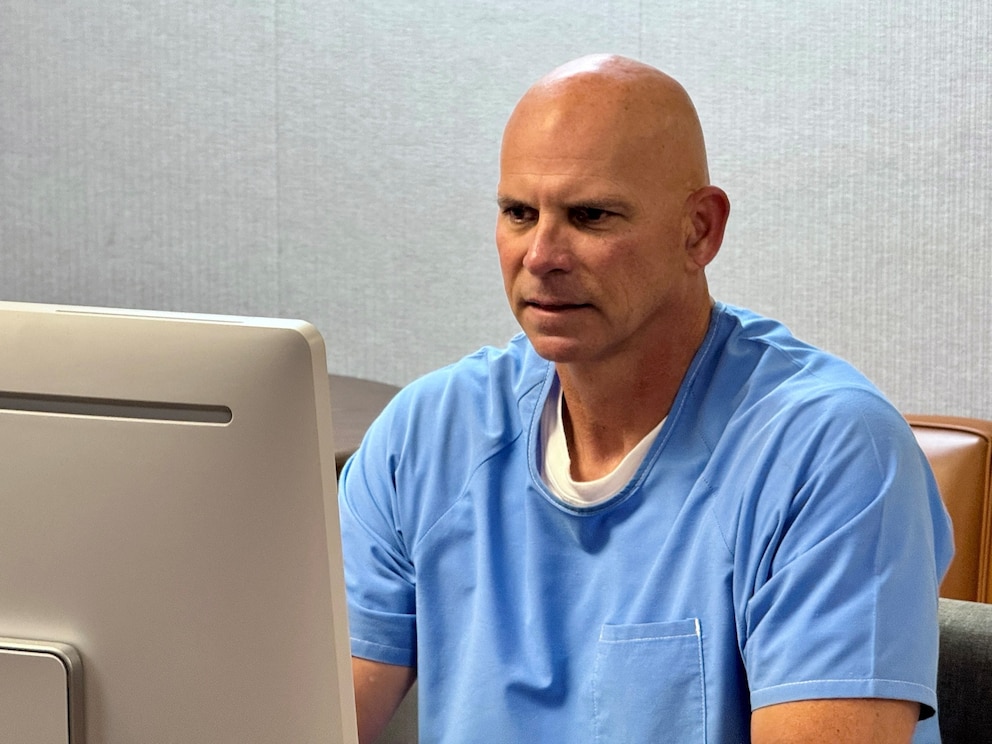
The brothers were dealt a major blow to achieving freedom when they were denied parole at hearings last month.
This May, a judge resentenced them to 50 years to life in prison, making them immediately eligible for parole under youth offender parole laws. The judge said he was moved by the supportive letters from prison guards and was amazed by the work the brothers had accomplished to better the lives of their fellow inmates.
In separate hearings, commissioners stressed how the brothers repeatedly broke rules in prison, like illegal cellphone use.
The brothers can apply for parole again in three years. With good behavior in prison, that wait can potentially be shortened to 18 months.
The best chance to release now may be clemency, which California Gov. Gavin Newsom can grant at any time.