Judge says DOGE grant terminations are unlawful and 'troubling'
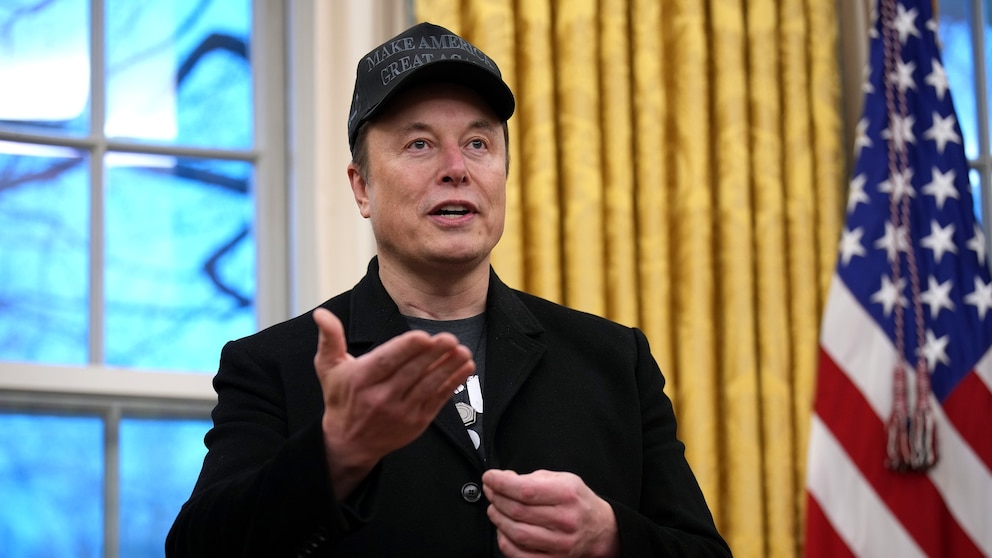
Elon Musk’s Department of Government Efficiency “blatantly used” race, gender and other protected characteristics to execute the largest mass termination of federal grants in the history of the National Endowment for the Humanities, a federal judge ruled on Thursday.
U.S. District Judge Colleen McMahon declared the terminations unlawful, concluded that the DOGE staffers lacked the authority to make those decisions, and blocked the Trump administration from carrying out the grant terminations.
“There can be no serious dispute that the review process implemented by DOGE did not conform to, or even resemble, NEH’s ordinary grant-review process,” Judge McMahon wrote.
ABC News has previously reported on the depositions at the center of the case, where two former DOGE staffers described using ChatGPT and DEI keywords to carry out massive cuts. Judge McMahon rebuked their actions, finding that DOGE “blatantly used protected characteristics as criteria for grant termination.”
“Treating Black civil-rights history, Jewish testimony about the Holocaust, the oft-forgotten Asian American experience, the shameful treatment of the children of Native tribes, or the mere mention of a woman as a marker of lack of merit or wastefulness is not lawful,” she said.
Citing the current resurgence of antisemitism, Judge McMahon called out the decision to cut funding for grants related to the Holocaust because it focused on women who survived Nazi persecution.
“At a time when the specter of antisemitism has reemerged from the shadows, for our Government to deem a project about Jewish women disfavored because it centered on Jewish cultures and female voices is deeply troubling,” she said.
The nonprofits that sued over DOGE’s cuts to their funding are celebrating the ruling, saying the court affirmed the importance of humanities research in a democratic society.
“The humanities are not a luxury. They are how a democracy understands itself. Today’s decision is a step toward honoring the will of Congress and our mission as a nation — to seek the truth, know ourselves, and build a better future on that knowledge,” said the American Council of Learned Societies President Joy Connolly in a statement.
When President Donald Trump returned to office last January, he empowered Musk to slash federal spending as a lead adviser in the newly created DOGE. Within days, all agencies were directed to put DEI staff on leave and related programs were shuttered.

In lengthy depositions released in March, two DOGE employees -- Justin Fox and Nate Cavanaugh -- defended the effort to cut "useless agencies" as part of DOGE's attempt to reduce the federal deficit.
"You don't regret that people might have lost important income ... to support their lives?" an attorney asked Cavanaugh about the grant cancellations.
"No. I think it was more important to reduce the federal deficit from $2 trillion to close to zero," Cavanaugh said.

"Did you reduce the federal deficit?" the attorney asked.
"No, we didn't," Cavanaugh said.
With backgrounds in tech and finance, neither man worked in government prior to joining DOGE last year. Cavanaugh said they originally determined which grants could be cut based on if they included certain words -- like "DEI, DEIA, Equity, Inclusion, BIPAC, LGBTQ" -- though the final decision about cuts was up to the head of individual agencies.