Jurassic Park-ing lot: Dino fossil turns Denver museum into dig site
Like finding mountains of gold bars below a bank or happening upon a rare piece of art hidden beneath a gallery, a Denver museum that's full of fossils serendipitously discovered -- wait for it -- a dinosaur bone, right under its parking lot.
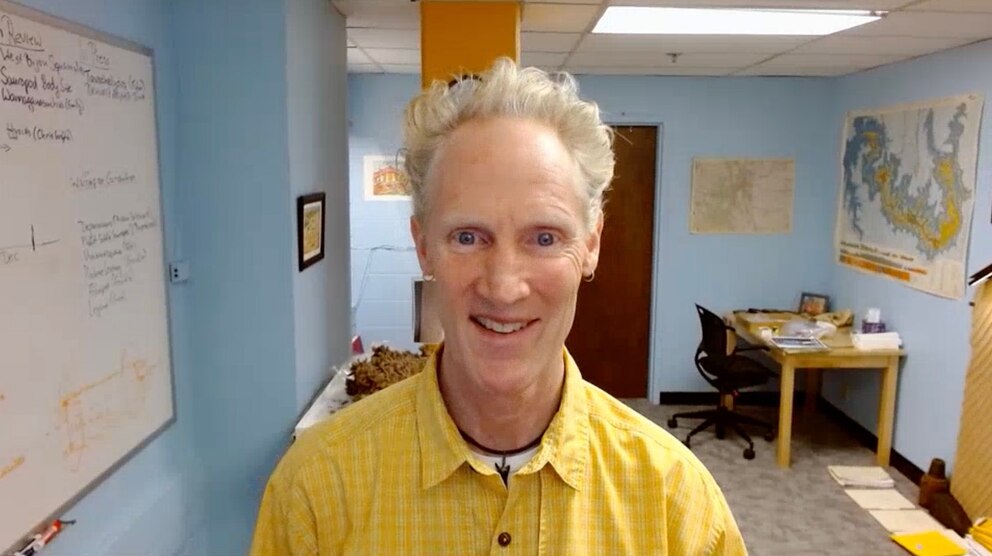
"Wow, what are the chances?" James Hagadorn, a geology curator at the Denver Museum of Nature & Science, told ABC News.
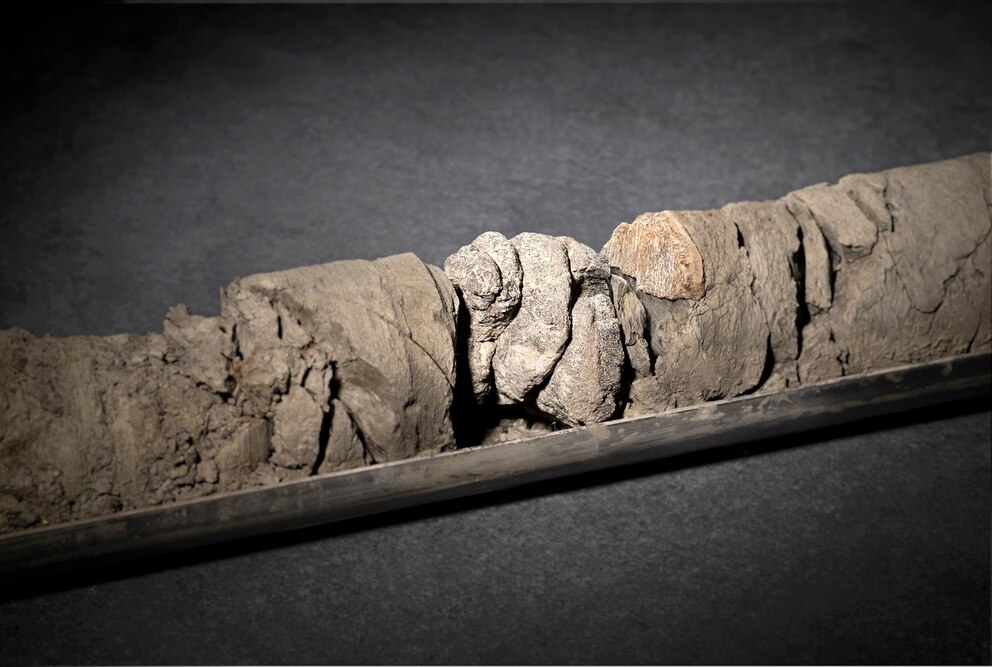
Back in January, the museum found a fossil of a plant-eating dinosaur, believed to be nearly 68 million years old, lying about 800 feet below the parking lot, the museum announced this week.
At the time of the discovery, scientists were conducting a "geothermal test drilling project" to determine whether the museum could use the heat of the Earth underneath the parking lot in City Park, Colorado, the museum said in a press release.
This dino-mite find, which Hagadorn described as "quite the cherry" on top of the project's intended mission, was discovered 763 feet below the surface and was identified as the "deepest and oldest dinosaur fossil ever found within the city's limits," the museum said in a press release.
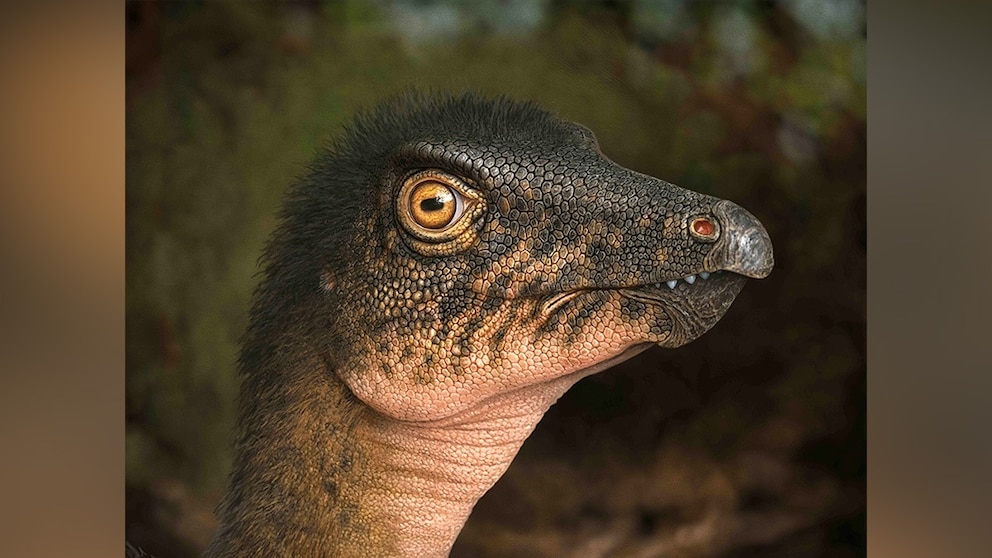
Museum scientists believe the fossil the vertebra of an herbivorous dinosaur -- possibly a Thescelosaurus or Edmontosaurus -- that roamed the region 67.5 million years ago, which is "just days before the mass extinction that wiped our the dinosaurs," the museum noted.
Hagadorn said his "head just exploded" when he heard the news of the discovery, which has been on display among the museum's collection of more than 300,000 fossils since Wednesday.
"It was absolutely incredible. The first thing you say is, 'Are you sure? Is this real? Are you playing a joke on me?'" he said. "That's like finding a diamond deposit under the world's largest gem store or an archeological site buried underneath the parking lot of an archeological museum."
Hagadorn noted that this isn't the first time Colorado has seen a discovery like this. Previously, a horn of a Triceratops was found underneath Coors Field's home plate and "tons of cool fossils" have been located underneath Denver International Airport, he said.
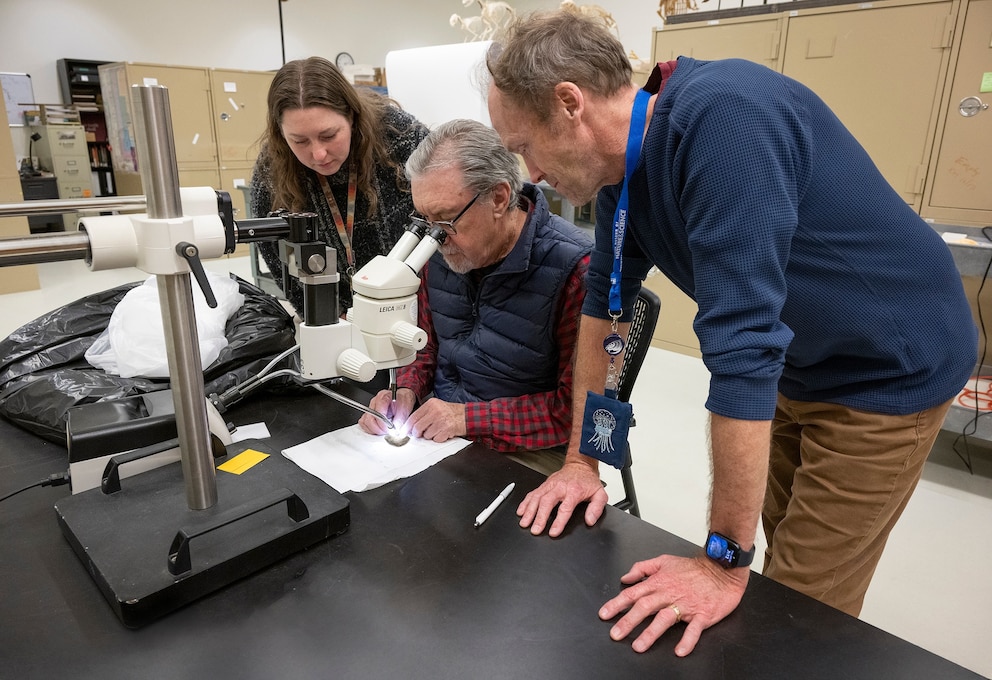
"The exciting thing to me is that there's the potential to find more, and that's both thrilling in the sense of discovery, but it's also interesting because these things are good for science, they tell us about our place, they tell us about our ecosystems [and] they tell us how the plane has changed. So it's a win, win, win," Hagadorn told ABC News.
Even though Hagadorn said he would "love to go 750 feet down" again and see if there are more potential fossils underneath the museum's parking lot, he said that would be unlikely due to the scope of such a project.
"In order to go that deep, you've got to dig a very big hole and then hold that hole open either by lining it or making it tapered. If we think about a tapered hole that goes down that deep, that would probably consume all our parking lot and maybe part of the museum too. So boy, it's fun to think about, but I think it's unlikely," he said.
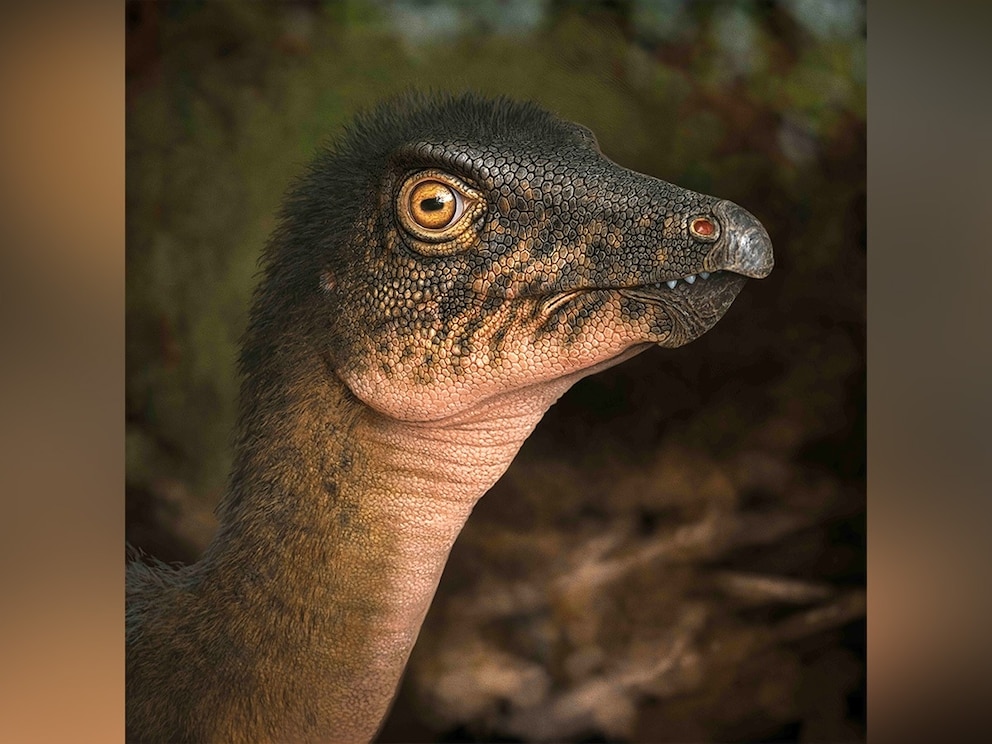
Hagadorn expressed his hope that the fossil -- which is within the museum's "Discovering Teen Rex" exhibition -- reminds people that "there's lots of geology underfoot."
"The layers of Earth underneath us tell us stuff that's useful, whether that information is from a fossil or a mineral or some water that's flowing underfoot," he said. "Imagine what's underneath your house or mine. Who knows?"
Hagadorn said the museum will have "tons" of free admission days for "everyone to access" the fossil and anything else within the facility.