Lake Mead, Lake Powell nearing record low levels, data shows
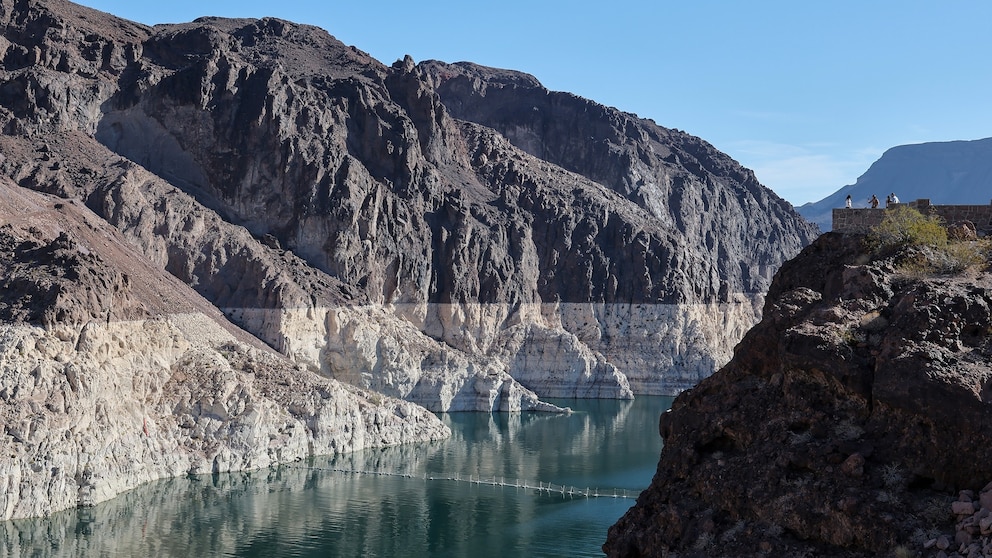
Water levels at the two largest reservoirs in the country -- Lake Mead and Lake Powell -- are continuing to dwindle, data from the U.S. Bureau of Reclamation shows.
As of Monday, pool elevation at Lake Mead, which indicates how much water is inside the reservoir, measured at 1,041.17 feet, coming close to the record low of 1,040.58 feet in July 2022, according to Bureau of Reclamation records.
Elevation at Lake Powell is currently measuring at 3,522.78 feet, according to the Bureau of Reclamation -- nearing the previous record low of 3,519.92 feet set in April 2023 and the critical level needed for the reservoir to produce hydropower. A new record low at Lake Powell could be reached in August, projections show.
Once water levels at Lake Powell drop to 3,490 feet, the water is too low to spin the hydroelectric turbines needed to produce power. The reservoir is about 33 feet away from this stage, known as minimum, or "dead," power pool.
"Dead pool," when water can no longer flow past Glen Canyon Dam by gravity, can occur at 3,370 feet.
The Colorado River basin is a critical system for residents in the Western U.S. and Mexico. The basin provides water for up to 40 million people and hydropower to the seven basin states: Arizona, California, Colorado, Nevada, New Mexico, Utah and Wyoming, according to the Bureau of Reclamation.
"These reservoirs are really crucial for agriculture and other water needs throughout the Western states," Steven Fassnacht, a professor of snow hydrology at Colorado State University, told ABC News.
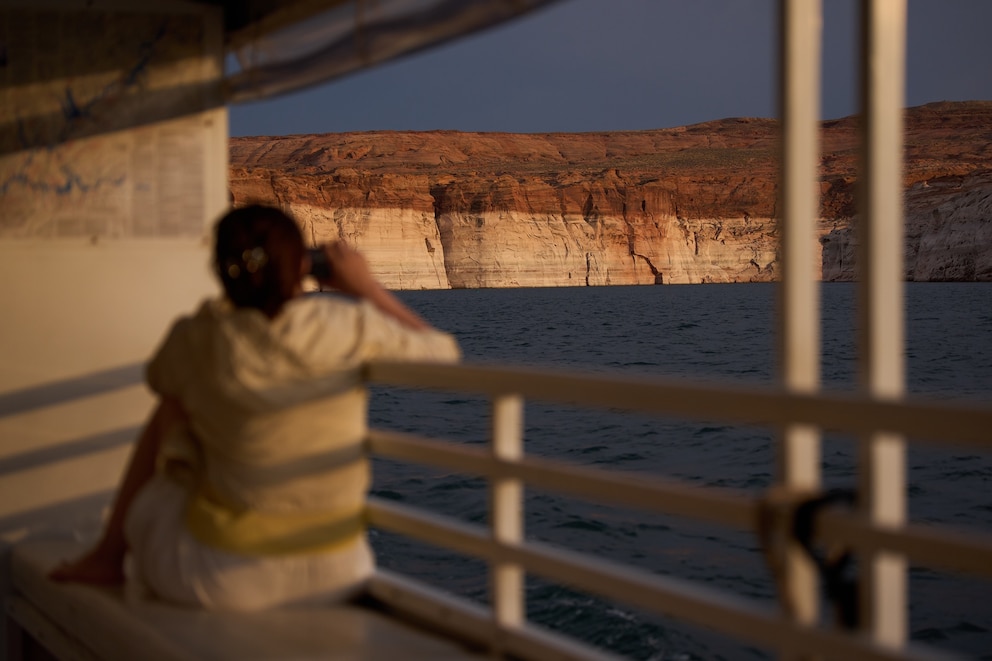
Since the beginning of the year, hydrologists have been warning about the potential for water levels at Lake Mead and Lake Powell to hit critical levels as a result of record-low snowpack over the winter months.
Much of the Western U.S. entered the winter already grappling with drought conditions from lack of rain. But warmer-than-normal temperatures during the winter prevented snow from accumulating, which led to a lack of snowmelt flowing into watersheds once spring came.
Snowmelt provides a large percentage of the water used by communities, agriculture and ecosystems in the West, according to the U.S. Geological Survey. In some states, up to 75% of the water supply can come from melting snow.
More than two-thirds of the West remains in drought, with much of the Colorado River basin experiencing severe to extreme conditions, according to the U.S. Drought Monitor.
But there is a possibility of short-term relief in the near future, as above-average precipitation is favored across much of the West, according to the National Oceanic and Atmospheric Administration's Climate Prediction Center.
In addition, an intensifying El Niño and monsoon season could bring more chances of rain for the region.
However, any additional rain will not offset the long-term factors driving water shortages, such as prolonged drought conditions and low snowpack.
"All of the lower basin has been in drought essentially for the last 25 years," Fassnacht said.
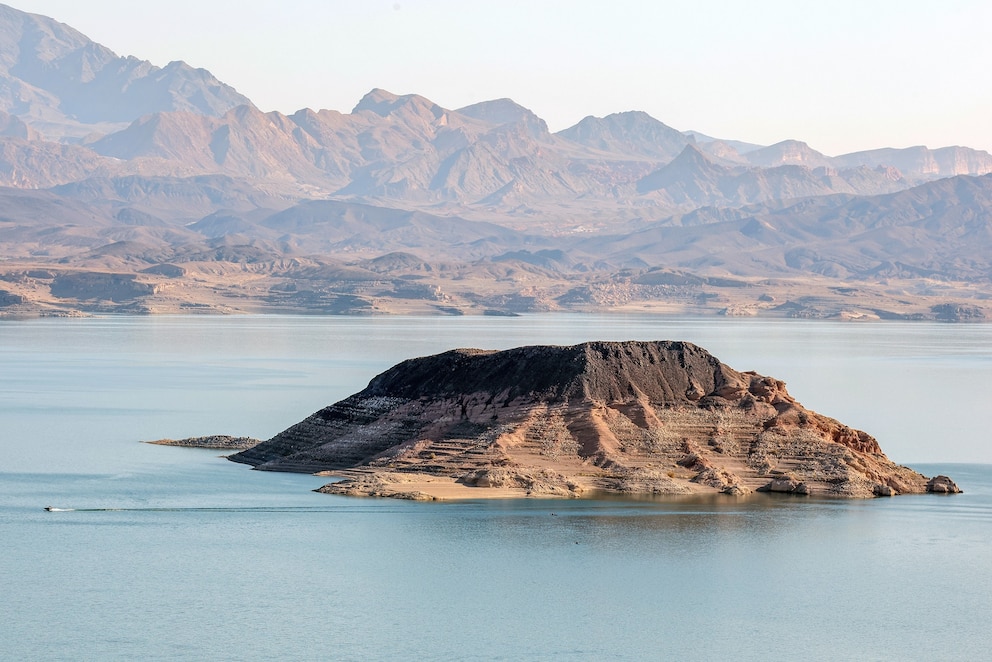
The poor outlook for water supplies along the Colorado River basin underscores the need for new operating guidelines, as the basin is currently severely over-allocated, Julianne Quinn, an associate professor of systems engineering at the University of Virginia who has researched management of water resources systems, told ABC News.
The water rights for the seven basin states were established during an especially wet period during the 20th century, Patrick Reed, a civil and environmental engineer at Cornell University who has researched drought vulnerability within the Colorado River system, told ABC News.
Year over year, the Colorado River system has experienced reduced supply, often combined with a string of very dry years, and the river system has never been able to adequately rebuild supply, the experts said.
One water-saving solution may be to outline a "variable" water use plan that is more in line with supply, rather than defining "rights" to the lower and upper basin states, Quinn said, adding that this may balance the system more efficiently.
"It's clear that if we continue using water the way that we're using, these reservoirs are not going to be able to save us forever," Quinn said.
Conservation changes across multiple sectors, including agricultural, municipal and industrial, will be necessary to protect water supplies in the long term, Reed said.
"Unfortunately, I don't think big, easy solutions are going to win the day," Reed said.
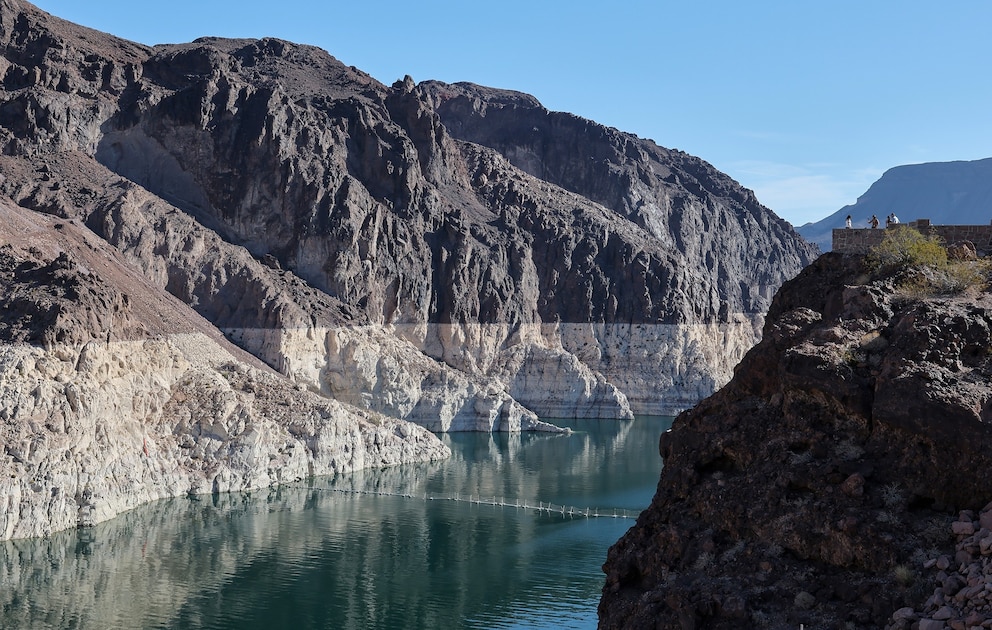
While the lower basin states have submitted an allocation plan for consideration, there is not yet a consensus plan among all states, including the upper basin states, Dave White, director of the Global Institute of Sustainability and Innovation at Arizona State University, told ABC News.
If the states can't reach an agreement, the Bureau of Reclamation will need to intervene to make a final decision, Reed said.
The Bureau of Reclamation did not immediately respond to ABC News' request for comment.
ABC News' Dan Peck contributed to this report.