Legal questions raised by Trump lawyer's payment of hush money to porn star
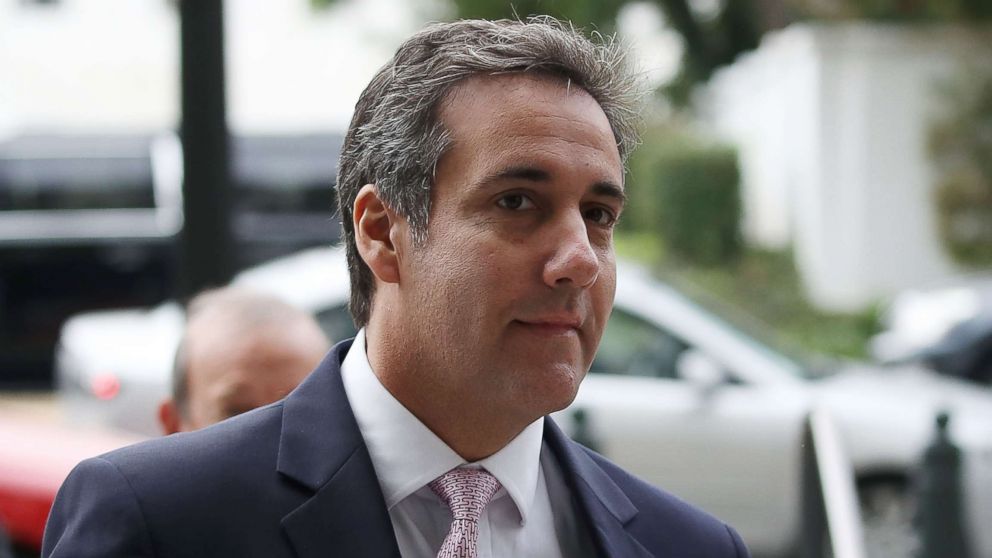
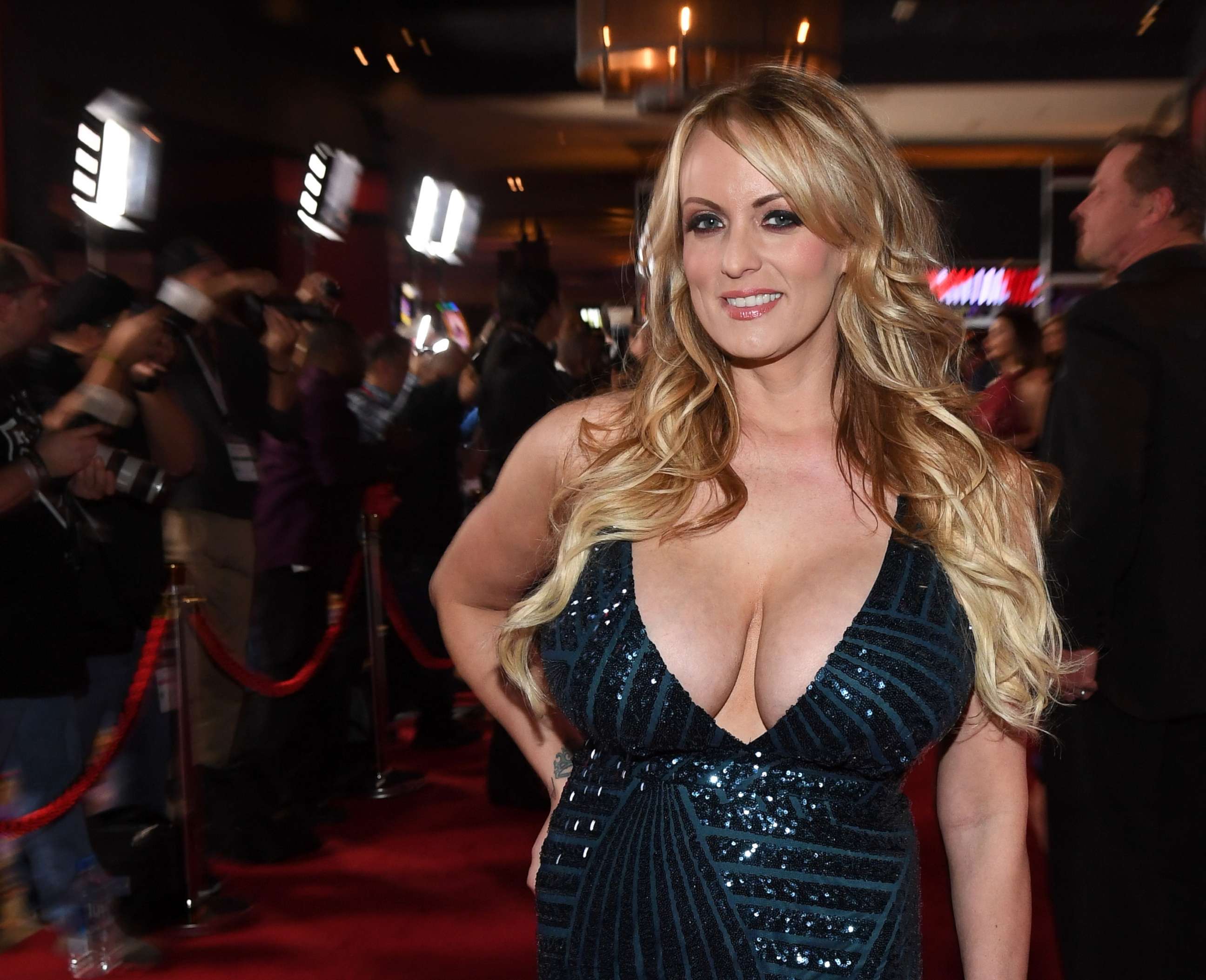
— -- President Donald Trump’s long-time attorney, Michael D. Cohen, admitted on Wednesday that in a “private transaction” in 2016, he used his “own personal funds to facilitate a payment of $130,000” to Stephanie Clifford, a porn star known as Stormy Daniels. Clifford has claimed that she had an affair with Trump at a 2006 Lake Tahoe golf tournament.
Cohen insisted that the payment was legal, and that neither the Trump Organization nor the Trump campaign reimbursed him or was a party to the transaction. He claimed that the presumed hush money was neither a campaign contribution nor a campaign expenditure.
Under the Federal Election Campaign Act of 1971 (FECA), a campaign contribution includes “any gift, subscription, loan, advance, or deposit of money or anything of value made by any person for the purpose of influencing any election for Federal office.” A payment is not a campaign contribution if it “would have been made irrespective of the candidacy.”
When former vice presidential nominee John Edwards was indicted under those FECA laws in 2011, he argued that the hundreds of thousands of dollars paid by two supporters to his pregnant mistress, Rielle Hunter, were made to hide the affair from his wife and not to influence the campaign. It was a factual question and the jury deadlocked.
Legal experts said that the legality of Cohen’s payment to a porn star could turn on similar factual questions.
“The main issue is motivation and who paid,” Rick Hasen, an election law expert at University of California at Irvine, told ABC News. “If Cohen paid the money himself and his motivation was to help the campaign, he could violate the prohibition on making excessive campaign contributions. If he assisted Trump in making an unreported expenditure, that could be a conspiracy to evade campaign finance reporting.”
According to Ann Ravel, a former commissioner of the Federal Election Commission, “This payment would be characterized as a campaign contribution if there is any coordination on the expenditure.”
“Since the money was paid for a personal entanglement of the candidate, it is highly suggestive of a coordinated payment” that could violate election laws, she said.
Some experts suggested that the payment could also violate tax laws if Cohen or Clifford failed to report it to the IRS, or if they conspired to conceal it. The Wall Street Journal reported last month that Cohen transferred the money through a Delaware limited liability company using pseudonyms.
“As every amateur detective knows, it is the cover-up of an alleged misdeed that most frequently trips up villains in real life, as well as in fiction,” Marty Sheil, a retired IRS criminal investigator, wrote to ABC News in an email.
On the other hand, Jan Baran, an election and government ethics lawyer with the law firm Wiley Rein LLP and a former Republican National Committee general counsel, told ABC News that he “doesn’t see any violation of any written law or ethics rule that I am aware of.”
Baran said that the payment appears to be a private, personal expenditure that does not fall under the “campaign contribution” definition. A payment is only subject to election laws if it is “directly related to the campaign itself,” according to Baran, even if it has “incidental benefit” to the Trump campaign. “The government’s past attempt to regulate private, personal finances in the Edwards case failed,” Baran added.
Cohen’s admission of the payment came after the left-leaning watchdog Common Cause filed a legal complaint with the FEC that asked both the Department of Justice and FEC to investigate Cohen for possible campaign law violations.
The FEC told ABC News on Wednesday that it would not comment about an “open enforcement matter.” The White House also declined to comment about the payment.