Lion Air pilots battled doomed jet's computerized safety system, black box shows
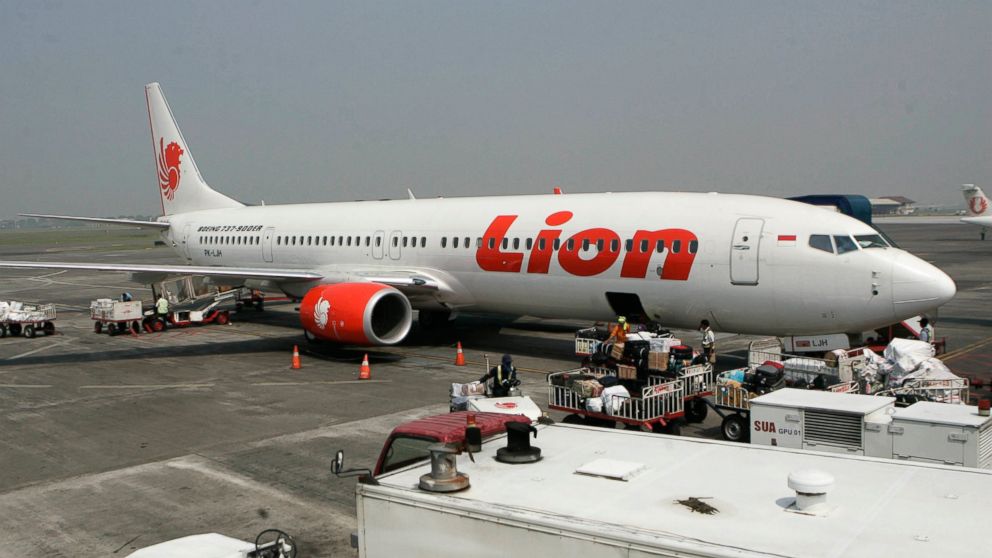
Black box data from the Lion Air jet that crashed in October reveals the pilots struggled to fight the plane's malfunctioning safety system from takeoff to the moment it nose-dived into the Java Sea, killing all 189 people on board.
Information that surfaced Tuesday from the flight data recorder, and released by Indonesian authorities on Wednesday, indicates the new model Boeing 737 MAX 8's maneuvering characteristics augmentation system, or MCAS, falsely believed the plane was entering a stall, sparking a reaction from the safety system.
The captain's stick vibrated, alerting the pilot to a perceived stall, and the jet initiated a nose down maneuver, designed to recover airspeed.
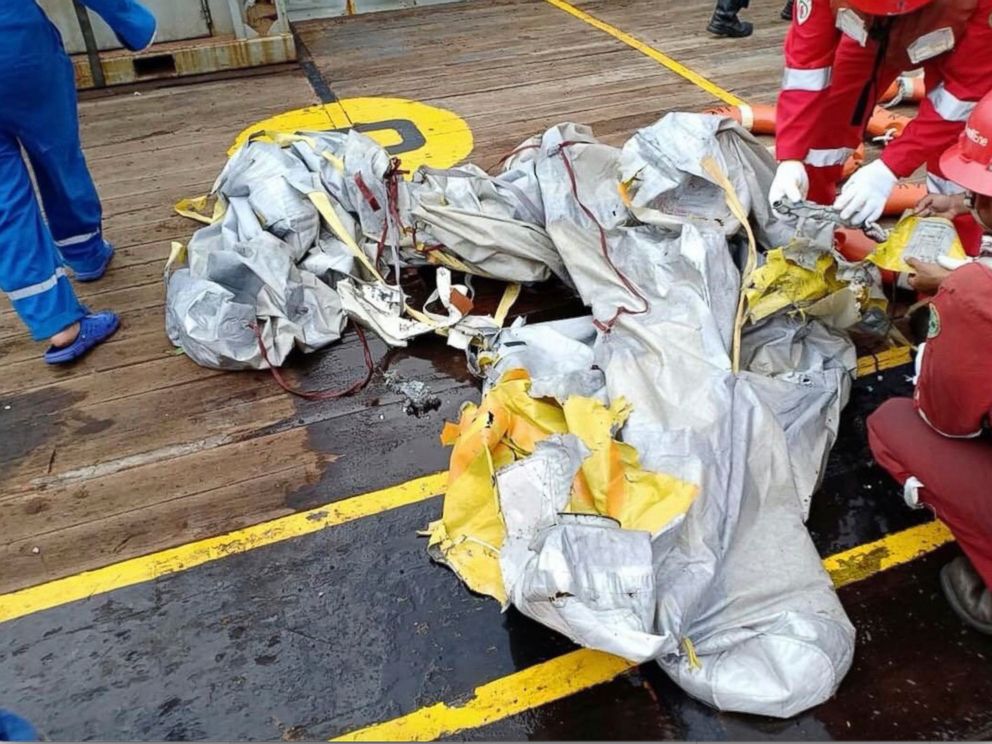
This occurred more than two dozen times with the pilots batting the aircraft's misreadings instead of shutting off the system, a solution ABC News consultant and former NTSB Director of the Office of Aviation Safety Tom Haueter said is straightforward and part of commercial pilot training.
"The crew wasn't handling the aircraft correctly," Haueter told ABC News. "What the crew should’ve done is disabled the system and bring it back to land. They should’ve done that immediately."
The 78-page report, still a preliminary investigation, did not include analysis or a conclusion.
However, the report's section on safety recommendations also reiterates that the 31-year-old pilot, who had more than 6,000 hours of flying experience, should not have continued the flight.
"The flight from Denpasar to Jakarta experienced stick shaker activation during the takeoff rotation and remained active throughout the flight," the report read. "This condition is considered as un-airworthy condition and the flight shall not be continued."
As the pilots were fighting the malfunctioning automated system, they deployed the flaps on the back of the wings, which caused the nose-down commands to stop. When the pilots retracted those flaps, the nose down maneuvers began again. It's unclear why the pilots didn't keep the flaps deployed.
Before the ill-fated flight, pilots on the same Lion Air aircraft experienced similar troubles. The pilots disabled the stabilizer system and "continued flight with manual trim without auto-pilot until the end of flight," according to the preliminary report.
Lion Air sent a reminder to its pilots one day after the crash that they should "check any defect" from previous flights and "be ready for any abnormal or emergency conditions by having memory Items and maneuvers reviewed."
At a press conference in Jakarta Wednesday, accident investigators scolded the airline for its poor safety culture and failure to provide accurate information.
"We ask Lion Air to have documentations that represent the actual conditions, because in the document it was said there were five flight attendants where there were actually six," said investigator Nurcahyo Utomo.
For the first time since the crash, Boeing is also raising questions about maintenance, communications and pilot practices at Lion Air.
A statement provided to ABC News from the manufacturer points out the pilots on the aircraft's previous flight "turn off the stabilizer trim switches within minutes of experiencing the automatic nose down trim," referring to the procedure that Boeing says should be followed if the automated MCAS system malfunctions.
When that flight landed at its intended destination in Pangkal Pinang, the pilot reported the issues to maintenance teams, but it's unclear if he communicated what he did to correct it.
"Unlike as is stated with respect to the prior flight, the report does not state whether the (accident flight) pilots performed the runaway stabilizer procedure or cut out the stabilizer trim switches," Boeing said in its most detailed and pointed statement yet.
Search officials are still scouring the sea floor for the cockpit voice recorder. That black box's pings are expected to die within the next few days.