New, long-extinct ape species found in ancient Chinese tomb
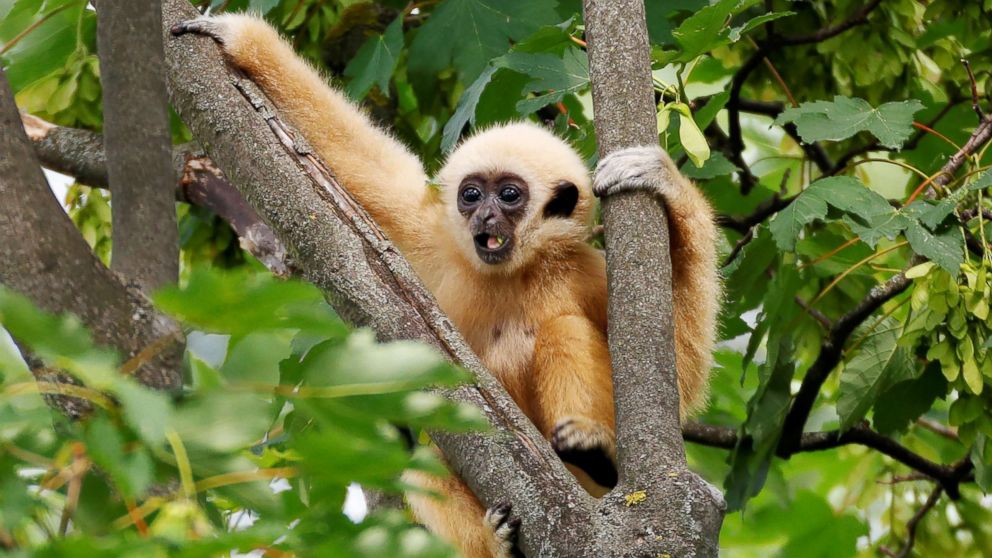
An entirely new but long-extinct ape species has been discovered in an ancient tomb in central China.
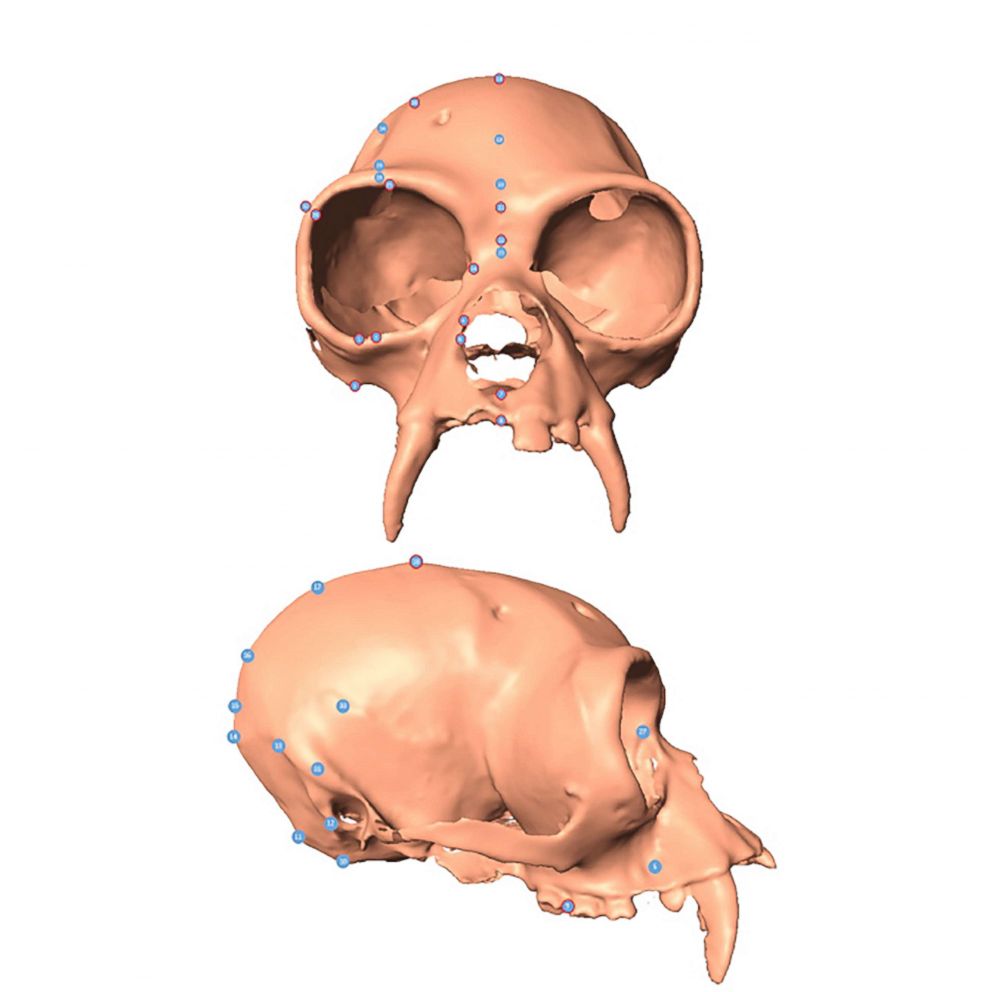
The skull and jaw of the never-before-seen gibbon were found in Shaanxi province inside a royal burial chamber that was built some 2,300 years ago. The previously unknown genus and species of gibbon, which researchers have named Junzi imperialis, may be the first ape to have become extinct due to humans, according to a new study published in the journal Science on Friday.
"Our discovery and description of Junzi imperialis suggests that we are underestimating the impact of humans on primate diversity," the study's lead author, Samuel Turvey, said in a statement.
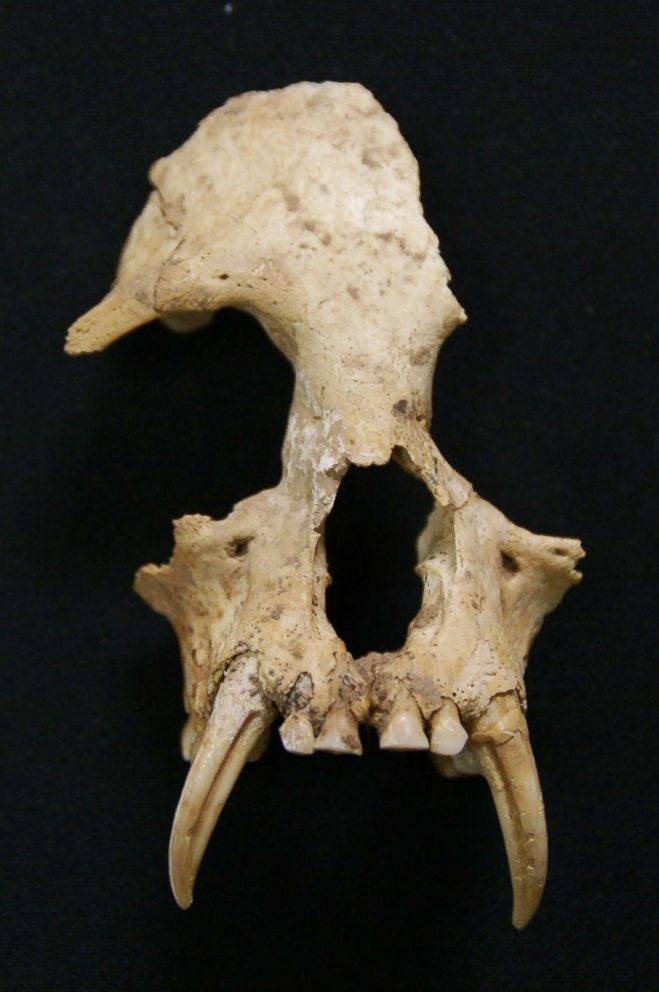
Turvey and other scientists, led by international conservation charity the Zoological Society of London, made the discovery while examining the contents of the tomb, which was first excavated in 2004 and contained 12 burial pits with animal remains. The team also uncovered the bones of black bears, cranes, leopards, lynx and a variety of domestic animals, the study found.
Researchers believe the burial chamber, and possibly the gibbon, may have belonged to Lady Xia, the grandmother of China's first emperor, Qin Shihuang.
Gibbons are the smallest apes, known for their loud, melodic songs and long arms, which they use to swing gracefully through the treetops. They were revered as regal primates in imperial China and were often kept as high-status pets, according to an article announcing the findings published in Science.
The Junzi imperialis was likely widespread in the region at the time and may have survived until the 18th century, just a few hundred years ago, the study says.
There are no gibbons in that area of China today. So the finding may indicate an unrecognized biodiversity of primates that thrived across Asia, according to the study.
There are more than a dozen recognized species of gibbons in present day, living in rain forests from northeast India to southern China and Indonesia, and many are considered to be endangered or critically endangered. All surviving Chinese species are currently classified as critically endangered on the International Union for Conservation of Nature's red list of threatened species.
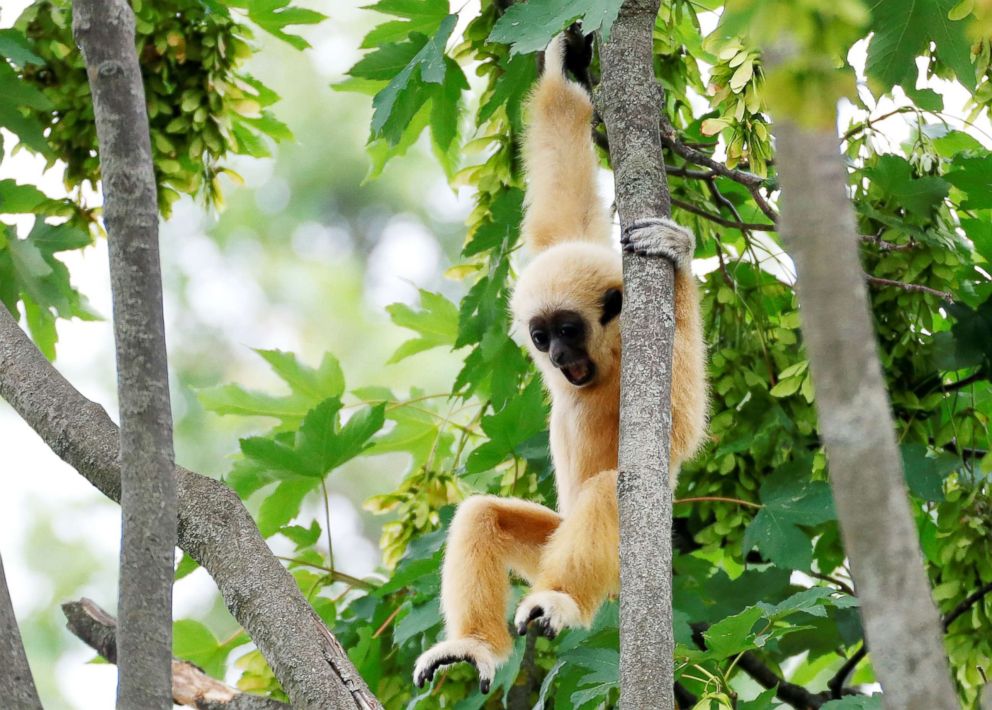
Researchers believe the eventual demise of the Junzi imperialis was a result of past human activities, which likely included deforestation and hunting.
All of the world's apes are under threat of extinction due to human activities, according to the Zoological Society of London. But there has been no evidence of humans directly causing extinction among our relatives -- until now.
"These findings reveal the importance of using historical archives such as the archaeological record to inform our understanding of conservation and stress the need for greater international collaboration to protect surviving populations of gibbons in the wild," Turvey said.