What a Little Love Means to a Little One
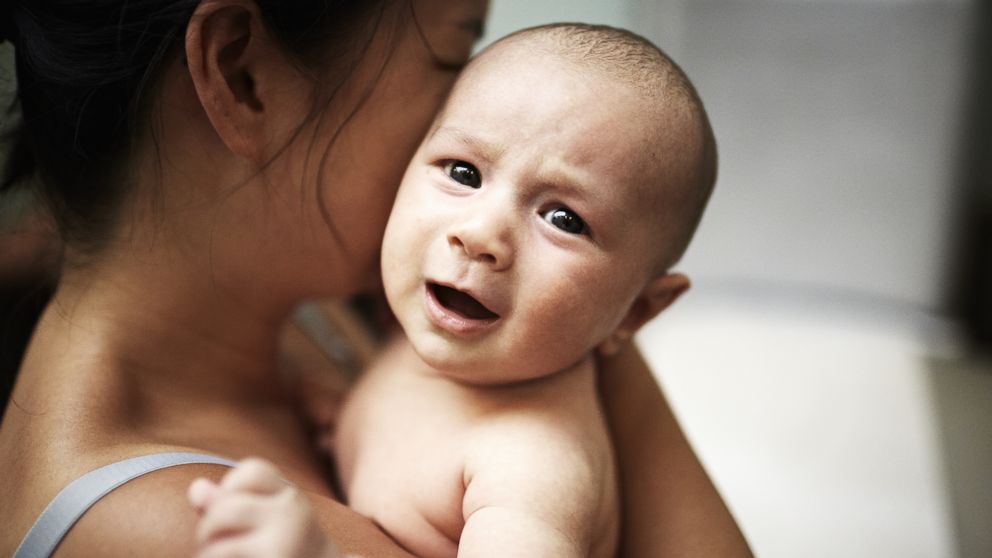
April 6, 2014— -- For too many, the damage begins early in life. Four out of 10 infants born in the United States do not form a strong bond with either parent, and they will pay for that the rest of their lives.
New research from Princeton University confirms what other researchers have already found: The number of babies born into families that are poorly equipped to give them a fair chance at having a successful life is alarmingly high.
That finding is supported by many other research projects, including a startling study from the University of Rochester showing that nearly one-third of U.S. parents don't know what to expect from their newborns, or how to help them grow and learn and get along with others.
Babies, as others have noted, don't come with an owner's manual.
The basic problem, according to the Princeton study, is 40 percent of infants in the U.S. live in fear or distrust of their parents, and that will translate into aggressiveness, defiance and hyperactivity as they grow into adults.
Of that number, 25 percent don't bond with their parents because the parents aren't responding to their needs. And a tragic 15 percent find their parents so distressing that they will avoid them whenever possible.
That will not necessarily commit them to a lifetime of violence and hostility, but it will make living a successful and fulfilling life much more difficult.
"They can overcome it," sociologist Sophie Moullin of Princeton, lead author of that study, said in a telephone interview. "It's not a make or break situation, but they might find it harder to regulate their behavior."
Moullin, along with coauthors from Columbia University and the University of Bristol in England, analyzed more than 100 research projects, including data collected by a U.S. longitudinal study of 14,000 children born in 2001, to reach their conclusions.
Many factors contribute to the problem, including poverty, ignorance, and overwhelming stress among parents who are so busy with their own problems that a new child is sometimes more than they can handle.
Yet critical bonding, the researchers contend, is amazingly simple to achieve.
"When a parent, most of the time, responds to a child in a warm, sensitive and responsive way -- picking up the child when they cry, and holding and reassuring them -- the child feels secure that they can meet their needs," the study notes.
Other research shows that simply touching, or caressing, a newborn is critical to the infant's sense of security.
The study also notes that the bond can be with either parent, not necessarily both, but studies of childhood crime and risky behavior contend that for boys, the bond is more important with the father, and for girls, the bond is relatively more important with the mother.
Nearly all of these studies are based on observation of children over an extended period of time, as unobtrusively as possible. Researchers usually pay more attention to the child than the parent, because the lack of a bond is more apparent in the infant.
One innovative technique is called the "strange situation." The parent leaves the baby with a caregiver for about 20 minutes, and then either the parent or a stranger reenters the room. The reaction to the returning parent, compared to the arrival of a stranger, tells volumes about the relationship between parent and child.