Marine scientists discover record number of new species
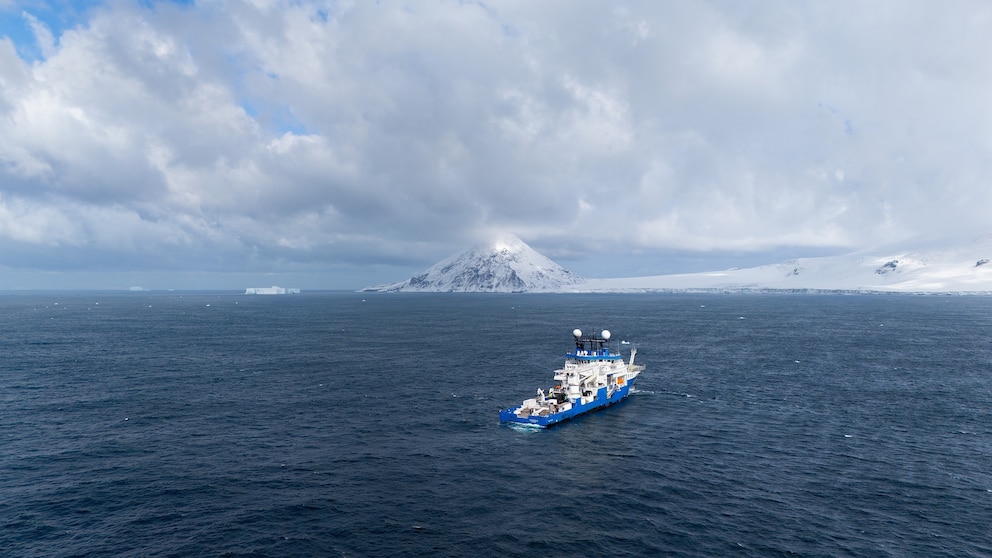
Marine scientists have discovered a record number of new species living in the depths of the world's oceans over the past year.
A total of 1,121 new marine species were discovered in a single year, marking a "significant step" in the research needed to understand and protect the oceans, according to the scientists behind The Nippon Foundation-Nekton Ocean Census, the world’s largest mission to accelerate ocean species discovery.
The whopping number of discoveries marks a 54% jump in identifications in a single year, the researchers said.
Among the new species discovered include corals, crabs, shrimps, sea urchins and anemones -- some found living at depths of more than four miles beneath the ocean surface.
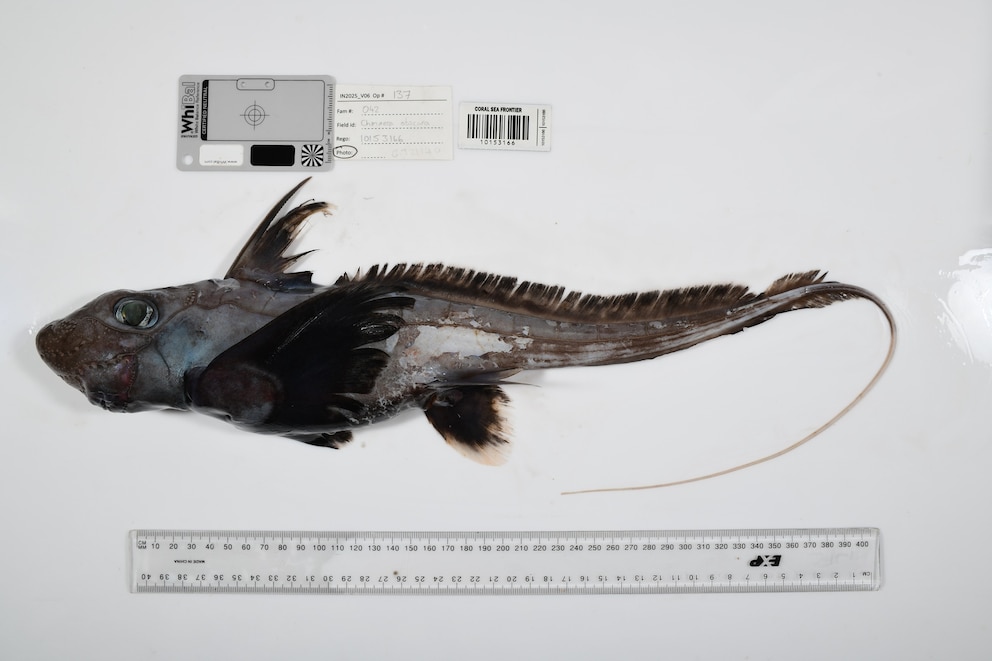
The "Ghost Shark" Chimaera, a distant relative of sharks and rays, was discovered in the Coral Sea Marine Park off the coast of Queensland, Australia. Chimaeras are among the most mysterious inhabitants of the deep ocean, the researchers said. They predate dinosaurs and diverged from rays and sharks into their own distinct evolutionary lineage nearly 400 million years ago.
Symbiotic bristle worms were found living within a "glass castle" on volcanic seamounts in Japan. The "castle" is actually intricate chambers of a glass sponge, whose skeleton is made of crystalline silica.
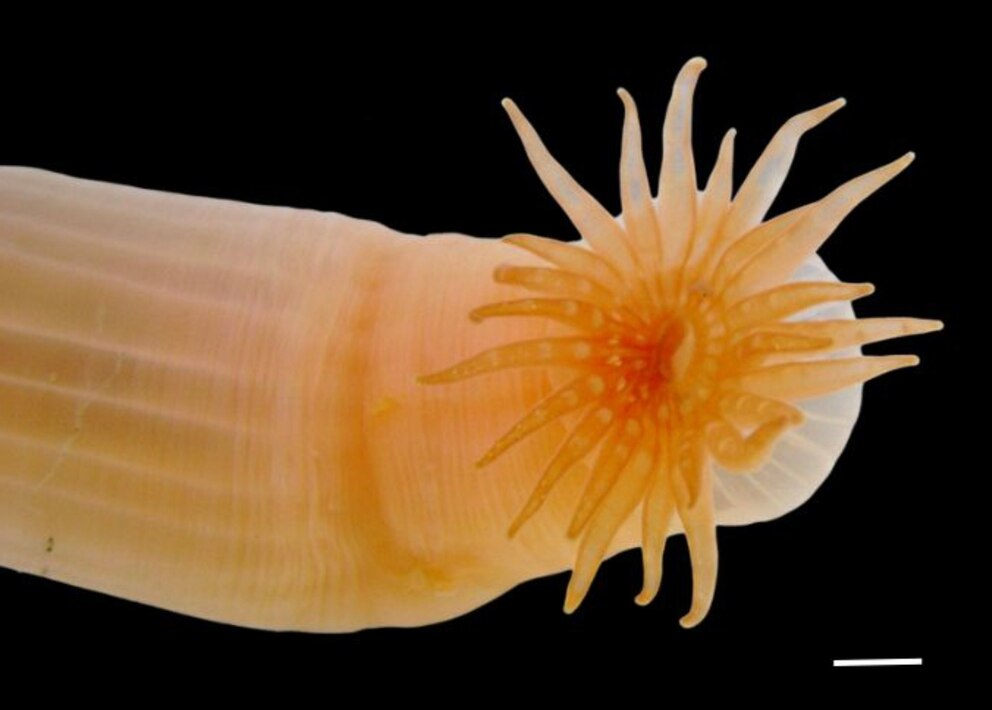
The ribbon worm, a predator marked by striking pigmentation, was discovered close to the surface, between depths of 3 and 16 feet.
A striking new species of shrimp -- the Mediterranean shrimp -- was also found in a sea cave off Marseille, France, the researchers said. It is marked by a vivid orange banding and intricate appendages.
The species were identified amid 13 expeditions across some of the world's most remote and least-explored ocean regions, as well as nine discovery workshops, the researchers said.
"This year, Ocean Census has shown what is possible when scientific ambition is matched by global collaboration at scale," Mitsuyuku Unno, executive director of the Nippon Foundation, said in a statement. "Through expeditions reaching polar depths to tropical seas, and the science to turn samples into discoveries, this team is revealing the extraordinary richness of ocean life.”
Up to 90% of ocean species remain undiscovered, previous research has suggested.
Documenting the breadth of species living in the oceans is necessary for policymakers and marine managers to properly protect the ocean, the researchers said.
The average time between a species' initial discovery and its formal "description" in scientific literature is historically about 13.5 years, which puts species at risk of extinction before they are even catalogued, the researchers said.
"With many species at risk of disappearing before they are even documented, we are in a race against time to understand and protect ocean life," Michelle Taylor, head of science at Ocean Census, said in a statement. "For too long, thousands of species have remained in a scientific "limbo" because the pace of discovery couldn't keep up."
To address this, marine scientists are now recognizing "discovered" as a formal scientific status that can immediately be recorded.