Meet Some of the Most Under-Appreciated Doctors in the Fight Against Ebola
— -- Time magazine named the Ebola fighters as their person of the year, and while Americans came to know Dr. Jerry Brown, Dr. Kent Brantly and others by name ... there is one group of those fighters who have gone largely unrecognized.
Cuban doctors.
They make less than $75 a month, but they are still Cuba's most valuable export.
"I am proud of you all, this is my team," Dr. Juan Carlos told his team as they gathered around a prep area.
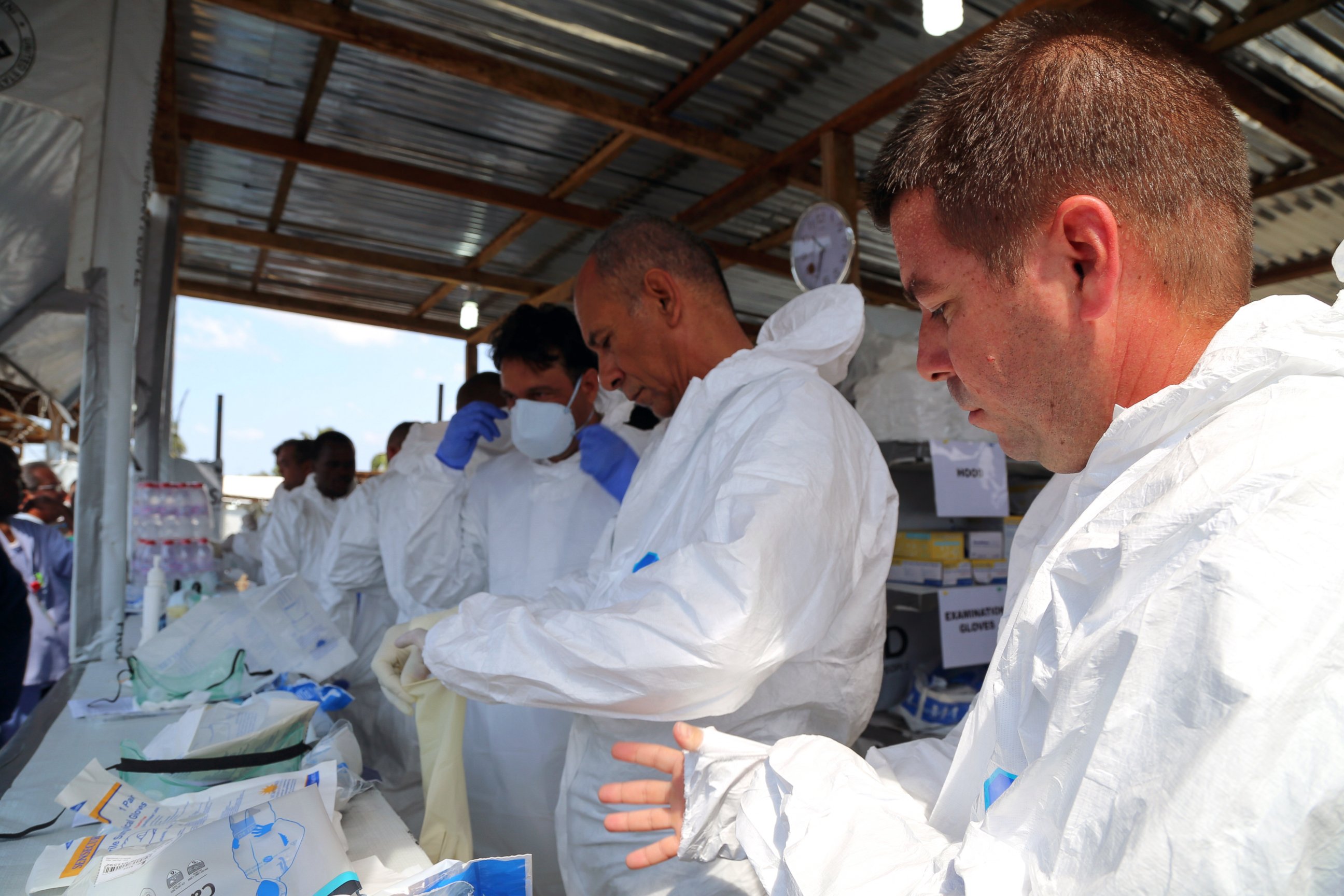
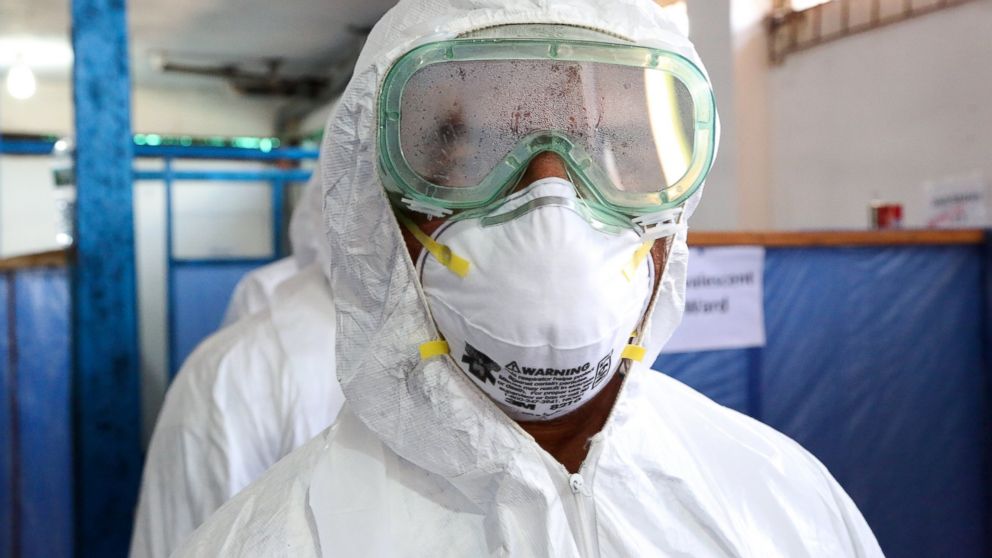
On the day ABC News joined them, they were in Liberia risking their lives like so many other physicians, entering the Ebola hot zone with a thumbs up from beneath their protective suits.
"In this time of need, we can’t say no," Carlos said.
He is one of 250 Cuban doctors in Africa to treat Ebola. More than 20,000 volunteered.
Cuba uses its medical system to raise good will and cash. In Africa, the doctors are on a humanitarian mission, but Cuba exports its medical personnel to Venezuela in exchange for oil.
“We have no materials,” Carlos said. "[We] have very skilled and well-trained human power, resources, and that’s how to make capital. ... We have made a lot in medical, sports, culture, so now we have the possibility to spread solidarity with our human resources.”
After the earthquake-haiti.htm" id="ramplink_Haiti_" target="_blank">Haiti earthquake in 2010, Cuba sent more than 1,000 health-care professionals. Cuba even offered to send teams to the U.S. following Hurricane Katrina.
Carlos and all his Cuban colleagues were trained in Havana at the country's massive biolab, where a tent hospital was built.
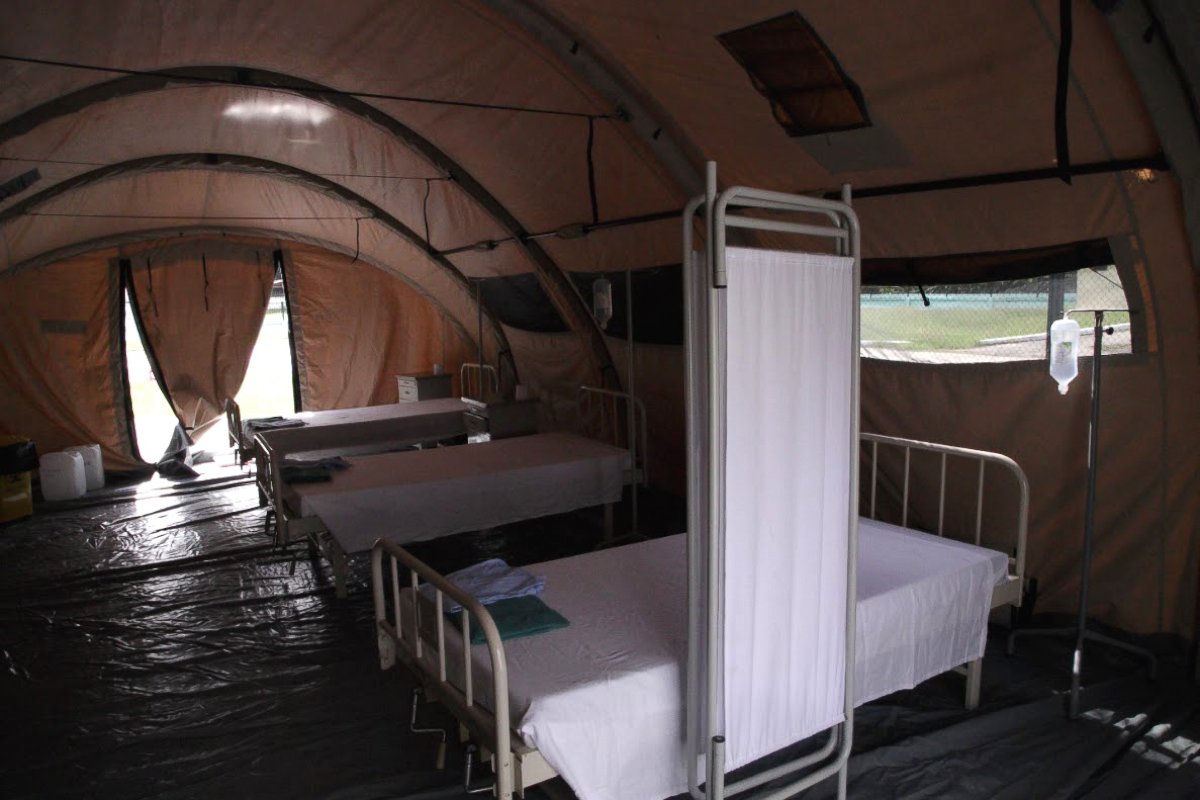
ABC News is the only American media organization that has been allowed to see the training program.
“We are almost like ambassadors,” Dr. Roberto Fernandez, head of bio safety, health and hospital epidemiology, told ABC News. “We collaborate with many other people. And Cuban physicians are, in general, well-accepted in many places because they go to areas that they have many health problems, and sometimes you cannot find all the physicians who want to go there.”
There has been some criticism claiming the Cuban doctors are only eager to go because they get a stipend bonus. Fernandez disagreed.
"I think that they are doing this mostly because it's kind of feelings they have to help all the people, and to give this kind of solidarity with humankind," Fernandez said. "Because there is not enough money for paying your life."
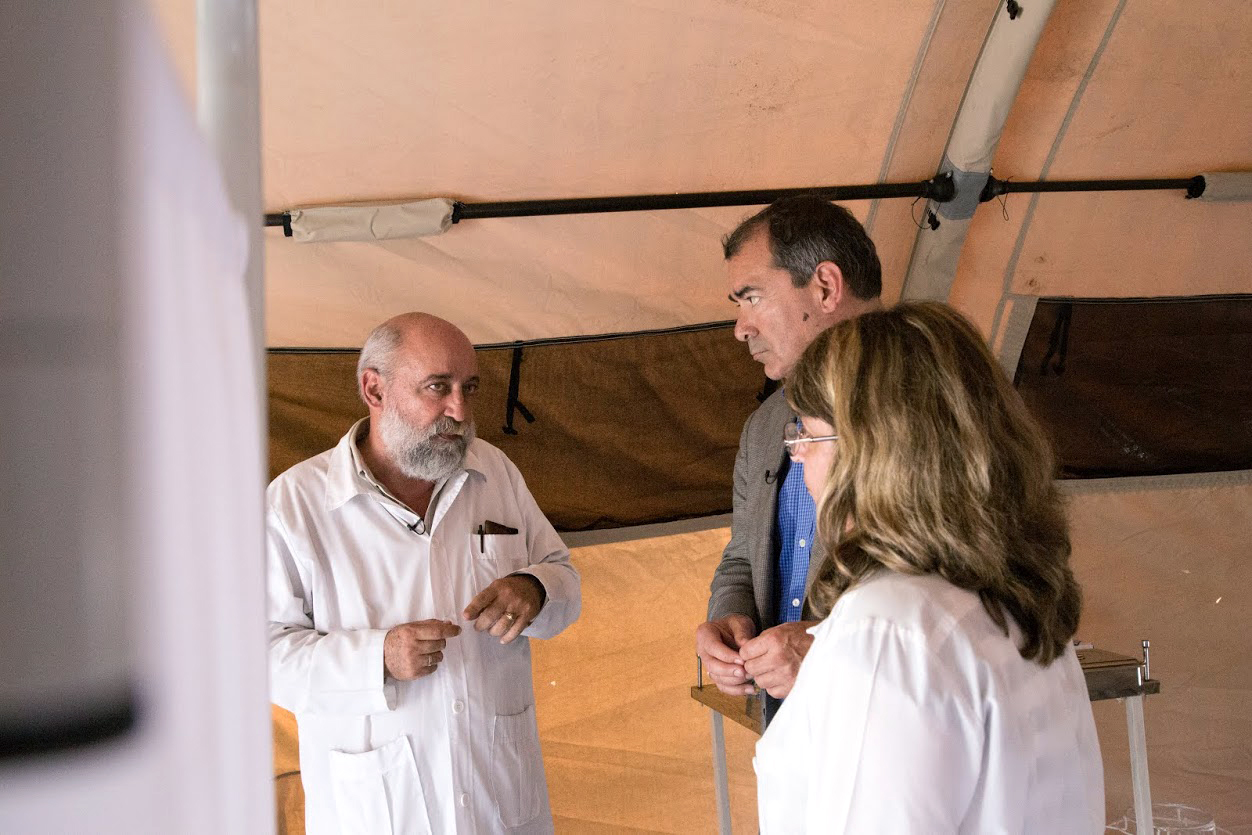
In many cases, the doctors make less than a cab driver when they volunteer.
“Cuba is a small country, a poor country without very good natural resources,” said Manuel Diaz, vice director of the training facility in Havana. "So our main resource now is the human resource, the human capital. And that is why this is what we are promoting -- the human capital."
In the case of Cuba's Ebola effort, the humanitarian volunteers have made an international impression noticed even by the United States.
“Cuba, a country of just 11 million people, has sent 165 health professionals, and it plans to send nearly 300 more,” Secretary of State John Kerry said in October during remarks on the U.S. response to Ebola for members of the diplomatic corps.
U.N. Ambassador Samantha Powers also expressed praise for the Cuban medical team.
“Although I did not encounter them personally, I have to commend Cuba for sending 265 medical professionals early,” Powers said at a panel discussion on Ebola at Thomson Reuters upon her recent return from a trip to Liberia. “I think they announced that going on almost two months ago. And they are sending another 200 on top of that 265. That is a big gap and a big need.”
Perhaps that's the nicest thing an American official has said about the island neighbor since the Cuban Missile Crisis.