Meet Roy Moore, the controversial Alabama Senate candidate
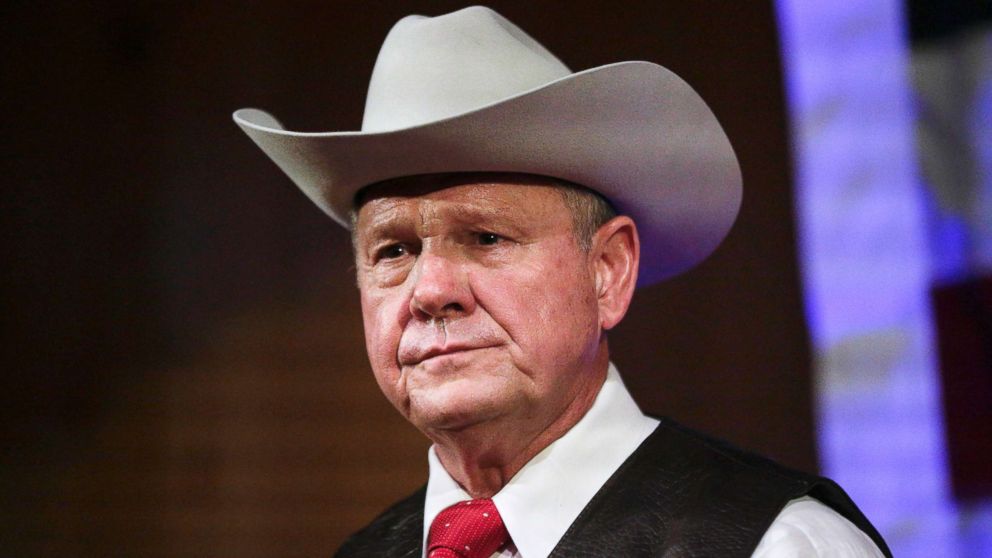
— -- The allegations of decades-old sexual misconduct leveled at controversial Alabama Republican Senate candidate Roy Moore has many taking a more detailed look at the lawmaker’s past.
The Washington Post reported Thursday that he allegedly engaged in sexual activity with a 14-year-old girl in the 1970s -- one of four women the newspaper included in its story. Moore, who has denied the sexual misconduct allegations, issued a statement calling the report a “completely false and desperate political attack.”
Political sex scandals
Politicians from Anthony Weiner to Bob Packwood and their sex scandals.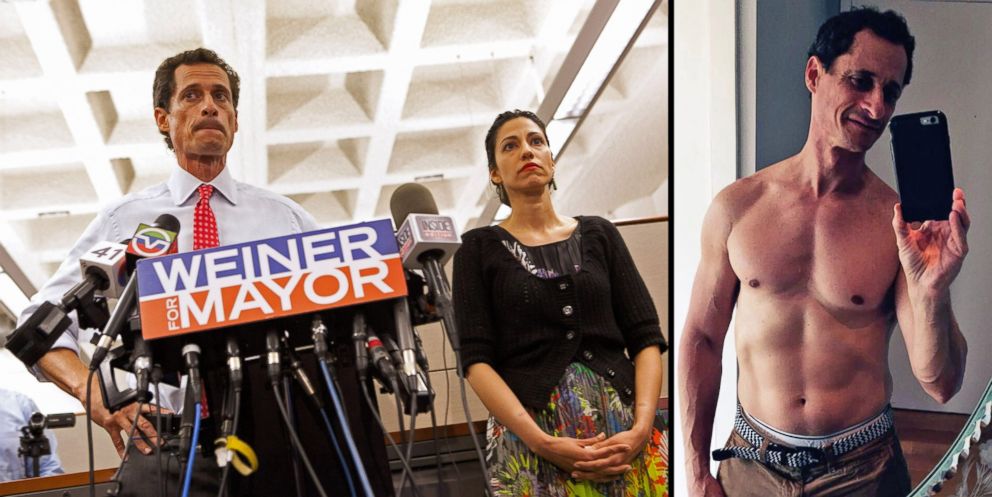

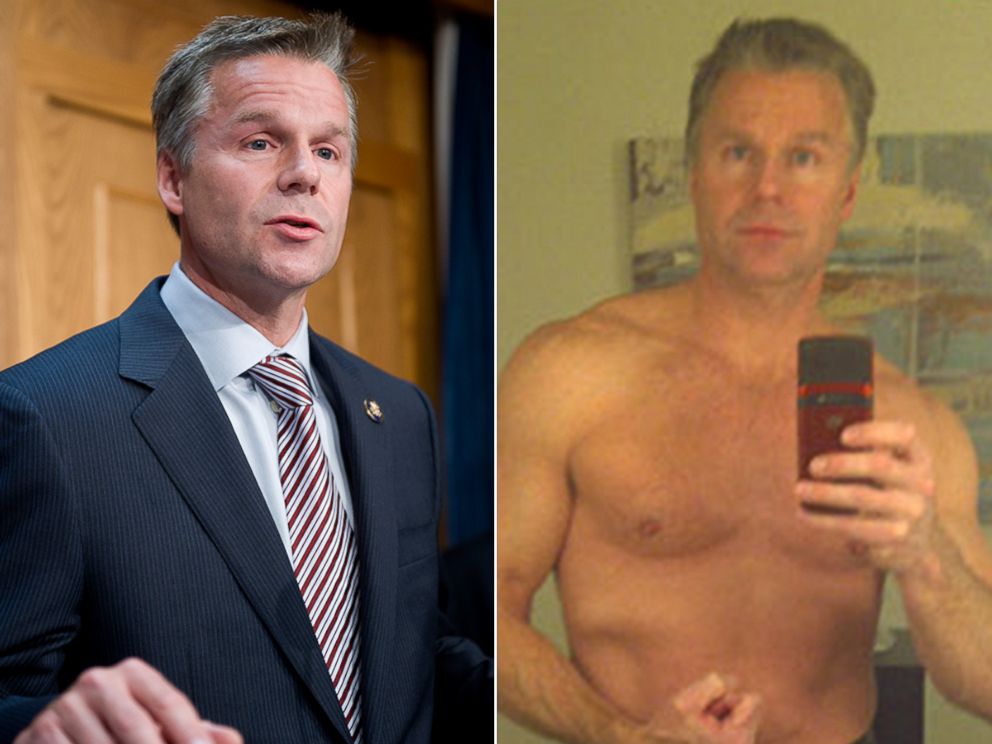
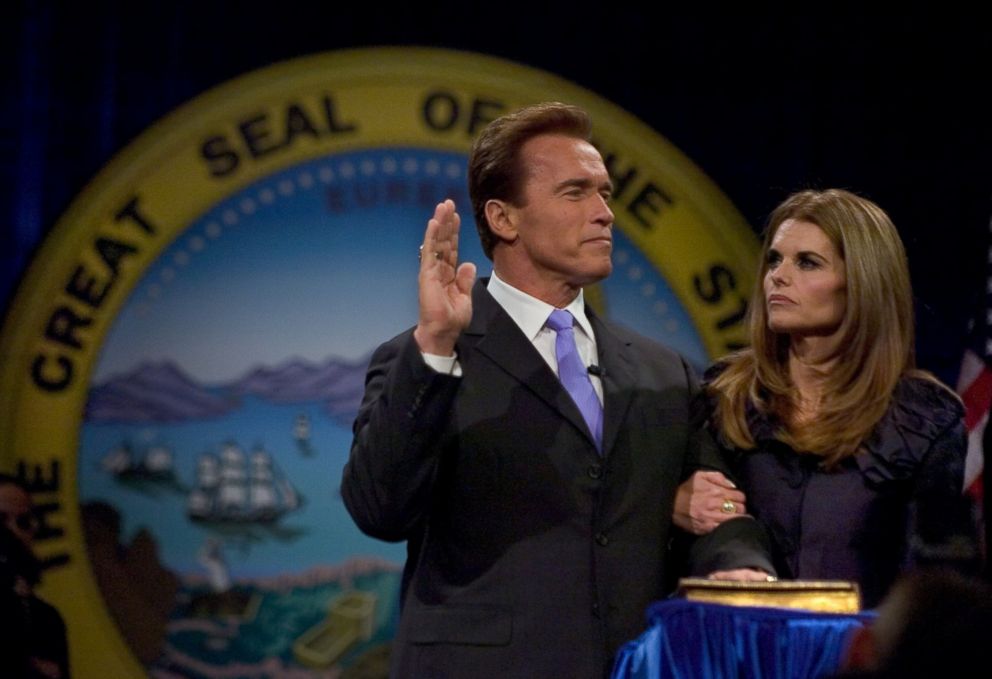

Some prominent Republicans, including President Donald Trump, are calling for him to drop out of the race if the allegations are true.
Moore is vying for the seat left open when former Alabama Sen. Jeff Sessions joined the Trump administration as attorney general. In September, Moore beat his Republican primary challenger Luther Strange even though Strange had the support of Trump.
Here is a rundown of Moore’s political history and some of the issues he has championed – and been criticized for – in the past.
Biblical battle
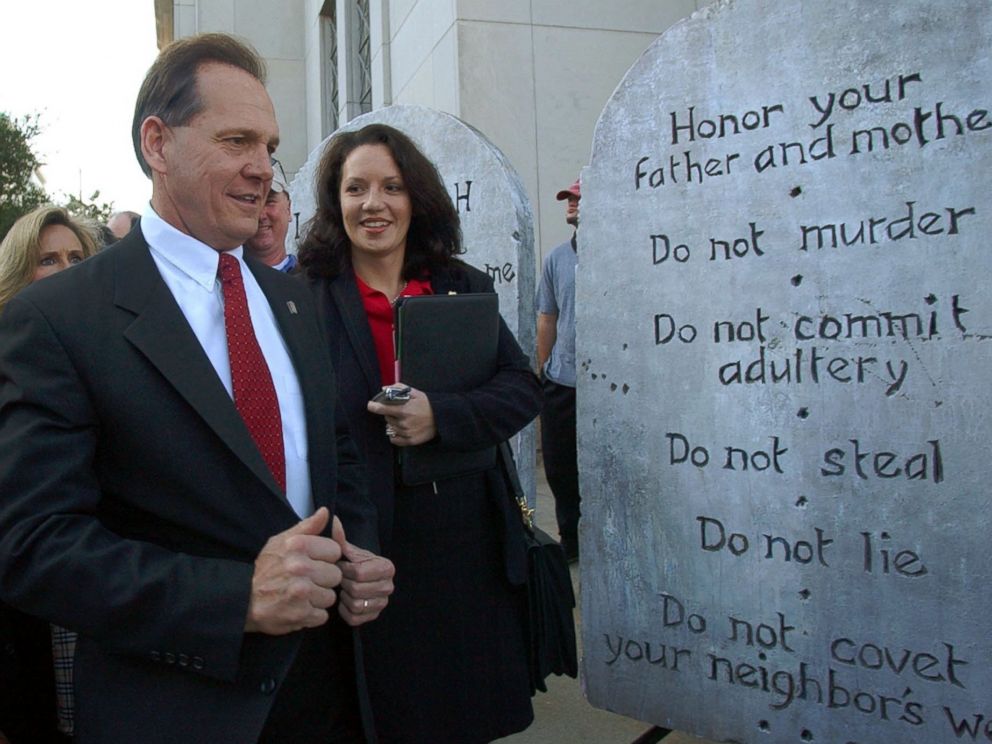
Moore’s first appointment as a judge came in 1992 when then-Governor H. Guy Hunt appointed him to the 16th Circuit Court of Alabama. Moore quickly generated controversy by hanging a wooden plaque inscribed with the Ten Commandments on the wall of his courtroom and started the practice of beginning his court proceedings with a prayer.
In 1995, the American Civil Liberties Union sued Moore, claiming his display of the Ten Commandments and courtroom prayers were unconstitutional.
The suit was eventually dismissed after it was ruled the ACLU lacked standing in the case, and Moore was allowed to keep his plaque up and to continue praying in the courtroom.
After winning the 1999 election for chief justice of the Alabama Supreme Court, Moore began designing a monument that he said was meant to depict “the moral foundation of law.” What was eventually unveiled in the summer of 2001 was a 5,280-pound, granite monument affixed with the Ten Commandments in the rotunda of the Alabama state judicial building in Montgomery.
That fall, the ACLU, along with the Southern Poverty Law Center, sued Moore for violating “the constitutional principle of separation of church and state.”
In November of 2002, U.S. District Court Judge Myron H. Thompson ordered Moore to remove the Ten Commandments monument within 30 days, ruling that its placement violated the establishment clause of the First Amendment. Judge Thompson’s ruling was affirmed by the U.S. Court of Appeals in July of 2003, and in August, Moore was again ordered to remove the monument. He refused, appealing the case to the U.S. Supreme Court, which declined to hear the case. In November of 2003, Moore was removed from the Alabama Supreme Court by the Alabama Court of the Judiciary for “willfully and publicly” defying the orders of a United States District Court.
Protecting rights for some but not all
Religion continued to play a big role in Moore’s political life, but critics said he focused on protecting Christian rights and not equally protecting members of all religions.
After his removal from the bench in 2003, Moore turned his attention to the Foundation for Moral Law, a group he founded in 2002 in order "to restore the knowledge of God in law and government and to acknowledge and defend the truth that man is endowed with rights, not by our fellow man, but by God!" according to the group's website.

In 2006, Moore penned an op-ed on the website WorldNetDaily.com in which he said that Keith Ellison, the first Muslim ever elected to the U.S. Congress, should not be allowed to serve because of his religious beliefs.
More recently, Moore told a Vox reporter in August that he believed there are communities in the United States that are currently living under Sharia law. When pressed for evidence, Moore was unable to substantiate his claims.
Fighting against gay rights
In 2005, during an interview on CSPAN with political commentator Bill Press, Moore stated that he believes "homosexual conduct" should be illegal in the United States.
He tried to take legal action on that belief when he was elected to be the chief justice of the Alabama Supreme Court again in 2012.
When the U.S. Supreme Court’s decision in Obergefell v. Hodges legalized same-sex marriage nationwide, Moore tried to stop it from including Alabama.
In defiance of the ruling, Moore –- who had already been battling a U.S. District Court that ruled the state’s marriage laws unconstitutional –- ordered Alabama’s probate judges to continue enforcing the state’s ban on same-sex marriage.
In September of 2016, after numerous ethics complaints, the Alabama Judicial Inquiry Commission found Moore guilty of six ethics charges in connection with his refusal to comply with "binding federal law," and he was suspended for the remainder of his term on the Alabama Supreme Court.