Meteorologists explain how the flash flooding in central Texas got so bad
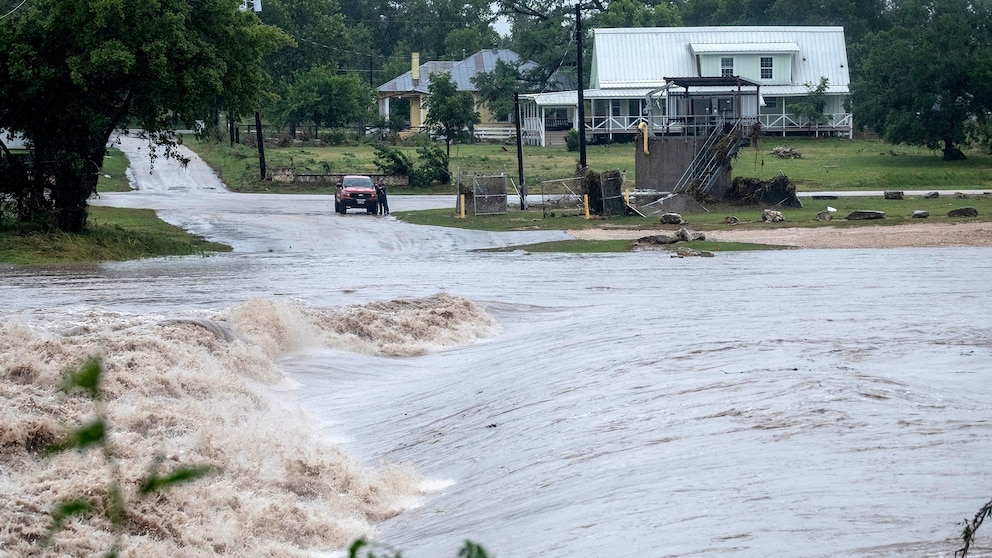
A confluence of meteorological conditions made possible the days-long system that brought torrential rain and flash flooding to central Texas, experts told ABC News.
An upper-level disturbance in the atmosphere contributed to the storm system essentially sitting over Texas Hill Country, John Nielsen-Gammon, a professor of meteorological sciences at Texas A&M University and the Texas state climatologist, told ABC News.
The "unusually strong" upper-level ridge allowed for the system to have a completely clockwise circulation, parking it over the region, Nielsen-Gammon said.
The disturbance then combined with a mesoscale convective vortex, a warm low-pressure circulation, that pumped moisture from the tropical air mass in the Gulf -- causing the system to dump heavy rain over the region for multiple days, Marshall Shepherd, director of the Atmospheric Sciences Program at the University of Georgia and former president of the American Meteorological Society, told ABC News.
"It's really kind of an ideal setup from a rain production standpoint," Shepherd said.
During July, a lot of moisture is coming into the state of Texas due to the low-level jet stream from the western Gulf of Mexico, Nielsen-Gammon said.
The Pacific also produces monsoonal moisture as well as cool air masses from the north that converge to produce extreme rainfall events.
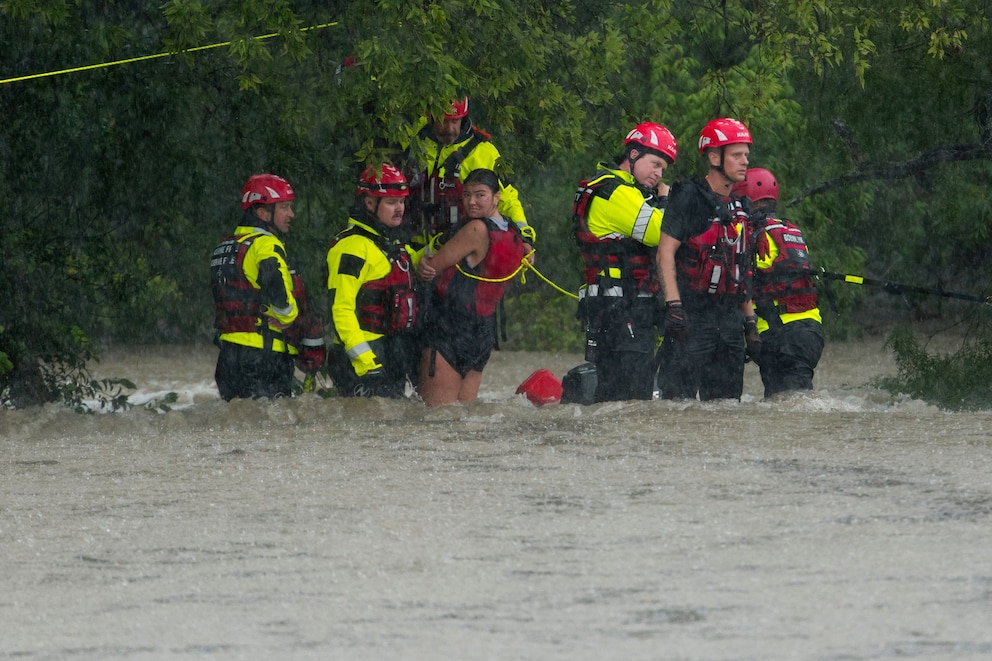
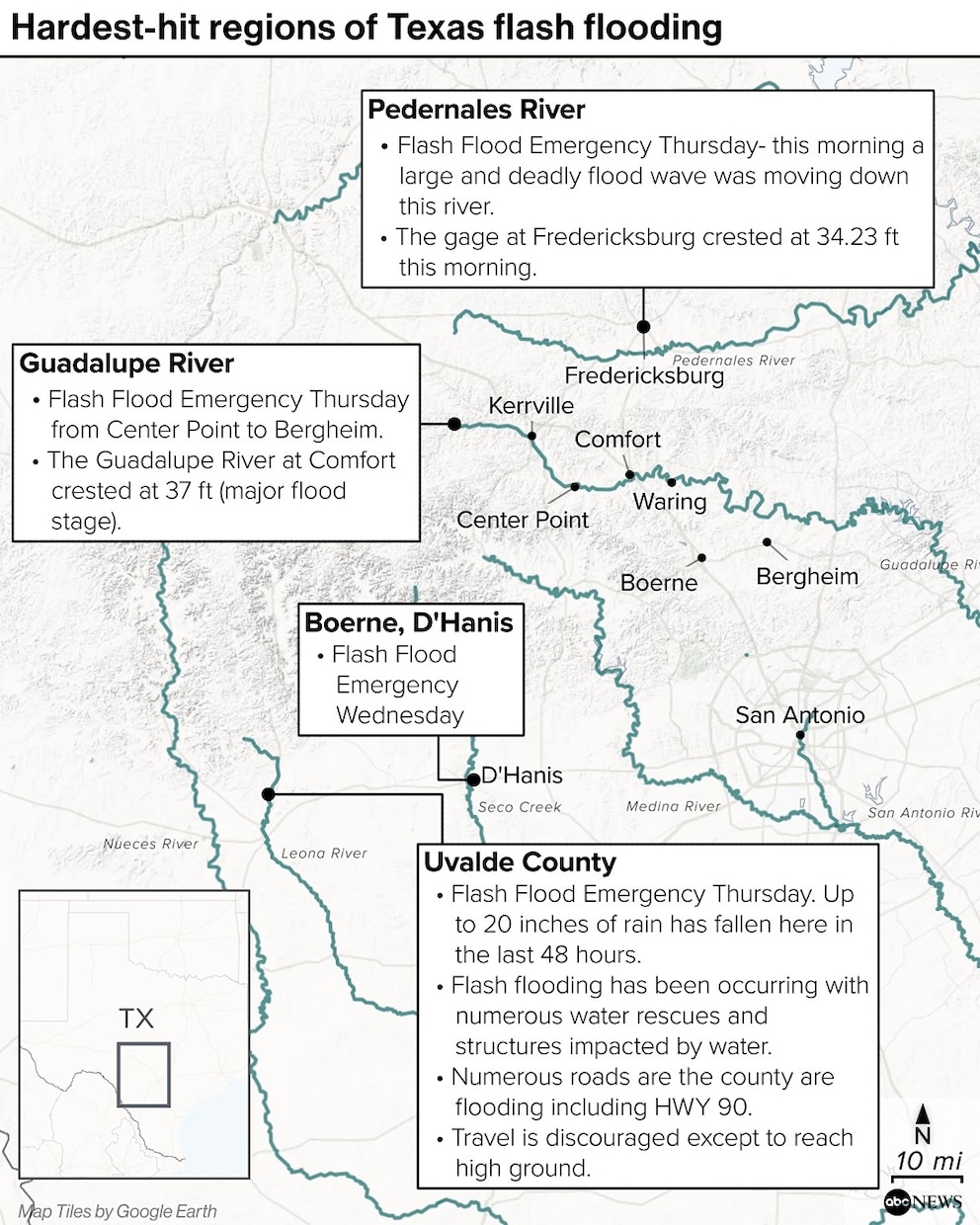
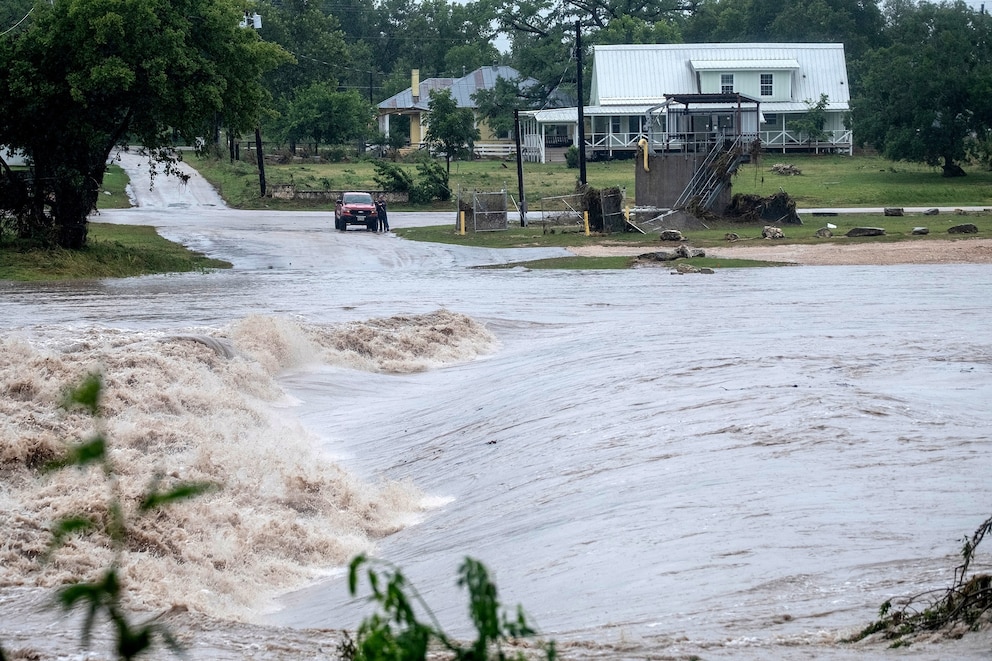
Heavy rain that began in Texas Hill Country on Tuesday continued into Wednesday and Thursday, prompting several flash flood alerts along waterways like the Guadalupe River and Pedernales River.
Precipitation totals have exceeded 2 feet in some areas, Nielsen-Gammon said.
The storm that killed at least 133 people over the Fourth of July weekend last year was "very flashy," with an intense amount of rainfall in a short amount of time, Nielsen-Gammon said. This storm had less intense but brought more prolonged rainfall and was broader geographically, with flash flood watches up and down the I-35 corridor, including the Rio Grande and Texas plains, Shepherd said.
In addition, initial hydrographs indicate that the river levels may be higher this year, Shepherd said.
"From a meteorological and a hydrological perspective, it may be at an even more extreme than the 2025 flood event," Shepherd said.
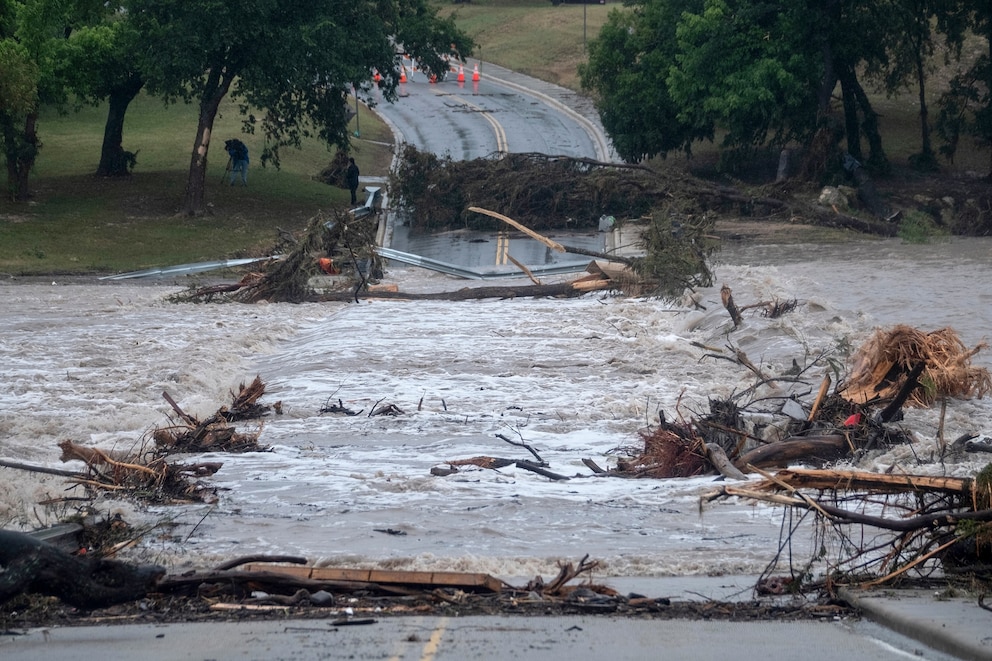
The rushing floodwaters from the Nueces River in Uvalde County caused the FM 481 bridge on Farm-to-Market Road to collapse on Thursday morning, according to the Texas Department of Public Safety.
But since the flooding took longer to develop, it may have provided more time for people to "take action and protect themselves," Nielsen-Gammon said.
Two people died as a result of the flooding on Thursday, according to Texas Gov. Greg Abbott.
"Hopefully we've learned some lessons, and people had more plans and knew what to do," Troy Kimmel, a retired professor of meteorology for the University of Texas and an incident response meteorologist for emergency management, told ABC News.
Texas Hill Country one of the most flood-prone regions in the U.S. Known as "Flash Flood Alley," the region is susceptible to dangerous flooding because of its landscape, in addition to the weather, according to the Texas Water Resources Institute (TWRI).
The "alley" features steep terrain, shallow soil and repeated high rainfall events.
Much of the region, which stretches from Dallas to San Antonio and encompasses the Colorado and Guadalupe River basins, is situated on a floodplain between tall hills, which funnels any rainfall into rivers and creeks and causes them to rise rapidly, according to the TWRI.
"From a geography standpoint, that makes this area so absolutely beautiful. It's why people love it, why we have so many campers out there along the rivers and streams, out over the hill country," Kimmel said. "But, frankly, it makes it that much more dangerous when these big events roll along."
In addition, the thin layers of clay soil -- with subsoil limestone layers underneath -- do not absorb any moisture, Kimmel said.
"You have shallow soils and deep canyons, so it makes flooding very rapidly develop and dangerous," Nielsen-Gammon said.