Meteorologists predict 'near-normal' season for 2023 Atlantic Hurricane Season, NOAA says

The National Oceanic and Atmospheric Administration is predicting a near-normal hurricane season for the 2023 Atlantic Hurricane Season.
There is a 40% chance of a near-normal season, a 30% chance of an above-normal season and a 30% chance of a below-normal season, NOAA Administrator Richard Spinrad told reporters during a media briefing on Thursday.
The National Hurricane Center is predicting between 12 to 17 named storms that have top winds of at least 39 miles per hour, Spinrad said. Of those storms, five to nine are forecast to become hurricanes, including four major hurricanes at a Category 3 or above, Spinrad said.
This year is warmer than last year, creating conditions that could allow tropical systems to intensify, Matt Rosencrans, lead hurricane season outlook forecaster with NOAA's Climate Prediction Center, told reporters. The wet African monsoon season is currently very active, which could help produce long-lived tropical cyclones.
In addition, even though there is a developing El Nino, which usually suppresses the activity, the Atlantic still could see near-normal tropical activity.

"The stronger than an El Nino event, usually the less amount of storms you have," Rosencrans said.
The U.S. saw 14 named storms in 2022. Three of those hurricanes caused a collective $117 billion in damages, U.S Department of Commerce Deputy Secretary Don Graves told reporters.
"Hurricanes and the destruction they cause can have devastating impacts to affected communities, and to local economies," Graves said.
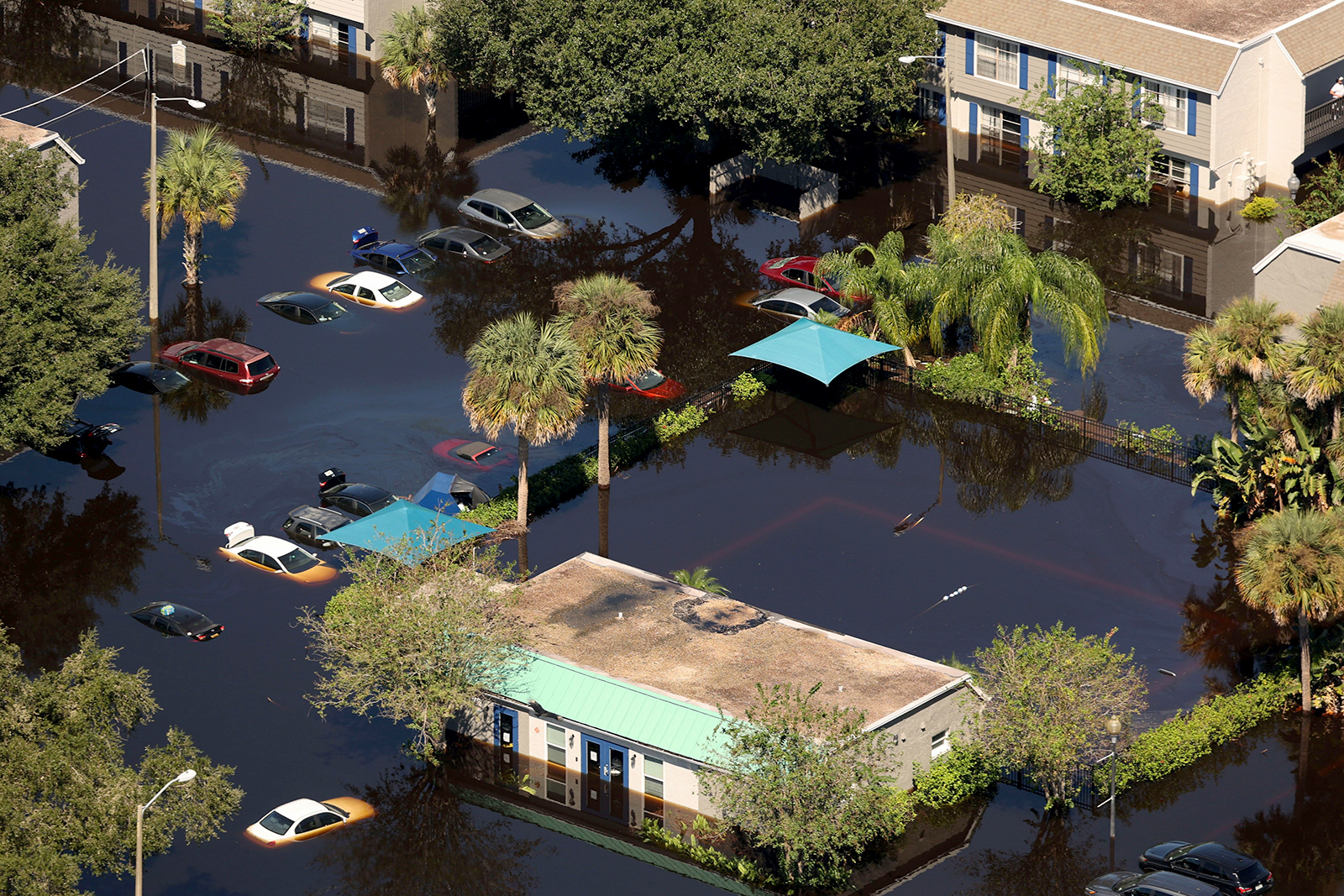
Spinrad emphasized the necessity to prepare for devastating storms.
"Remember, it only takes one storm to devastate a community," he said. "Regardless of the statistics I shared if one of those named storms is hitting your home, your community. It's very serious."
Major strides have been made in recent years in the accuracy in which NOAA is able to forecast hurricanes, Graves said. For example, the accuracy of the forecast track has improved by 40% since 2017, and the lead time hurricane forecast by two days, NOAA said. In addition, the seven-day track forecast now has the same accuracy as the five-day track forecast, Graves said.
NOAA will be implementing more powerful supercomputers, developing upgraded forecast models and employing better satellite observations to better track hurricanes in the future, Graves said.
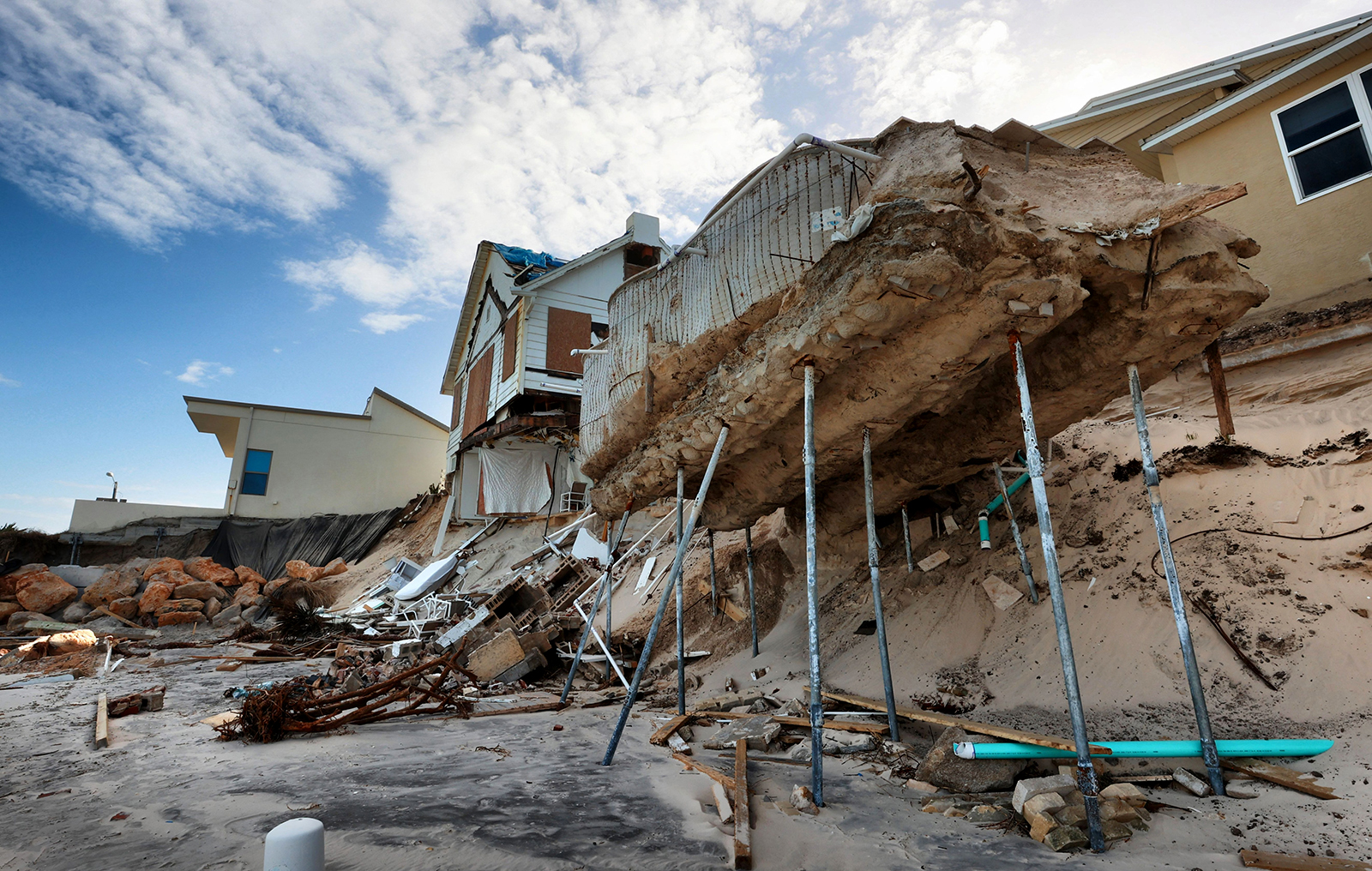
A retrospective analysis of storms in the North Atlantic basin from 2020 to 2022 showed the new hurricane model provided up to a 15% improvement in track and intensity forecasts over existing models, Spinrad said.
"These additional days of preparedness can make all the difference in places like Florida, Puerto Rico and other parts of the country in mitigating the destruction and saving countless lives," he said.
Overall, the number of storms has not increased due to climate change, but the hazards that result have increased, such as more storm surge and heavier rainfall. In a warmer climate, the atmosphere can hold more water, therefore producing heavier rainfall. With sea level rise and more people living along the coast, storm surge becomes a greater problem.
The U.S. is seeing "more and more" impacts from hurricanes, Federal Emergency Management Agency Deanne Criswell told reporters.
"They are going to be stronger, they will last longer," she said. "FEMA will be ready to support you."
The 2023 Atlantic hurricane season starts on June 1 and ends on Nov. 30.