How to look out for neighbors during an extreme heat wave
In the small town of Gideon, Missouri -- with a population of about 1,000 people -- almost everyone knows one another, according to local police chief Rinda Dillard.
When the Gideon Police Department were called for a wellness check on a residence on July 9, they made a tragic discovery when no one answered the door and police had to force their way into the home.
Inside, an older couple and three of their dogs were found dead. The cause of death was heat exposure, according to officials.
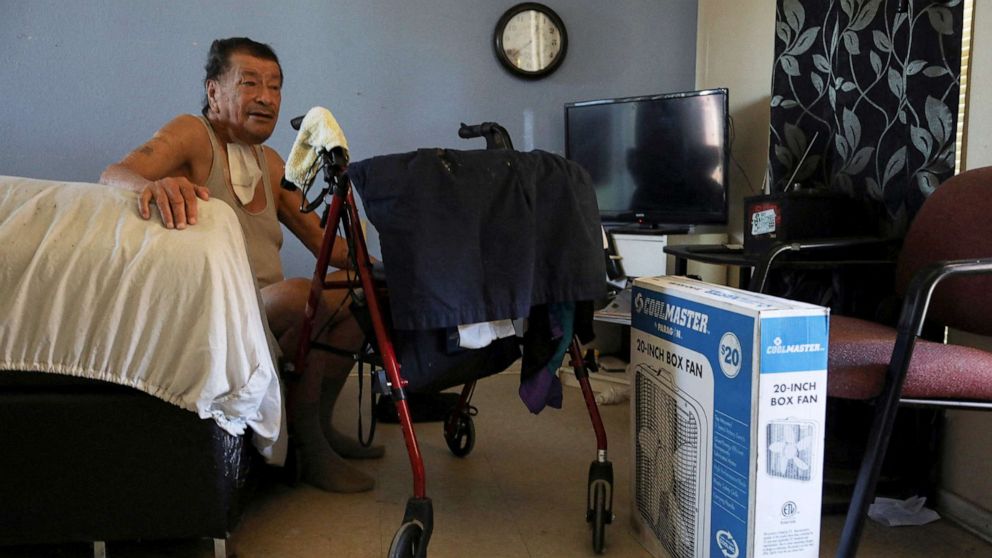
"Nobody checked on them. More than anything, just make sure you check on your neighbors," Dillard told ABC News. "It was a horrible, tragic situation. Definitely could have been avoided. They didn't have any kind of air conditioner. They've had one fan inside their home."
As the heat breaks records worldwide -- reaching dangerously high, unprecedented temperatures -- officials are warning people to look out for one another.
Reach out to neighbors
The Centers for Disease Control and Prevention advises people check on their neighbors regularly, particularly older, sick, or disabled people, as well as people who live alone or who are impoverished.
"Closely monitor people who depend on you for their care and ask these questions: Are they drinking enough water? Do they have access to air conditioning? Do they need help keeping cool?" the CDC guidance reads.
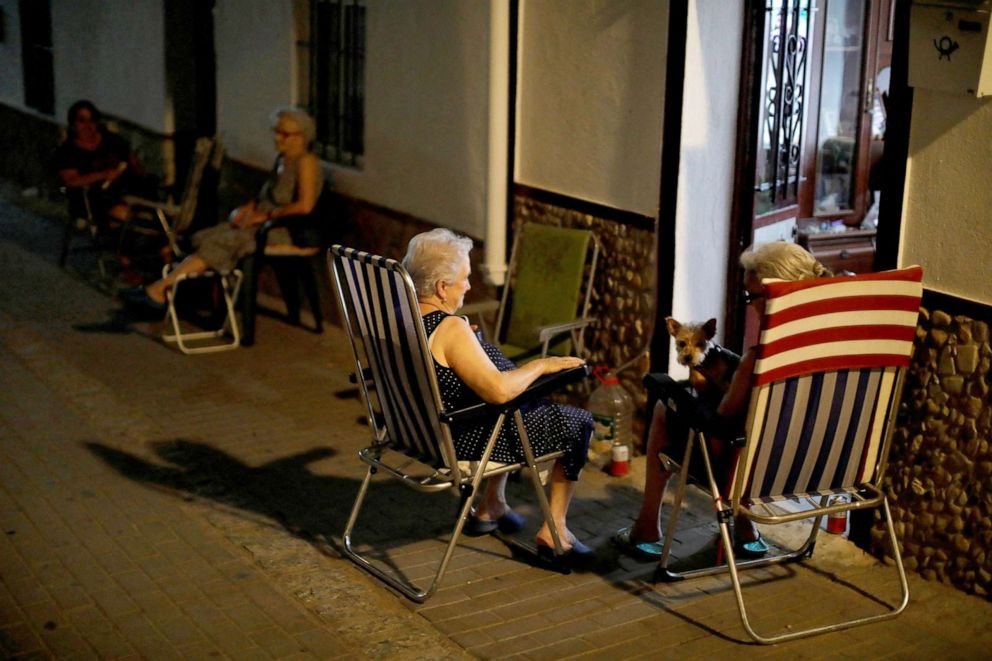
For homeless populations in your neighborhood, call your local public officials or homeless advocacy groups if you see someone in need of help. Non-emergency hotlines, such as 311 services, can also offer aid.
Homeless people are about 200 times more likely to die from heat-associated causes than sheltered people, climate scientist David Hondula told The Weather Channel based on new research.
"Homeless people can be at great risk during extreme heat events, especially if they are elderly or disabled, struggle with alcohol or drug addiction, or suffer from medical conditions such as diabetes, high blood pressure, and more," the CDC reads.
When you check on your neighbors, it's important to note what to look for when visiting.
Know signs of heat stress, exhaustion
"Ask yourself these questions: Are they drinking enough water? Do they have access to air conditioning? Do they know how to keep cool? Do they show any signs of heat stress?" the CDC guidance reads.
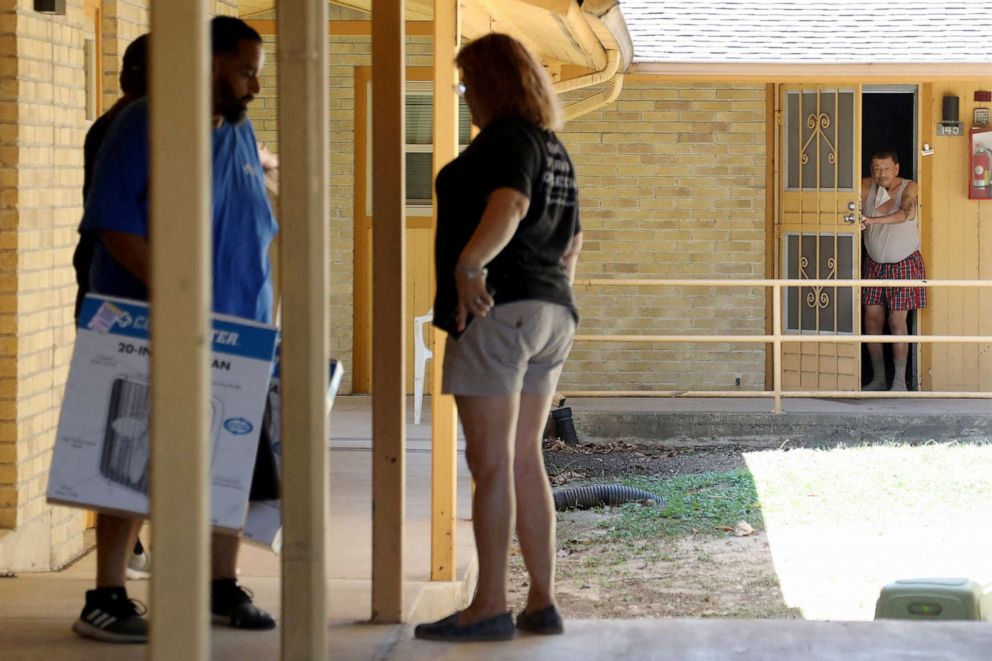
Make sure to get neighbors the help they need if they do not have access to protective measures. Also, take note of any signs of heat stroke or heat exhaustion.
For signs of these conditions, check out ABC News' guide to staying safe in extreme heat.
If someone needs help, it's important to know where to go to, to get them what they need.
Familiarize yourself with available local resources and how to get them
"If there's something out of whack, call the police department … so we can check the resources and see what they have available," said Dillard.
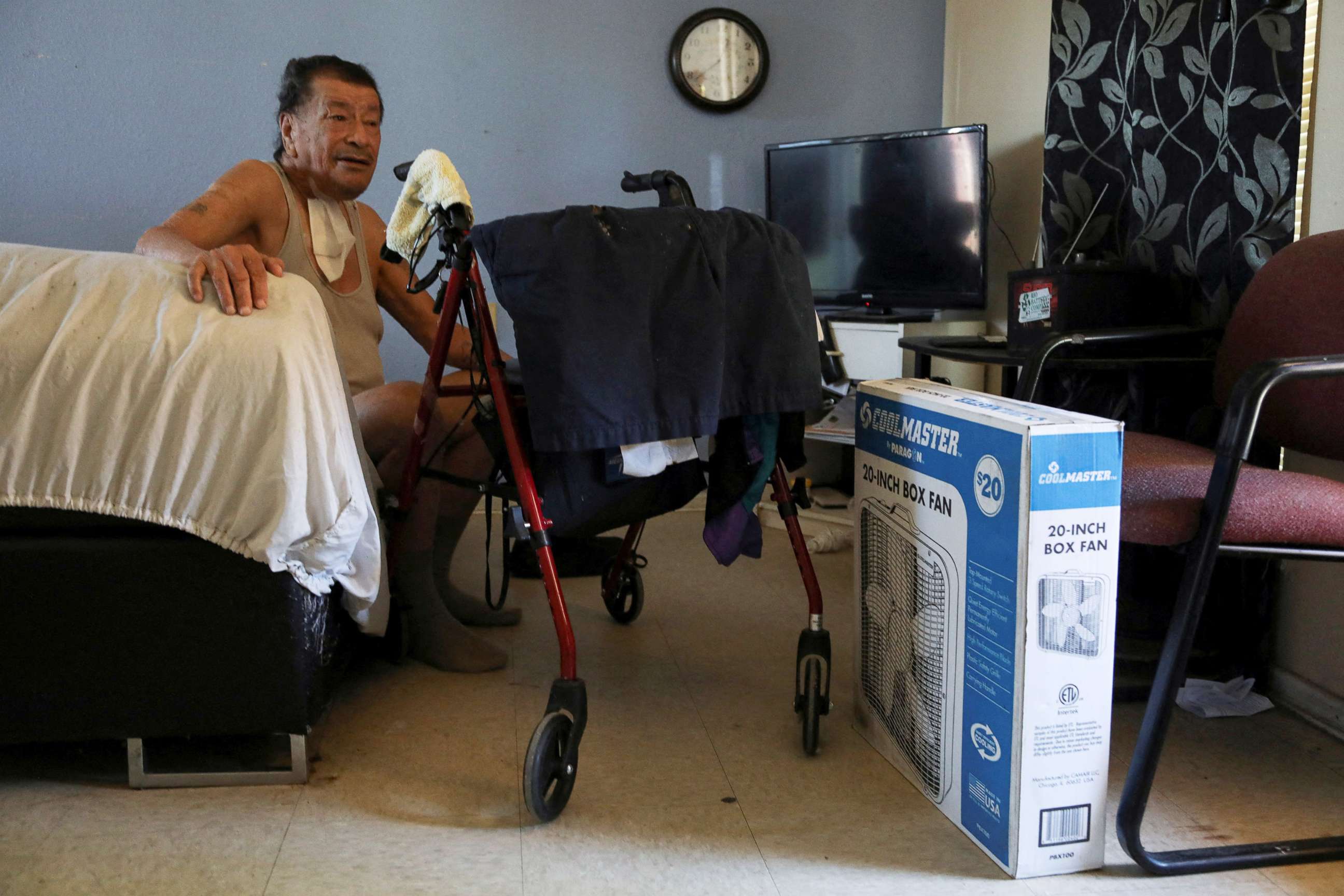
She, alongside recommendations from the CDC, advises people to check with local agencies and non-governmental organizations that may be able to offer support.
Many local agencies and groups can provide air conditioners, offer subsidies for at-home cooling appliances, or can direct and transport people to cooling centers.
Local governments often develop plans that identify how to respond to extreme heat, especially as trends show that this problem is being exacerbated by climate change.
"If you are interested in heat-response planning efforts in your community, your town or city hall is a great place to start," the CDC advises. "Ask how you can get involved!"