'Get off your phones': Surgeon general advisory calls on kids to cut screen time

The Department of Health and Human Services released its newest surgeon general advisory on adolescent screen time on Wednesday -- urging kids to put down their phones and "be in the moment," stopping short of recommending specific screen-time limits.
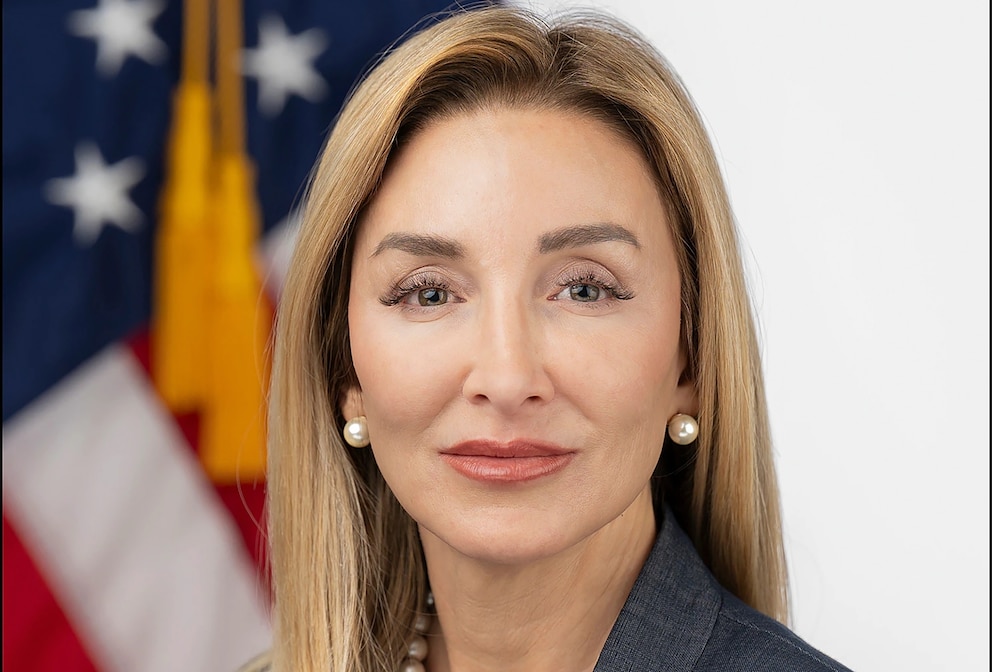
Dr. Stephanie Haridopolos, an HHS official who was the architect of the advisory, urged children and adolescents to "live real life" -- a reference to the advisory's recommendation to youth engaging in what they call excessive screen time.

The American Academy of Pediatrics said that because kids use screens for school work, connecting with others, playing games and browsing social media, families should consider "quality of interactions with digital media and not just the quantity, or amount of time."
The surgeon general advisory does not present any new research. Rather it is a summary of previous studies, including organizations like the American Academy of Pediatrics and the Journal of the American Medical Association.
"It means get off your phones, go outside, be in the moment, give eye contact, socialize with your peers," Haridopolos said in an interview with ABC News, adding that the Trump administration is "going back to the basics."
The advisory, a public statement that calls American's attention to an "urgent public health issue" and provides recommendations for how it should be addressed, was released amid a growing debate over cellphone usage and its impact on youth -- especially at schools.
Haridopolos was recently elevated to the role of director of health communications at the office of the surgeon general, according to an HHS email reviewed by ABC News.
The surgeon general's post is unfilled after two of President Donald Trump's nominees have been pulled since he regained office. The surgeon general -- a position that requires Senate confirmation -- is often referred to as the nation's "top doctor."
Trump nominated Dr. Nicole Saphier to the position, though dates have not yet been scheduled for her confirmation.
The new advisory aims to protect children and their privacy online while offering recommendations to minimize screen time. It did not undergo a formal systematic review; rather it was compiled by HHS officials in accordance with the Make America Healthy Again strategic plan.
Excessive screen time is defined as use that may be harmful when a child loses control of his or her usage or shows warning signs of compulsive behavior, according to the document. It refers to the "entire digital ecosystem" of apps, smartphones, tablets, chatbots and other screen-associated devices and interfaces -- not just social media platforms.
The guidance comes at a time when many parents are looking for ways to limit their kids' screen time.
"We are now at a time when parents have become aware of some of the harmful mental health effects screens can have on their children," said Ariana Hoet, executive clinical director of The Kids Mental Health Foundation and a pediatric psychologist at Nationwide Children's Hospital. "However, they find themselves at a loss of how to take action."
She added: "Many parents focus on screen time limits, but we need to start focusing on what kids are doing on those screens, the content they're engaging in, and the people they're interacting with online. Parents also need to be aware of what real-life experiences, like getting outside to ride bikes or play with their friends, kids are missing out on because they would rather be on their digital devices."
Concerns warrant 'prompt attention'
The health department's 40-page document recommends that children and teenagers who engage in harmful amounts of screen time are prone to lower academic performance, anxiety and depression, among other childhood development concerns, such as decreased physical and mental health. It notes that stakeholders -- from healthcare providers to schools and policymakers -- should give prompt attention to these concerns and take steps toward preventative action.
The five recommendations outlined in the advisory include the "5 Ds," which are discuss, do, delay, divert and disconnect. This framework recommends that stakeholders, such as caregivers and school communities, ensure they discuss screen use with children, model healthy behaviors for them, delay a child's screen time when the child is young, divert kids' attention with other activities and help them disconnect from their devices regularly.
According to the advisory, higher levels of screen time have consistently been linked to physical health challenges and poor educational outcomes.
School-based health experts, including school nurses and school psychologists, agree that a child's healthy habits can lead to academic success, but they also argue that not enough data is available to prove screens alone are significantly harming students at school.
"There's edtech, and there's social media, and there's all this other screen time and they're not all the same," Kelly Vaillancourt Strobach, director of Policy and Advocacy at the National Association of School Psychologists, said at a school-based health briefing on Capitol Hill earlier this week.
Haridopolos applauded former Surgeon General Vivek Murthy for starting the conversation around social media and mental health. Murthy's 2021 mental health advisory called for immediate awareness and action to youth experiencing trauma following the pandemic. It also warned of the increased pressure on the mental health of young people, particularly when it came to the effects of disruptions to traditional in-person schooling.
The new advisory expands on Murthy's goal of combatting the youth mental health crisis, according to Haridopolos.
"We took it to screens," Haridopolos said, adding "we took it past just mental health, and we included physical health, cognitive and emotional development, and academic outcomes, as well as mental health and substance-abuse harms."
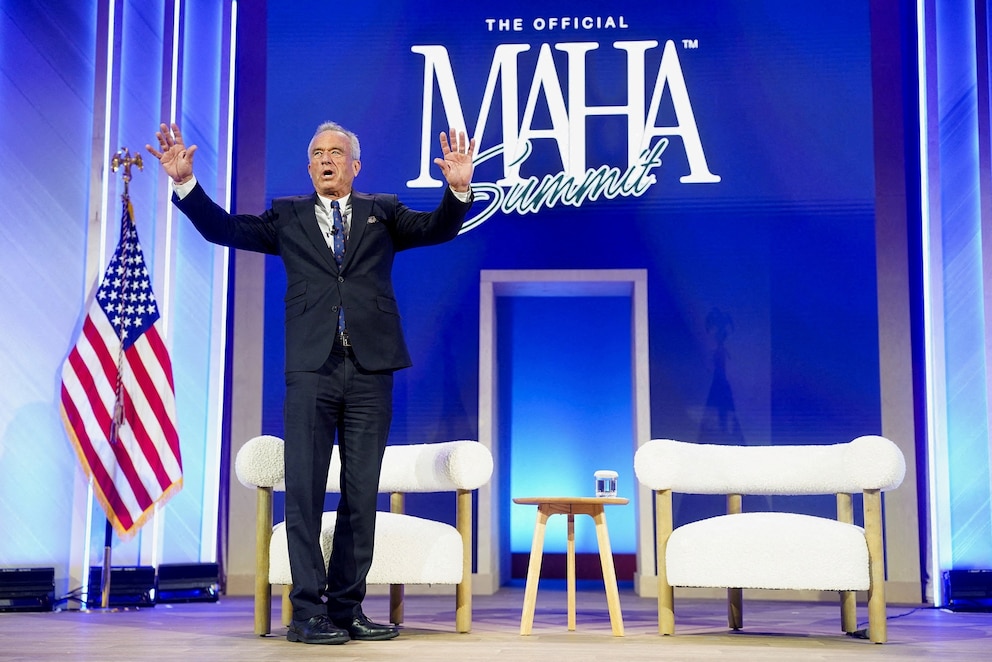
The Trump administration's MAHA movement has touted its focus on combating chronic disease and improving children's health. In the advisory, Health Secretary Robert F. Kennedy Jr., who has been outspoken about his personal journey with substance-abuse addiction, argued that screen ubiquity and its features leads to "addiction-like behavior."
Cellphone bans
The advisory also emphasizes the need for cellphone bans at K-12 schools.
As schools grapple with the effectiveness of cellphone bans, the advisory calls for implementing bell-to-bell ban policies to "limit or eliminate" cellphone use during school hours.
Most states have at least partially banned the devices throughout the school day and the National Defense Authorization Act -- Congress' signature defense policy and spending bill -- banned cellphones for K-12 students attending schools on military bases.
Some studies suggest bell-to-bell bans haven't been as effective this school year but Thomas Toch, the director of FutureEd -- an education policy center at Georgetown University -- said cellphone bans can be a "necessary step" to improving educational outcomes for students.
Child Mind Institute President Harold Koplewicz concluded that phones are "distracting."
"Kids shouldn't have phones in school," Koplewicz, a child psychiatrist, told ABC News. "If your mom or dad really needs to get a hold of you, call the office," he said.
"There's nothing positive about distraction," he added.