Oil prices surge ahead of possible US attack on Iran
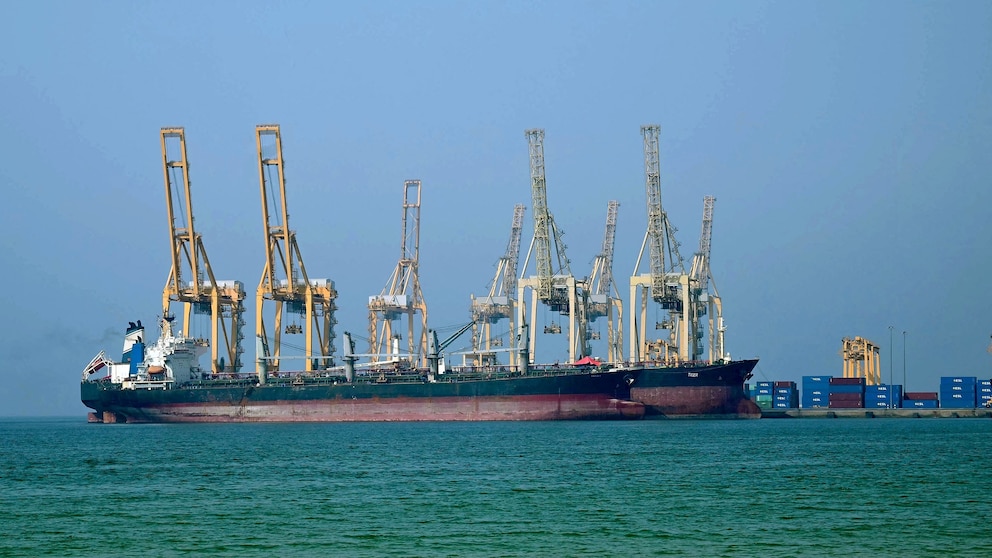
Oil prices are climbing over fears of a possible U.S. attack on Iran.
The global Brent oil benchmark has spiked more than 7% over the past two days, vaulting the price of oil to about $71 per barrel, the highest level since July. Despite the recent surge, oil prices remain below where they stood a year ago.
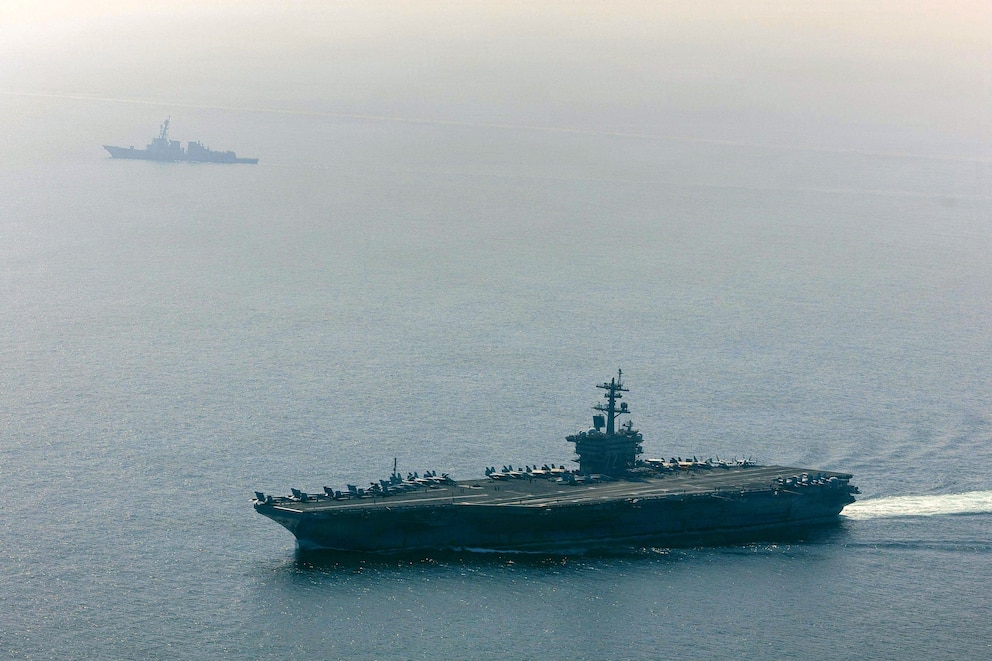
The United States and Iran continue to carry out negotiations over Tehran's nuclear program. Alongside those talks, the U.S. has amassed a major military buildup in the Middle East, including aircraft carriers and fighter jets.
Speaking at the initial meeting of the U.S.-led Board of Peace on Thursday, President Donald Trump appeared to keep his options open with regard to a potential attack on Iran.
The U.S., Trump said, "may have to take it a step further" on the matter of striking Iran, but he then added, "we may not."
“You're going to be finding out over the next probably 10 days,” Trump said.
Iran asserts control over the passage of tankers through the Strait of Hormuz, a trading route that facilitates the transport of about 20% of global oil supply.
The price of crude oil holds major implications for the economy and consumers through its direct effect on costs as an input into products ranging from gasoline to plastics.
The current oil-price increase may combine with a seasonal price hike for gasoline set to take effect within weeks, since demand for gas typically grows as travel picks up in the warmer spring weather, Patrick de Haan, the head of petroleum analysis at GasBuddy, said on Thursday in a post on X.
Still, de Haan added, the potential uptick will “not necessarily cause a 2022-era spike.”
In 2022, the price of Brent crude surged above $139 per barrel in March, just weeks after the Russian invasion of Ukraine. The average price of a U.S. gallon of gasoline stood at about $4.32, according to data from the U.S. Energy Information Administration (EIA), a federal agency.
Iran accounts for less than 3% of global oil output, according to the EIA. Sanctions have constrained Iranian oil sales in recent years.
Even so, a potential military conflict could prompt the closure of the Strait of Hormuz, driving up prices for oil and other goods, experts previously told ABC News.
The passage marks the only shipping route that stretches from the Persian Gulf to the open ocean, making it a key travel hub for goods originating in oil-rich Gulf countries like Saudi Arabia, Qatar and Iran. At its narrowest point, the Strait of Hormuz is just 21 miles wide.
In 2024, an average of about 20 million barrels per day passed through the Strait of Hormuz, which amounts to roughly 20% of liquid petroleum consumed worldwide, according to the EIA.
The vast majority of oil that passes through the strait is bound for Asian markets. Nearly 5 million barrels of oil arrived in China via the Strait of Hormuz each day in 2024, the EIA said, while about 2 million barrels of such oil ended up in India on a daily basis.
By comparison, the U.S. imported just 500,000 barrels of oil each day via the Strait of Hormuz.
The U.S. is a net exporter of crude oil, meaning the country produces more oil than it consumes. Since oil prices are set on a global market, however, U.S. prices move in response to worldwide swings in supply and demand.