Oxford picks 'rage bait' as its word of the year. But what does it mean?
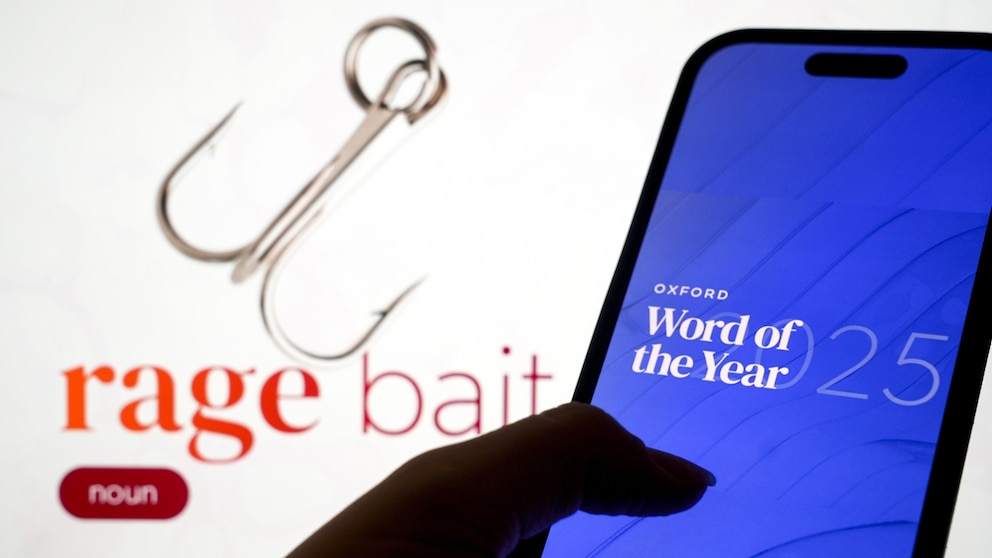

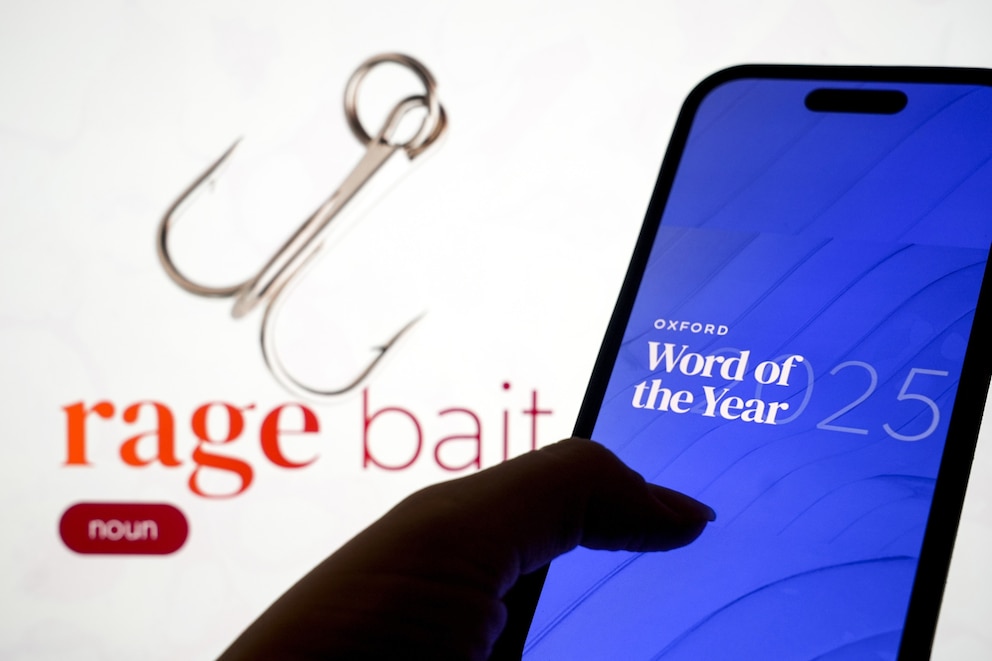
The Oxford University Press has selected "rage bait" as its word of the year, in a nod to how easily digital indignation can be manipulated to create engagement in online content.
The phrase was chosen after more than 30,000 people voted online from Nov. 24 to Nov. 27 for one of three finalists, which also included "aura farming" and "biohack."
Oxford defines rage bait as "online content deliberately designed to elicit anger or outrage by being frustrating, provocative, or offensive, typically posted in order to increase traffic to or engagement with a particular web page or social media account."
The term first appeared in 2002 on the site Usenet "as a way to designate a particular type of driver reaction to being flashed at by another driver requesting to pass them, introducing the idea of deliberate agitation," according to Monday's announcement. "Since then, it has become shorthand for content designed to elicit anger by being frustrating, offensive, or deliberately divisive in nature."
"As social media algorithms began to reward more provocative content, this has developed into practices such as 'rage-farming,' which is a more consistently applied attempt to manipulate reactions and to build anger and engagement over time by seeding content with rage bait, particularly in the form of deliberate misinformation of conspiracy theory-based material," Monday's announcement said.
The usage of "rage bait" has tripled in the past year, according to Oxford.
Casper Grathwohl, president of Oxford Languages, said that the word represents an increasing awareness of digital manipulation tactics in the world's cultural consciousness.
"The fact that the word rage bait exists and has seen such a dramatic surge in usage means we’re increasingly aware of the manipulation tactics we can be drawn into online," Grathwohl said. "It feels like the natural progression in an ongoing conversation about what it means to be human in a tech-driven world – and the extremes of online culture."
As for this year's runners up, Oxford defines "aura farming" as "the cultivation of an impressive, attractive, or charismatic persona or public image by behaving or presenting oneself in a way intended subtly to convey an air of confidence, coolness, or mystique." "Biohack" is defined as "to attempt to improve or optimize one's physical or mental performance, health, longevity, or wellbeing by altering one's diet, exercise routine, or lifestyle, or by using other means such as drugs, supplements, or technological devices."
And if you're wondering how a two-word phrase qualifies as a single word? "The Oxford Word of the Year can be a singular word or expression, which our lexicographers think of as a single unit of meaning," according to the announcement.
"'Rage bait' is a compound of the words 'rage,' meaning a violent outburst of anger, and 'bait,' an attractive morsel of food. Both terms are well-established in English and date back to Middle English times," according to Oxford.
Previous Oxford words of the year include "podcast" in 2005, the laughing face emoji "😂" in 2015, "goblin mode" in 2022, and "brain rot" in 2024.