Photographer captures plastic pollution 'nightmare' in India ahead of Earth Day
— -- As photographer Jacques de Lannoy stood on an empty beach last year in Okinawa, Japan, he almost failed to notice a heap of plastic bottles that had washed up on the shore.
"Discarded plastic has become such a common sight on Asia’s beaches that the absence of it would have been noteworthy," de Lannoy said in a statement.
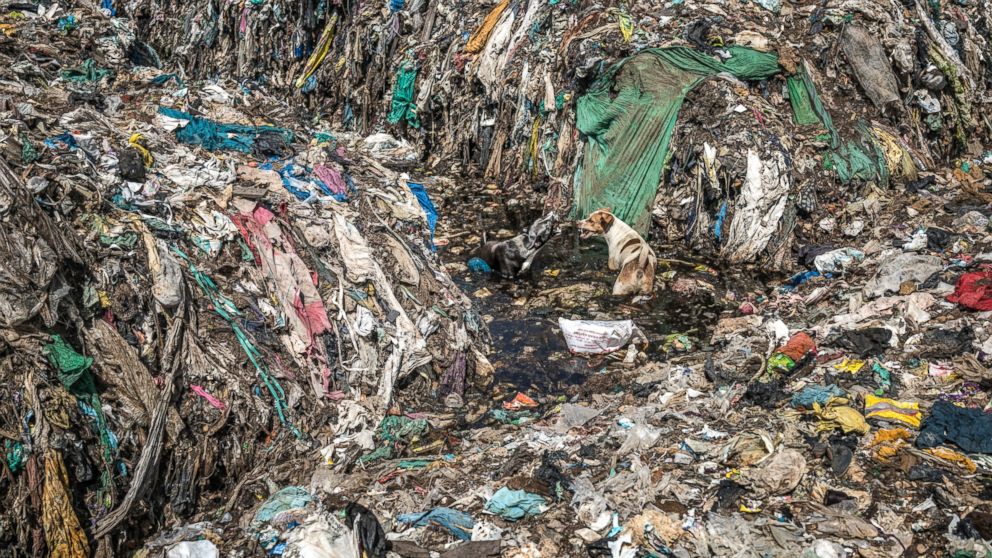
The Tokyo-based photographer recently traveled to India where the issue of plastic pollution is especially dire. There, de Lannoy snapped shocking images of piles of plastic garbage swallowing the South Asian country's landscape, waterways and coastlines.
Lightweight, malleable, versatile, durable and affordable, plastic is becoming the defining material of the modern world.
"Plastics offer the dream of a perfect, convenient, shrink-wrapped world," he said. "But that dream quickly turns into a nightmare in a one-use, throw-away consumption system."
One nation's pollution 'nightmare'
A photographer captures a pollution 'nightmare' in India.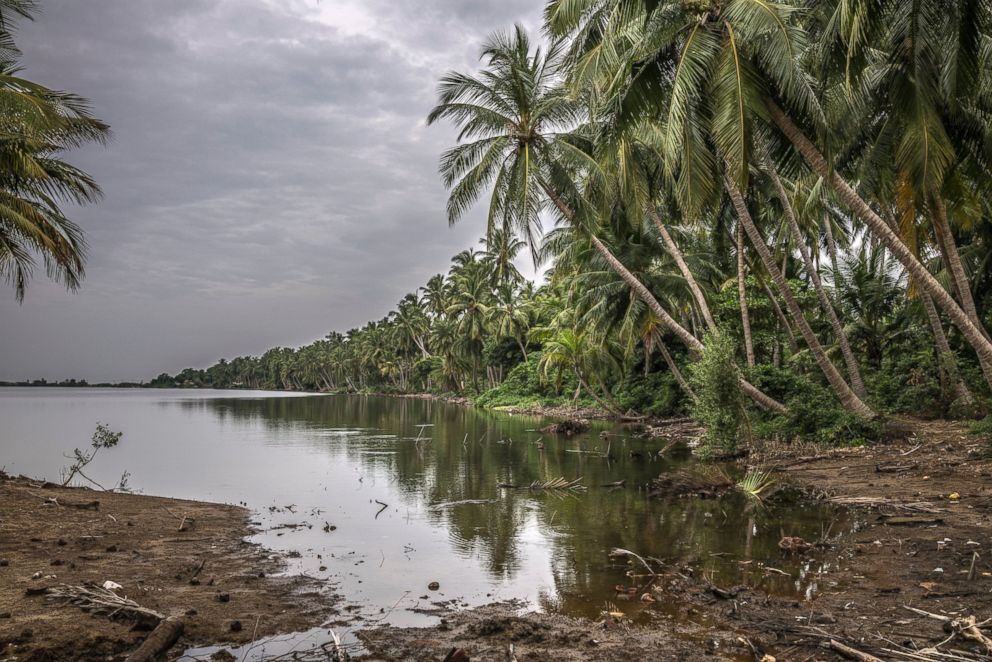
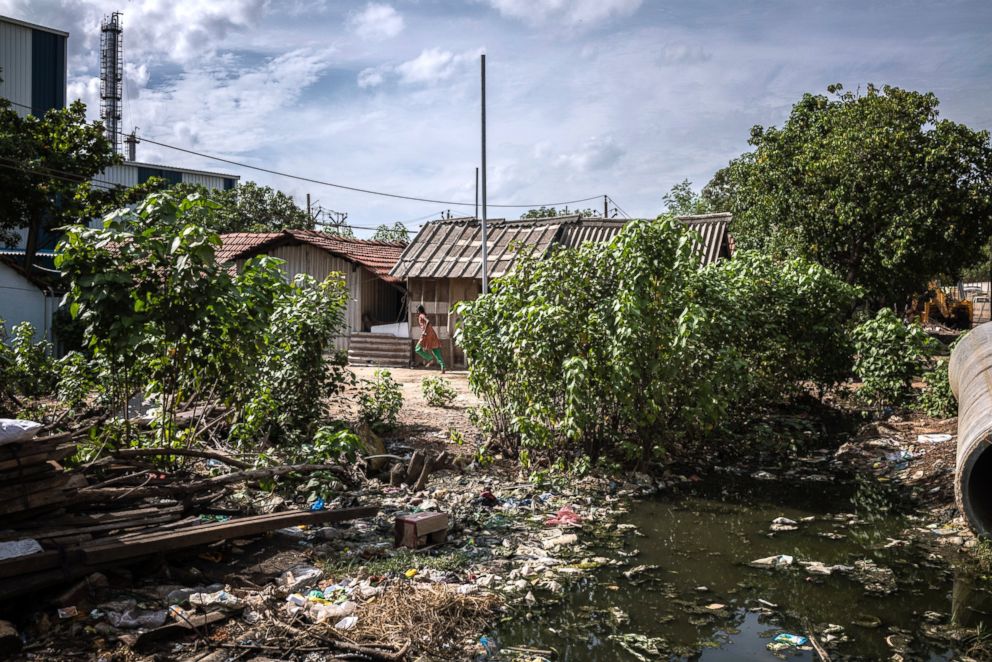
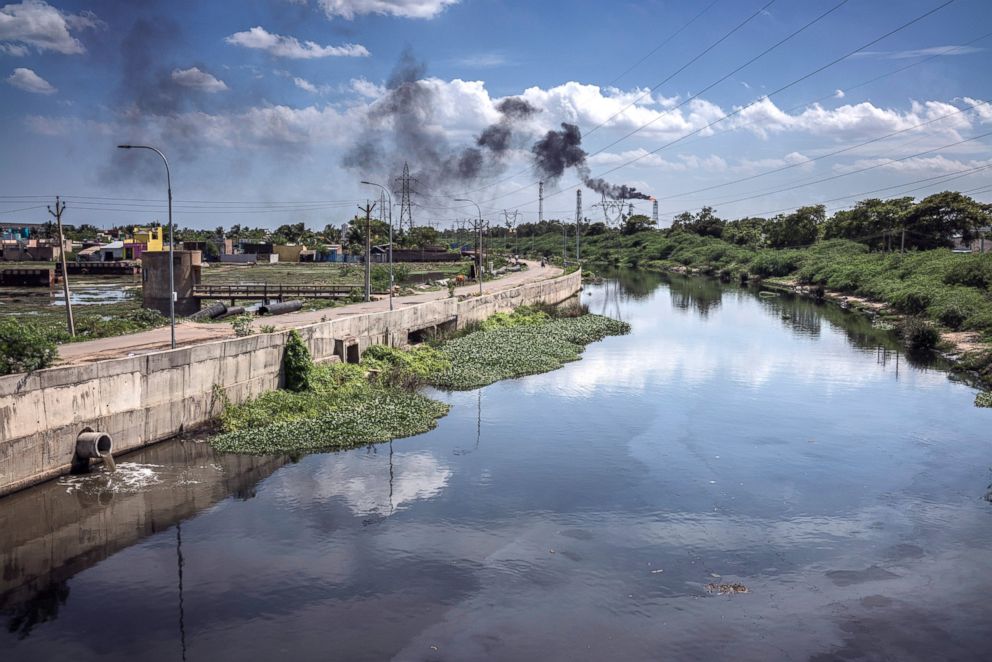
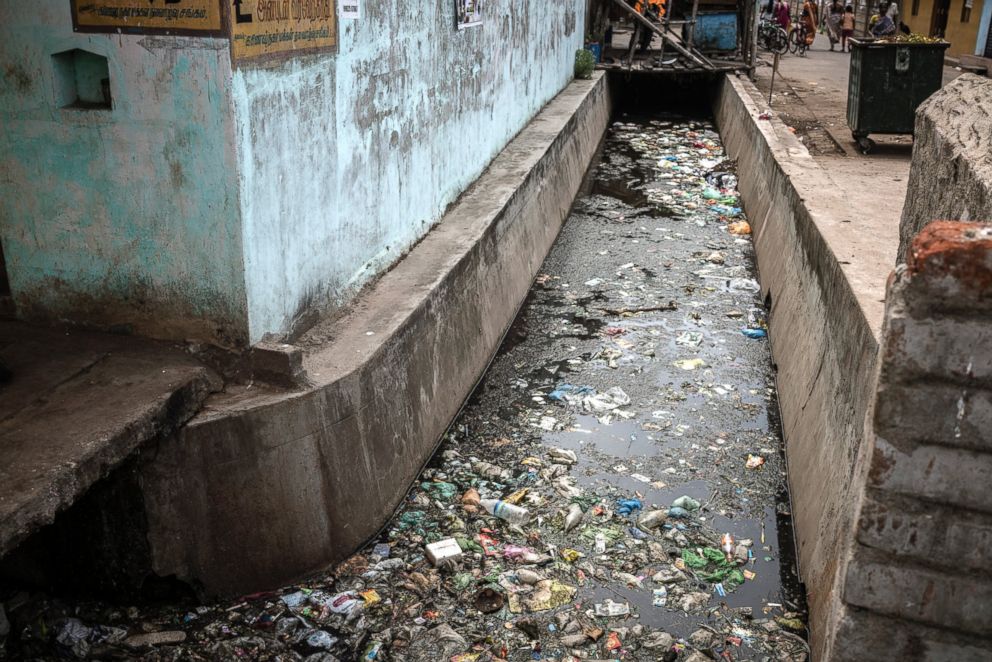
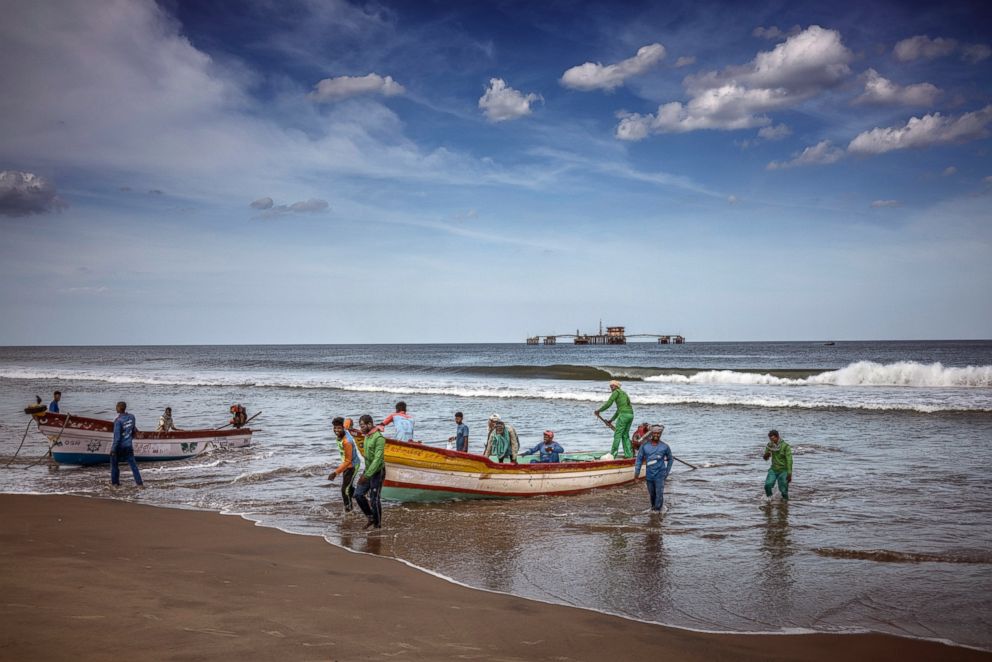
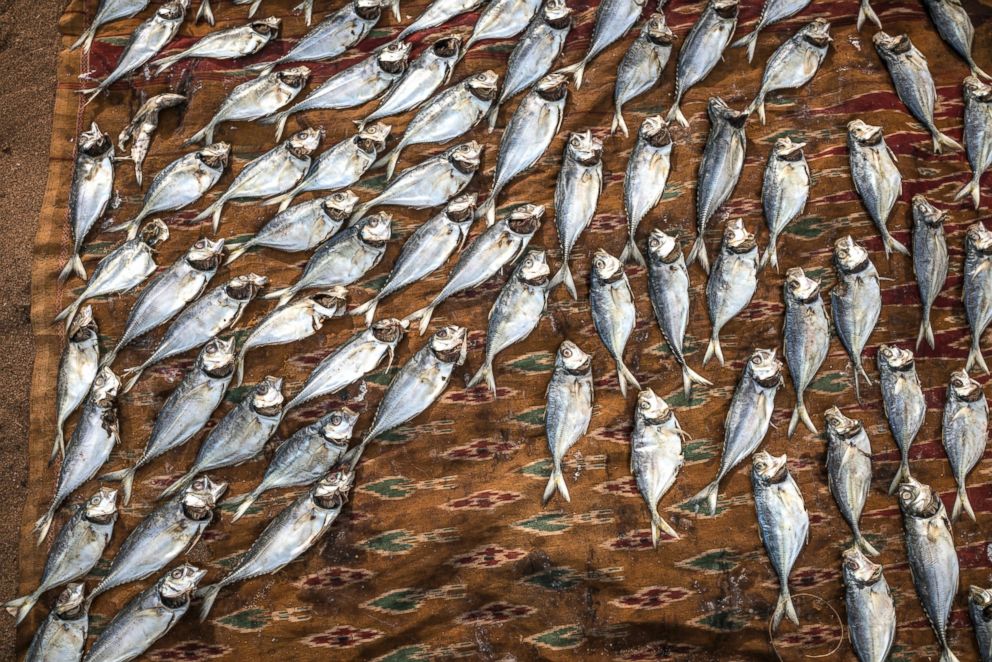
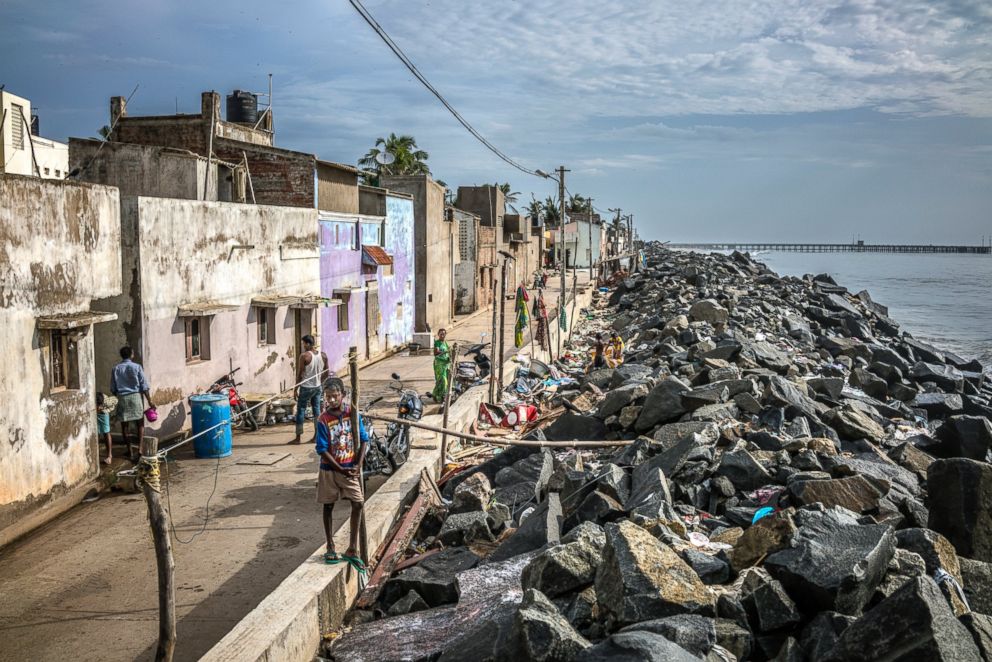
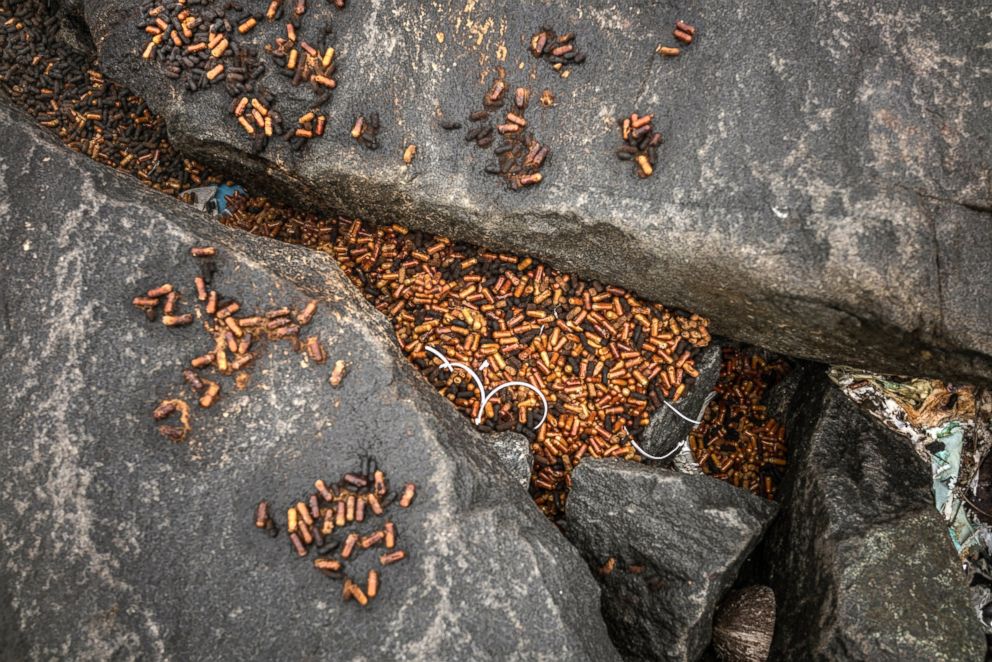
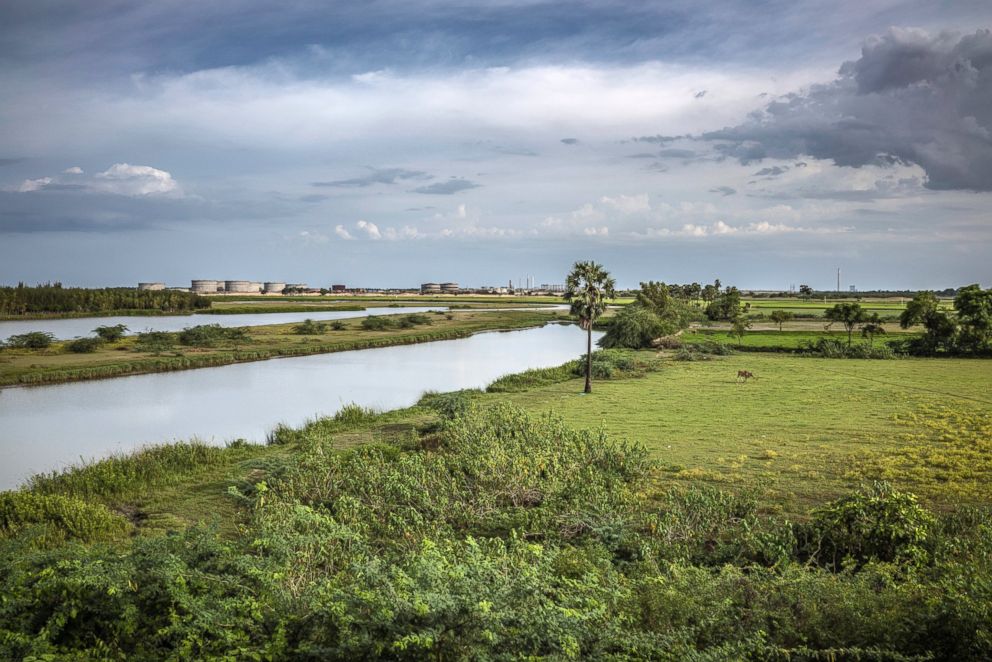
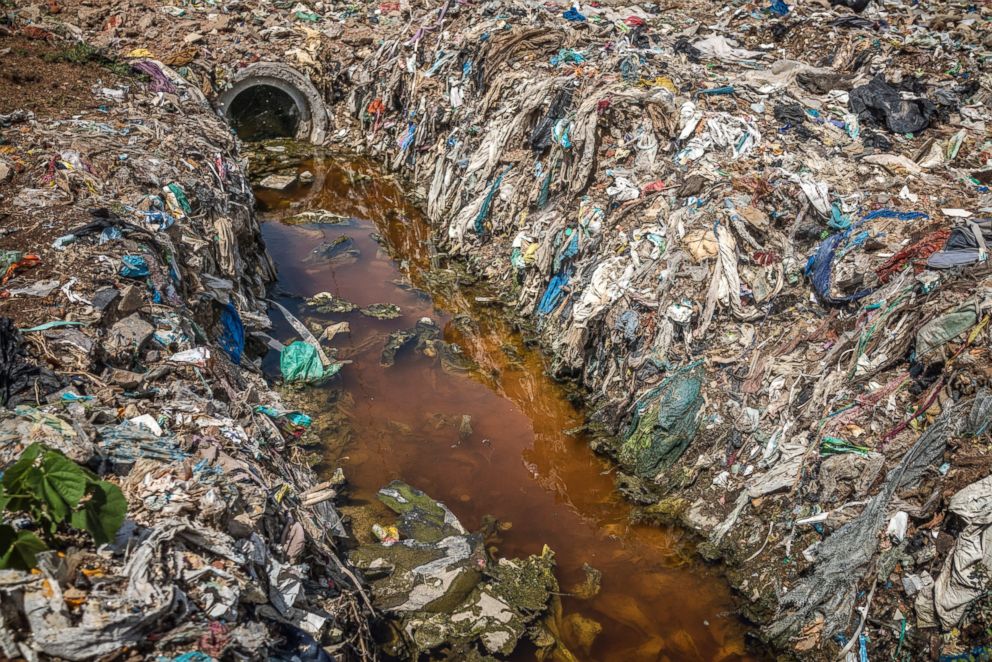
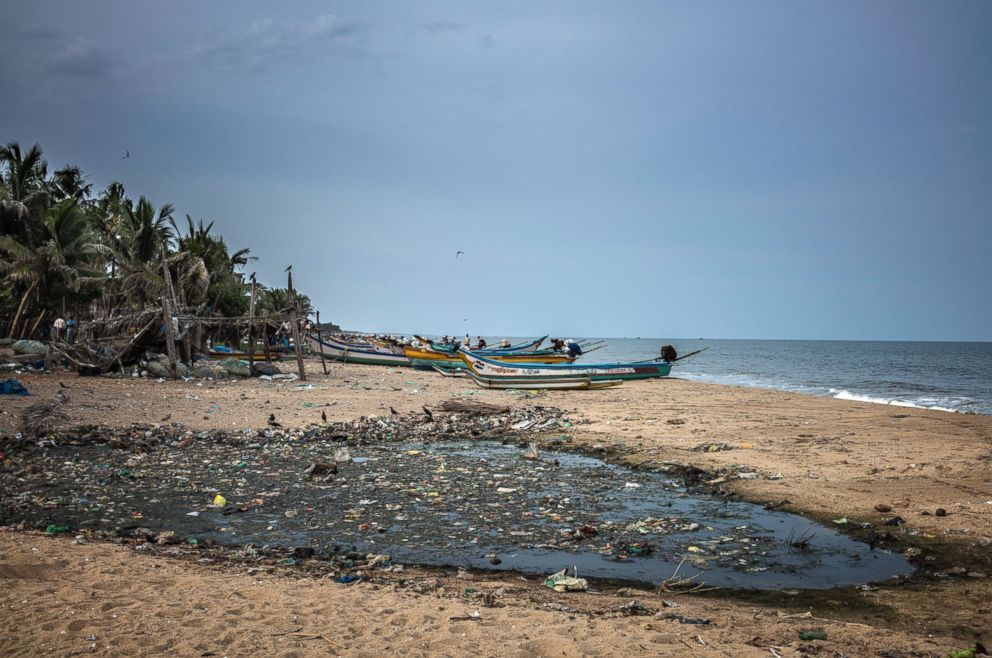
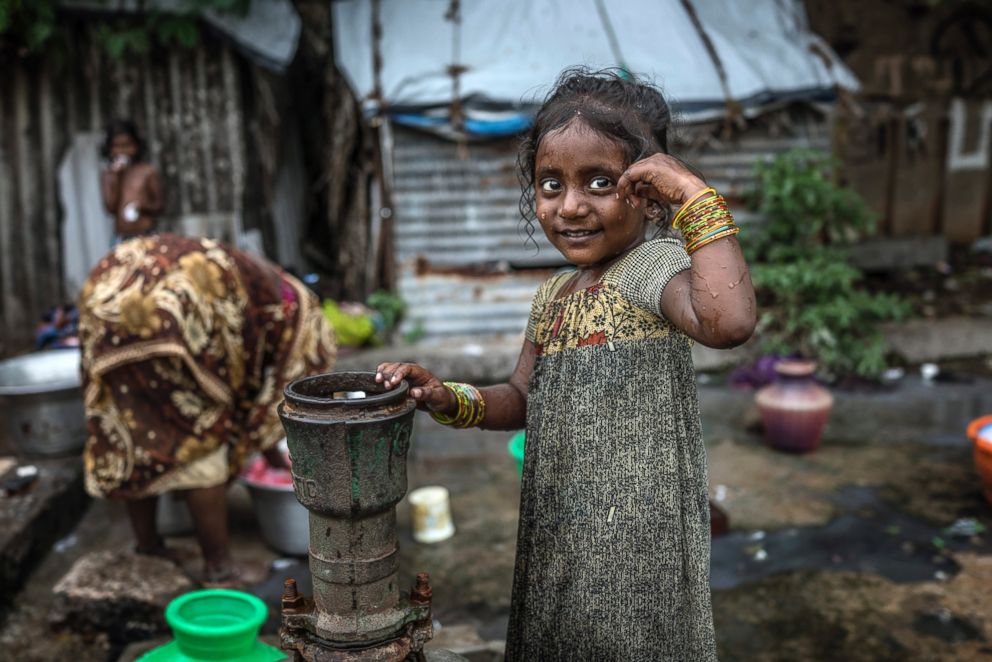
According to a 2016 report by the Ellen MacArthur Foundation titled "The New Plastics Economy: Rethinking the Future of Plastics," just 14 percent of plastic products are recycled globally. The buildup of plastic waste in the environment is particularly visible in developing nations like India, where de Lannoy said plastic pollution has become a "cumulative nightmare."
Burning plastic is not a viable option, so the lion's share of plastic waste ends up in landfills or is simply tossed as litter.
"The developing world, in particular, has been completely overwhelmed by the challenge of managing plastic waste, especially when the plastic bag of a generation or two ago would have been a banana leaf and the PET bottle a bamboo vessel that would harmlessly degrade back to the soil –- not so with plastics," said de Lannoy, whose work largely focuses on human rights, the environment and culture.
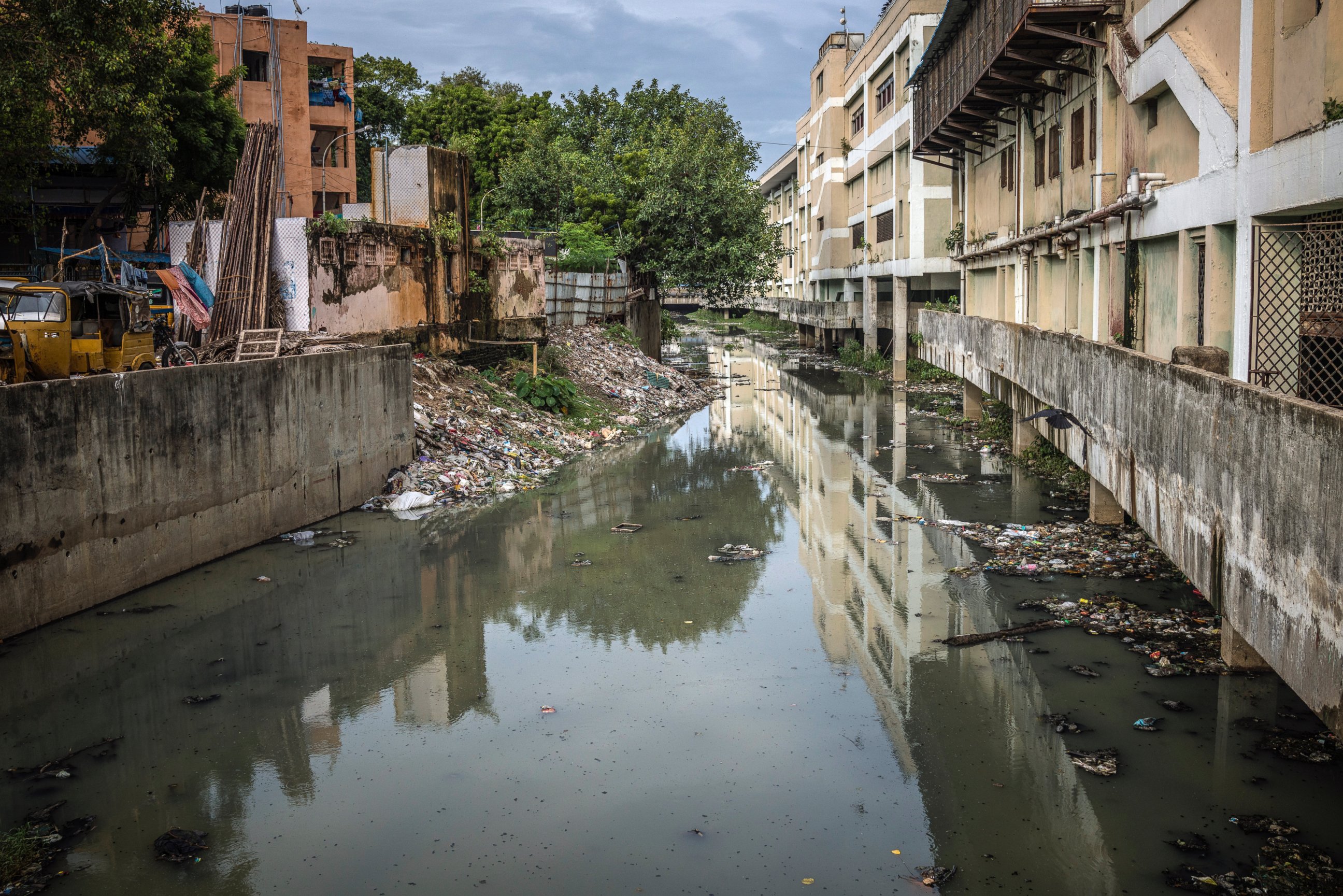
As much as 28 billion pounds of plastic enters the planet's ocean every year and, in the next decade, that figure could double, according to Ocean Conservancy.
Asia accounts for 82 percent of the total leakage of plastic into the ocean, according to the Ellen MacArthur Foundation report.
"When it comes to the sea, the consequences are even more dire," de Lannoy said. "For the most part, plastic does not degrade but simply breaks into smaller and smaller pieces until it creates a toxic soup in the water that is ingested by sea birds, fish and predators that eat fish, including us."
In light of Earth Day on Saturday, de Lannoy said he hopes his latest photography project will spur serious discussions about plastic pollution in developing nations that will lead to finding solutions and taking action.
"This photo essay examines the dream versus the nightmare of plastics and managing the waste," he said. "I hope this series will generate a conversation about the need to upscale recycling efforts in the developing world by considering what happens to all that plastic after we use it if the plastic waste is not properly managed."