Polish museum tour highlights horrors of the Holocaust
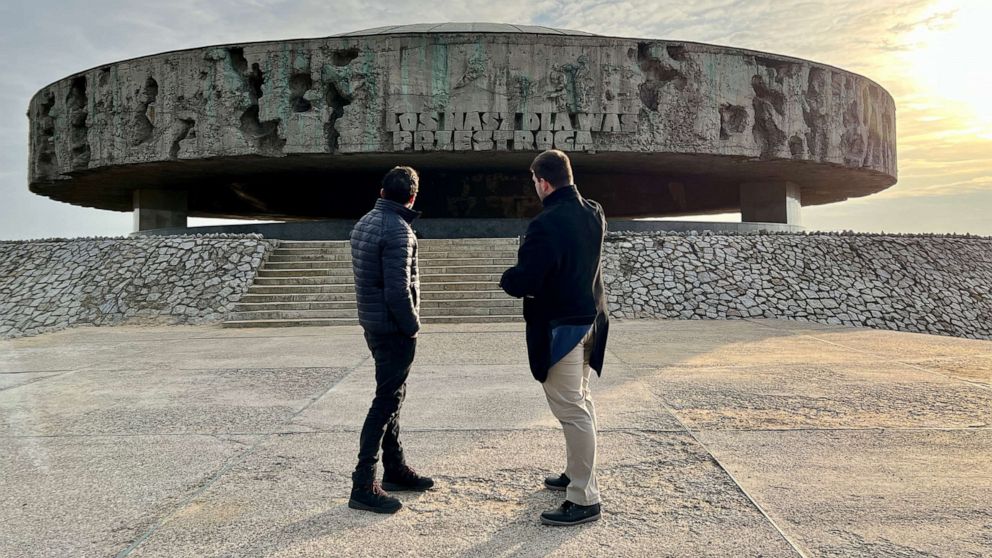
The Majdanek death camp located in Lublin, Poland was the site of one of the largest mass executions recorded during the Holocaust.
Over 18,000 Jews were killed on one day, Nov. 3, 1943.
Today, the State Museum at Majdanek is located at the site of the former concentration camp, and provides visitors with the raw remnants of the horrors of the Holocaust.
ABC News' Phil Lipof took a tour of the museum with Łukasz Myszala, one of its archivists who highlighted some of the location's disturbing artifacts.
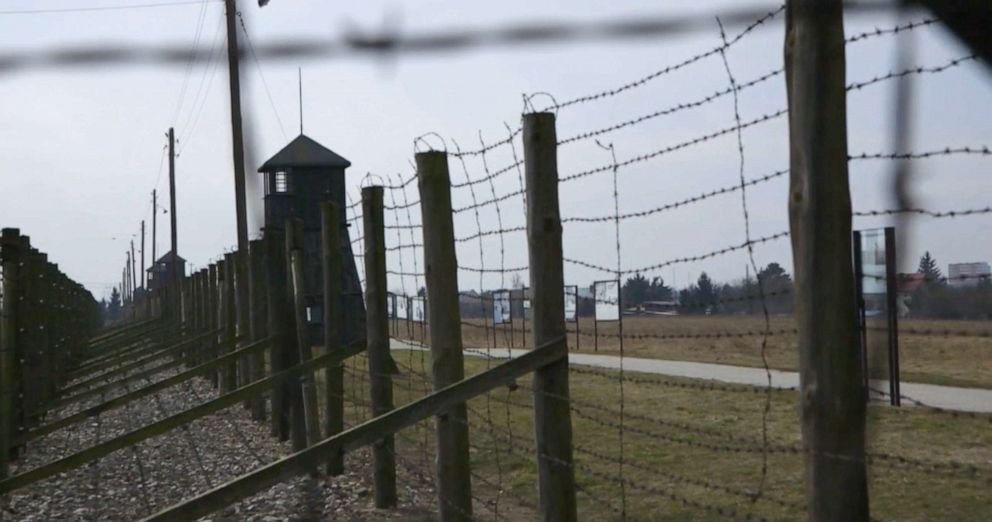
"Most of the 78,000 people who perished here at Majdanek rest right here at your side,” Myszala told Lipof, referencing a mausoleum covering a mound of ashes recovered from bodies buried there.
The site remains surrounded by barbed wires and fences, which were electrified during the Holocaust. Myszala said that the Nazis took great lengths to conceal their genocide.
"Although the gas chambers were so close to the prisoners, it was a very well concealed crime," he said. "They didn't want anybody to see what was happening...that was meant to remain a secret."
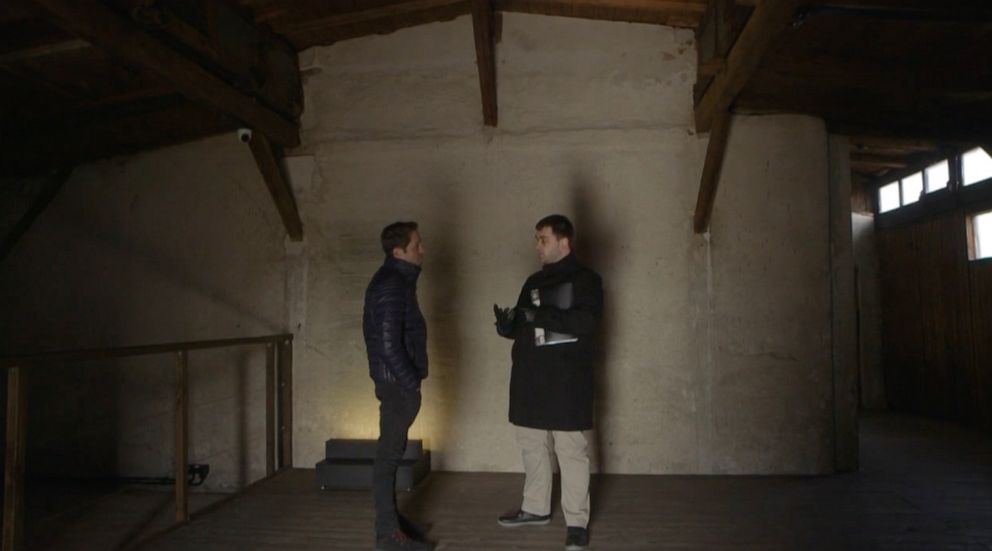
Myszala said that the barracks were designed to keep 250 prisoners, but there were likely much more held inside those rooms. Shoes that belonged to the concentration camp prisoners are on display at the museum.
"They’re crammed together in cages," he said. "Just like the people who wore them were when they worked here, and died here."
And the gruesome task of getting the bodies of those killed in the gas chambers into crematoria fell to other prisoners, according to Myszala. This group, known as the "Geheimnisträgern," or the carriers of the secret, would eventually be shot by Nazi soldiers and be replaced with a new prisoners, Myszala said.
"Usually, the lifespan of those prisoners [in those camps] was between four to six weeks," he said.
Myszala said the Nazis also went to even greater lengths to hide the mass executions that took place on Nov. 3, 1943.
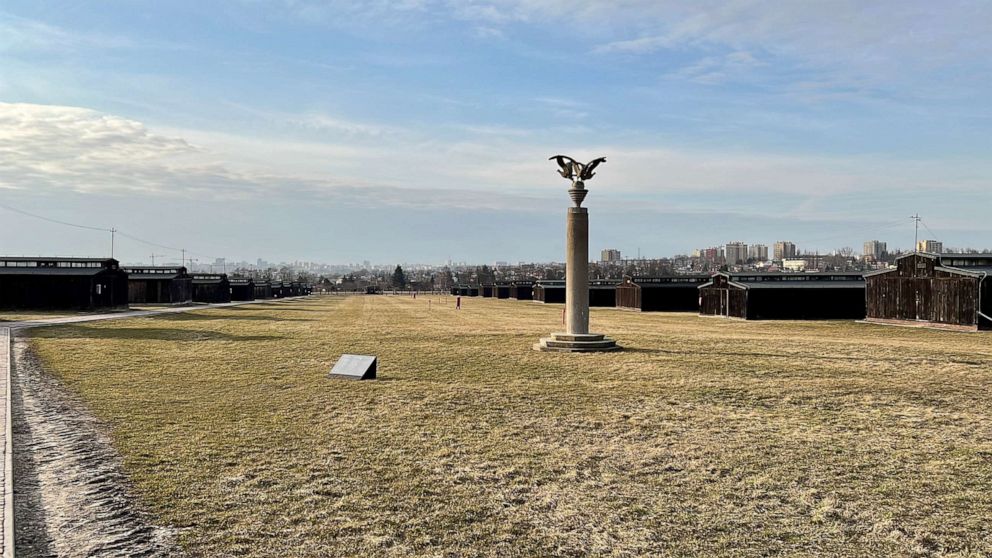
Prisoners were brought out of their barracks in groups to ditches and systemically shot. Roughly 18,400 Jews were killed on that day, according to Myszala.
The Nazis dubbed the executions "Operation Erntefest," or "harvest festival," because of the way they masked the killings, Myszala said.
The archivist said prisoners who were inside the barracks during the executions recalled hearing music being played, including waltzes, foxtrots and marches.
"The Germans played loud music to conceal this crime, first of all, to cover up the noises, drown out the machine guns. But secondly, it was meant to provide an appropriate aura for the harvest festival," Myszala said.
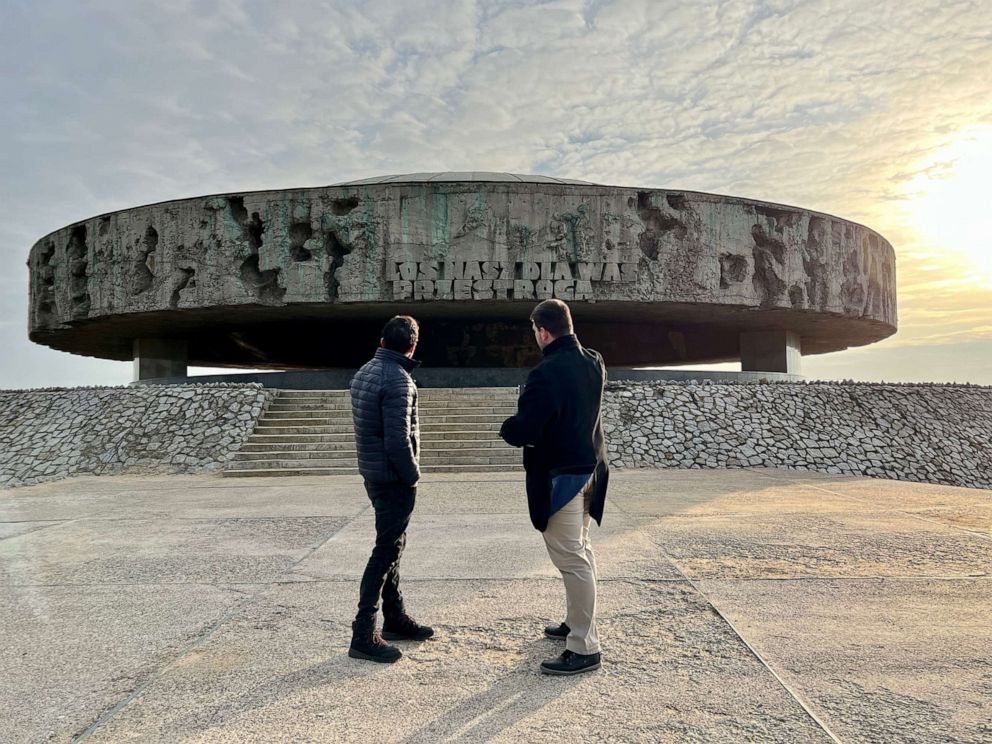
The archivist said it was important that the world never forget the violence that took place at the site and, more importantly, make sure that atrocities never happen again.
"May our fate be a warning to you," Myszala said as he translated the inscription engraved at the front of the mausoleum where prisoners' ashes are kept.