Protecting 30% of global land by 2030 could benefit 1,000 species, help reduce emissions: Study
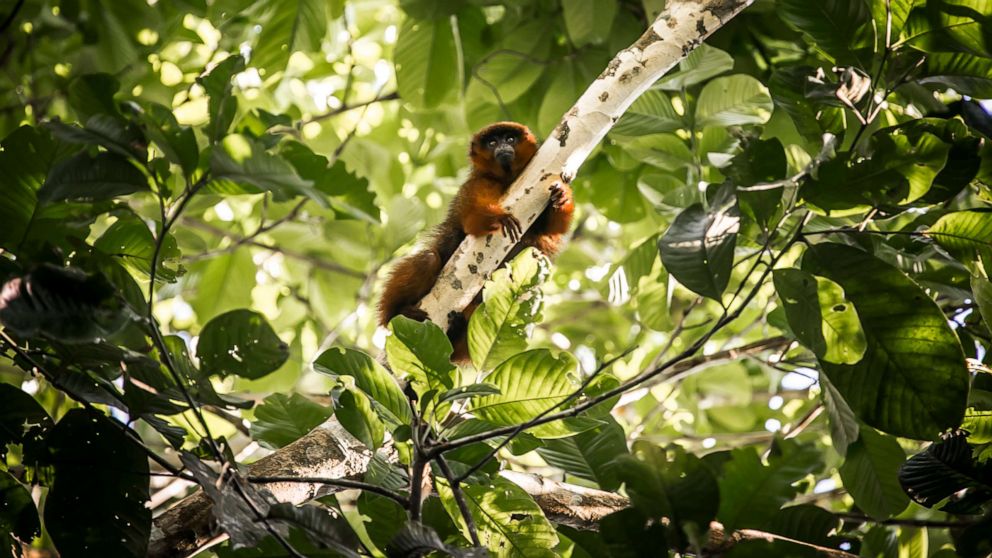
Ramping up the protection of land within the next decade could make a significant dent in biodiversity and climate change efforts that would get countries closer to their conservation goals, according to new research.
If countries succeed in protecting 30% of global land area by 2030, it could benefit about 1,000 vertebrate species whose habitats currently lack any form of protection, according to a study published Wednesday in Science Advances.
About half of the species that would benefit from expanding protected areas worldwide are classified as critically endangered, endangered, vulnerable or near-threatened, the scientists said.
What is being dubbed by scientists as the "30 by 30" target could also spare about 11 billion tons of carbon dioxide per year in avoided carbon emissions or carbon sequestration, the paper states.
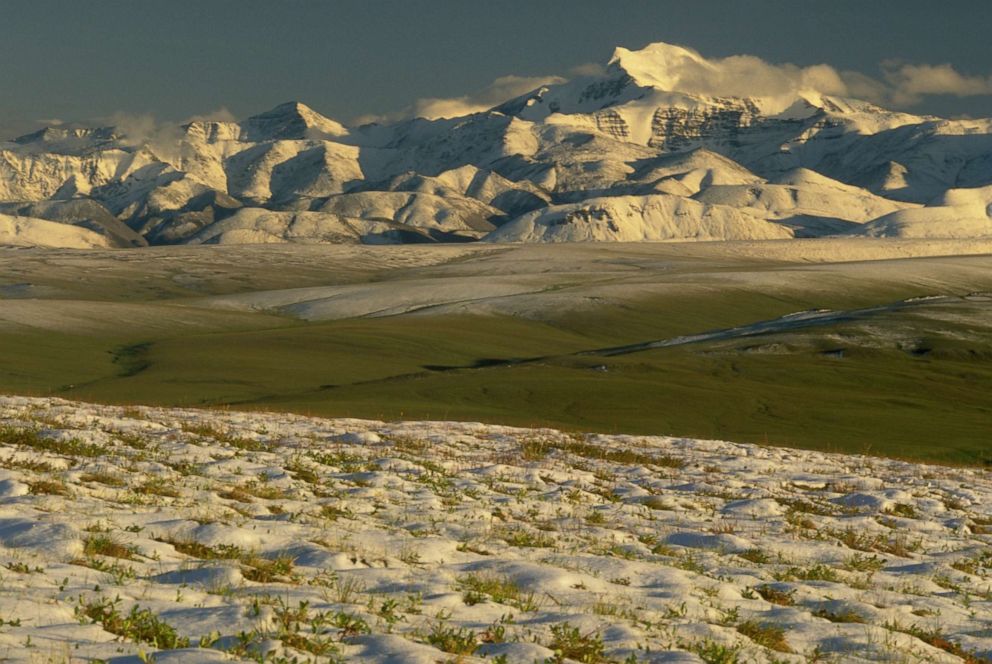
Researchers from Princeton University and the National University of Singapore compared models that maximize different aspects of conservation. They considered only natural areas and excluding croplands and urban areas, and found that additional benefits could result for biodiversity conservation, climate change mitigation and nutrient-regulation if protected area coverage were increased to 30% of the terrestrial area within 238 countries worldwide.
Yiwen Zeng, an ecologist at Princeton University's Center for Policy Research on Energy and the Environment and author of the study, described 2030 as the "midway point" to "50 by 50," or the goal to protect half of the Earth by 2050.
"The general idea is that we can actually protect over 1,000 species, on average, if we commit to this," he told ABC News. "It can mean a huge part of our climate reductions and sequestration needed to prevent climate change."
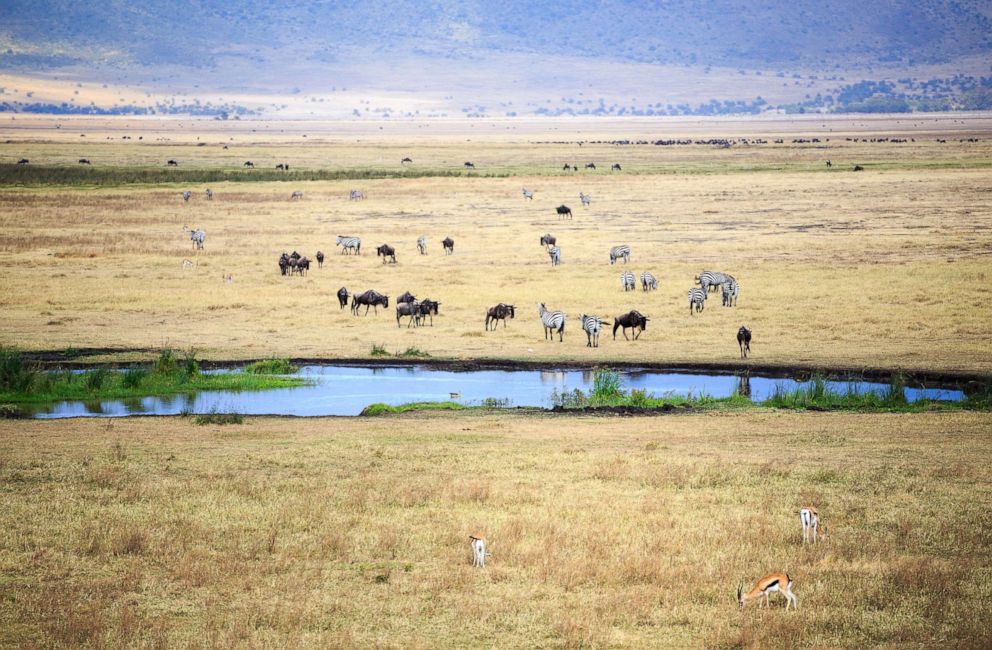
In addition, expanding protections to land globally could "greatly" increase the land's ability to regulate water quality and mitigate nutrient pollution, according to the study.
"Since only about 16% of global land area is currently protected, achieving this target will require most countries to rapidly expand their network of protected areas," the study states.
The researchers used a model called "scenario analysis," where they would compare protecting land that contained mostly rock and ice to protecting areas filled with trees and species.
What they found is that "if you can prioritize the maximum number of species, you could save a paradise," Zeng said.
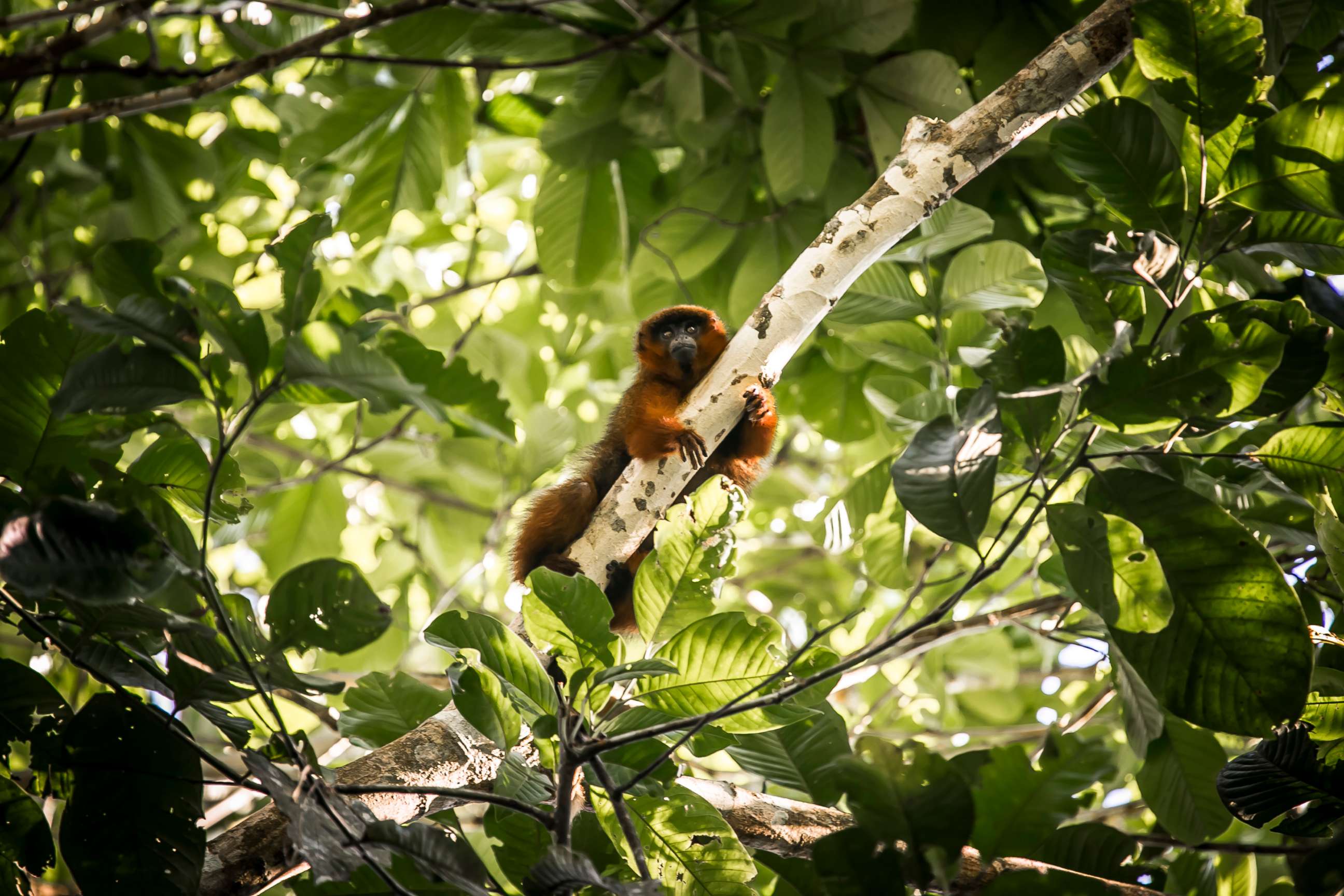
However, the researchers found the "30 by 30" goals may require including habitats owned and managed by indigenous communities, local governments or private entities, or mobilizing payments for ecosystem services, the research suggests.
More than 50 countries, including the U.S., China. Japan and Germany, have pledged to protect 30% of Earth's land and oceans by 2030. The United Nations Biodiversity Conference, COP15, will take place in Kunming, China, on Oct. 1.