Rate of glacier disappearance expected to peak by mid-2050s, scientists say

The number of glaciers disappearing around the world each year is projected to sharply increase by the mid-century, peaking at 2,000 to 4,000 per year at that time, depending on the warming scenario, a study published Monday in Nature Climate Change found.
Researchers analyzed more than 200,000 glaciers under multiple warming scenarios to introduce the concept of "peak glacier extinction," which signifies the year when the largest number of glaciers will vanish, Lander Van Tricht, a glaciologist at ETH Zurich and lead author of the paper, told ABC News.
The modeling included the volume of each glacier and how it's expected to evolve in the future based on global temperature trajectories, Van Tricht said.
"The biggest findings are that we will lose a lot of glaciers," he said.
Under a 1.5-degree Celsius warming scenario, 2,000 glaciers could be lost per year by 2041, the researchers found. The peak occurs later under a 4-degree Celsius warming scenario due to the association with longer and stronger glacier area and volume loss -- equating to 4,000 glaciers lost by the mid-2050s, according to the paper.
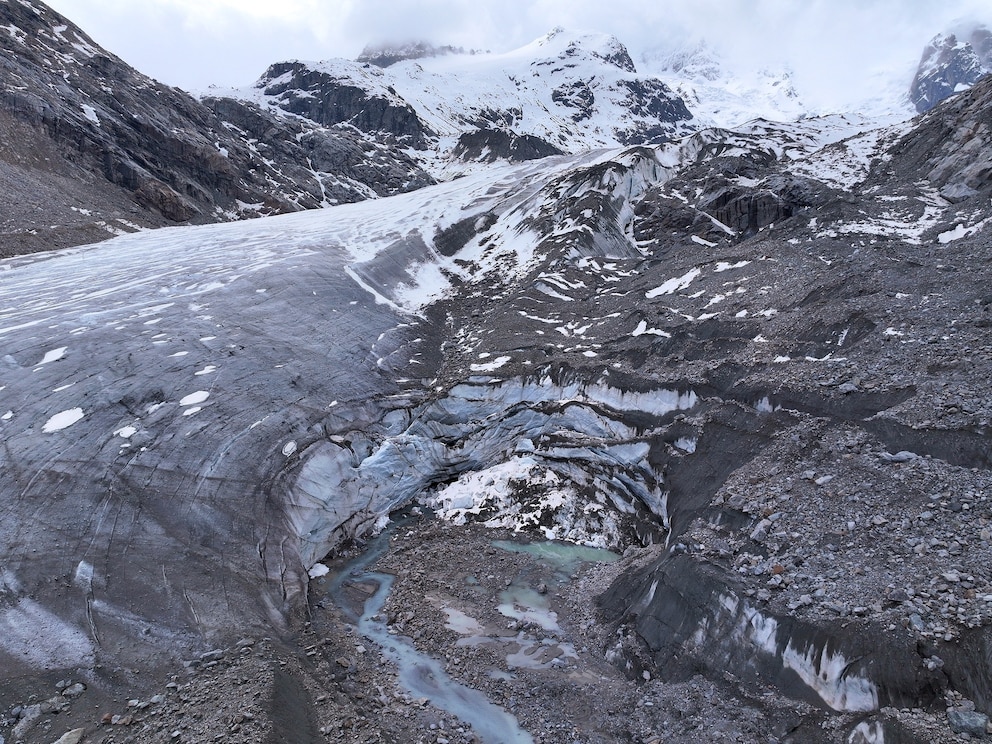
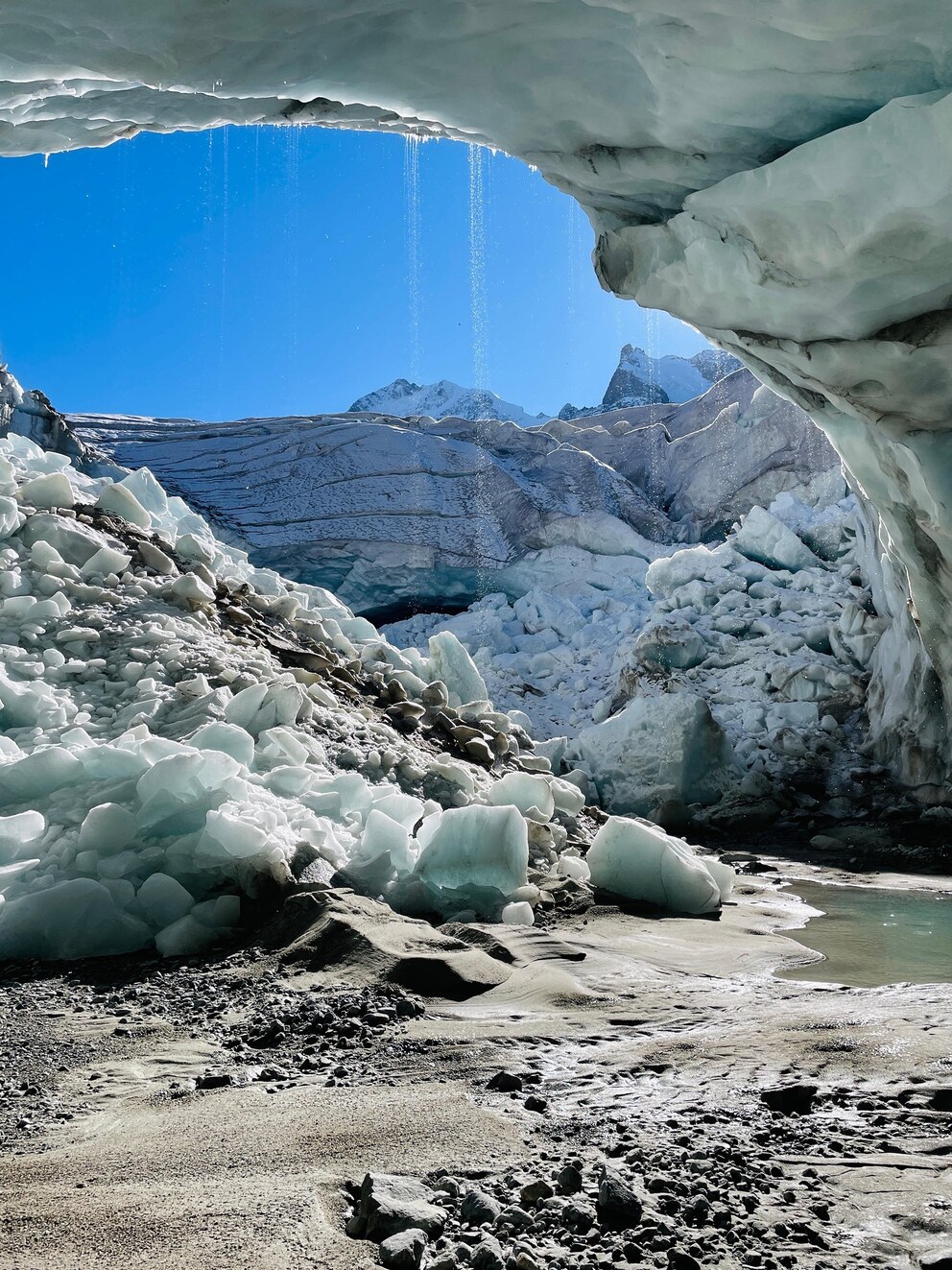
Regions dominated by small glaciers, such as the European Alps and the Subtropical Andes, could experience early peaks, the researchers found. Glaciers in those regions could potentially disappear in the next two decades.
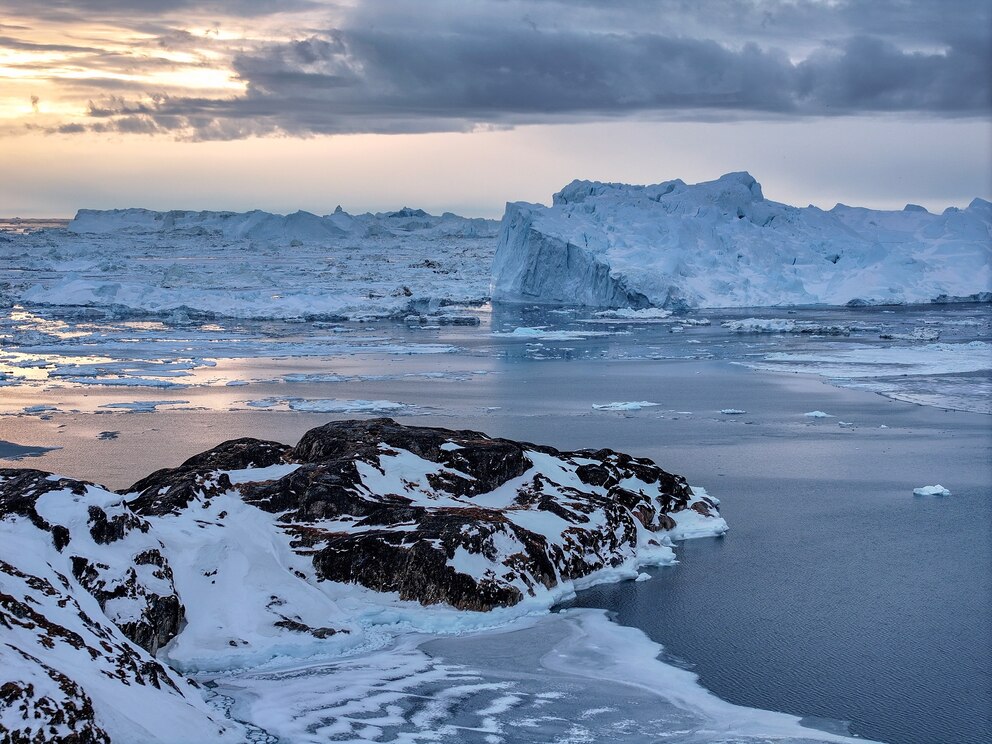
However, areas with larger glaciers, like Greenland and the periphery of Antarctica, could experience peak glacier disappearance later in the century.
The massive bodies of dense ice have already been in peril in recent decades.
Between 2000 and 2023, glaciers lost an estimated 7,211 billion tons of ice, equating to an average annual loss of 301 billion tons, according to a study published in Nature in February.
Even if temperatures were to stabilize at current levels, glaciers around the world will likely lose at least 39% of mass, according to the World Economic Forum.
Melting glaciers and ice sheets are significant contributors to sea level rise, scientists say. If all of the glaciers on Earth were to melt, it would contribute to an additional 230 feet of ocean water, according to the U.S. Geological Survey.
However, limiting warming to 1.5 degrees Celsius since the Industrial Revolution -- the figure outlined by the United Nations Framework Convention on Climate Change created the Paris Agreement -- could more than double the number of glaciers that remain by 2100, compared to a warming scenario of 2.7 degrees Celsius, according to the new research.
The findings highlight a "turning point" in glacier evolution, according to the paper. Implications for ecosystems, water resources and cultural heritage could be impacted, the researchers said.
"Glaciers have a very big social and cultural value," Van Tricht said.
The research points to the need to curb greenhouse gas emissions to prevent the worst-case scenario in glacier disappearance, he said.