'Red flag' laws can help reduce gun violence, if more widely used: Experts
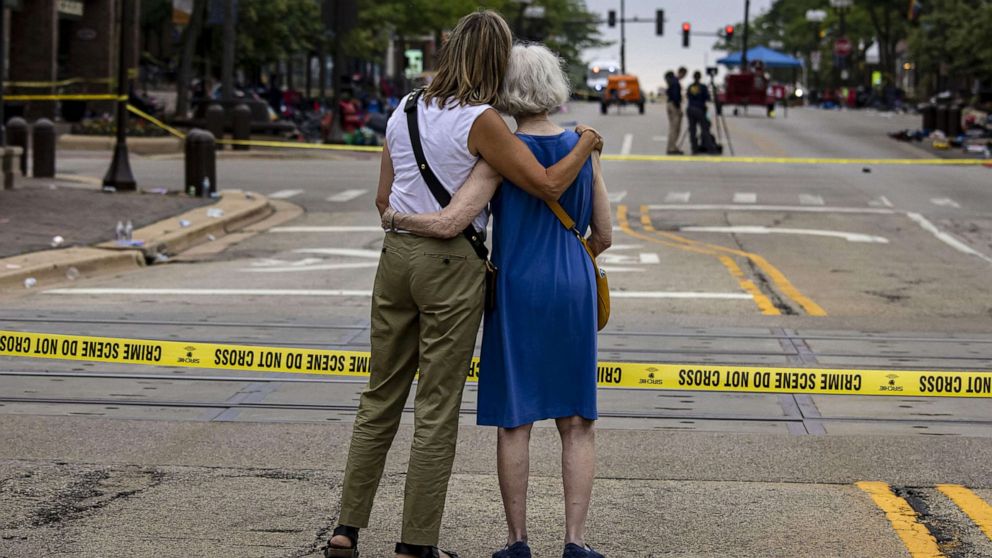
As gun violence in America continues to take lives, lawmakers are pushing states to implement "red flag" laws, which allow law enforcement or family members to ask a civil court to temporarily remove guns from a person who poses a risk to themselves or others.
Nineteen states currently have "red flag" laws, also known as extreme risk protection orders, on the books. Recent mass shootings in Buffalo, New York; Uvalde, Texas; and Highland Parks, Illinois have reignited calls for the government to enact these types of gun laws.
Last month, President Joe Biden signed into law a bipartisan gun bill which included $750 million in funding to help states implement "red flag" laws and other violence prevention programs.
The bill also enhanced background checks for people under the age of 21 and closed a so-called "boyfriend loophole," by preventing individuals in serious dating relationships who have been convicted of domestic violence from being able to purchase a gun.
Experts told ABC News that when they are more frequently used, "red flag" laws could be effective.
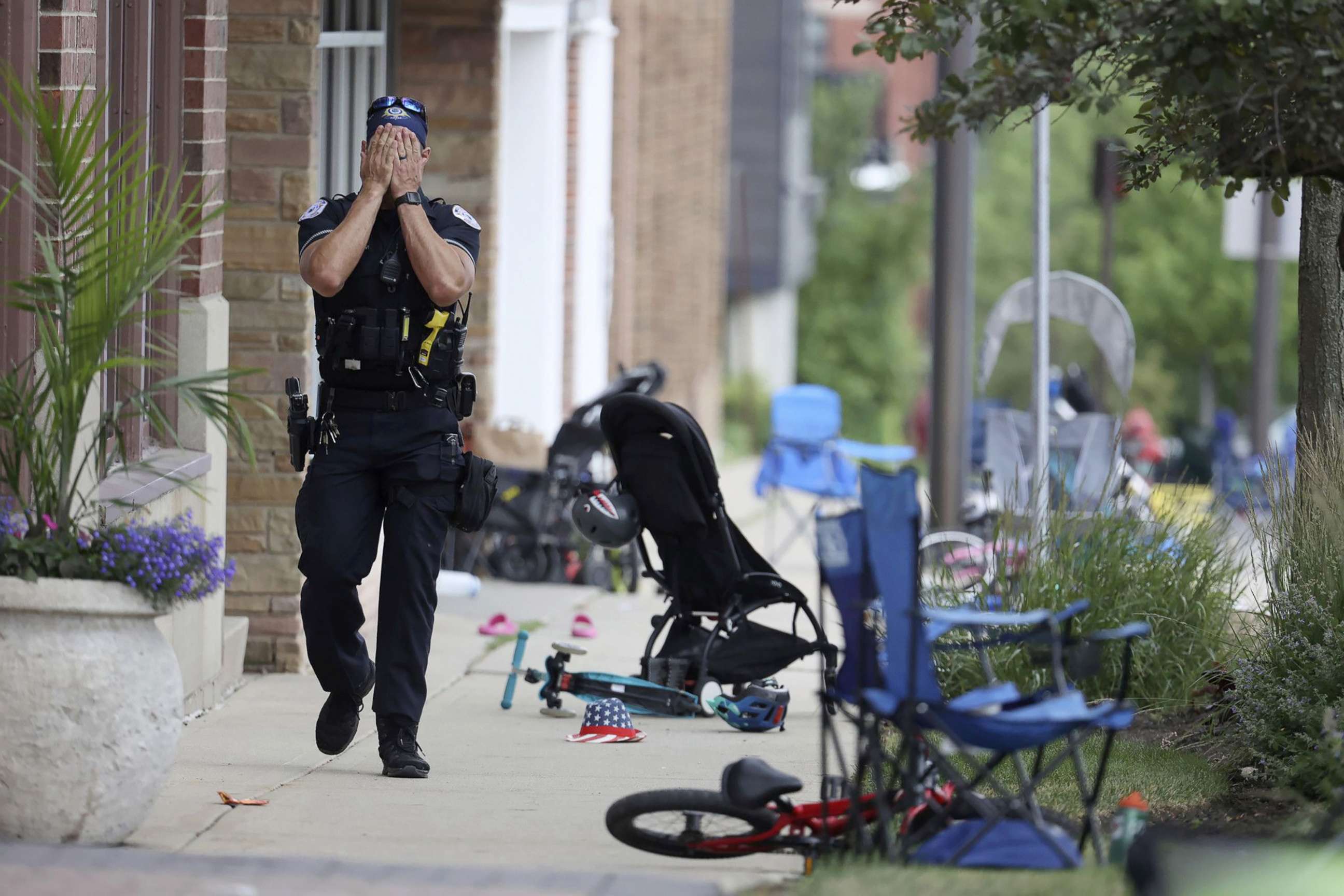
"There's many documented cases of use of red flag laws in circumstances and when people are threatening or saying they're going to commit mass shootings. And they use the order, they remove firearms, and there's no documented case [that] that person, for example, found another firearm or just went and did it anyway," Daniel Webster, director for the Gun Policy and Research Center at Johns Hopkins University, told ABC News in an interview.
He added, "I wouldn't call it necessarily ironclad, certain proof. But, it's certainly compelling evidence that the laws are being used as intended to prevent these things."
According to Webster, "red flag" laws are modeled after domestic violence restraining orders, which make them a quick response, allowing judges to immediately take action. The procedures allow due process for those whose guns are removed by giving them the opportunity to appear in court and present evidence as to why they should keep their guns.
Webster also said there is evidence these laws reduce suicide risk, which is the most common reason these orders are issued.
However, this tool is completely reliant on a good system response when there is evidence that someone might be a danger, Webster said.
Jeffrey Swanson, a professor of psychology and behavioral studies who is affiliated with the Center for Firearms Law at Duke University, told ABC News these laws are not being implemented on a large enough scale to determine whether they are effective.
"If nobody knows about it, it's not used, it's not scaled up, the police don't have experience using it or aren't accustomed to doing that, [or] you don't have the infrastructure or the protocols in mind for it to become routine, you can't expect it to do any good," Swanson said.
Swanson said this was the case in Connecticut where a "red flag" law was passed in 1999, but wasn't often put to use until around 2008. Researchers found that when used in the state, these laws were "modestly" effective in preventing suicides.
"For every 10 to 20 of these gun removal actions, one life was saved," Swanson, a coauthor of the study, said.
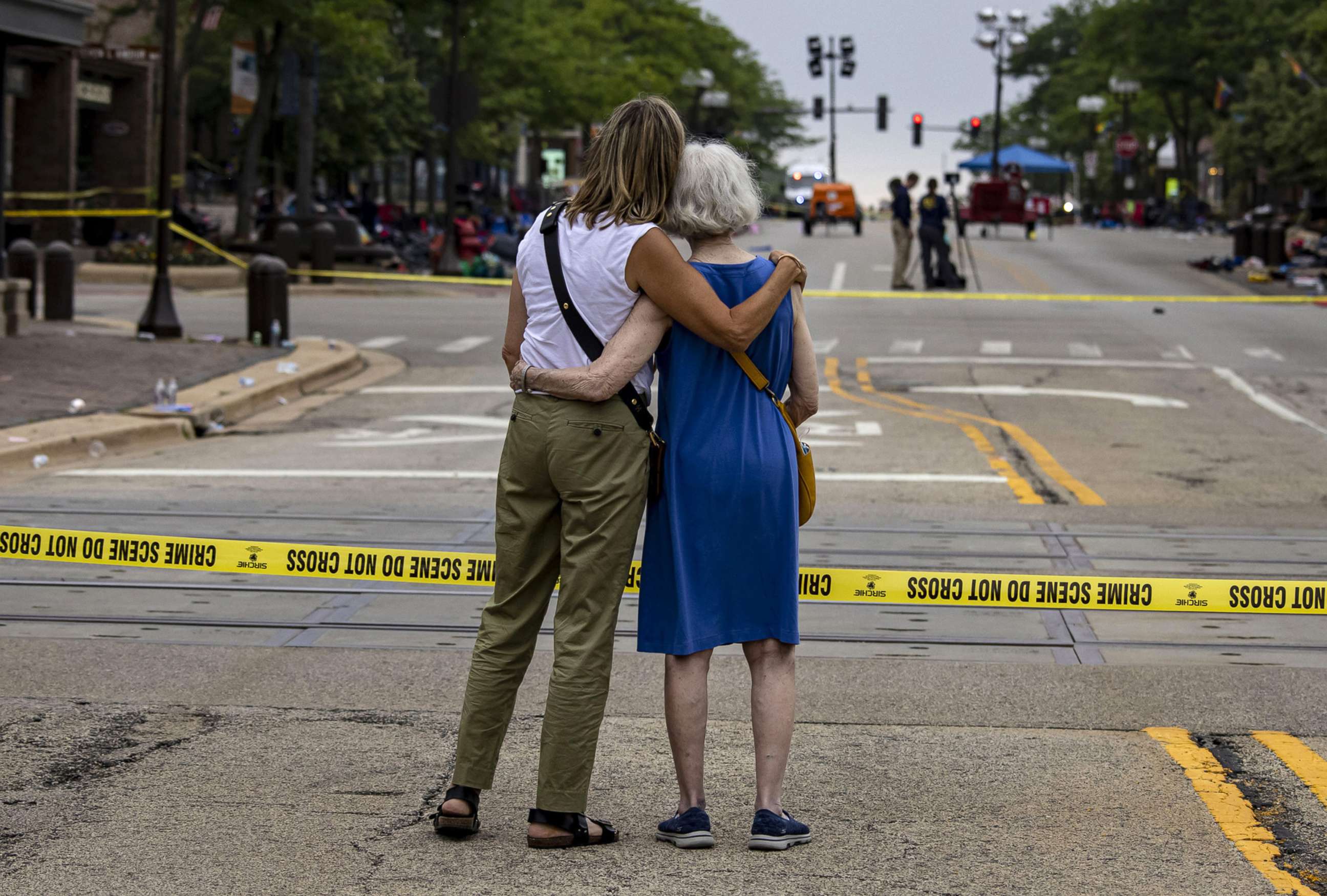
After the July 4 shooting in Highland Park, Illinois, police revealed they had deemed the suspect, Robert Crimo III, a "clear and present danger" after a family member revealed he had threatened to "kill everyone," according to police records.
Police had also gone to the suspect's home a number of times before the shooting, including in September 2019, when Highland Park police removed a 24-inch Samurai blade, a box containing a 12-inch dagger and 16 hand knives from Crimo's house that day, according to an incident report.
However, when he made the threats, the suspect did not own any firearms. So when state police did not find a gun license for Crimo in their system, no action was taken. Later that year, the suspect's father signed an affidavit allowing him to obtain a gun license.
While Illinois has a "red flag" law in place, Webster said the state's law does not apply a "prospective" approach that would have prevented Crimo from obtaining guns in the months after he made the threats. Webster said it is worth considering preventing people who pose a threat from being able to get guns for a certain span of time.
"To me, that sounds very reasonable, because you're using the same logic to disarm someone once they already have a firearm," he said. "But, you're not using it to prevent the acquisition. So, that's, that's the missing piece here."
According to Webster, things to be considered when determining whether an individual presents a "clear and present danger" to those around them include whether they have a history of violent behavior and what evidence there is that they could commit a shooting (such as their online search history or things they have obtained like body armor).
Whether the individual has displayed behavioral signals common among mass shooters should also be considered, he added.