• Video
  • Shop
  • Culture
  • Family
  • Wellness
  • Food
  • Living
  • Style
  • Travel
  • News
  • Book Club
  • Newsletter
  • Privacy Policy
  • Your US State Privacy Rights
  • Children's Online Privacy Policy
  • Interest-Based Ads
  • Terms of Use
  • Do Not Sell My Info
  • Contact Us
  • © 2026 ABC News
  • News

How to see 'Ring of Fire' solar eclipse, 1st visible in US since 2017
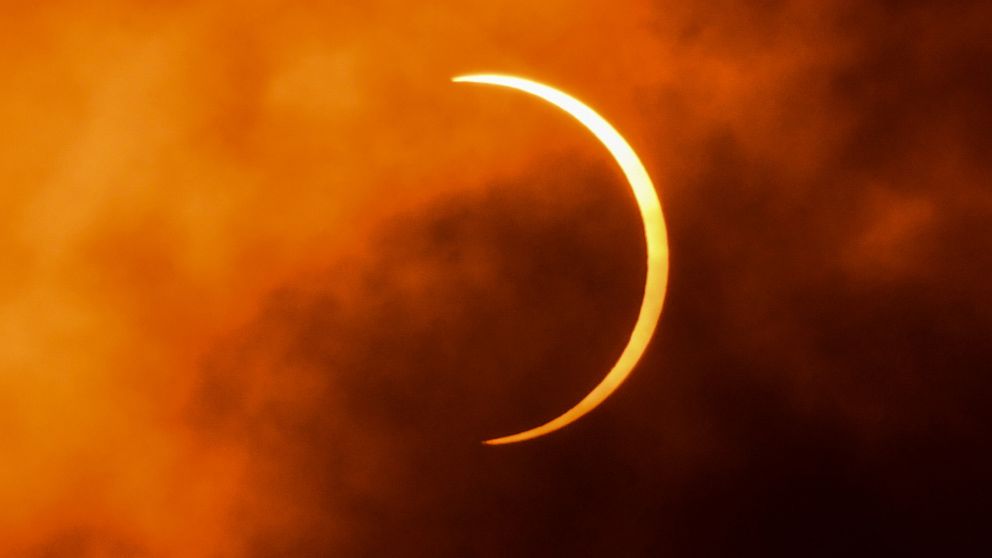
1:06
How to see ‘Ring of Fire’ solar eclipse, 1st in US since 2017
Jewel Samad/AFP via Getty Images, FILE
ByMarlene Lenthang
June 04, 2021, 5:50 PM

A stunning annular solar eclipse will illuminate the sky, appearing as an ominous ring of fiery, glowing light in some parts of the world next week.

The spectacle, called the "ring of fire" solar eclipse, will be visible for many people around sunrise on June 10 and will visible in northeastern North America, as well as northern regions of Europe and Asia.

In a solar eclipse, the moon passes directly between the Earth and the sun, blocking the sun's light. In annular solar eclipses, the moon isn't close enough to Earth to fully cover the sun, leaving a ring of orange sunlight around the moon.
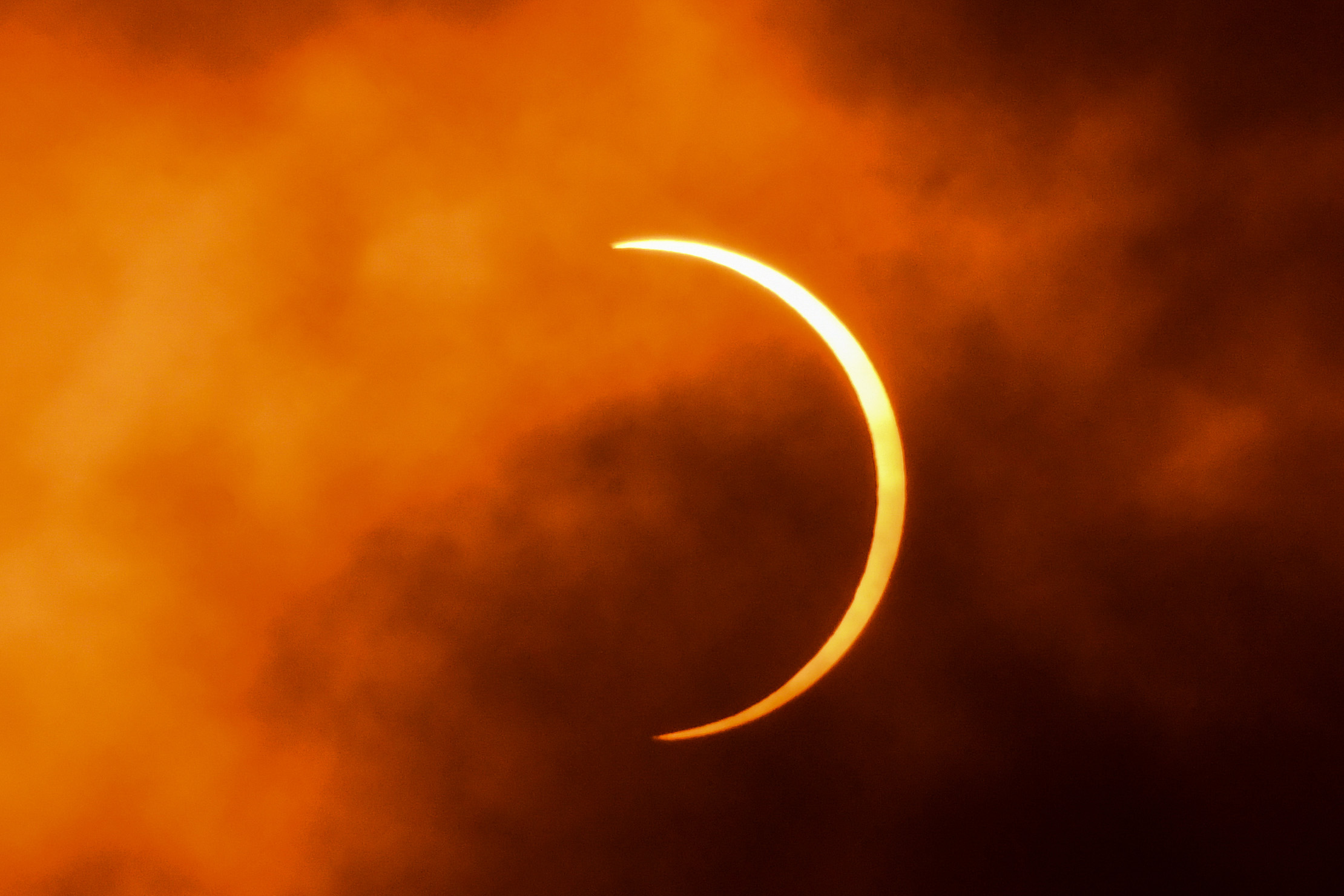
In this June 21, 2020, file photo, the moon moves in front of the sun during an solar eclipse as seen through clouds from New Delhi.
Jewel Samad/AFP via Getty Images, FILE

Onlookers in Canada, Greenland and northern Russia will have a front row seat to the ring-shaped wonder. Meanwhile, viewers in the Eastern and Midwestern U.S. should look east to observe the partial solar eclipse that will take the shape of a crescent sun, according to NASA. In the U.S., the eclipse will occur before, during, and shortly after sunrise.

The eclipse will start at 4:12 a.m. ET and will end at 9:11 a.m. ET in the northeastern U.S. The time of maximum eclipse varies by location, according to the Farmer's Almanac.

Related Articles

MORE: How to see the 'Super Flower Blood Moon,' 1st lunar eclipse of this decade

In New York, the eclipse will begin at 4:41 a.m. ET, with a maximum eclipse around 5:35 a.m., per NASA data.
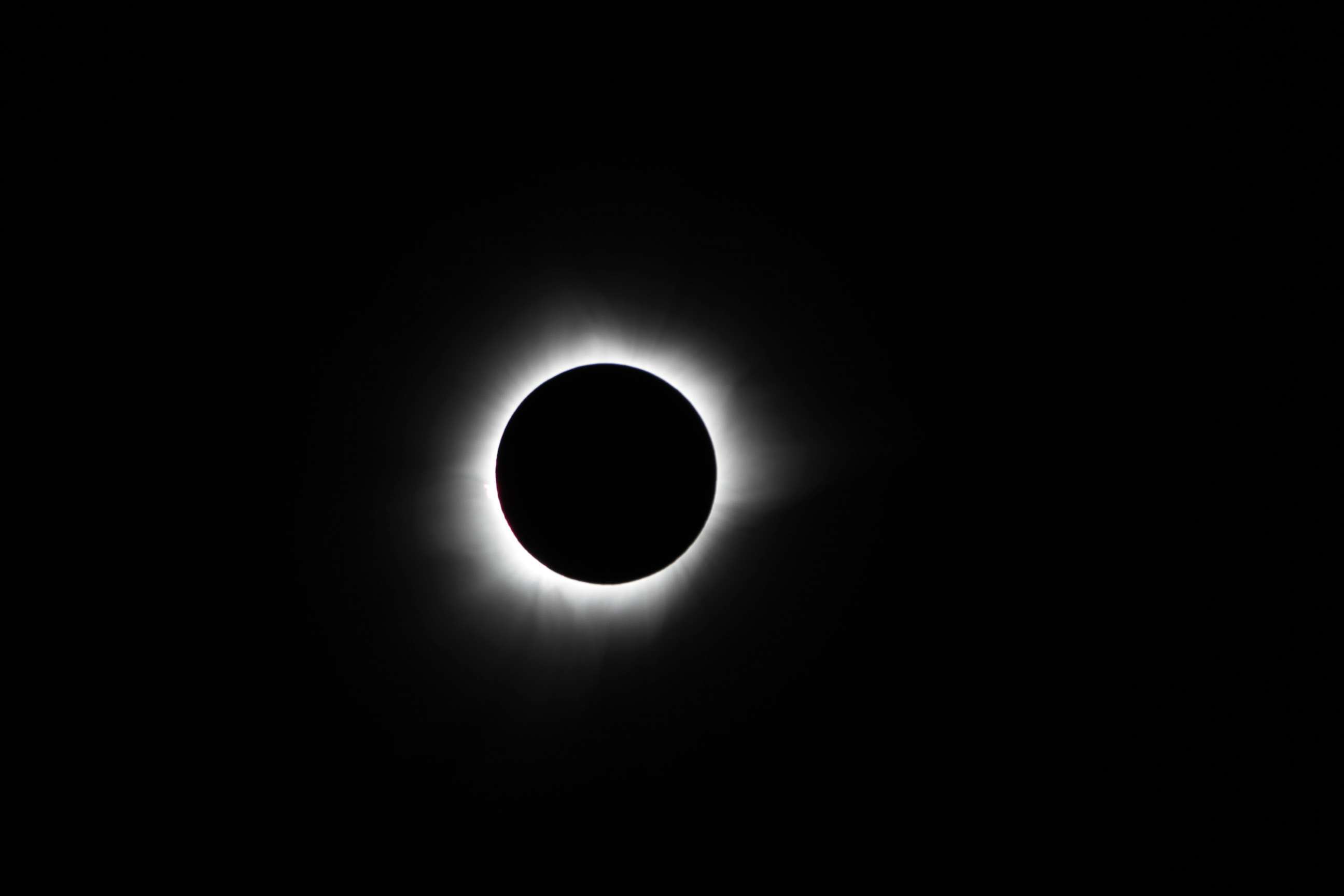
In this March 9, 2016, file photo, a total solar eclipse is pictured in Matantimali, Palu, Central Sulawesi, Indonesia.
Barcroft Media via Getty Images, FILE

Astronomers have emphasized that while it's safe to view this eclipse, do so only by using eye protection such as "eclipse glasses" or a solar filter.

This will be the first solar eclipse in the U.S. since 2017, when a total solar eclipse dazzled the nation.

Related Articles

MORE: Pink moon is 1st supermoon of 2021: When to see it

Sky gazers were left in awe by the "Super Flower Blood Moon" last month. It was the second super moon of the season and happened at the same time as a lunar eclipse. During that event, the moon had a reddish hue and appeared brighter and larger than usual.


Up Next in News—

Rip current risk at onset of Memorial Day Weekend: How to stay safe

May 22, 2026

What to know about 'Lulu's Law' requiring emergency shark attack notifications

May 21, 2026

Father, daughter speak after Lyft driver is accused of using AI-generated image for damage claim

May 20, 2026

Police officer speaks out after rescuing choking toddler in incident caught on camera

May 20, 2026

Shop GMA Favorites

ABC will receive a commission for purchases made through these links.

Sponsored Content by Taboola

The latest lifestyle and entertainment news and inspiration for how to live your best life - all from Good Morning America.
  • Contests
  • Terms of Use
  • Privacy Policy
  • Do Not Sell My Info
  • Children’s Online Privacy Policy
  • Advertise with us
  • Your US State Privacy Rights
  • Interest-Based Ads
  • About Nielsen Measurement
  • Press
  • Feedback
  • Shop FAQs
  • ABC News
  • ABC
  • All Videos
  • All Topics
  • Sitemap

© 2026 ABC News
  • Privacy Policy— 
  • Your US State Privacy Rights— 
  • Children's Online Privacy Policy— 
  • Interest-Based Ads— 
  • Terms of Use— 
  • Do Not Sell My Info— 
  • Contact Us— 

© 2026 ABC News