Rise in heart disease may be explained by extreme weather conditions: Study

Dr. Martha Gulati will never forget the first time she saw a young, healthy athlete die of heat stroke.
It was 1995 in Chicago, in the middle of a heat wave that would ultimately claim nearly 700 lives. In the decades that followed, Gulati watched in alarm as the climate warmed and heat catastrophes grew even more intense.
"The medical community was not prepared for what these temperatures would do to people; we were ultimately learning on the fly," said Gulati, now associate director of the Barbra Streisand Women's Heart Center at Cedars-Sinai Medical Center in Los Angeles and president of the American Society of Preventive Cardiology.
Since that heat wave in 1995, climate change has intensified globally with wildfires, hurricanes, droughts, heat waves and cold spells leading to famine and drought. As a result of these extreme changes, the medical community is noticing an increasing rate of heart disease.
"The world we live in right now is not a very hospitable environment for the heart," Gulati said. "With heart disease prevention, we tend to focus on controlling blood pressure and lipids, but we should consider the other aspects of prevention, like our environment."
Sixty-two percent of deaths attributed to climate change were from cardiovascular disease, according to a study published in Lancet in 2020.
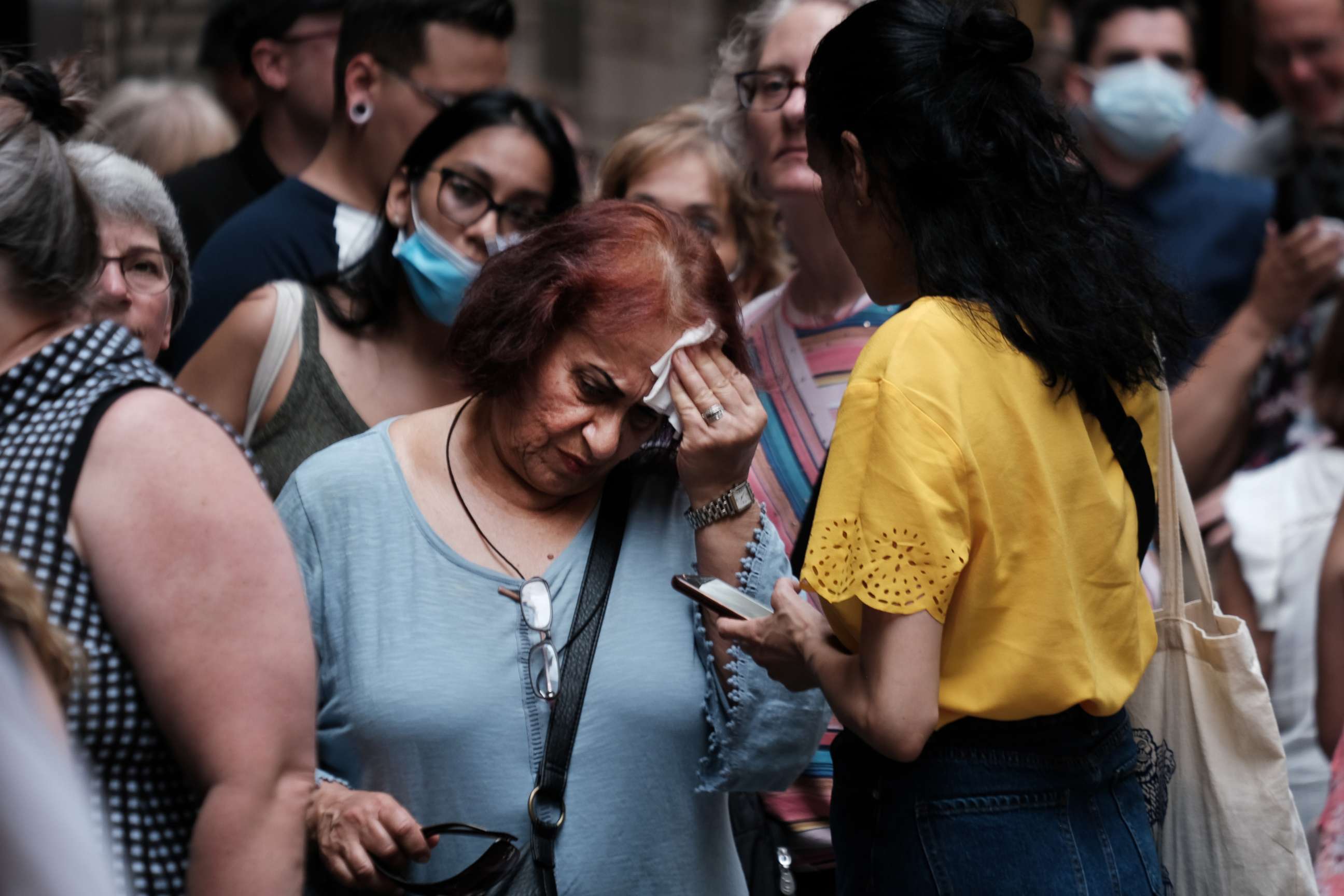
"We know that air pollution is a cause of heart disease." said Dr. Sadeer Al-Kindi, a cardiologist at University Hospitals in Ohio and assistant professor at Case Western Reserve University School of Medicine. "Evidence shows that air pollution increases heart disease, heart failure and insulin resistance."
Particulate matter, tiny particles in the air invisible to the naked eye, are produced by greenhouse gasses and carbon emissions. These particles can enter your lungs and bloodstream, wreaking havoc on tissues that are vital to a healthy cardiovascular system. Over time, prolonged exposure to pollution can contribute to increased clotting, high blood pressure and sleep disturbances.
Dr. Kai Chen, assistant professor at the Yale School of Public Health and director of research at the Yale Center on Climate Change and Health, said that when inhaled, these pollutants cause stress and inflammation in the body that can result in cardiometabolic syndromes, such as hypertension, high cholesterol and diabetes.
Experts say it's difficult to directly blame individual heart attacks on heat waves based on currently available data. However, there is research to suggest a close relationship, as regions with excessive heat or freezing temperature had alarmingly higher episodes of heart attack, according to a June study in Nature Reviews Cardiology.
It's not clear exactly why temperature shifts are correlated with higher rates of heart attacks. Experts believe that temperature shifts affect the body's ability to regulate normal body temperatures in response to the extreme temperatures.
Al-Kindi said that a concept called "climate penalty" could explain these patterns. Extreme weather conditions from climate change are able to increase and distribute those invisible molecules that are detrimental to our body, he said.
"Fires, winds, heat and cold driven by climate change increases the production and distribution of these pollutants," Al-Kindi said. "[Climate change] both directly elevates the number of particles in the air that people breathe in, but also indirectly by causing droughts, famine, malnutrition and limiting accessibility to care."

A study published earlier this month in the journal Nature Cardiovascular Research found that even medications used to treat heart disease may work differently during heat waves.
Chen, who was the lead author in the study, found that patients who were taking two medications used to treat heart disease had higher rates of heart attacks on days with record heat waves.
Regardless of the age, people who were on beta blockers and antiplatelet medications had a number of heart attacks, explained Chen.
"What is interesting," Chen said, "is that young people on the same medications, who we typically do not expect to have heart disease, also had higher episodes of heart attacks than those who were not taking these medications."
Al-Kindi, who was not involved in the study, believes this paradox of medications treating heart disease causing more heart attacks on extremely hot days could be from blunting our nervous system that regulates our "fight or flight" response and regulates the way we respond to temperature.
While avoiding cigarettes, eating healthy, sleeping well and exercising are ways to prevent heart disease, doctors agree that protecting yourself from the impacts of climate change is essential to your heart health.

Experts advise changes should be made as a community by reducing plastic waste, using public transport, recycling, avoiding red meat and advocating for policies to help prevent worsening climate change.
On an individual level, Al-Kindi said people should stay inside on extremely hot and cold days, avoid pollutants by wearing a mask, move away from fossil fuels and move toward clean energy.
"The impact of climate change is not a question of whether it's happening -- it is happening and we are seeing evidence of it every day," said Gulati. "If we don't act now, we won't save lives and our job as physicians is to save lives."
Lily Nedda Dastmalchi, D.O., M.A., is a cardiology fellow at Temple University Hospital and a contributor to the ABC News Medical Unit.