• Video
  • Shop
  • Culture
  • Family
  • Wellness
  • Food
  • Living
  • Style
  • Travel
  • News
  • Book Club
  • Newsletter
  • Privacy Policy
  • Your US State Privacy Rights
  • Children's Online Privacy Policy
  • Interest-Based Ads
  • Terms of Use
  • Do Not Sell My Info
  • Contact Us
  • © 2026 ABC News
  • News

Scientists discover new monkey species in Myanmar
1:55
Headlines from ABC News Live
Thaung Win/German Primate Center (DPZ)- Lei/AFP via Getty Images
ByJulia Jacobo
November 11, 2020, 10:45 PM

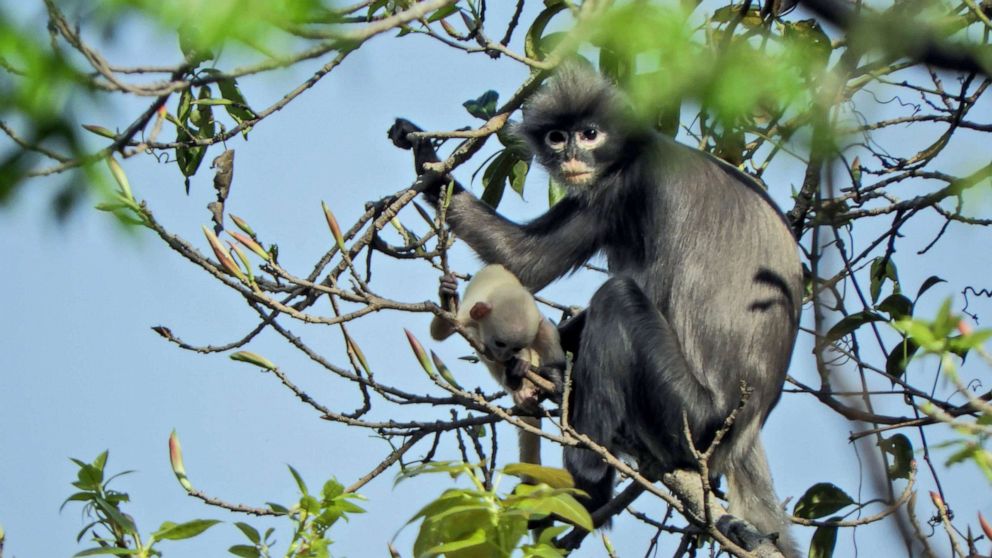
Scientists have discovered a new species of monkeys in central Myanmar with the help of a 100-year-old tissue sample.

The primate, named Popa langur after the extinct volcano Mount Popa, has been "hiding in plain sight" in central Myanmar, according to the conservation organization Fauna & Flora International. The area of Mount Popa houses the largest population of the species.
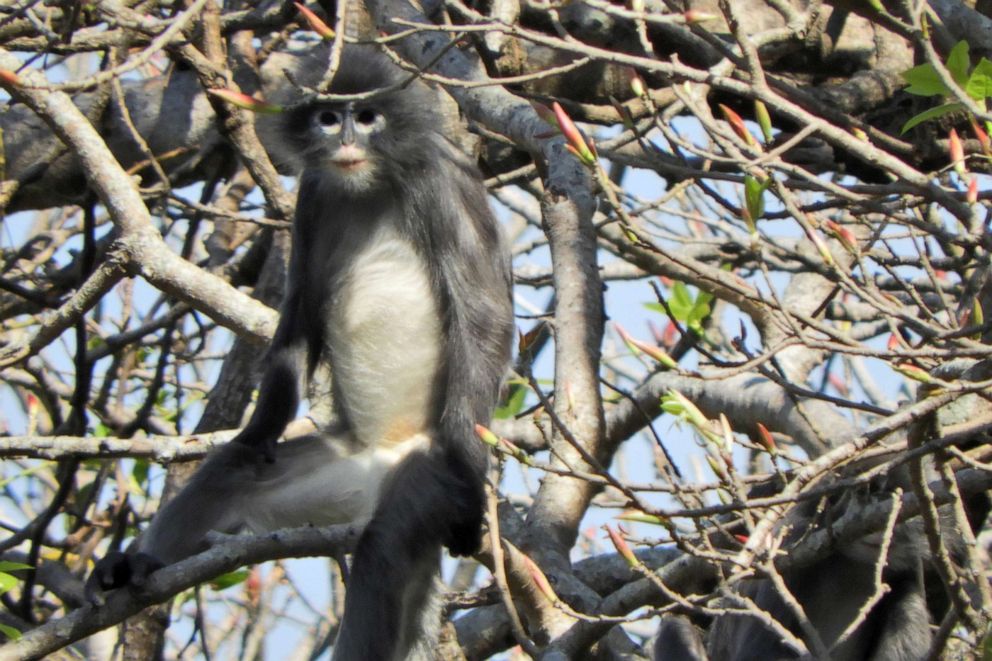
PHOTO: In this undated handout photo released by the German Primate Center (DPZ) on Nov. 11, 2020, the newly discovered primate named Popa langur (Trachypithecus popa) is seen on a tree branch on Mount Popa, Myanmar.
In this undated handout photo released by the German Primate Center (DPZ) on Nov. 11, 2020, the newly discovered primate named Popa langur (Trachypithecus popa) is seen on a tree branch on Mount Popa, Myanmar. Picture taken Feb. 26, 2018.
Thaung Win/German Primate Center (DPZ)- Lei/AFP via Getty Images

Related Articles

MORE: New species of burrowing dinosaur found perfectly preserved in 'Cretaceous Pompeii'

The Popa langur is characterized by a dark brown or gray-brown back, with a sharply contrasting gray or whitish abdomen and black hands and feet, according to a new study published in the international scientific journal Zoological Research.

The species was once widespread in the central dry zone of Myanmar, researchers said. Only two populations of the monkeys were thought to have survived, one in Mount Popa and the other in Bago Yoma, but recent fieldwork has led to the discovery of three new populations, the researchers said. Scientists believe there are only about 200 to 250 living Popa langurs, and the species is considered to be critically endangered.
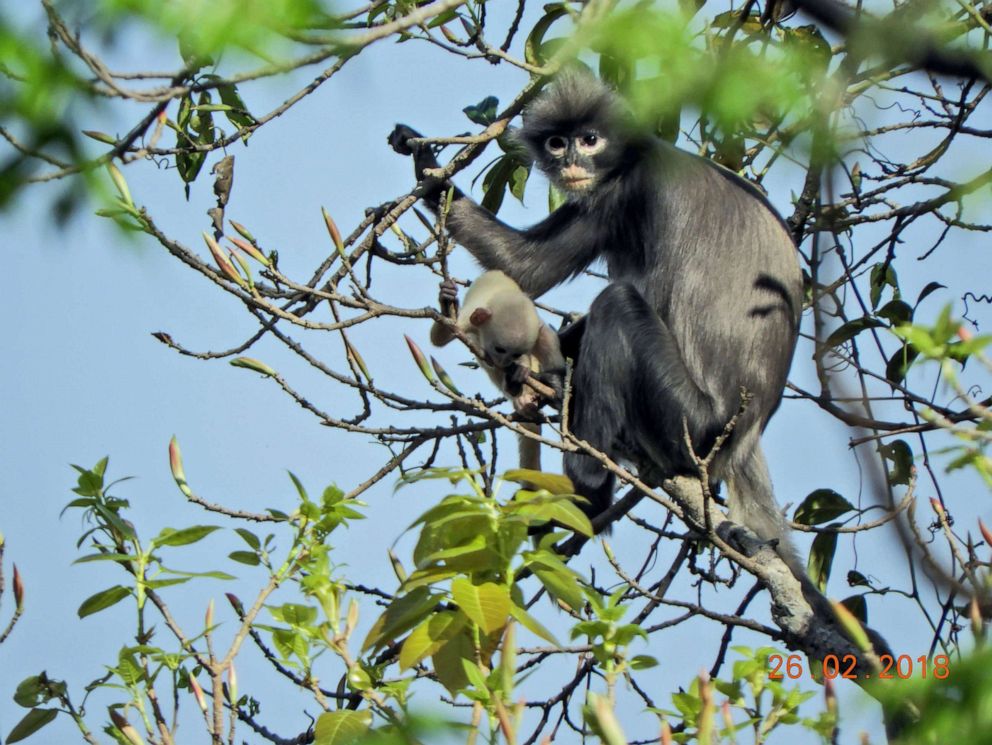
PHOTO: A handout picture made available by the German Primate Center (DPZ)- Leibniz Institute for Primate Research on Nov. 10, 2020, shows an adult female and juvenile Popa langur (Trachypithecus popa) in the crater of Mount Popa, Myanmar Myanmar.
A handout picture made available by the German Primate Center (DPZ)- Leibniz Institute for Primate Research on Nov. 10, 2020, shows an adult female and juvenile Popa langur (Trachypithecus popa) in the crater of Mount Popa, Myanmar Myanmar. Picture taken Feb. 26, 2018.
Thaung Win/German Primate Center (DPZ)- Lei/AFP via Getty Images

Related Articles

MORE: Galapagos giant tortoise has so much sex he retires after saving his species

DNA was collected by researchers in the wild by fecal samples. Tissue samples, some a century old, were taken from the natural history museums in London, Leiden, New York and Singapore and used for the genetic analysis of the species, which proved that it had not been uncovered before.
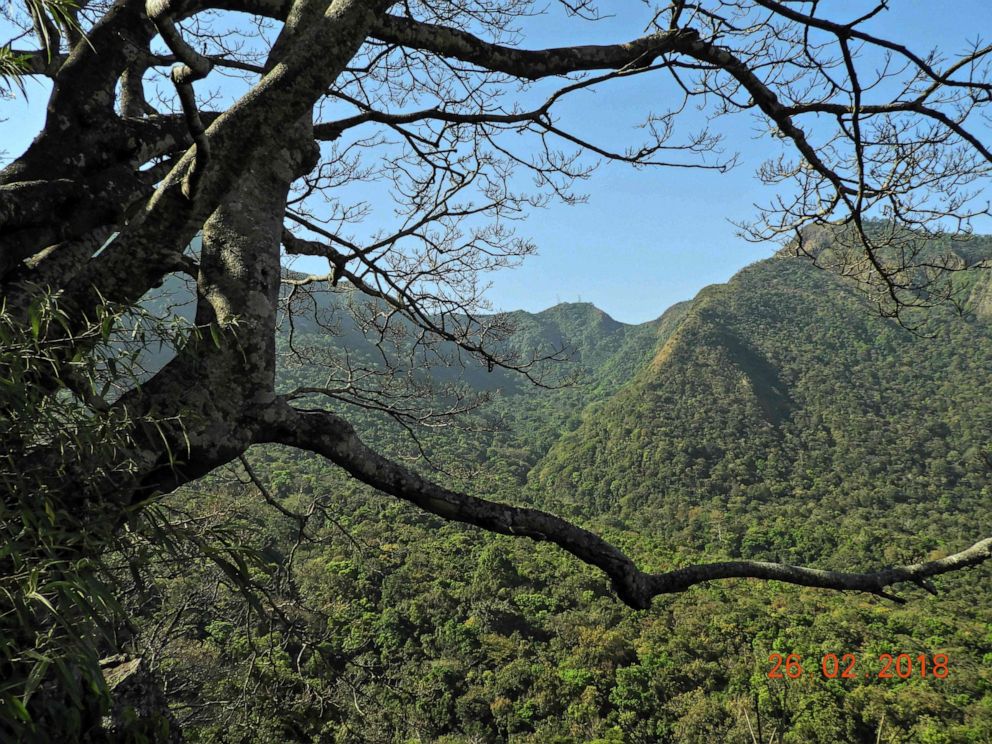
PHOTO: A handout picture made available by the German Primate Center (DPZ)- Leibniz Institute for Primate Research, Nov. 10, 2020, shows the intact habitat of the Popa langur (Trachypithecus popa) in the crater of Mount Popa, Myanmar.
A handout picture made available by the German Primate Center (DPZ)- Leibniz Institute for Primate Research, Nov. 10, 2020, shows the intact habitat of the Popa langur (Trachypithecus popa) in the crater of Mount Popa, Myanmar. Picture taken Feb. 26, 2018.
Thaung Win/German Primate Center (DPZ)- Lei/AFP via Getty Images

Ten years ago, a team of primatologists lead by Fauna & Flora International discovered the snub-nose monkey in Myanmar. When found, the population of the "sneezing" monkey was between 260 and 330 living animals, but the scientists were able to work with local communities to safeguard the species' future, according to the organization.

Related Articles

MORE: Back from the abyss: These are the animal species that resurfaced in 2019 after they were feared lost

The monkeys' survival is threatened by hunting, habitat loss, degradation and fragmentation caused by agricultural encroachment, illegal and unsustainable timber extraction and disturbances caused by collection of non-timber products and free cattle grazing, according to the study.


Up Next in News—

Gas prices are up across the country. Here's where you'll find the most expensive -- and cheapest -- gas

May 2, 2026

Police officers hailed as heroes after New York house explosion

May 1, 2026

Artemis II astronauts on their out-of-this-world mission: 'Adventure of a lifetime'

April 30, 2026

'Rogue' AI agent went haywire at tech company. The CEO is still 'bullish' on the technology

April 29, 2026

Shop GMA Favorites

ABC will receive a commission for purchases made through these links.

Sponsored Content by Taboola

The latest lifestyle and entertainment news and inspiration for how to live your best life - all from Good Morning America.
  • Contests
  • Terms of Use
  • Privacy Policy
  • Do Not Sell My Info
  • Children’s Online Privacy Policy
  • Advertise with us
  • Your US State Privacy Rights
  • Interest-Based Ads
  • About Nielsen Measurement
  • Press
  • Feedback
  • Shop FAQs
  • ABC News
  • ABC
  • All Videos
  • All Topics
  • Sitemap

© 2026 ABC News
  • Privacy Policy— 
  • Your US State Privacy Rights— 
  • Children's Online Privacy Policy— 
  • Interest-Based Ads— 
  • Terms of Use— 
  • Do Not Sell My Info— 
  • Contact Us— 

© 2026 ABC News