Scientists make radioactivity-free vodka from Chernobyl
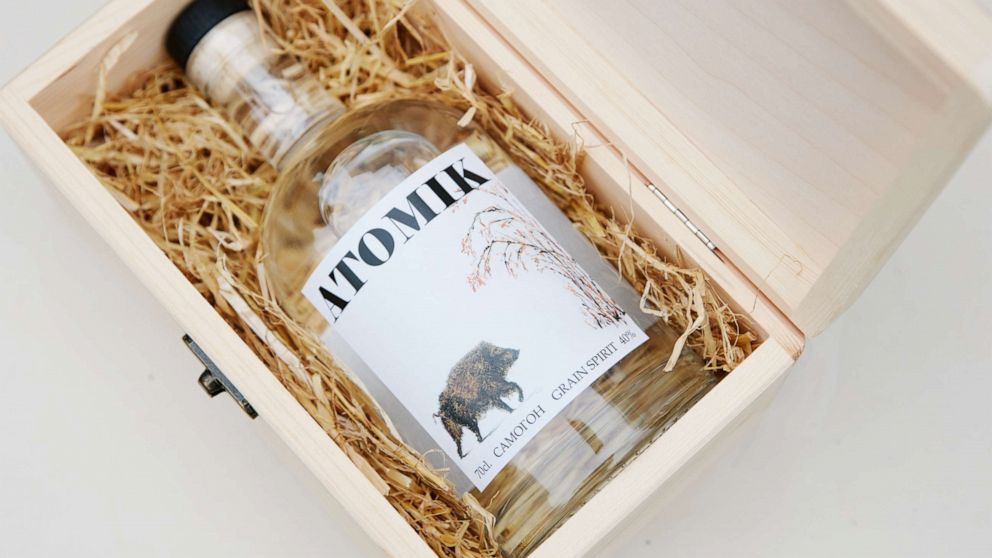
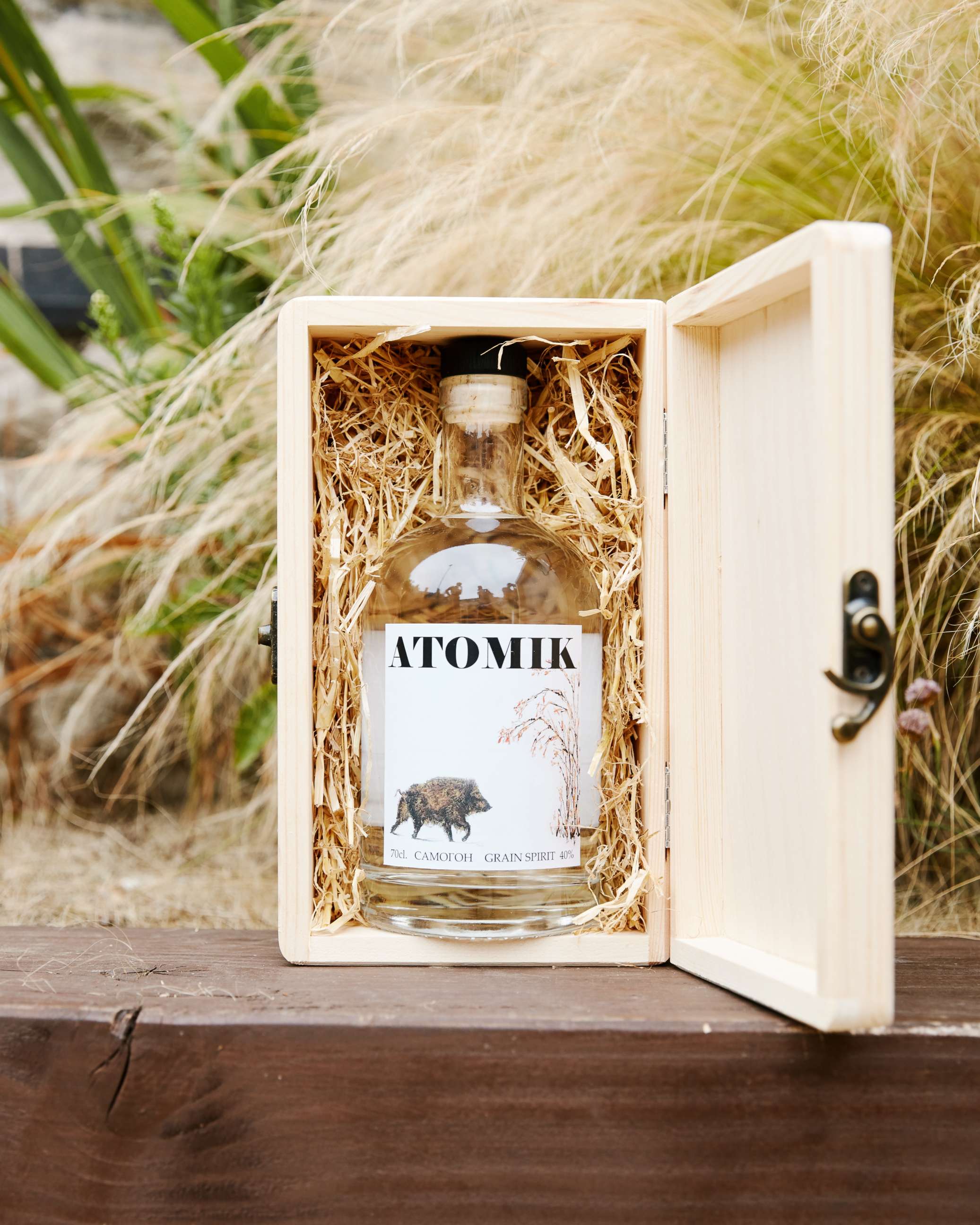
A steady stream of thrill-seekers have been drawn to the scene of one of the worst civilian disasters in the nuclear age, and soon they may be offered a chance to bring home a souvenir in the form of a bottle of Atomik Chernobyl vodka.
A team of scientists from the U.K. and Ukraine just brewed the first bottle of artisanal spirits made of grain and water from Chernobyl's once-banned exclusion zone.
Though the 1,600-square-mile (4,200 square kilometers) zone surrounding the doomed nuclear plant was thought by some scientists to be uninhabitable for 20,000 years following the meltdown in April 1986, 33 years later, radioactivity both inside the former exclusion zone around the plant and in the rural areas around it has gone down to levels some scientists say is safe for humans.
"Atomik vodka is no more radioactive than any liquor on the market," Jim Smith, professor of Environmental Science at the University of Portsmouth, told ABC News.
Gennady Laptev of the Ukrainian Hydrometeorological Institute and Smith spent a quarter of a century studying the long term effects of radioactivity in Chernobyl, and their vodka project has been in development for three years. Together, they founded the Chernobyl Spirit Company.
The two scientists and some of their colleagues were looking into the possibility of producing crops from Chernobyl good for human consumption and found vodka to be a decent possibility.
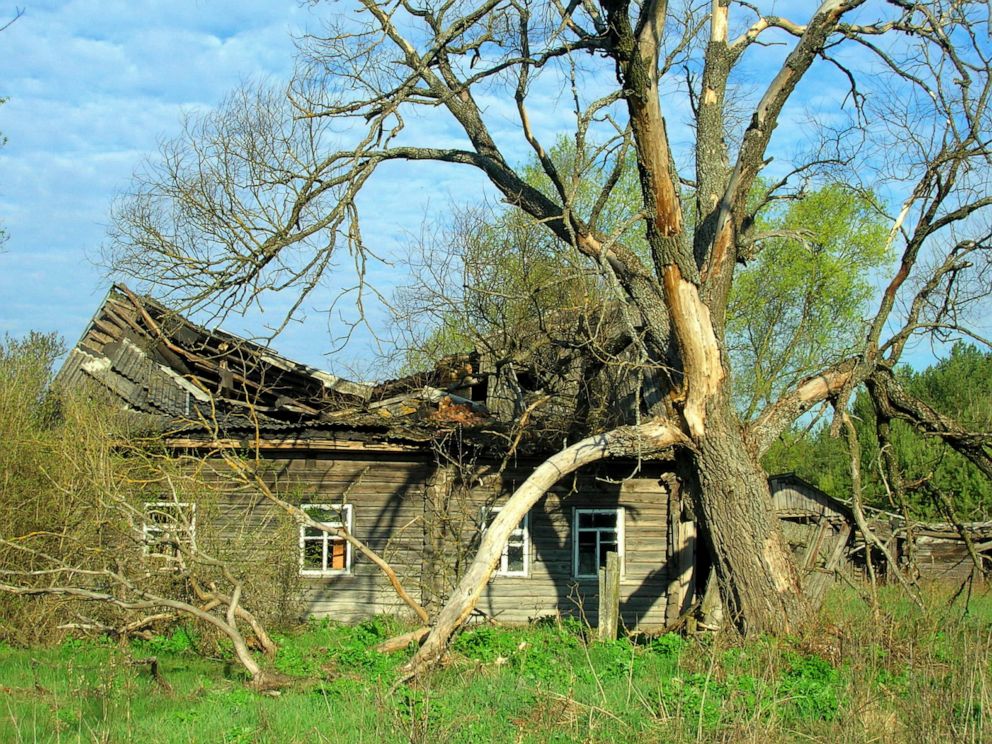
Grain for the vodka was produced on a plot in Section 2, a wider part of the Exclusion Zone. The rye they grew tested positive for Strontium 90, a radioactive isotope, but all traces of contamination disappeared in the distillation process, when water and all diluting substances are completely removed, while fermented liquids are purified.
The local water in the vodka is safe, too, they posited, because it comes from a discreet aquifer about 500 feet (150 meters) below the radiated area where the chemical composition is similar to the groundwater of the Champagne region.
Only a trace of Carbon-14 was detected in the vodka they made, at a level organically present in hard spirits. Radiation tests carried out by scientists at the University of Southampton confirmed the product to be as safe as any other hard liquor.
And just to be safer, Laptev and Smith said their vodka will be triple-distilled, like premium vodkas.
They are pitching their proposed product as a way for tourists to give back to the Chernobyl region by supporting local agriculture and local business.
"Ten thousand to 12,000 people are still living in the Zone of Obligatory Resettlement," explains Smith, "where new investment and use of agricultural land is still forbidden."
For them, Smith and Laptev claim, Atomik vodka could be an economic lifeline.
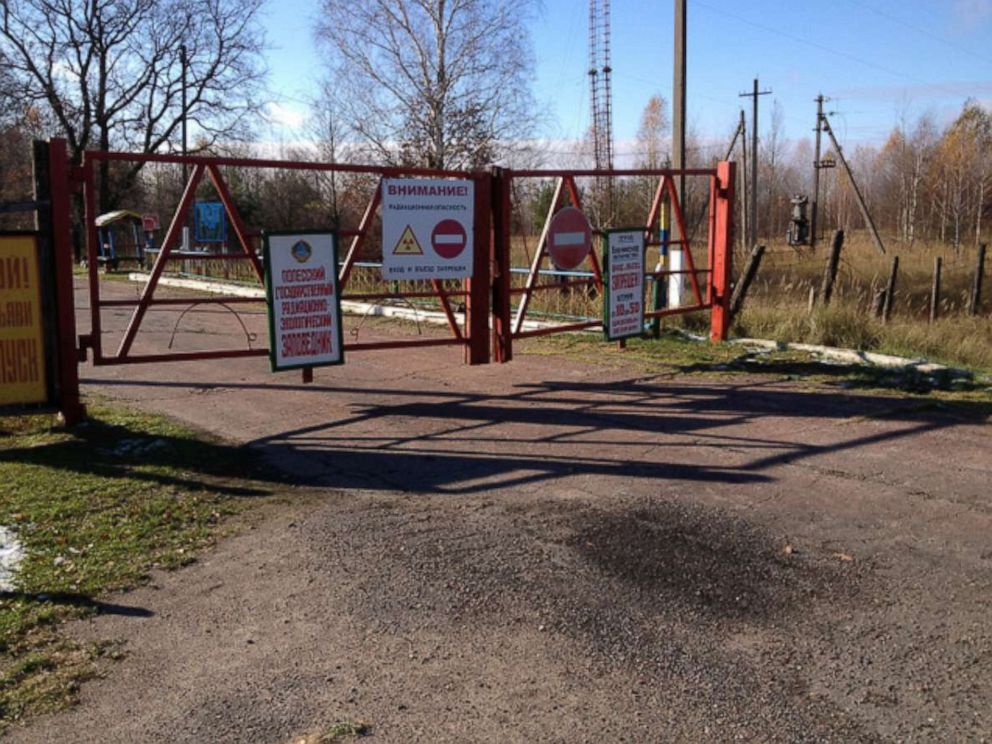
Risk at the exclusion zone is also considered "negligible" by the Ukrainian government, which reopened the zone to tourism almost a decade ago. Today, Chernobyl is a top tourist attraction Ukraine, a magnet for so-called atomic tourists. With the helping hand of hit HBO show "Chernobyl," there is a 30% spike in tourism this year, according to a guide.
"A lethal exposure of radiation ranges from 300 to 500 roentgens an hour," Laptev, who has worked on aftermath of Chernobyl explosion since 1986, said.
"Levels in the tour areas," he said by phone from Chernobyl, "vary from 15 to a hundred microroentgens per hour."
And that, Smith said, is "comparable to the exposure that an airplane passenger might receive on any commercial flight."
So far, only one wild boar-branded bottle has been produced, and there are still legal issues to be settled in Ukraine, but the producers hope to begin small-scale experimental production later this year.
"Atomik will have that fruity taste of traditional home-made Ukrainian vodka," Laptev said.