She was sexually assaulted and killed in 1973. Now genetic genealogy identified a suspect.
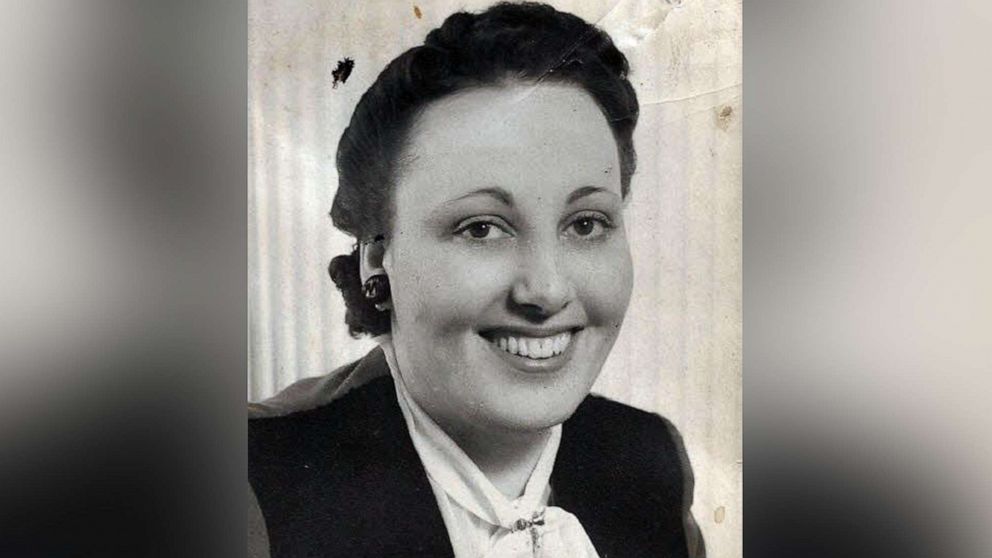
Over four decades after a woman was sexually assaulted and killed, a suspect has finally been identified through the new, but growing, investigative tool of genetic genealogy.
Naomi Sanders was found sexually assaulted and strangled to death on Feb. 27, 1973 inside her apartment in Vallejo, California, about 30 miles outside San Francisco.
Sanders, 57, lived alone and was the onsite manager for the apartment complex, the Vallejo Police Department said.
But the years ticked by without progress in her case.
In 2014, forensic testing was completed on the clothes Sanders was wearing when she was killed, and analysts found a semen stain, said police.
A DNA profile was developed from the stain and entered into the law enforcement database Combined DNA Index System (CODIS) -- but there was no match, police said.
Detectives said they continued to run the DNA profile against new people when they were added to CODIS, still without a match.
In 2016, detectives tried familial DNA technology, which allowed them to search the California DNA database and wider DNA databases in other states for people related to the unknown suspect, police said. Again, they didn't get a hit.
Police said the break in the case finally came when authorities started to look into genetic genealogy in 2018.
Through genetic genealogy, an unknown killer's DNA left at a crime scene can be identified through his or her family members, who voluntarily submit their DNA to a genealogy database. This allows police to create a much larger family tree than using law enforcement databases like CODIS.
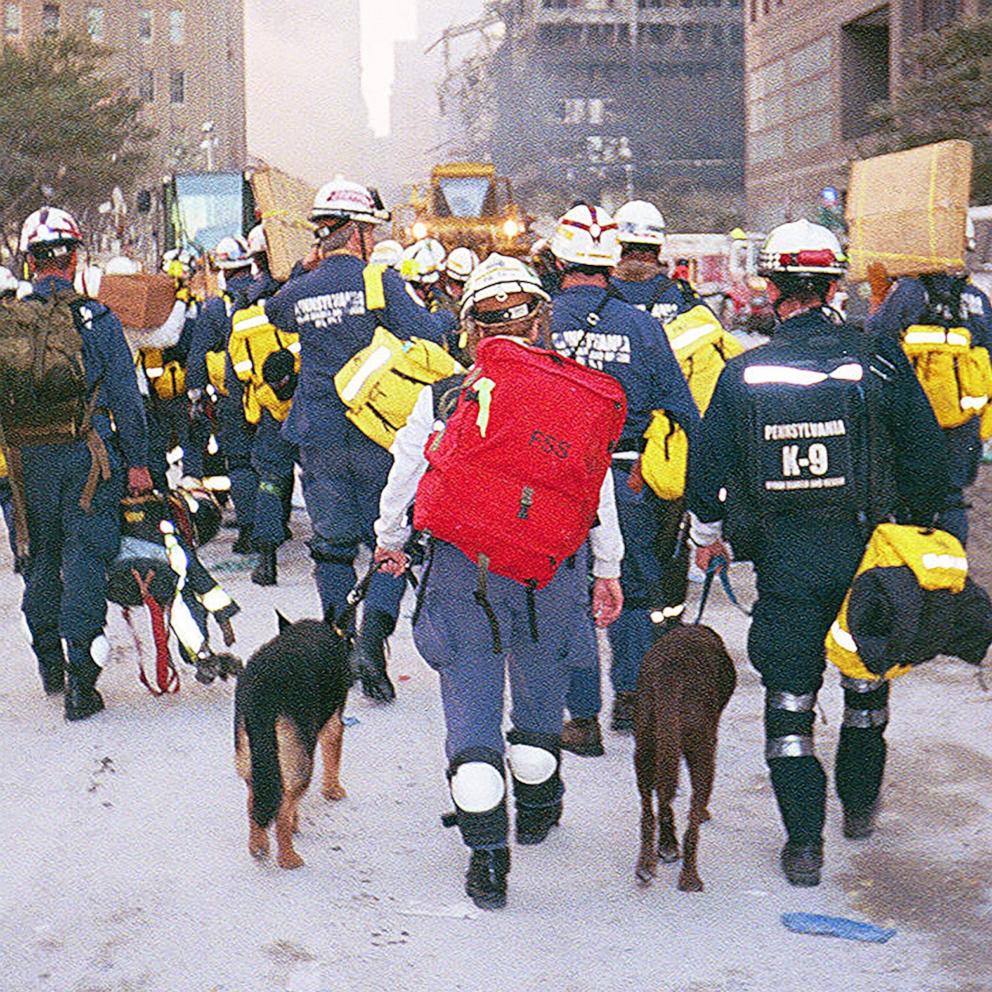
Genetic genealogy first came to light as an investigative tool in April 2018 when the suspected "Golden State Killer" was arrested through the technique. Since then, over 100 suspects have been identified through the technology, according to Parabon NanoLabs Chief Genetic Genealogist CeCe Moore, who worked on the Sanders case.
After working through the family tree of Sanders' unknown killer in April 2019, analysts were able to zero-in on two persons of interest, authorities said.
Detectives went to Louisiana in 2019 where they collected a discarded item from one of those persons of interest, police said. They tested the DNA from that item, but didn't get a match, so they eliminated the man as a suspect, police said.
That left police with the second person of interest -- who was dead and had been cremated, they said.
Authorities contacted one of his sons and collected his DNA, which determined that Sanders' suspected killer was Robert Dale Edwards, the Vallejo police announced Thursday.
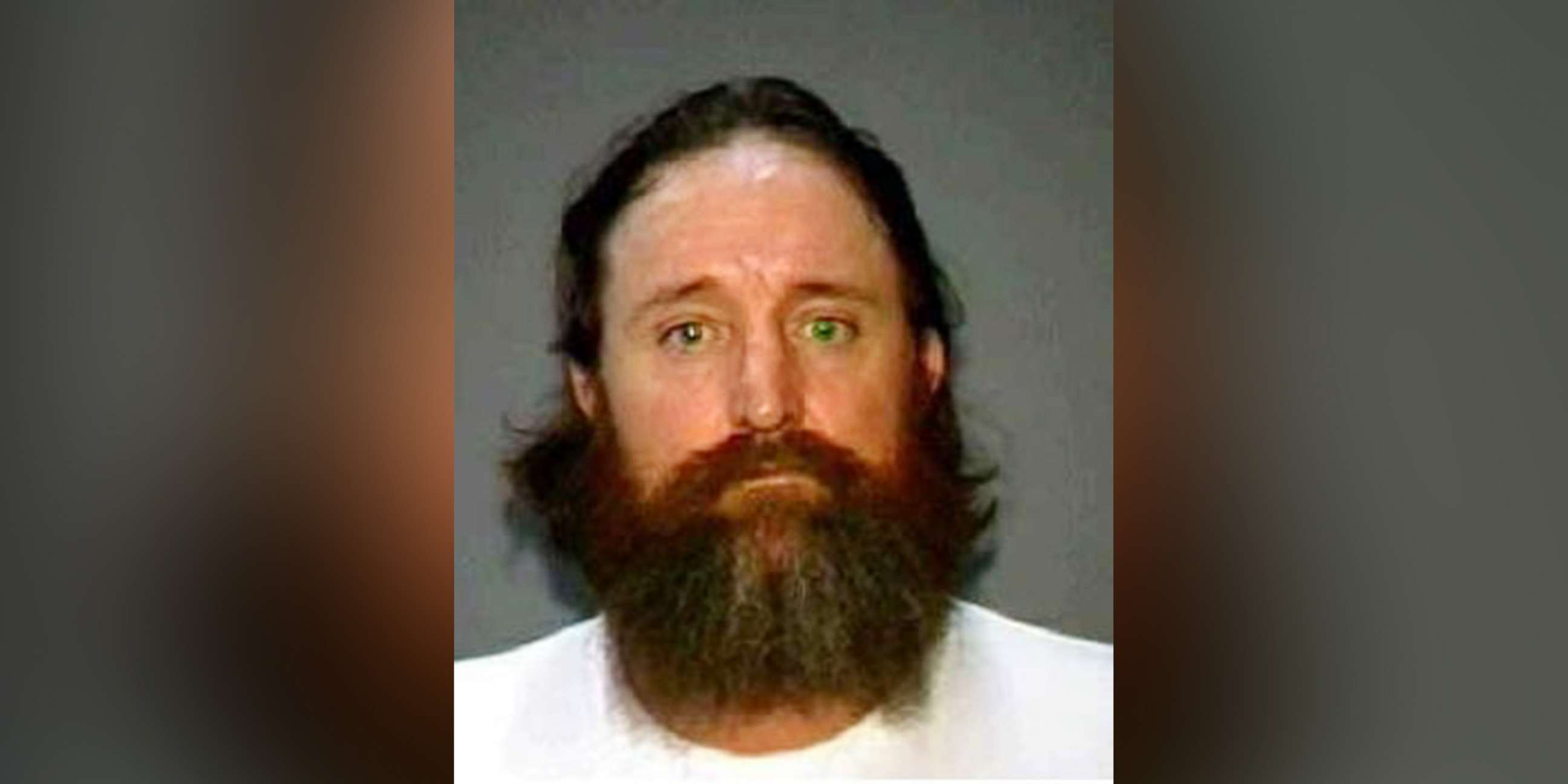
Edwards was a 22-year-old living in Vallejo at the time of the crime, police said. Detectives learned that Edwards' father was a co-worker of Sanders, police said.
He had a criminal history, including attempted murder, assault and domestic violence, police said.
Edwards died in 1993 of a drug overdose, police said.
Sanders' family released a statement through the police department, saying so many relatives over the last 46 years "have also passed, and, unfortunately, they cannot be afforded the truth as to what happened."
"Those of us who do remember the stories of Naomi's life and untimely death can now feel closure thanks to the determination and teamwork of the Vallejo Police Department and partnering law enforcement agencies," the family said.
"May Naomi now rest in peace," her family said.