SpaceX IPO makes Elon Musk the first-ever trillionaire
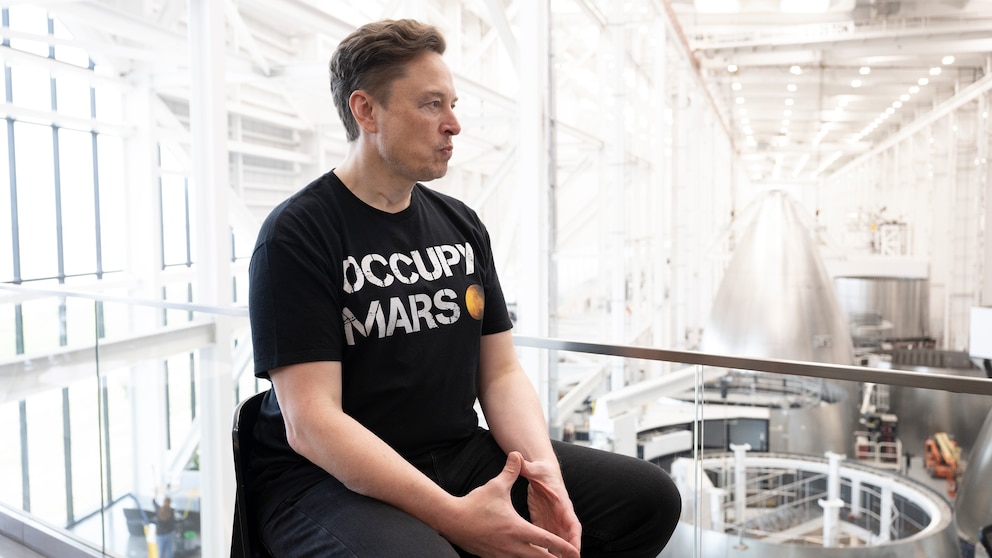
Elon Musk, the wealthiest person alive, became the first-ever trillionaire when SpaceX stock began trading on Friday.
The company's founder and CEO owns roughly four out of every 10 SpaceX shares after the initial public offering (IPO). SpaceX hit markets at a valuation of nearly $2 trillion, allowing Musk to accrue hundreds of millions of dollars in new wealth, at least on paper. It marked the largest IPO of all time.
Prior to the stock listing, Musk boasted a net worth of about $780 billion, according to Forbes. The second-wealthiest person in the world, Google founder Larry Page, counts a net worth of $291 billion.
SpaceX builds and operates spacecraft, including thousands of satellites deployed in support of its Starlink satellite internet service. Earlier this year, the Texas-based firm merged with xAI, a Musk-led artificial intelligence company that offers the chatbot Grok.
Musk's net worth exceeds the wealth of the poorest 46% of the global population, or about 3.8 billion people, according to a report issued by nonprofit Oxfam on Thursday.
The benchmark indicates Musk's wealth had grown about $550 billion over the past year, which breaks down to more than $1 million per day, Oxfam said.
After the IPO, Musk owns a major stake in two of the 10-largest companies in the world as measured by market capitalization: Tesla and SpaceX.
Musk's wealth stems primarily from the sizable stakes he holds in those two companies, Jason Schloetzer, a professor of accounting at Georgetown University who focuses on executive compensation, told ABC News.
His wealth, in other words, will depend in large part on the price of shares in those firms.
The SpaceX IPO has divided stock analysts, some of whom tout its earnings potential in the lucrative aerospace and AI industries, even as others bemoan what they view as pie-in-the-sky initiatives like space-bound data centers.
The company's revenue jumped to $18.7 billion in 2025, soaring 33% compared to the previous year, a financial filing showed. Nearly a quarter of that revenue came from Starlink, which counted millions of subscribers. Still, SpaceX failed to turn a profit, registering a loss of $4.9 billion last year.
The company targeted a launch price of $135 per share, which would have amounted to a $1.75 trillion valuation and a massive boon for Musk.
After the IPO, SpaceX will be subject to new attention from public investors and regulators, which could test the company's long-term ambitions, Schloetzer said.
"It remains to be seen whether the valuation of SpaceX can maintain or whether we'll see it come down once it's under the scrutiny of public markets," Schloetzer added.
Observers seeking evidence of potential shareholder gains can look no further than Musk-led Tesla. Over the past five years, Tesla shares have soared 90%, outpacing a 71% rise in the S&P 500 over that time. But shares of Tesla have also been buoyed by moonshot ventures like self-driving taxis and humanoid robotics.
"Clearly, fundamentals matter in the long run," Schloetzer said. "But it seems like Musk has been able to defy fundamentals in the past and he may be able to do that again."
Regardless of its size, the potential influx of wealth from the SpaceX IPO comes with a catch. Musk cannot sell any of his SpaceX shares until a year after the IPO, according to a financial filing. After that, a move to sell shares would erode Musk's stake in the company and reduce his control over decision-making.
"Selling shares would dilute his ownership control and voting power, but he wants to retain that," Schloetzer said. "On paper, you may be wealthy, but that's an asset you're not willing to sell."
Meanwhile, Tesla shareholders last year granted Musk a compensation package that could earn him more than $1 trillion over the coming years, meaning he may eventually push toward a net worth of $2 trillion.
"The numbers are so large it's hard to wrap your brain around," Schloetzer said.