Confessions of a Sperm Donor: Hundreds of Kids
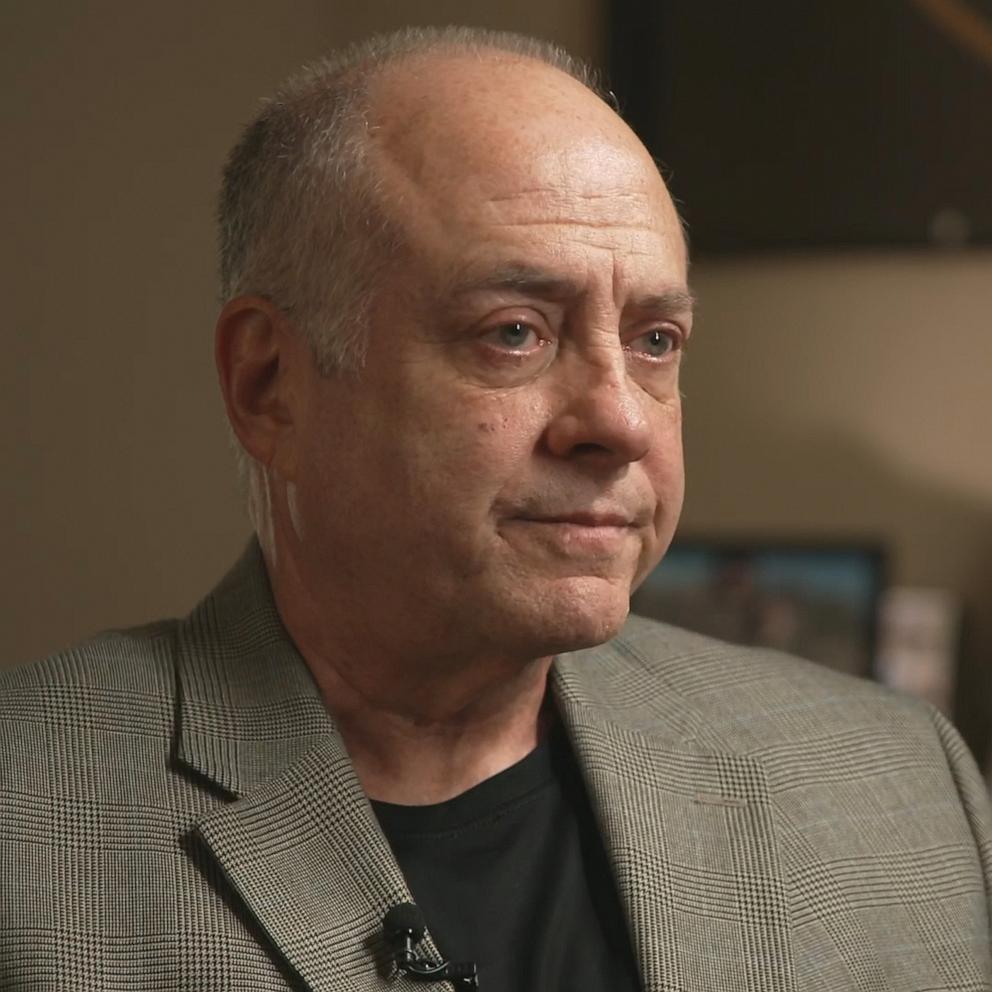
Aug. 19, 2010— -- In his days as a student at the University of Utah, Chase Kimball was known as number 007, donating his sperm at $20 a pop to help infertile couples.
He estimates that over a seven-year period during the 1970s and 1980s, he likely sired "hundreds of children."
At one point the clinic told him, "You've got too many kids locally and we can only use your sperm if someone orders it from out of state."
"For a long time, whenever I'd see crowds of children, I would look intently and wonder if one of these children was mine," said Kimball, now a 56-year-old lawyer in Salt Lake City.
Just this week, Hollywood is rolling out another film that deals with sperm donation, "The Switch," starring Jennifer Anniston and Jason Bateman -- a romantic comedy about a 40-year-old woman who turns to artificial insemination for a child and the donor sperm gets switched.
It comes on the heels of the critically-acclaimed, "The Kids Are Alright," in which a sperm donor played by Mark Ruffalo nuzzles his way in and out of the lives of his two offspring and their lesbian mothers.
These films, and likely more to come, are a reflection of a new attitude of openness toward sperm donation and a movement to regulate an industry that has been cloaked in secrecy and unsafe practices.
One study by the Commission on Parenthood's Future, "My Daddy's Not My Donor," surveyed 485 donor offspring and concluded they were more troubled and depression-prone than other young adults.
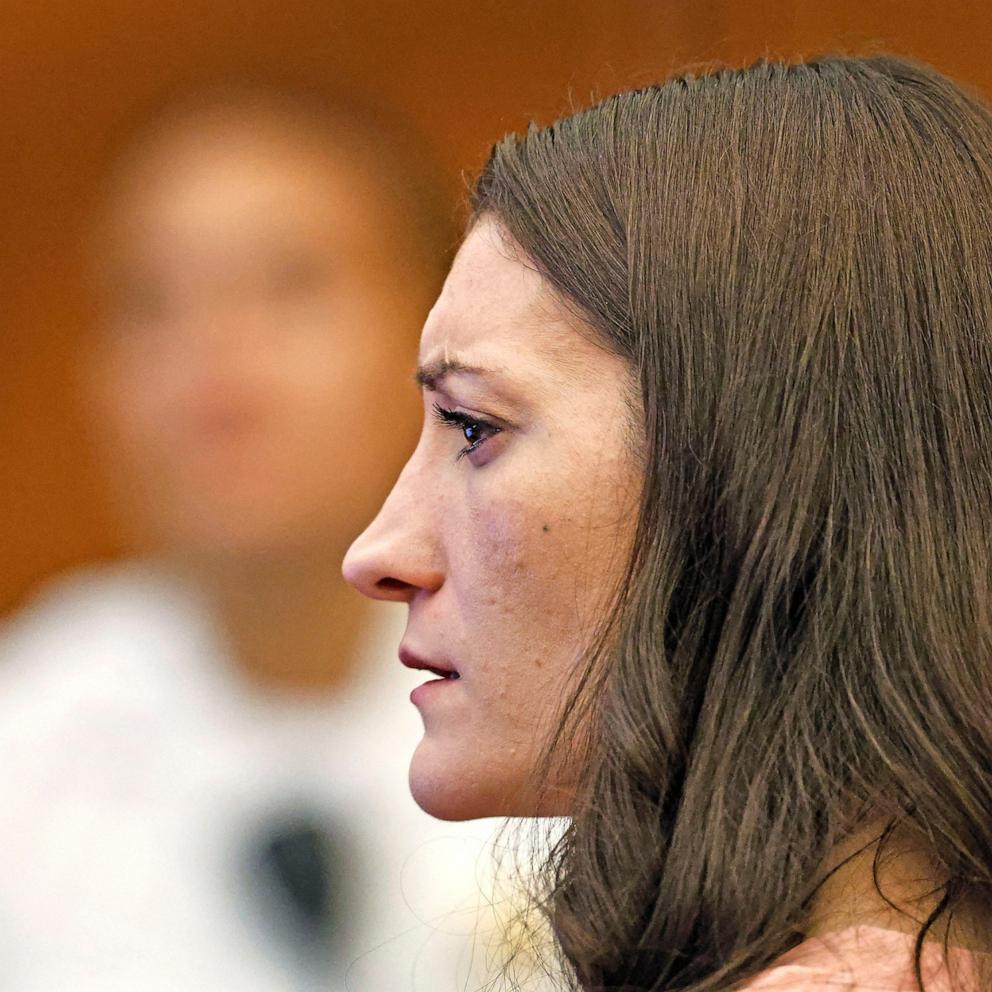
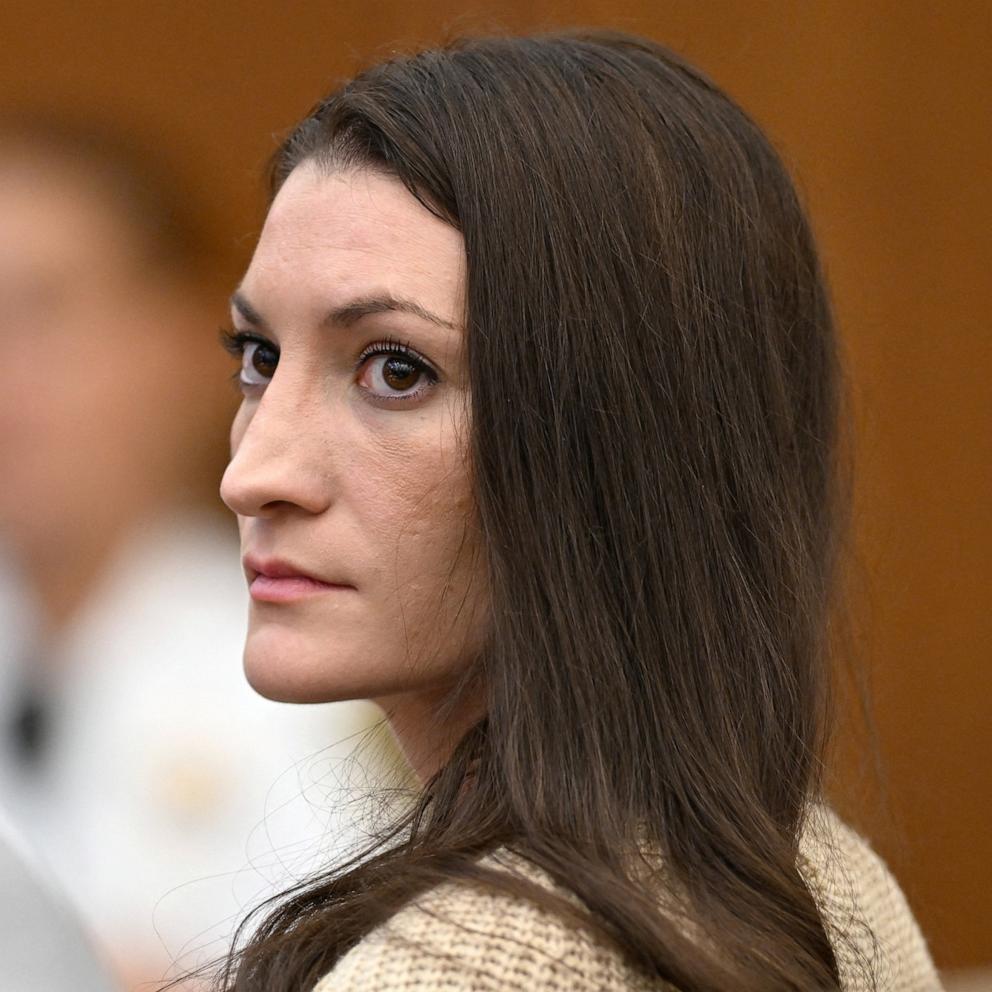
"We get 100 families a day signing on to our Web site," said Wendy Kramer, who conceived her son through sperm donation and founded the Web-based Donor Sibling Registry (DSR) in Colorado. It is the only registry of its type in the United States.
"There are no rules or regulations about donor identification, testing donors, monitoring numbers of children or medical records," Kramer said. "No one is watching. There are no laws.
"They recruit young college kids with no education and no counseling for the donors," she said. "They are lied to and told there will never be any more than 10 kids out there. They don't keep track."
Kimball just celebrated the fourth anniversary of meeting two of his biological offspring, full sisters who are 23 and 26, who sought him out on Kramer's DSR.
The reunion was exciting, but emotionally tricky, much like the journey of the sperm donor Paul from "The Kids Are Alright."
"I identified with him quite a bit," Kimball said of the motorcycle-riding free spirit who reconnects with his teenage offspring.
Like the film's donor-conceived children, Joni and Laser, offspring go through a variety of emotions, and reunions can be fraught with guilt and emotional upheaval.
Kimball's oldest daughter thought he was a "scam artist" with bad intentions or a "sleazoid." The youngest has struggled with the fact that he doesn't share her Mormon faith.
One divorcee contacted Kimball a year ago thinking he was the donor father of her son. After exchanging photos, they found the boy looked a lot like Kimball's father.
But the boy, who was close to his so-called "social father," never acted on the information and told his mother to "butt out," the mother explained.
Most children are never told they are the product of sperm donation, according to Kimball, "so the vast majority of my children don't even know I exist."
All donations are anonymous and sometimes even the donor doesn't know the sperm bank-assigned number. In order to find a donor, offpsring have to have a birth date for the donor and try to figure it out. Only with that number can offspring definitively find their donor fathers on the DSR, and many say it takes a lot of sleuthing.
Sometimes, truth is stranger than fiction.
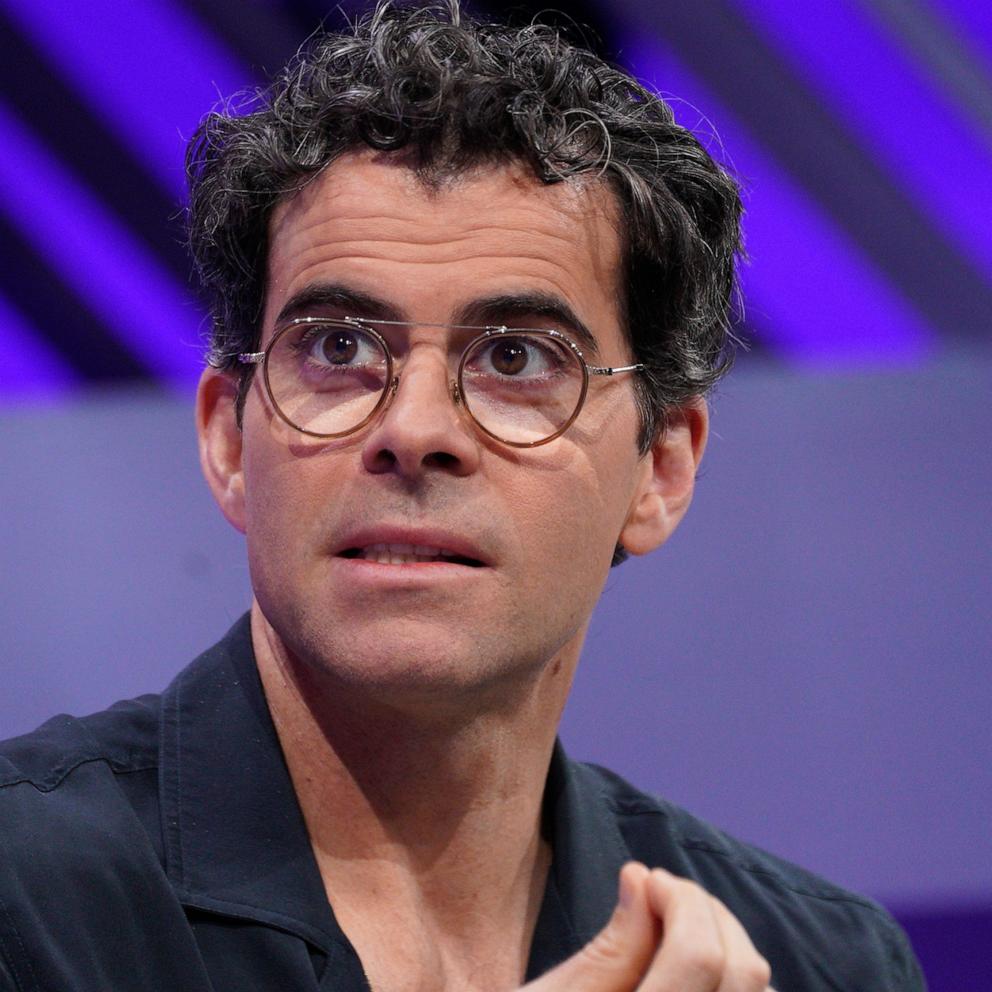
One donor, Dr. Kirk Maxey, 52, of Michigan, said he may have sired at least 400 children after donating semen twice a week between 1980 and 1994.
"But he's nothing but another donor," said Kramer. "We have donors who have found 30-50-70 kids."
Sperm donors make about $1,200 month, donating three times a week for many years. "But that doesn't mean there are three potential children," said Kramer. "Every sample is broken out into eight to 25 vials for 75 potential children every week he donates."