'The streets are emptier than ever': Iranians describe life as US escalates war
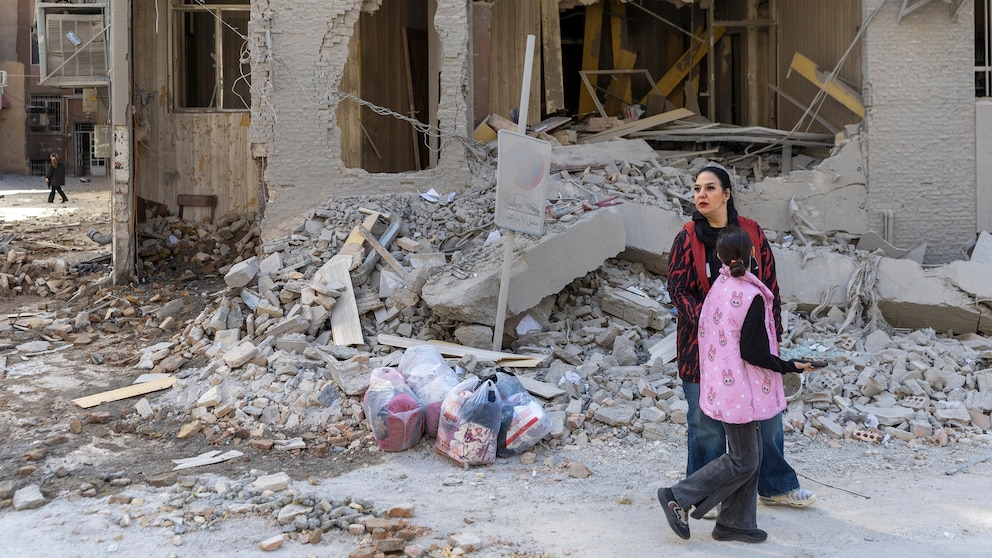
LONDON -- As the United States and Israel intensify their aerial assault and continue to urge Iranians to overthrow the government, Iranians inside the country have expressed mixed feelings, describing growing fear of the strikes and worries that the war will escalate further following the appointment of the late Ayatollah Ali Khamenei's son as the new supreme leader.
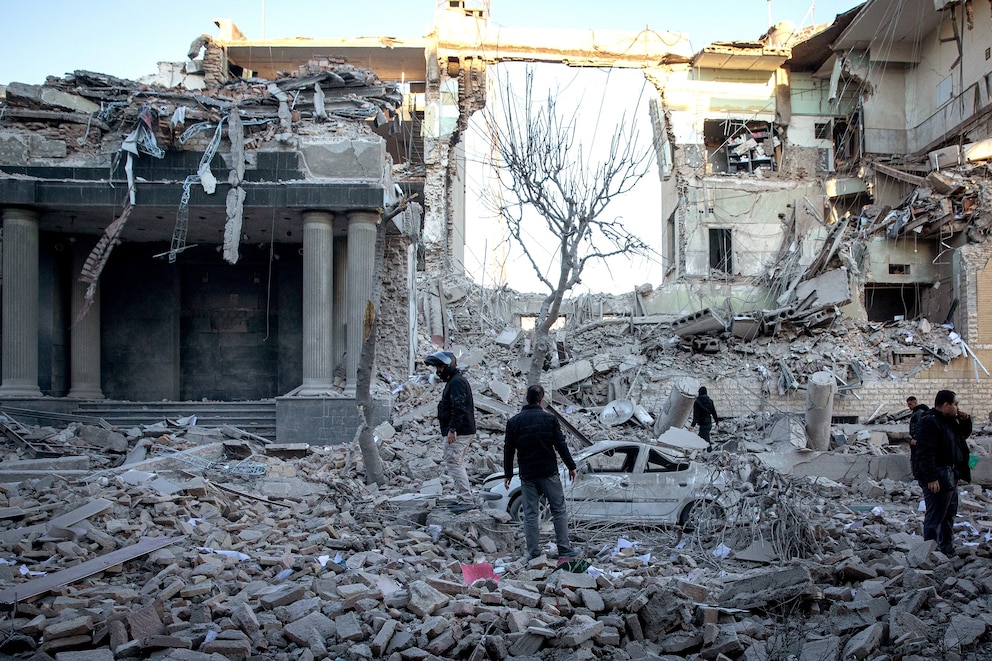
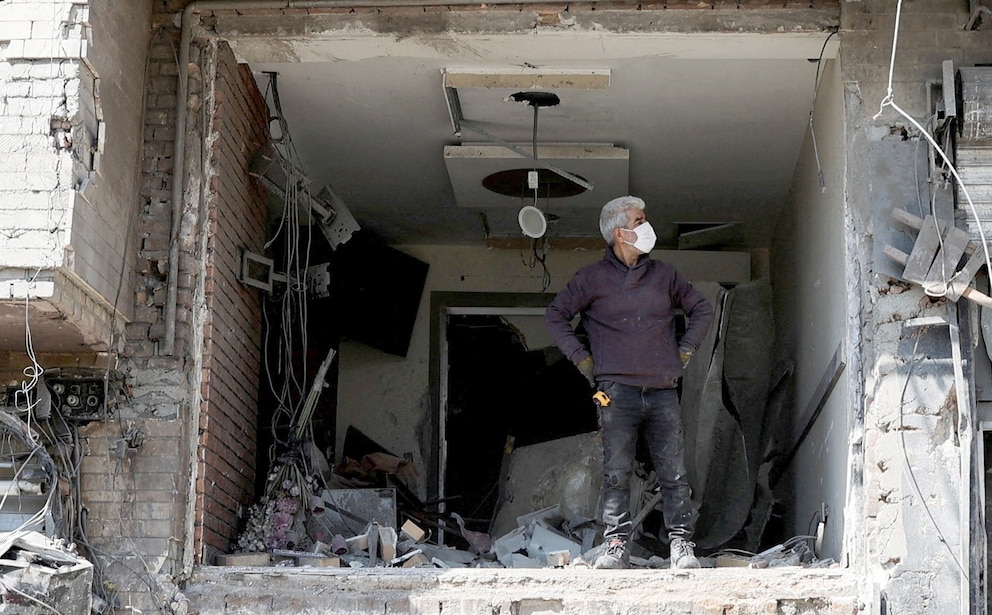
Israel attacked oil depots on Sunday, igniting huge fires that smothered Tehran in thick, choking smoke, amid what residents have said is the heaviest bombing of the war so far.
Residents in the capital told ABC News the streets were quiet on Monday, with many people having left or else sheltering indoors fearful of airstrikes. The toxic smoke from the oil depot fire had dissipated somewhat because of rain, they said, but still lingered. There were many checkpoints set up by government forces and a heavy security presence around the city.
ABC News is not identifying the people by their real names over concerns they could face retaliation.
“The city is almost emptied out. Shops are open hoping against hope for customers. But many have left Tehran,” a man, who ABC News is calling Amir, said Monday. “It's mostly silence unless there's an attack.”
An internet blackout imposed by the regime makes it difficult to communicate with people inside Iran, but some people are succeeding, connecting for a few hours by Starlink and VPNs.
Golshan Fathi wrote on social media that bakeries are packed and that the city was still feeling the effects of the huge oil depot fire.
“The air is heavy,” she wrote. “Tehran smells of smoke, of metal and fuel and a city trapped under a giant glass dome. The streets are emptier than ever, but the city isn’t calm. In cities gripped by fear, calm is just a façade.”
Iranians were also digesting the announcement of Mojtaba Khamenei as the successor to his late father, Ayatollah Ali Khamenei, who was killed in the opening day of the strikes by Israel and the U.S. A group of senior Iranian officials and clerics, called the Council of Experts, said it had voted to select Mojtaba, who is seen as a hard-line figure. He is likely to continue his father’s unyielding approach.
The residents who spoke to ABC News are among the educated, middle class. They have been critical of the government and expressed shock at Mojtaba’s appointment, saying they feared it meant a compromise to end the war was less likely and that the regime may act more violently inside Iran.
Amir said his more liberal circle felt caught between the regime and the war unleashed by the U.S. and Israel.
“Most of us feel entrapped between an oppressive regime and warmonger nutters in Israel and the U.S. It's all very tiring for our agency, our lives,” Amir said. “The hardliners have succeeded in implanting their guy mostly because at the time of war civil society is sidelined. It's frustrating.”
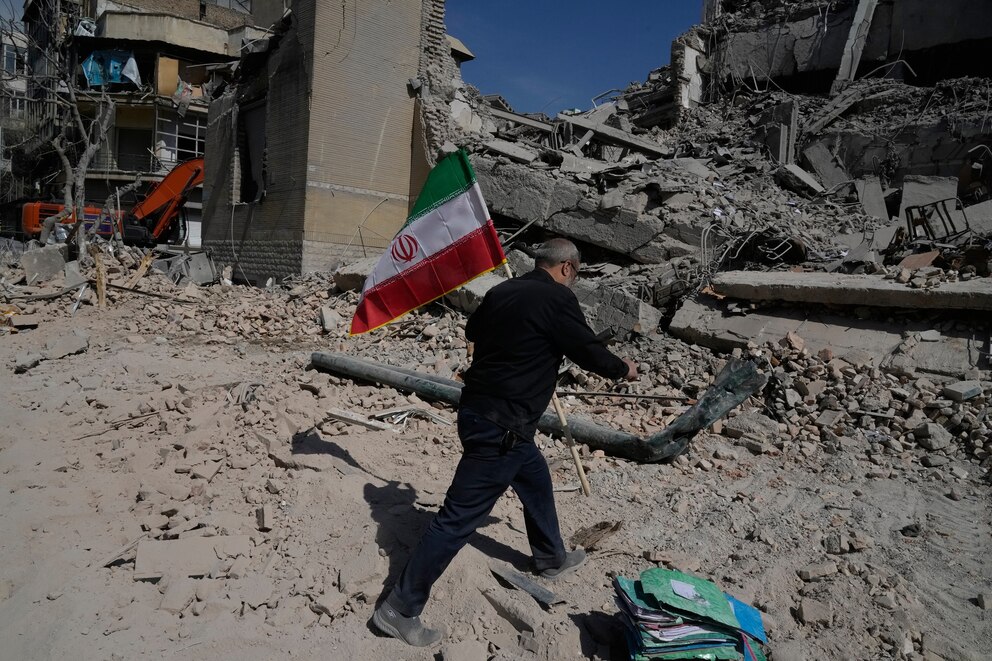
Thousands of Iranians on Monday gathered for rallies in different cities to celebrate the new supreme leader’s appointment. Most observers say the regime retains a hardcore base of conservative, religious supporters, despite the large-scale protests that shook the country in January. Those protests were crushed in a crackdown by security forces that killed thousands, according to rights groups.
Signs and posters cheering Mojtaba’s appointment have gone up around Tehran, according to Fathi. "The military presence is much more visible than in previous days; plainclothes agents, Basij [paramilitary] forces, and anti-riot units are stationed at key points," she wrote.
More than a thousand people have been killed in Iran since the U.S. and Israel began bombing on Feb. 28, according to Iranian officials. Over 160 schoolgirls were killed in a missile strike that hit a school in the southern city of Minab, according to local authorities. Multiple media investigations, including by The New York Times and Reuters, have suggested the U.S. military was responsible for the strike, although President Donald Trump has sought to blame Iran.
Other Iranians who spoke to ABC News expressed clear support for the American-Israeli war and the strikes, which have also targeted key institutions of repression, including prisons and security service headquarters.
“Everyone in Iran rejoiced over Khamenei's death, especially families whose children were killed in protests in the last two months,” one woman, who asked to use the alias B16, told ABC News. She said she was “very happy about this war and the attacks by America and Israel,” seeing it as a “hope for freedom from the evil of the Islamic Republic.”
Some Iranians said their fear now is that the war could devastate the country but still leave the regime intact and more violent toward dissent.
“I think mostly people are worried about a failed state situation, that infrastructure is gone and the regime is in place,” said Mehdi Yahyanejad, an activist based in the U.S. who has worked to set up technologies to help Iranians evade government censorship. "That would be the worst combination if it happens."