Just how strong are Irma's winds? Imagine trying to stand on a racecar speeding around a track
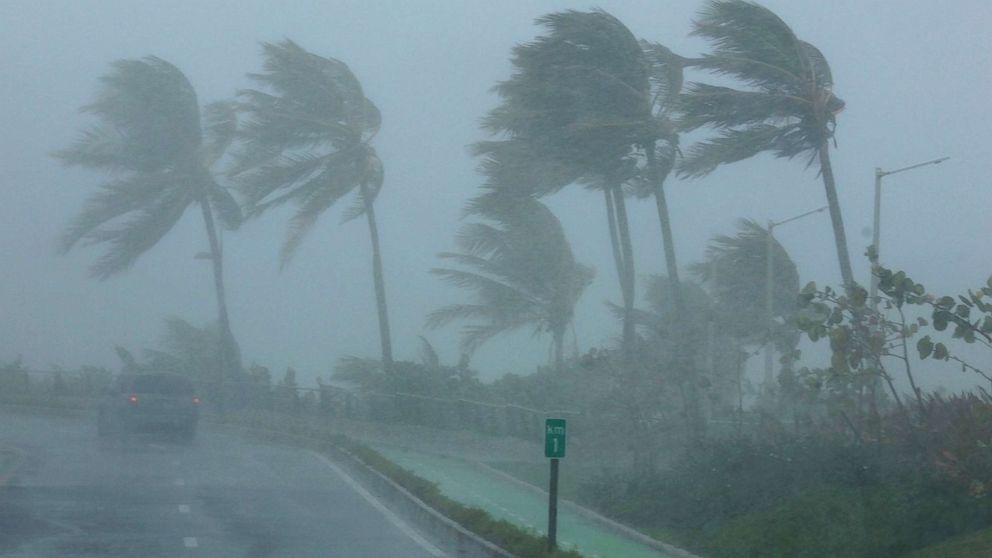
— -- Imagine trying to stand upright on the roof of a car going 74 mph down a highway.
That's how it would feel just trying to stay standing amid Category 1 hurricane-force winds, the lowest rank on the Saffir-Simpson Hurricane Wind Scale. Simply put, it would be impossible without any support, experts say.
"People start to have trouble walking at wind speeds in the 30 mph range. That's nowhere close to a Saffir-Simpson Category 1, which is 74 mph," said Dr. Anne Cope, senior vice president of research at the Insurance Institute for Business and Home Safety in Richburg, South Carolina.
Hurricane Irma, which is barreling toward Florida, is currently a Category 5 with sustained winds of 185 mph and even higher gusts, according to the National Hurricane Center.
"For Irma, we're talking Nascar," Cope told ABC News. "It's ridiculously strong."
The latest forecast path takes Irma through the Bahamas Friday into Saturday morning, and the storm is expected to curve north toward Florida by late Saturday afternoon.
Whether Irma makes landfall on the continental United States as a Category 5 or a Category 1 hurricane, experts say the wind speeds will be perilous for people, their belongings and their property.
"All of them are dangerous and need to be paid attention to," Cope said. "You're talking about the hurricane as if you've got whatever it is you're talking about -- your house, your pool enclosure, your patio furniture -- on the back of a truck not strapped down speeding along a highway."
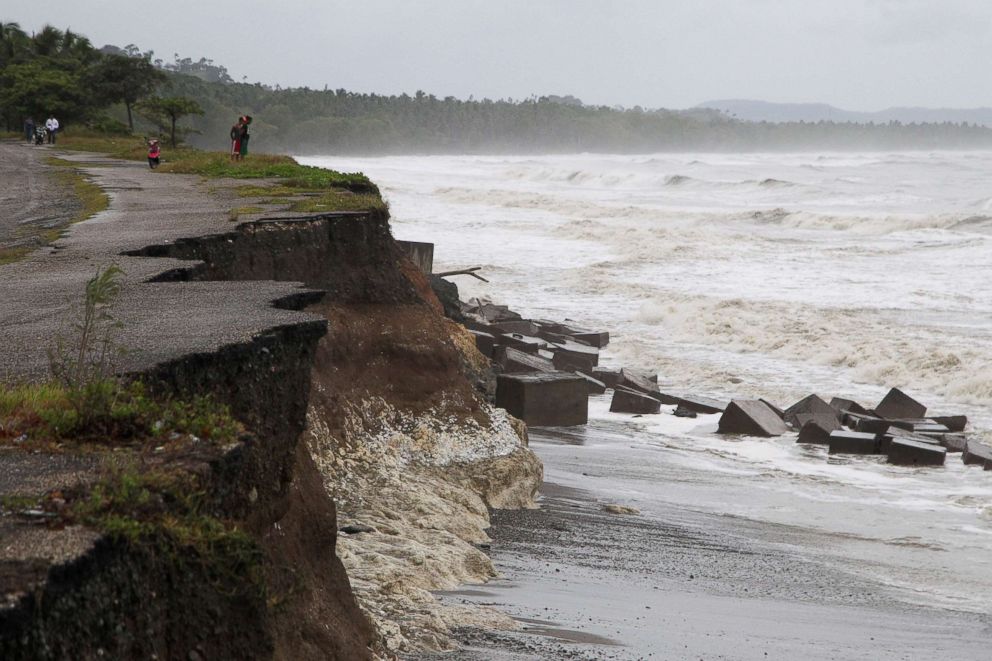
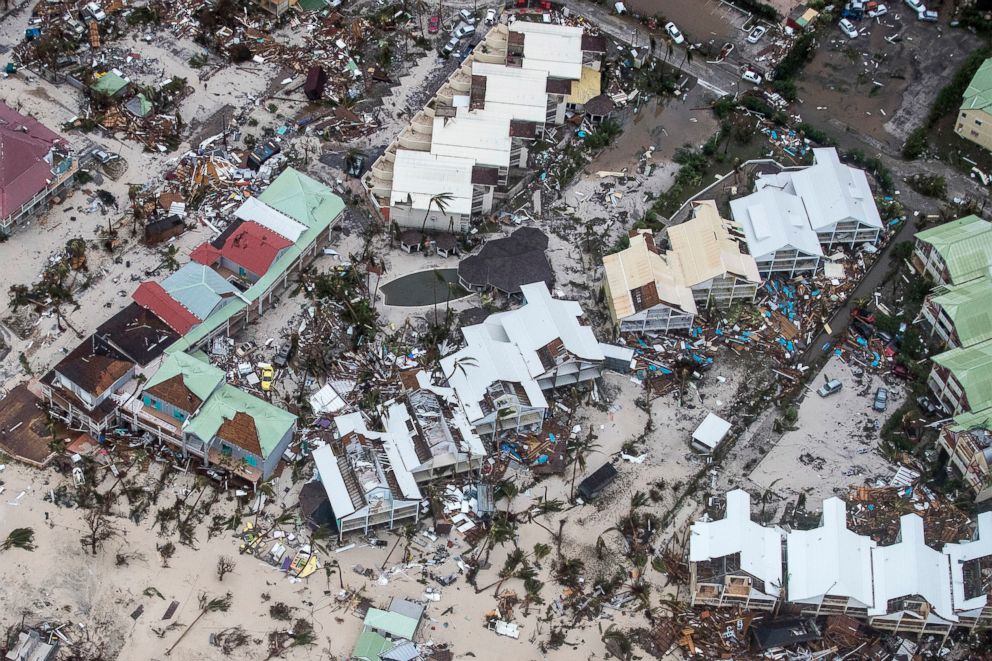
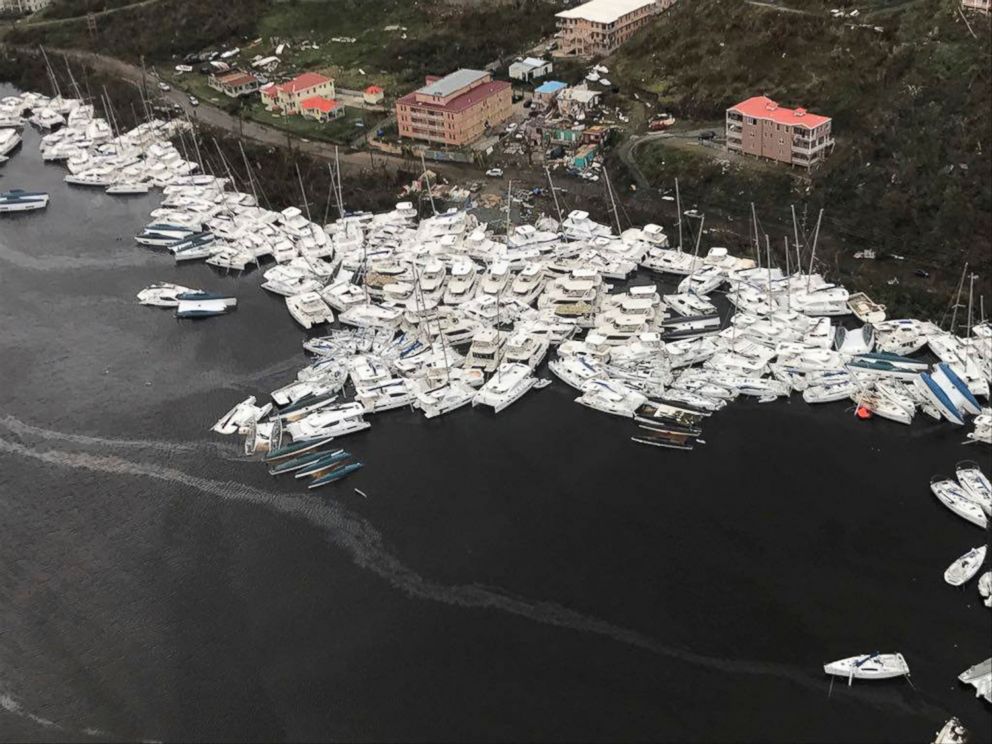
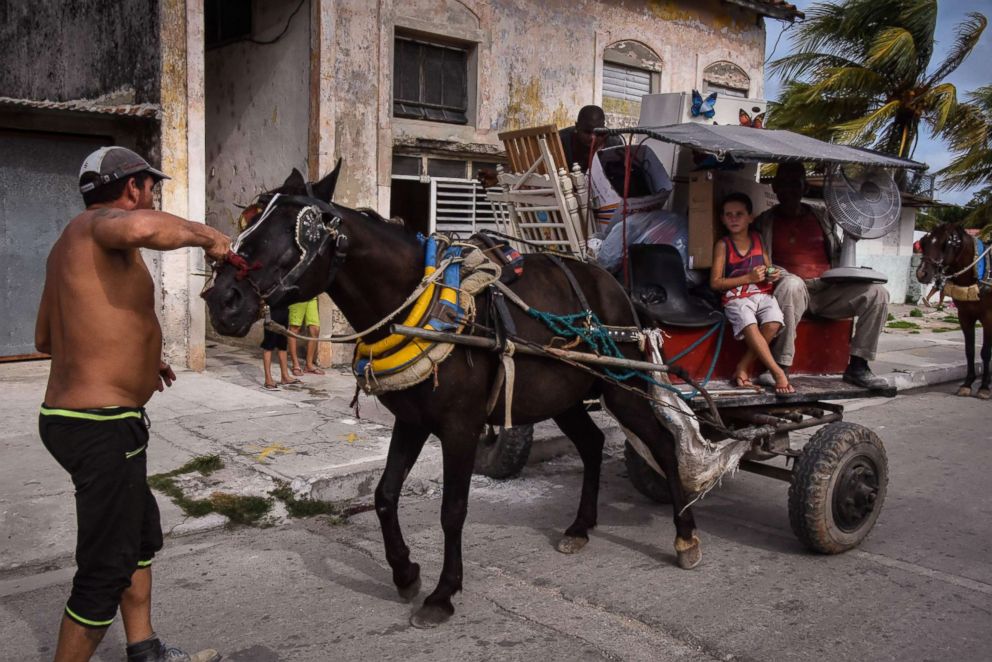
Irma leaves path of destruction
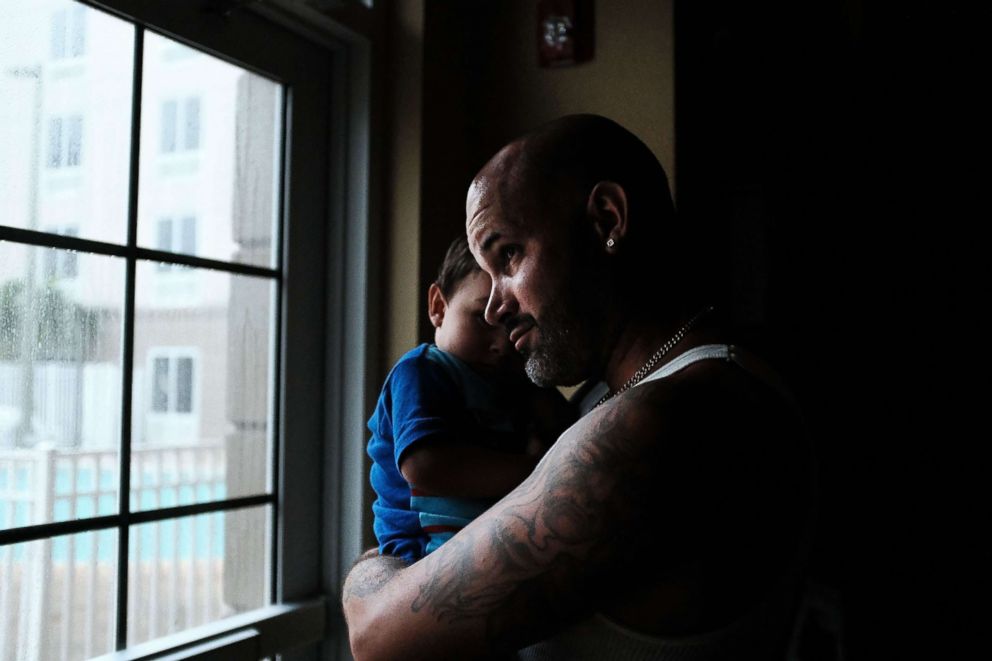
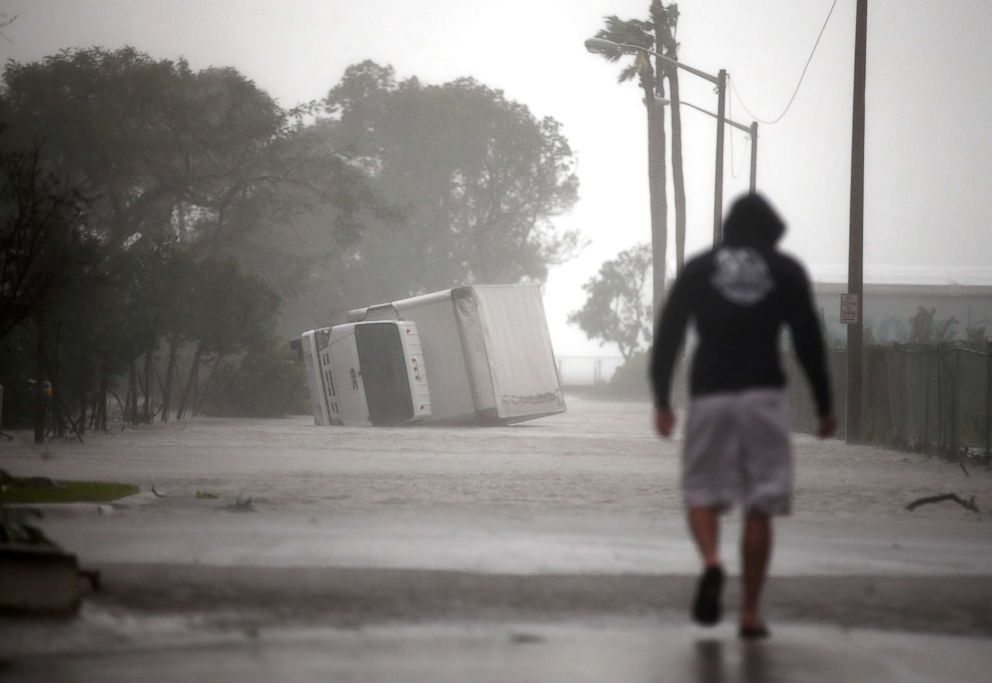
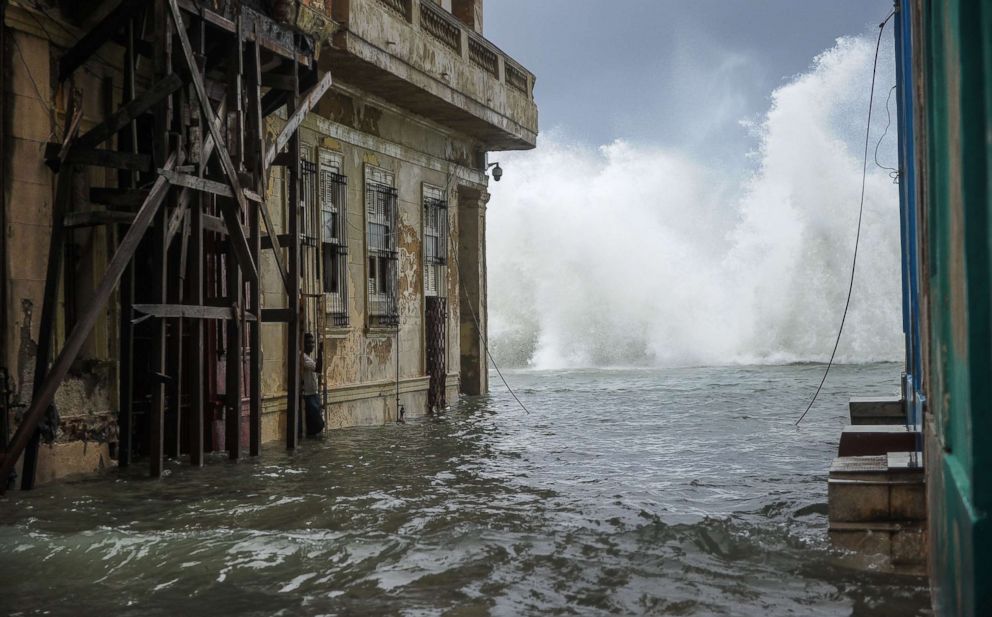
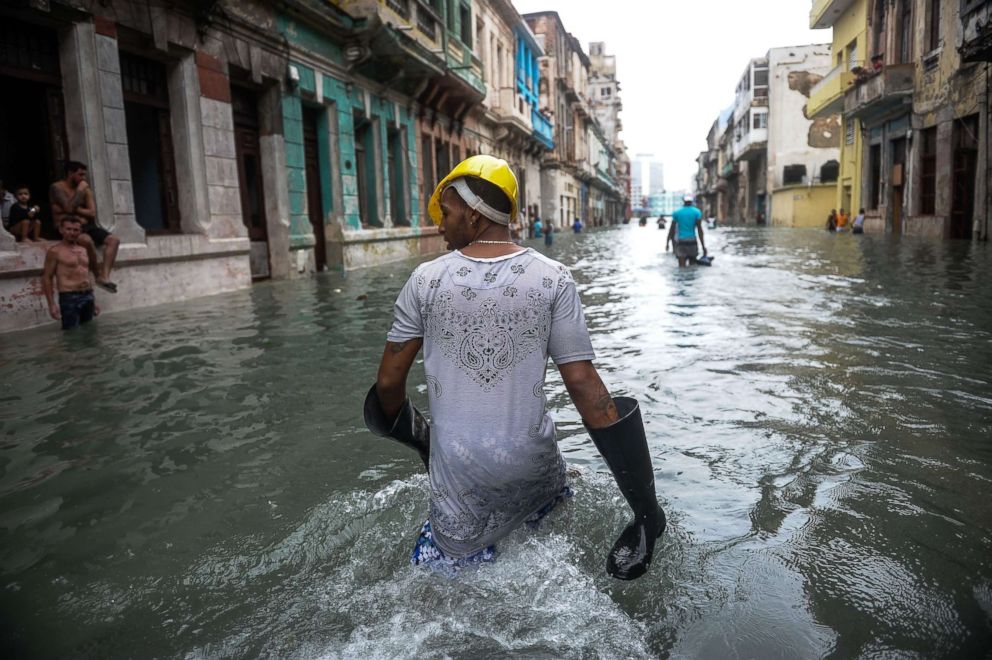
Slideshow of images of Hurricane Irma in the Caribbean, Florida and Atlantic Coast of the U.S.
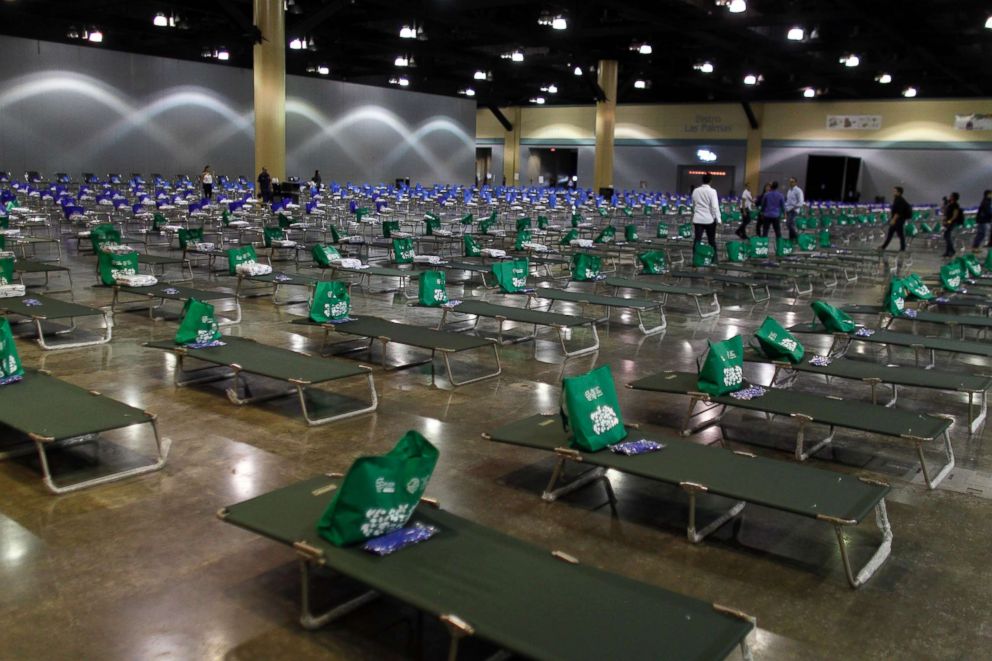
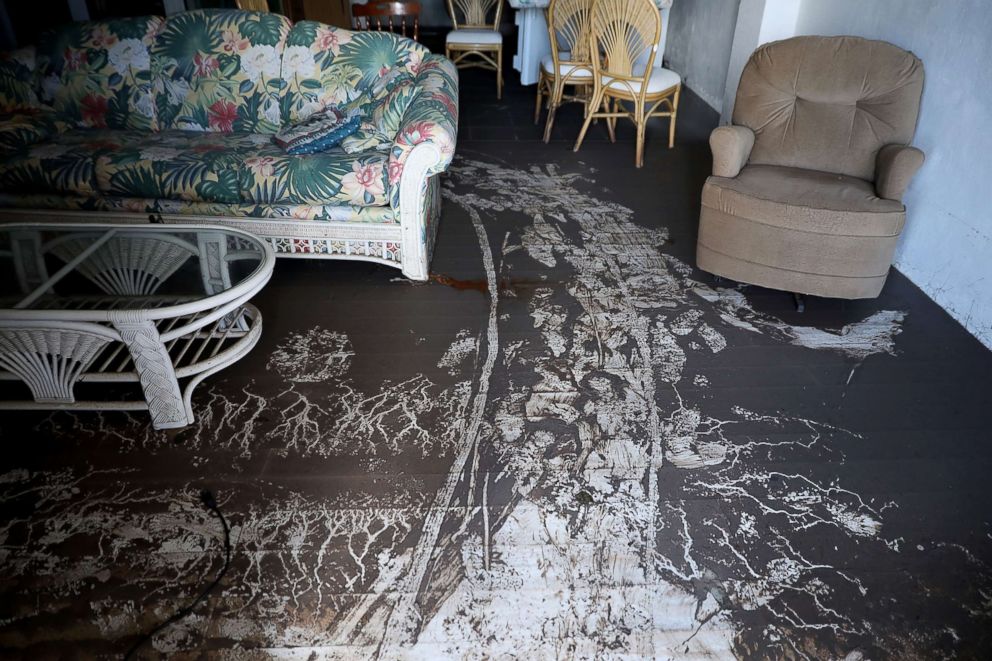
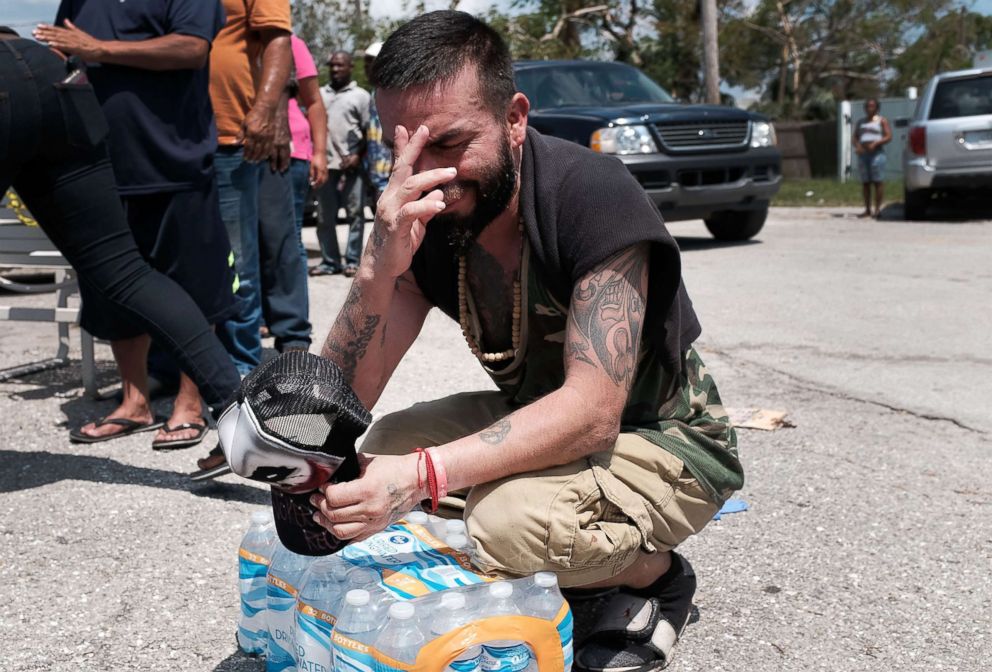
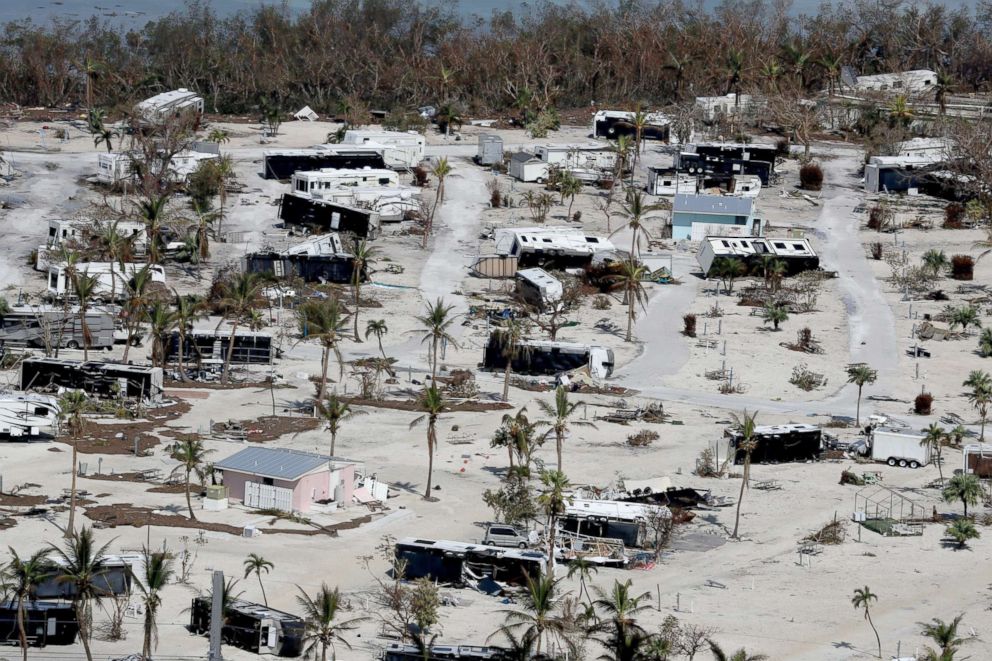
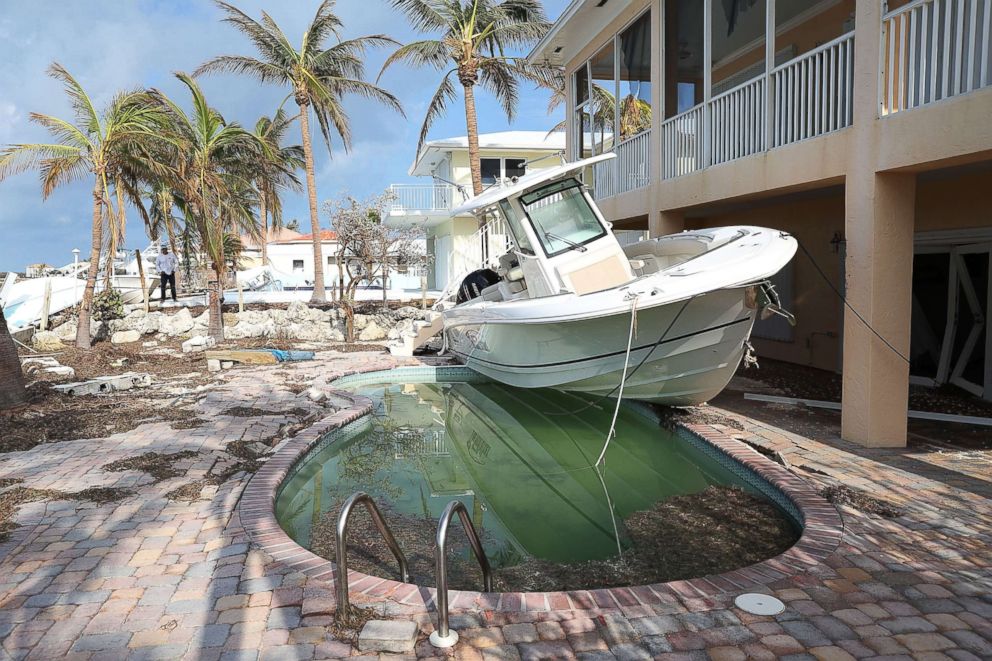
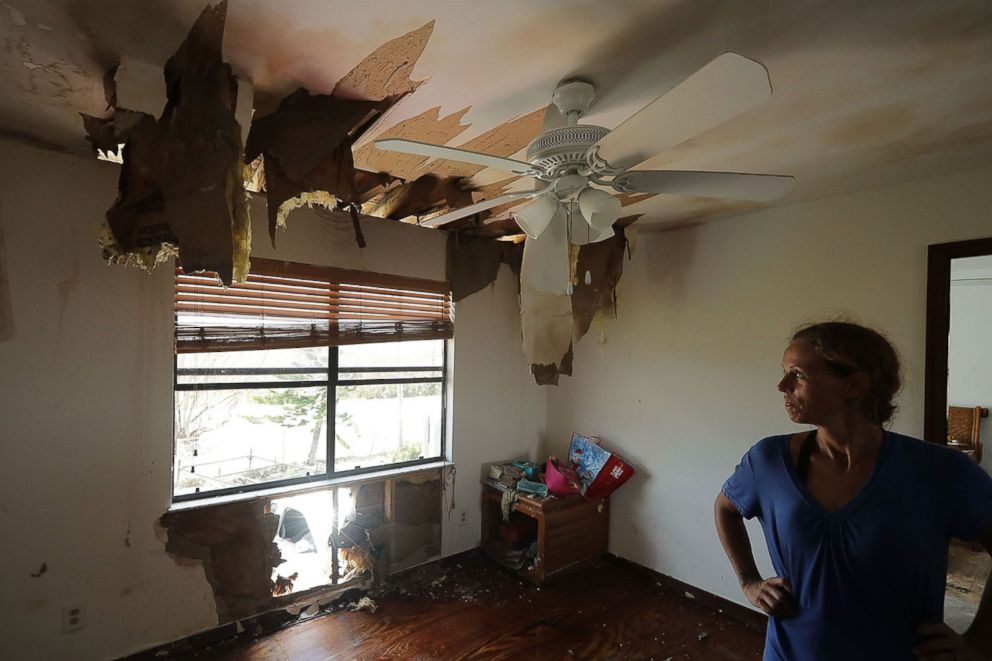
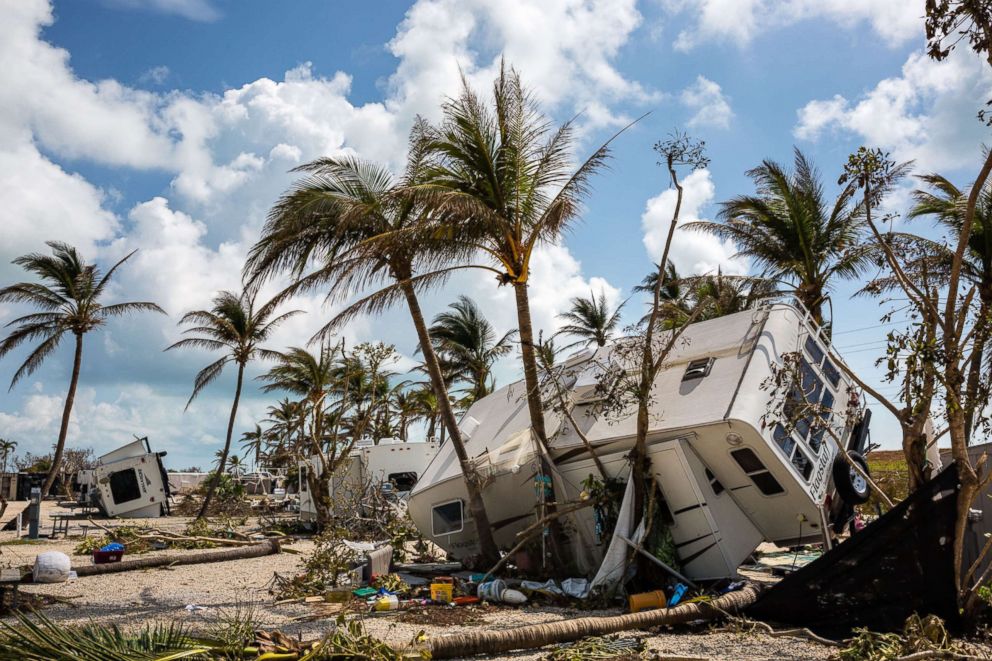
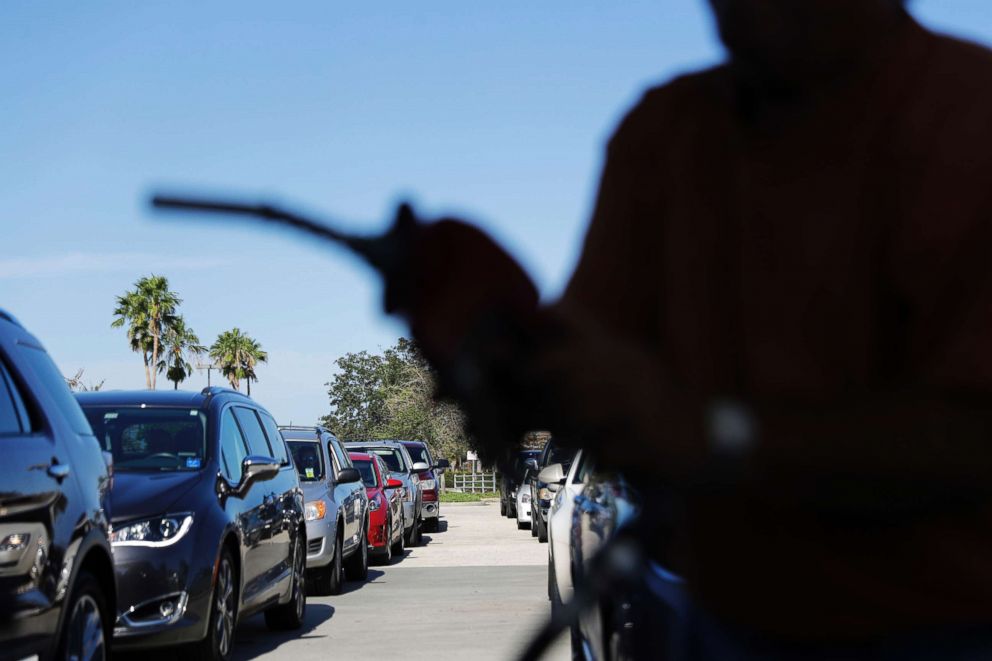

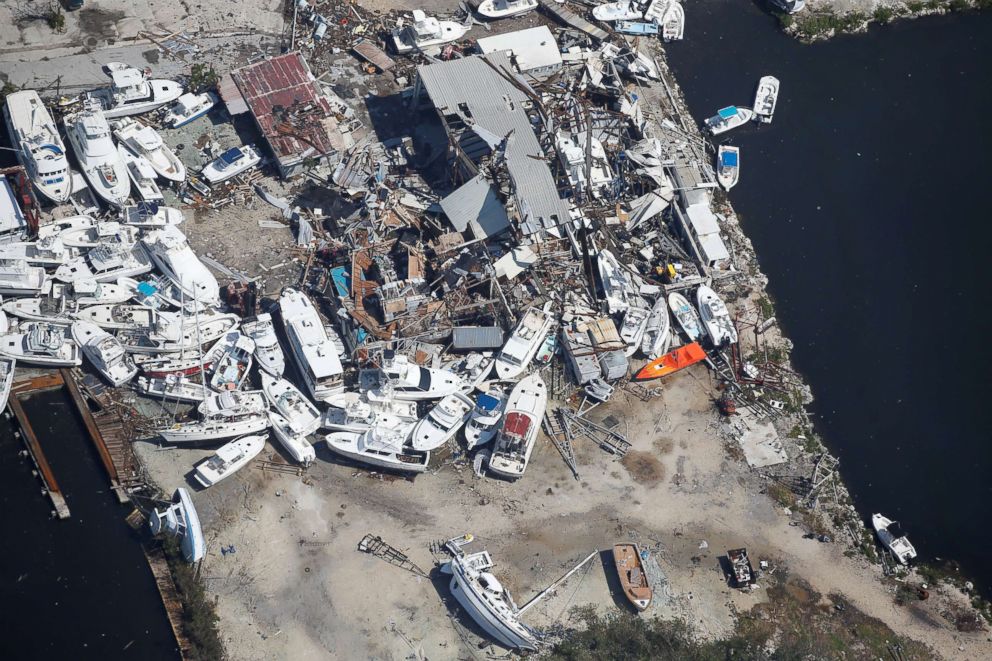
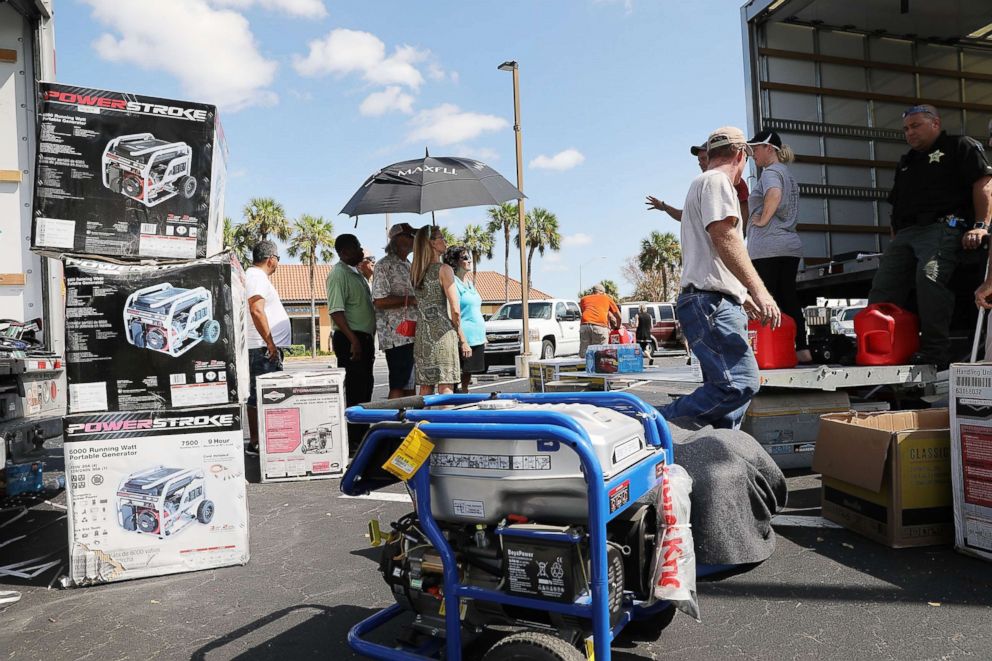
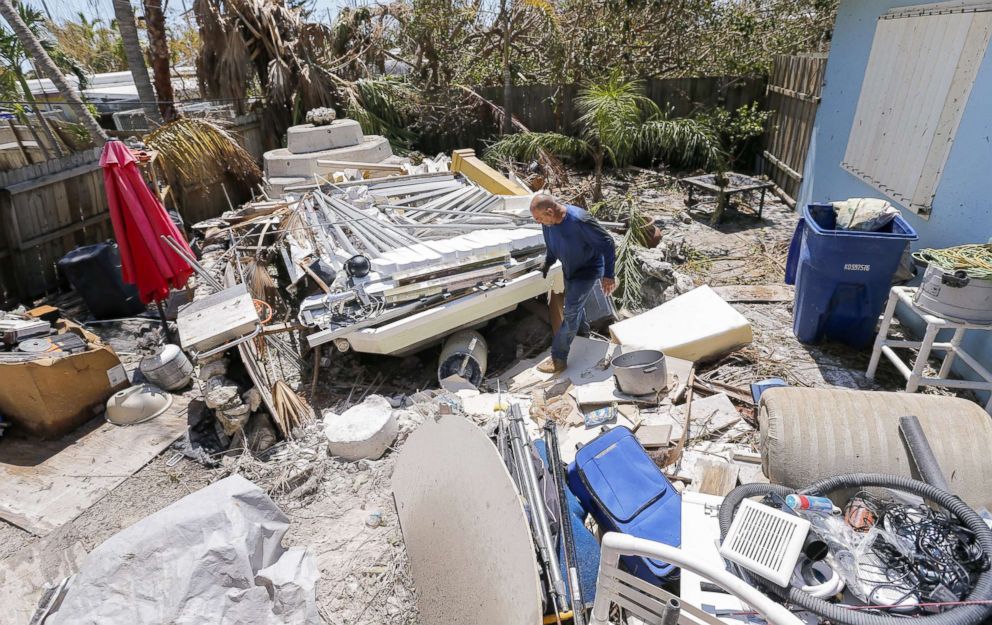
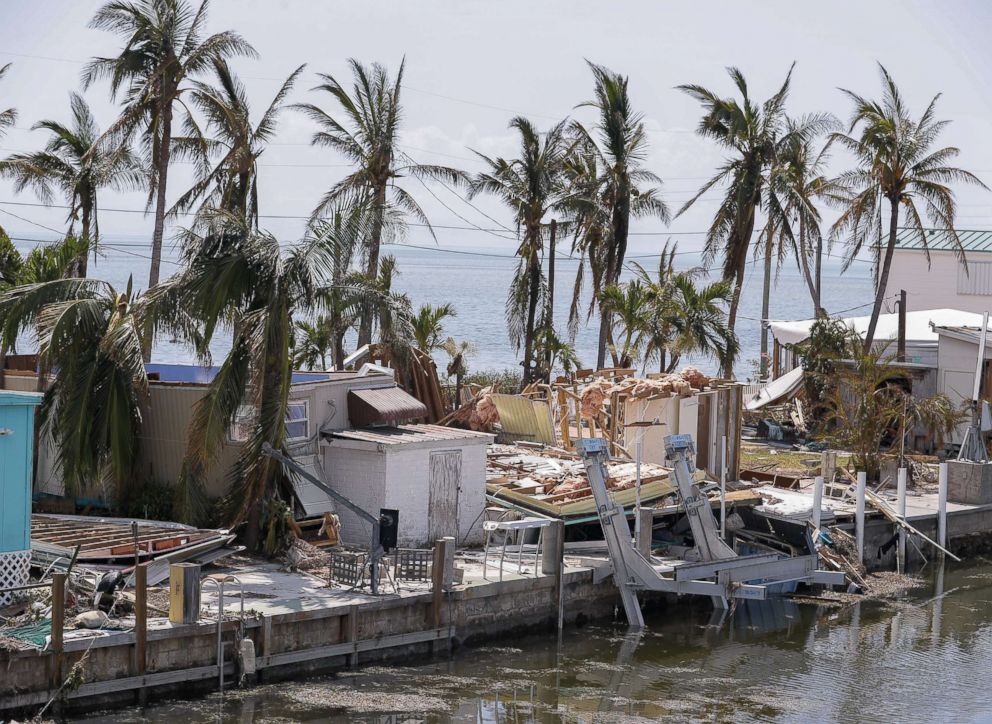
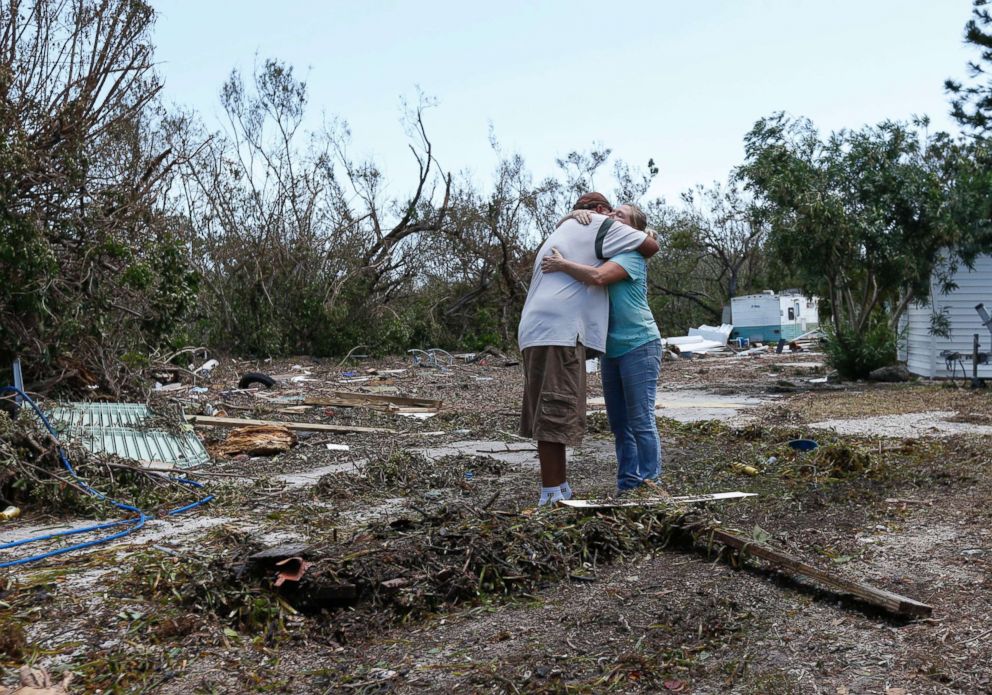
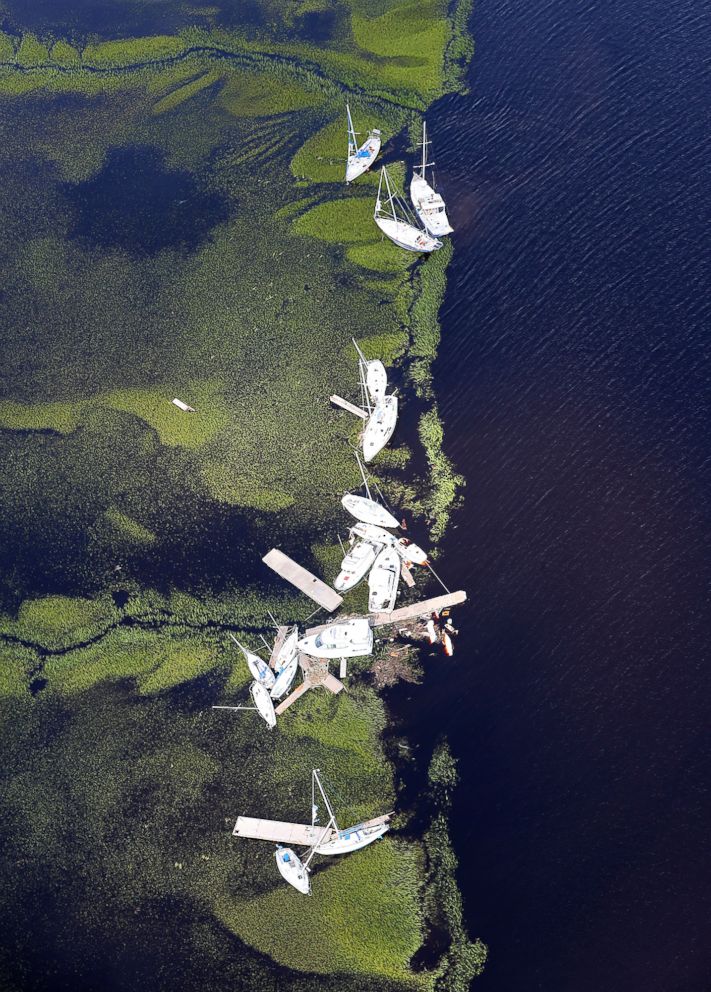
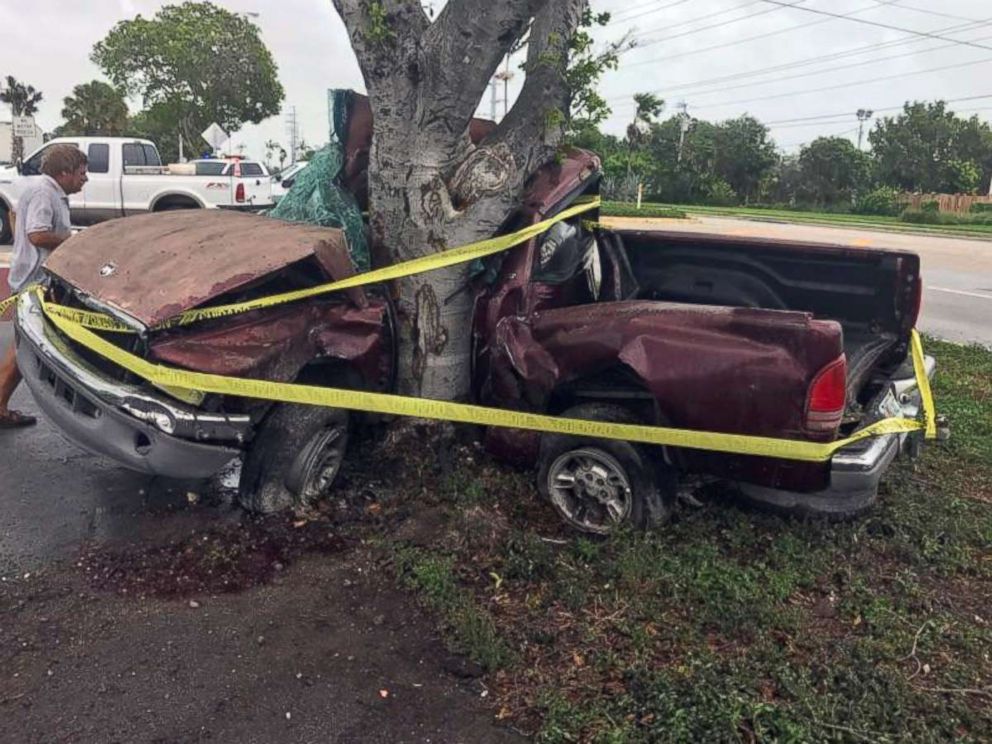
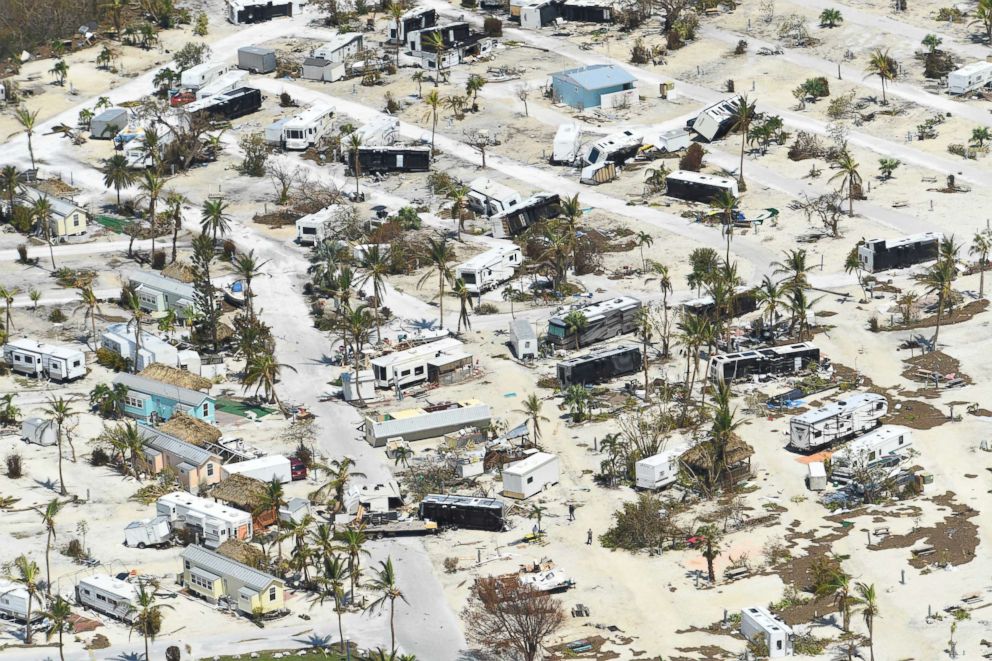
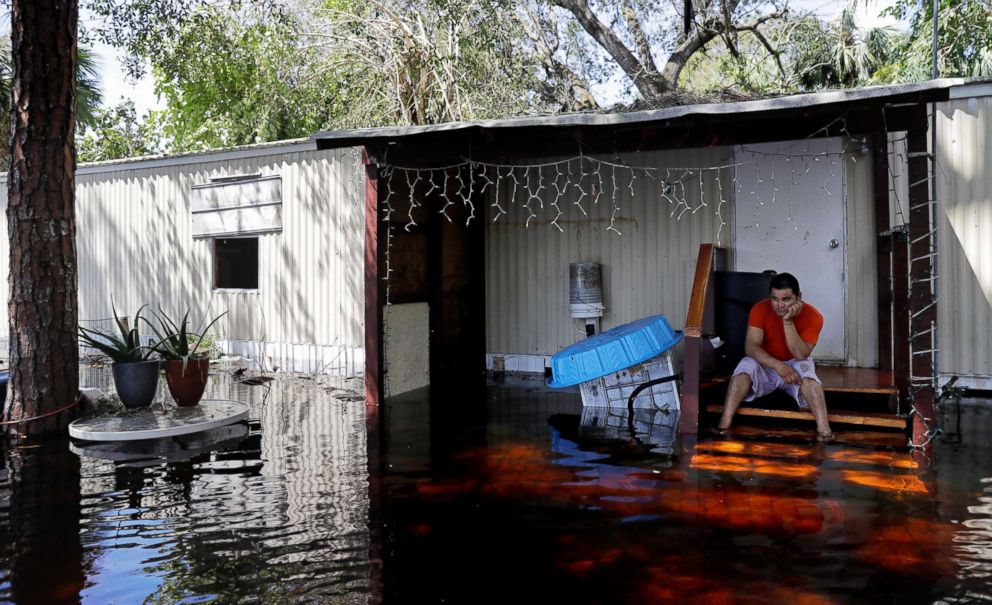
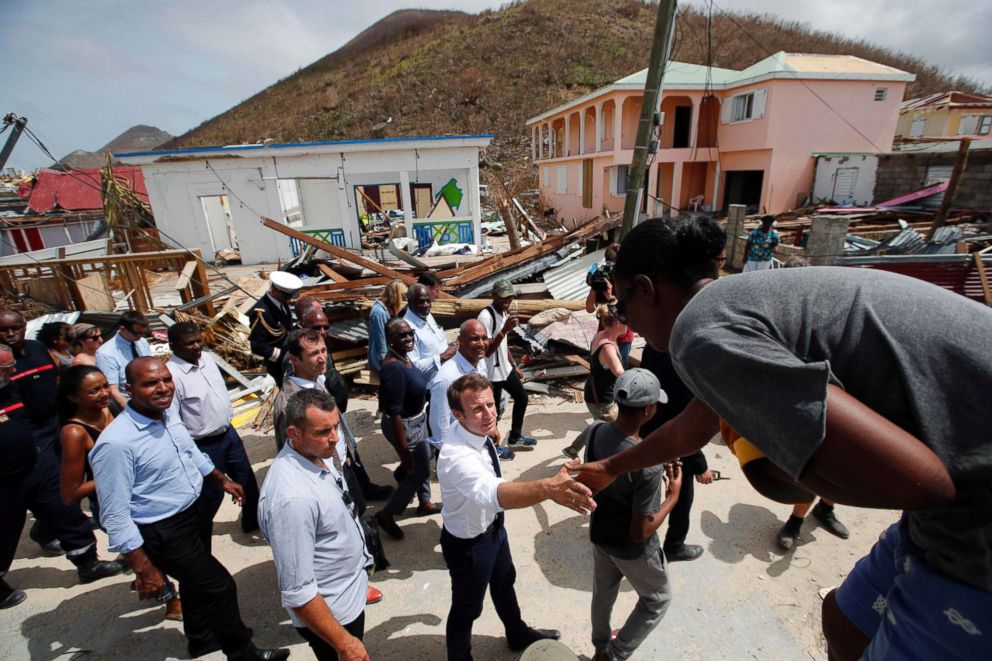
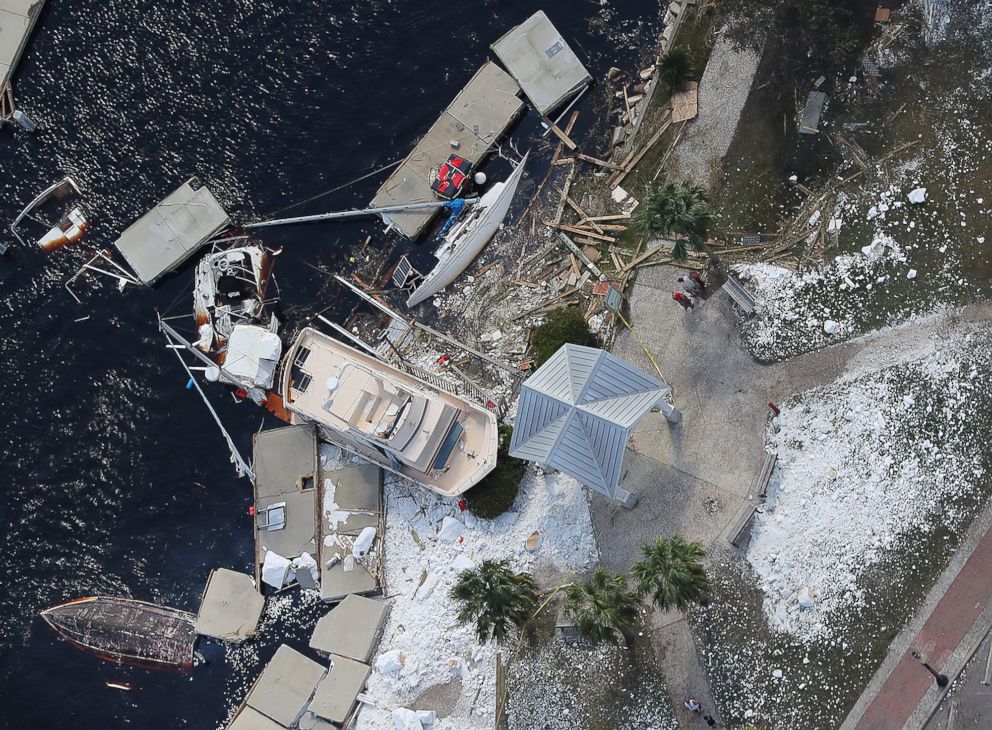
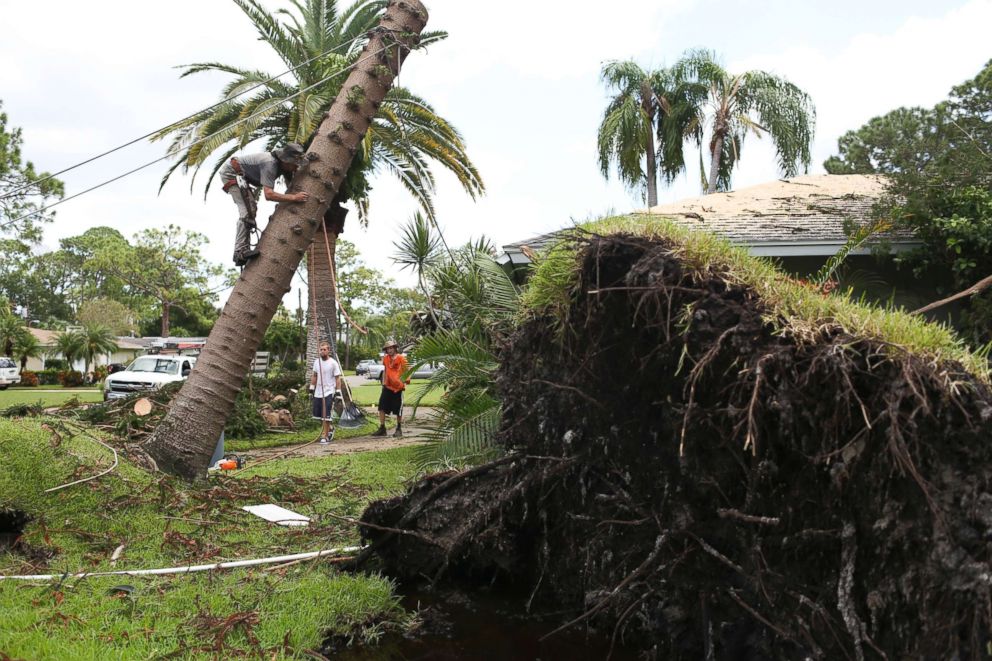
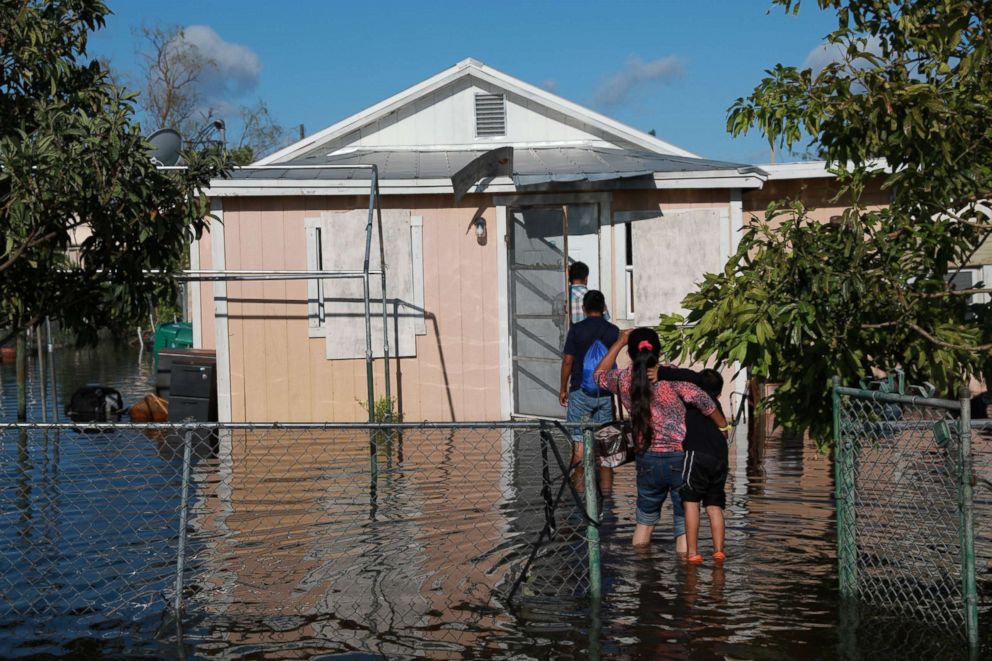
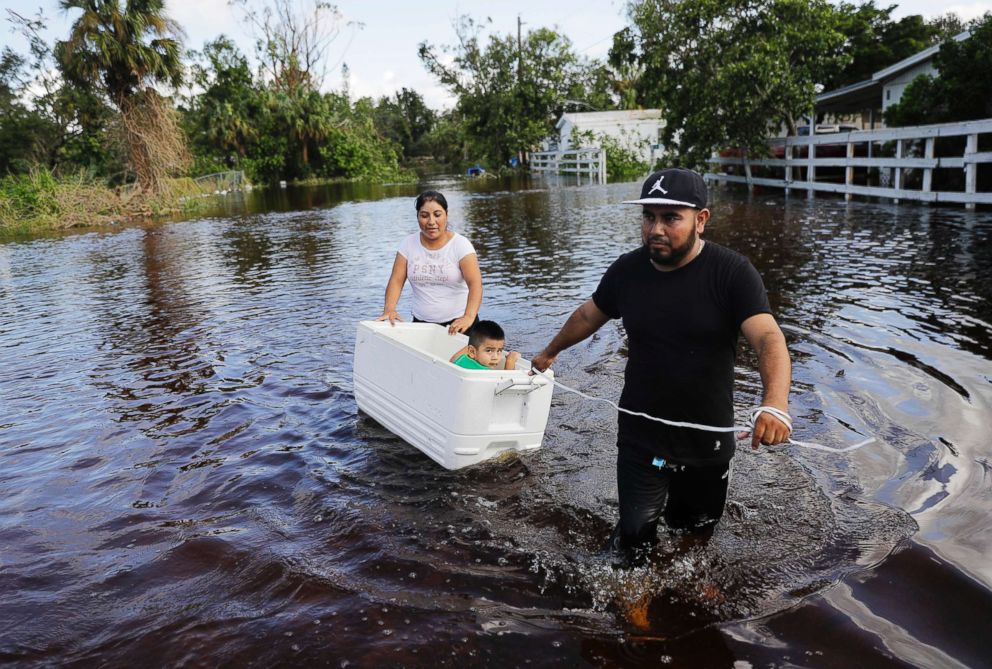
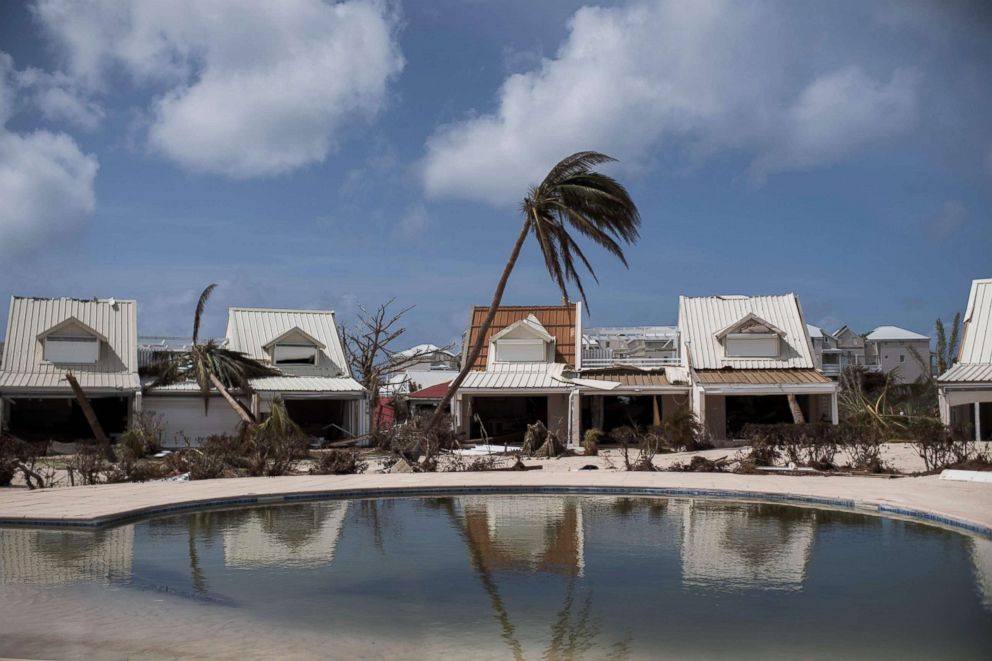
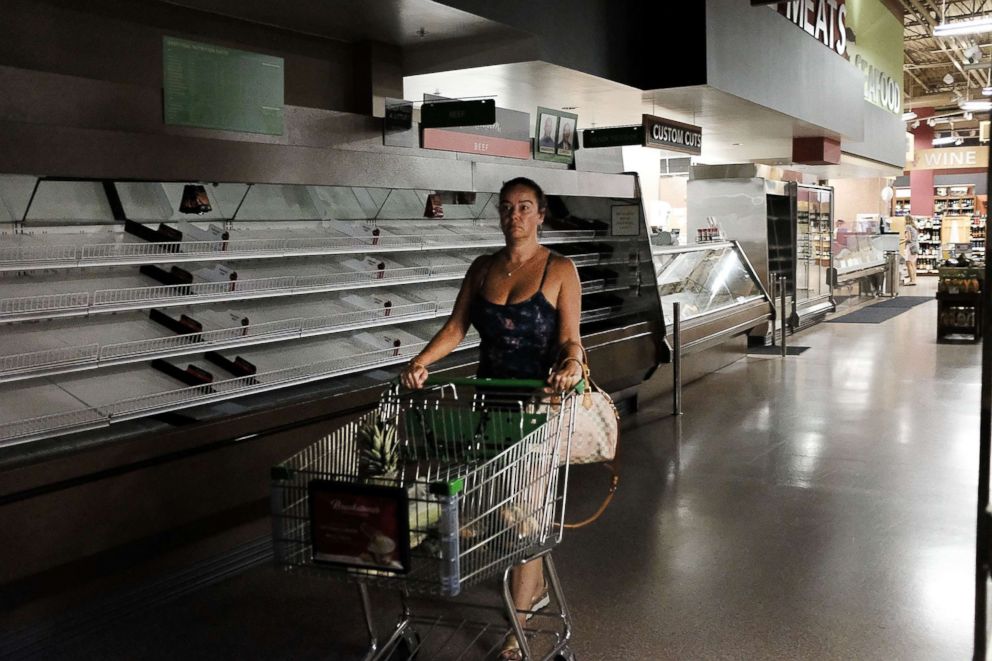
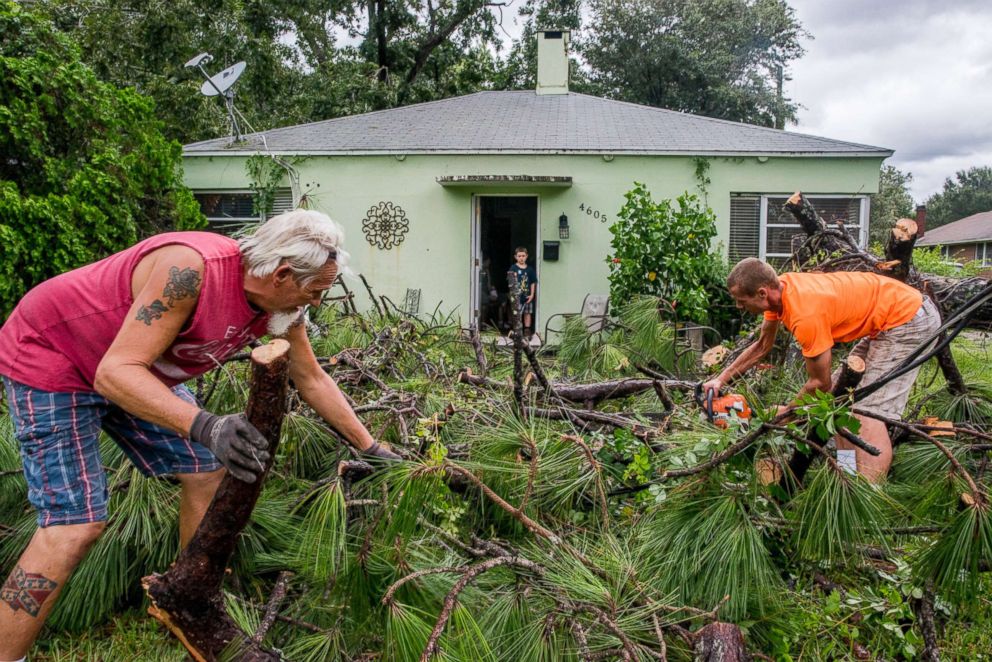
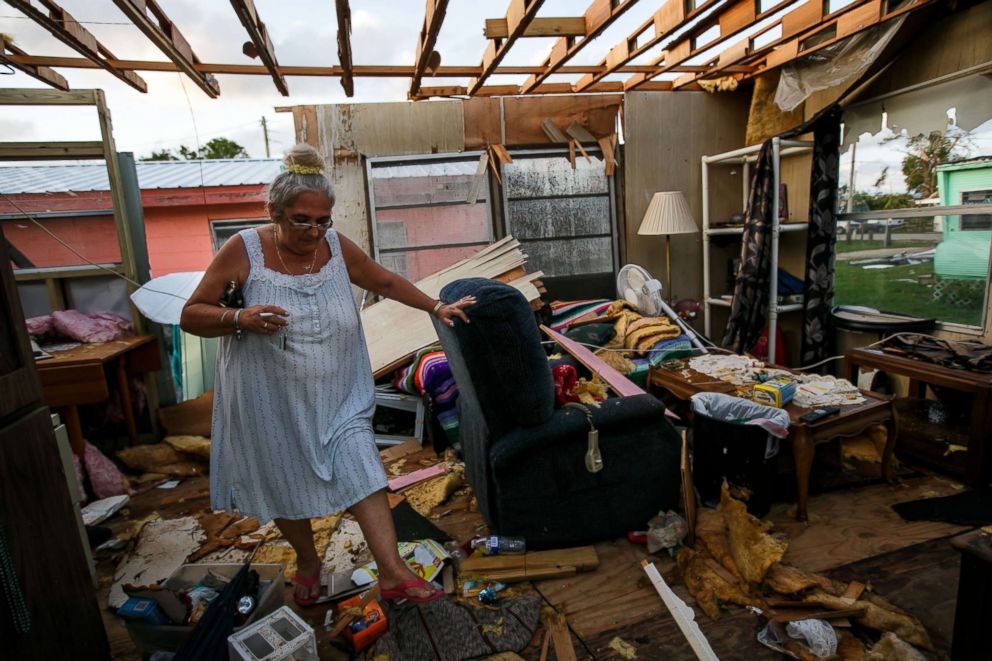
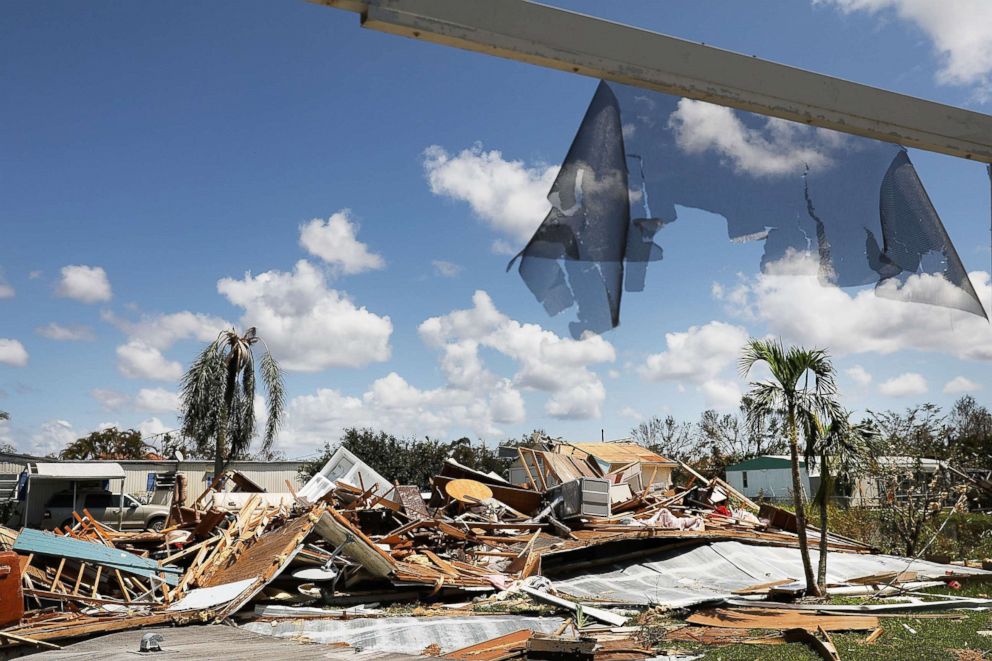
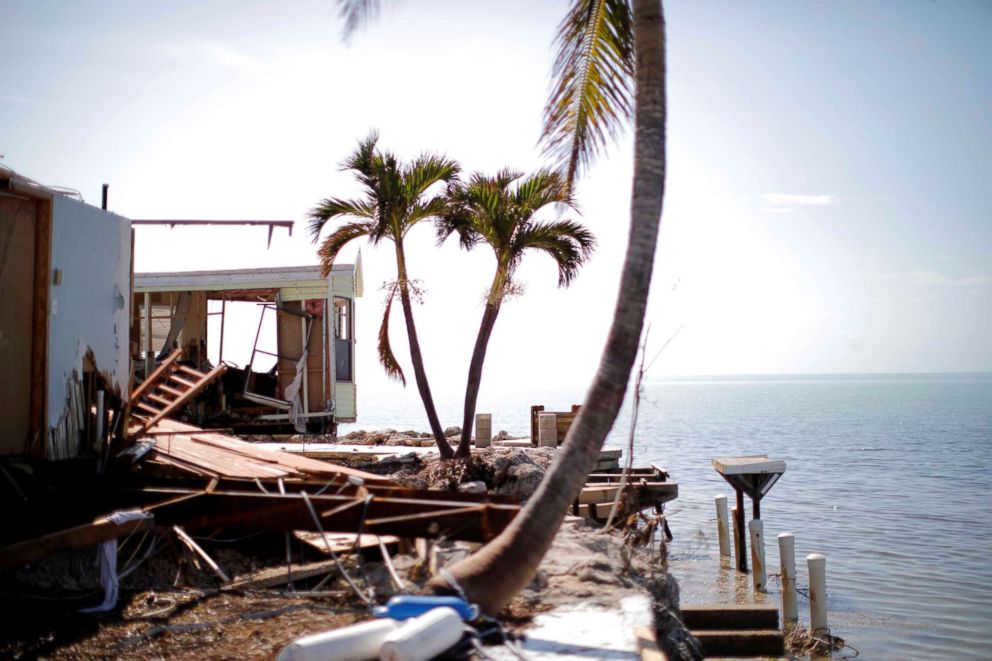
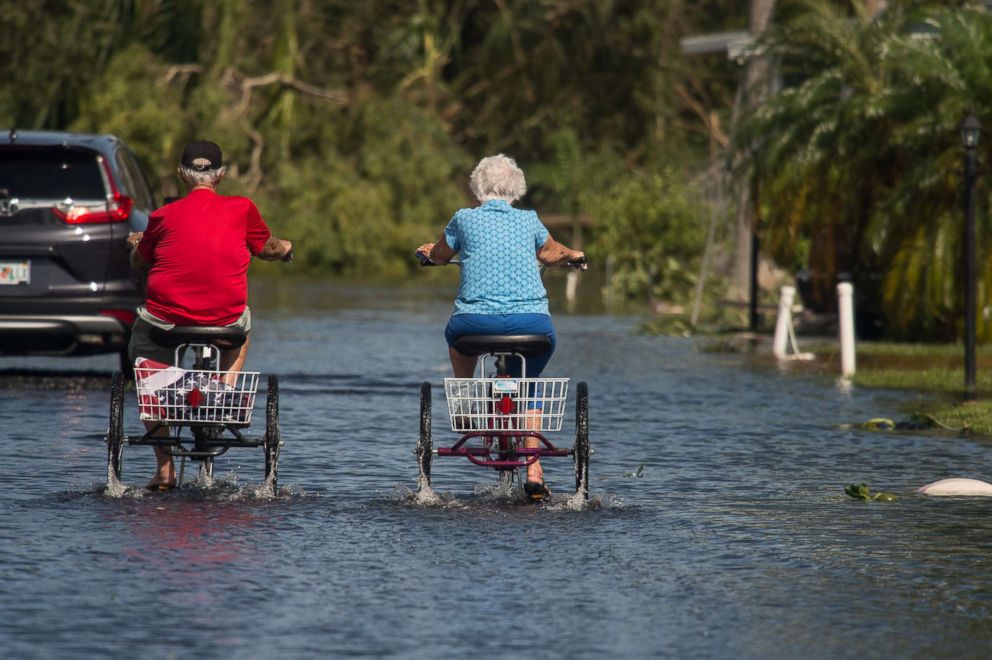
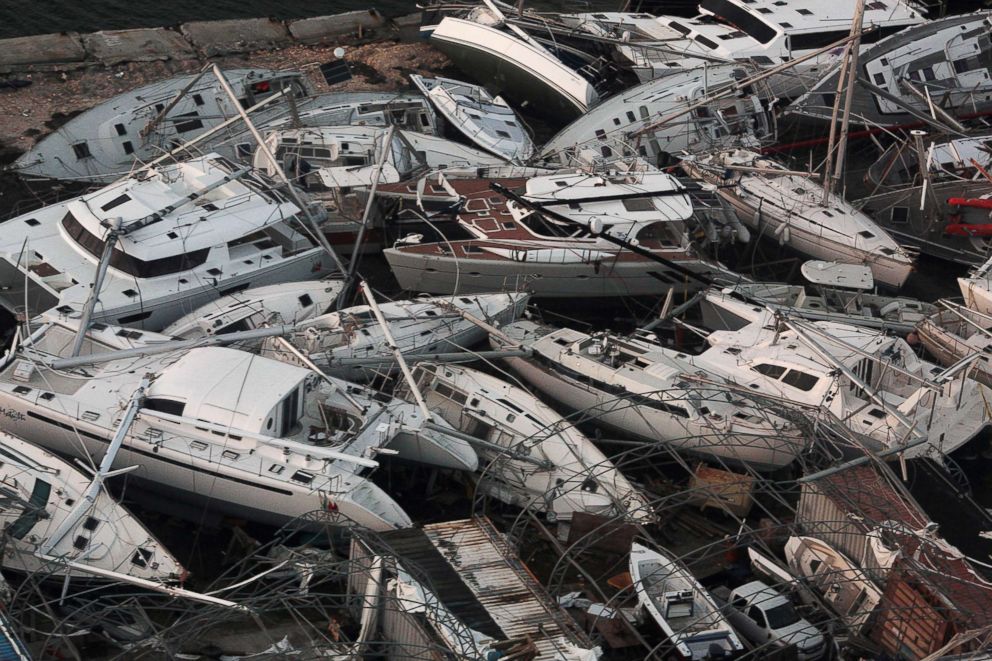
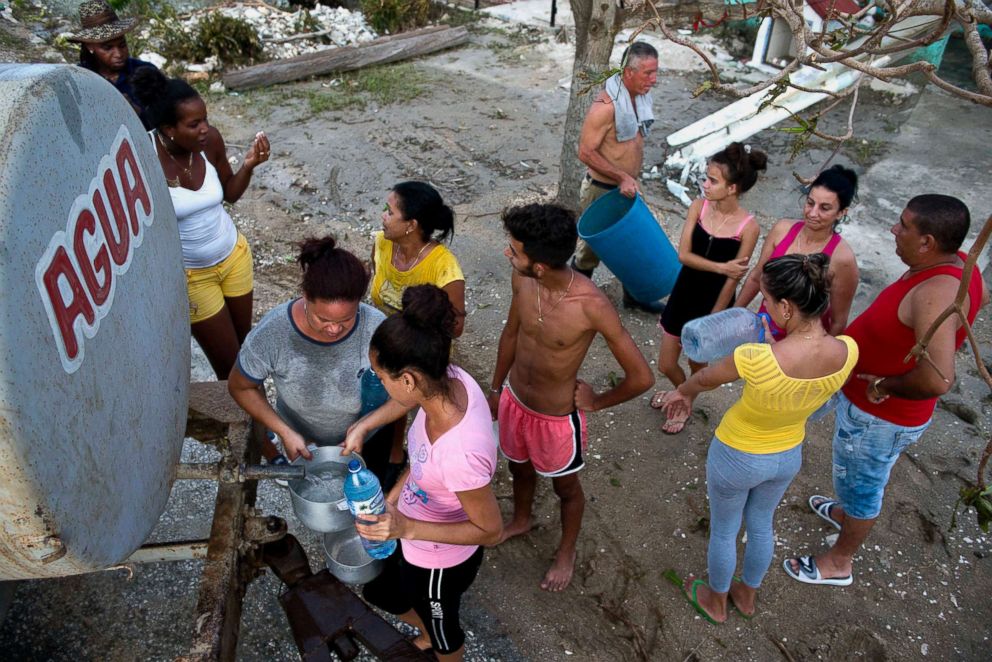
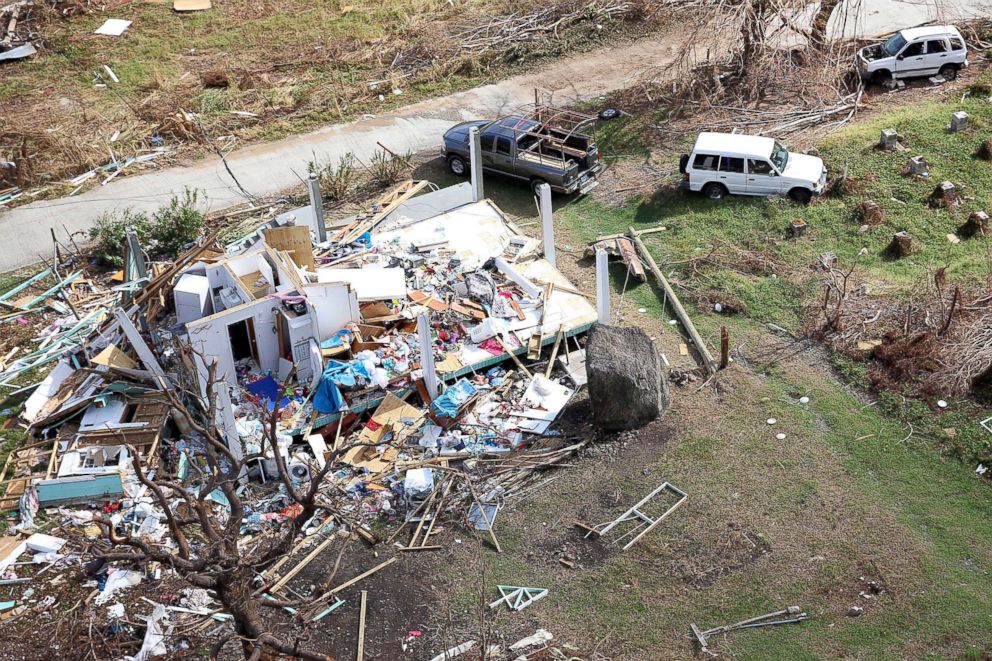
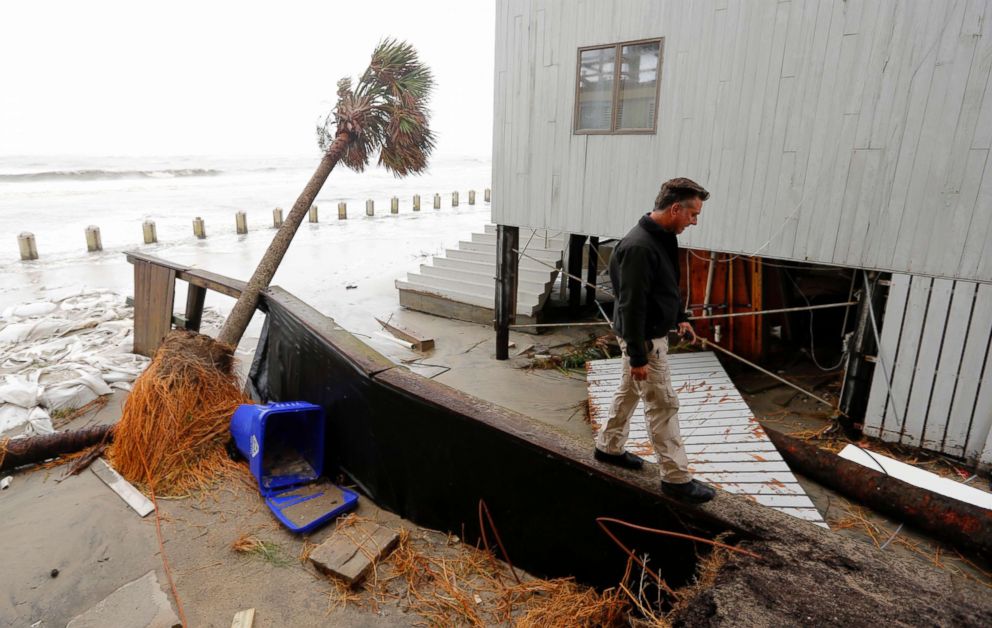
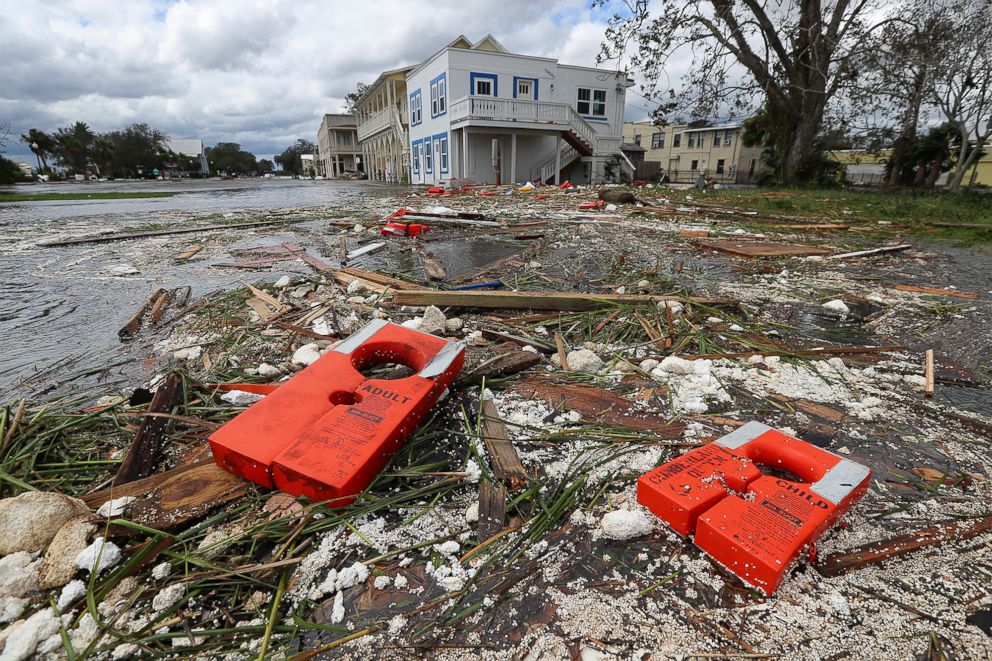
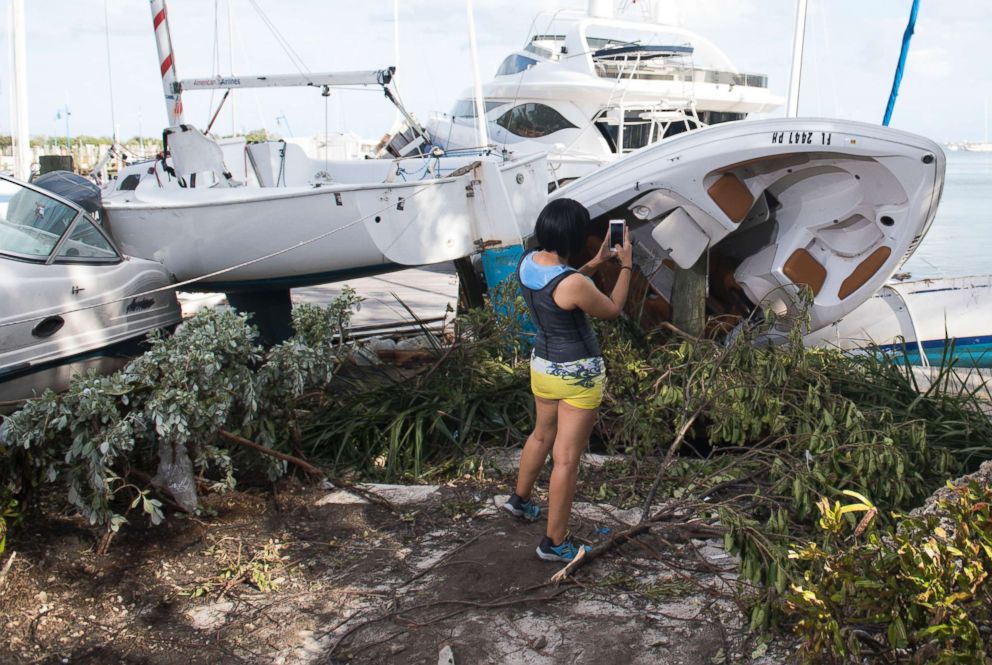


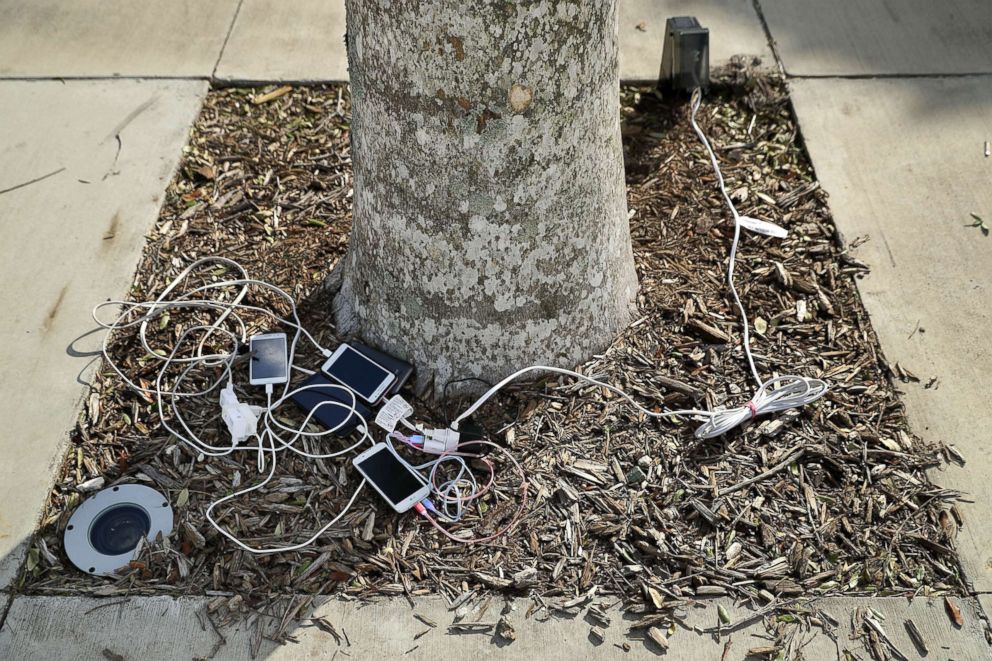
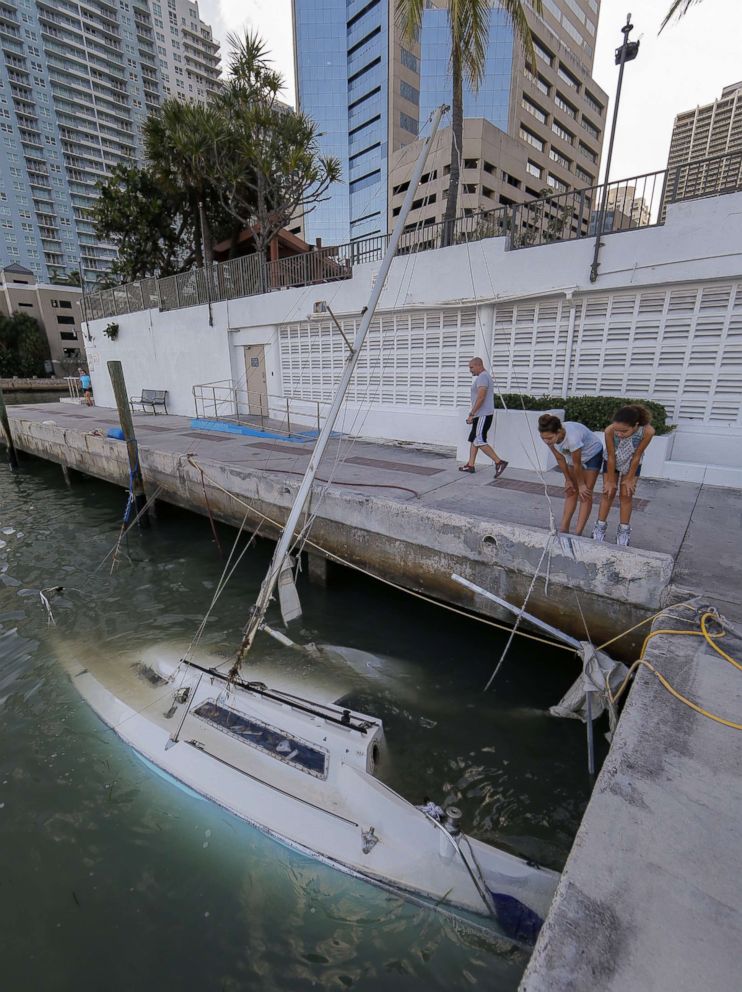

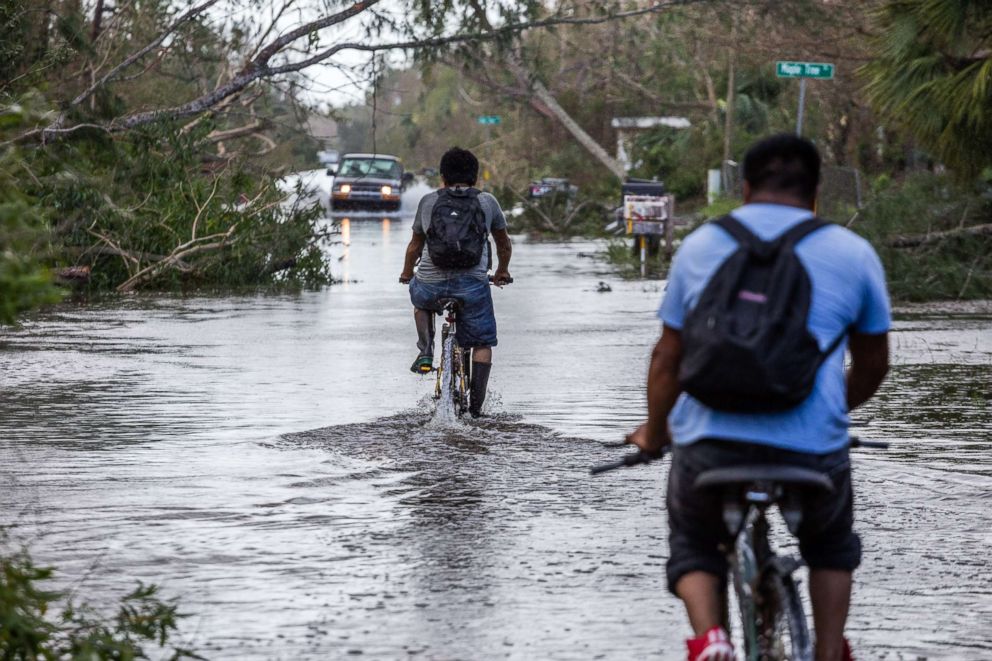
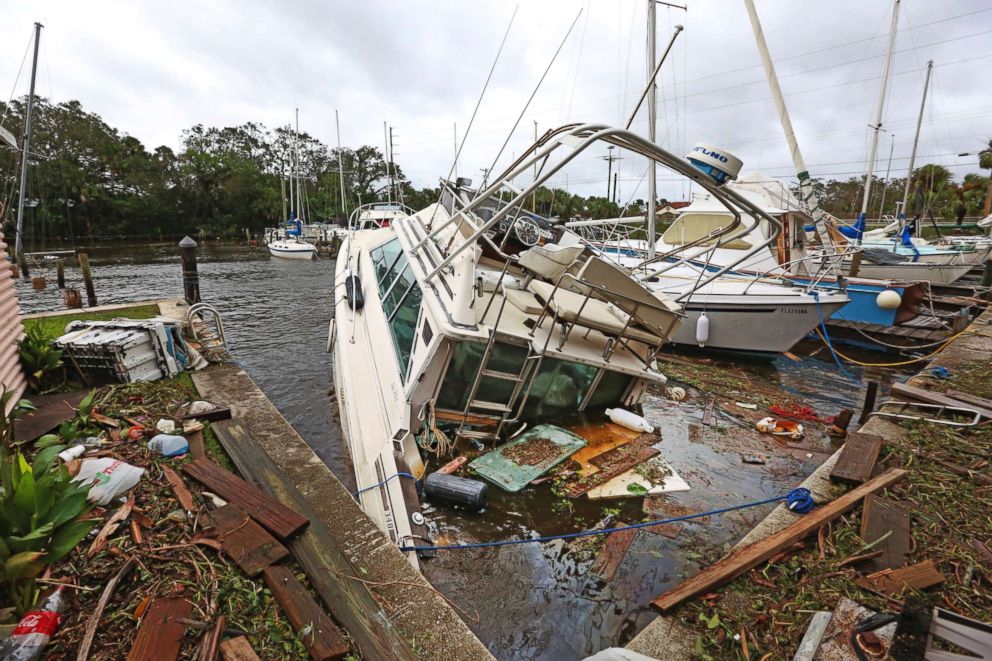
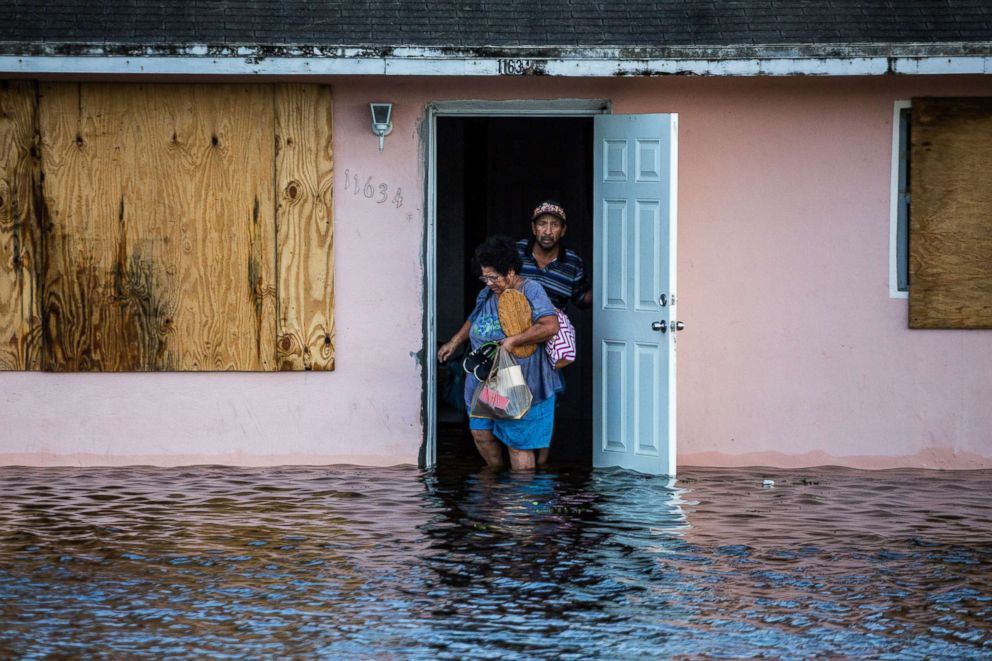

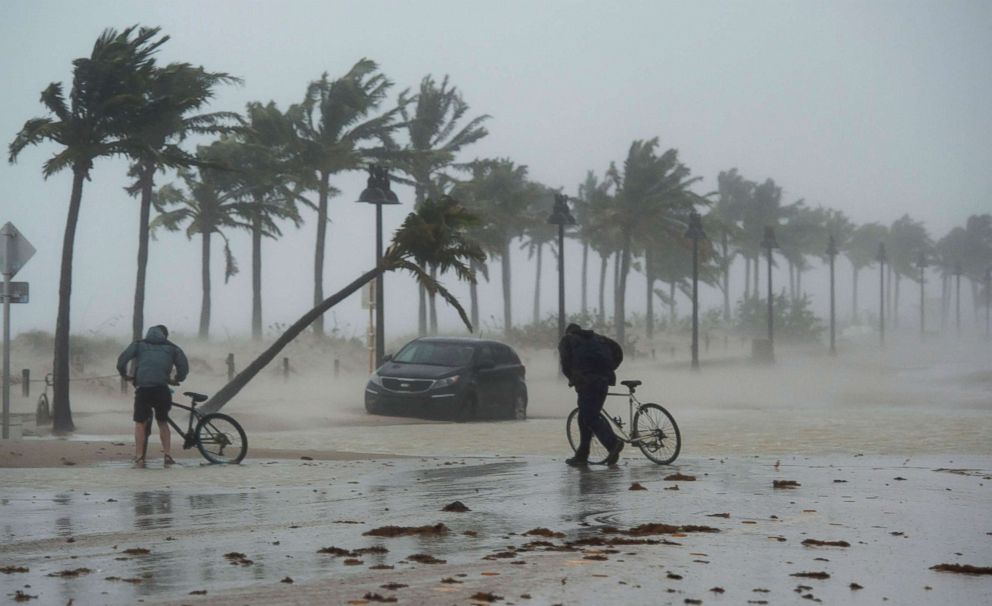
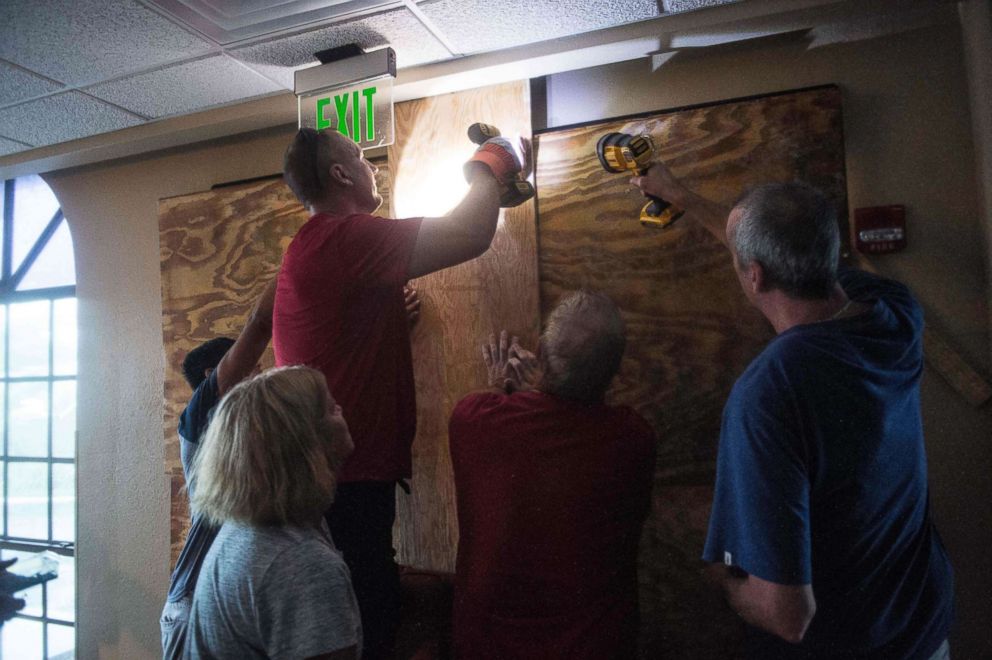
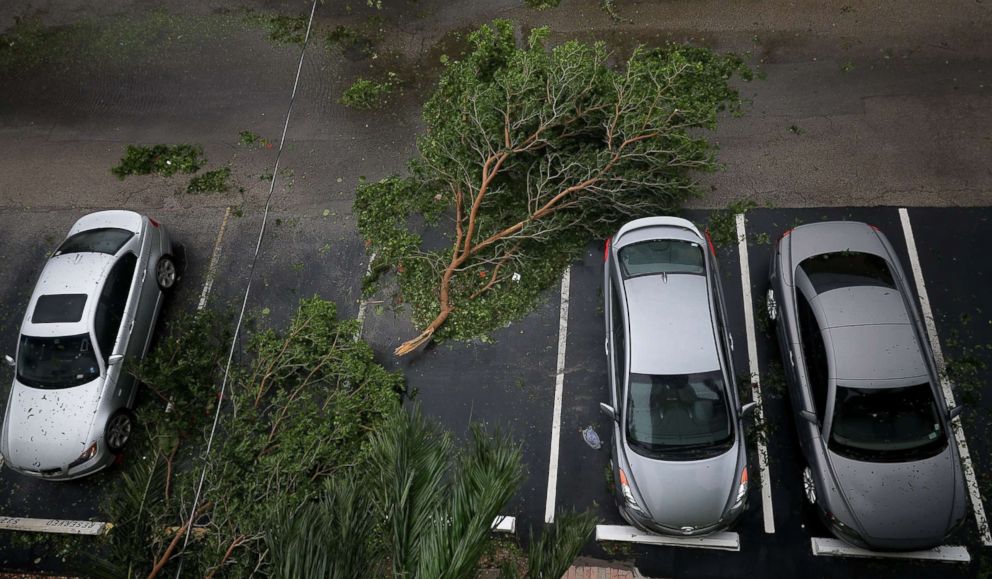
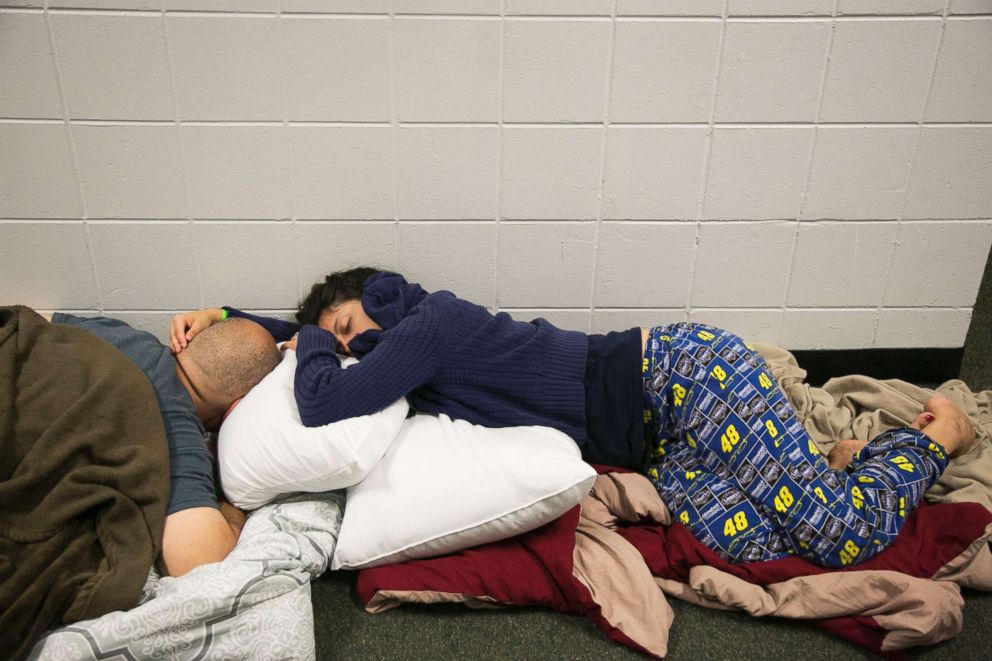
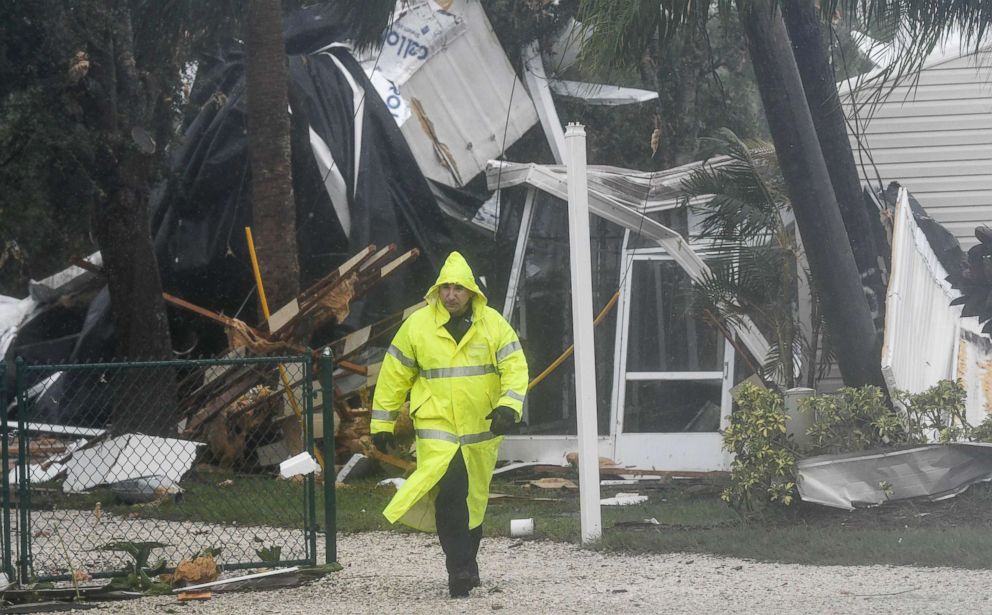
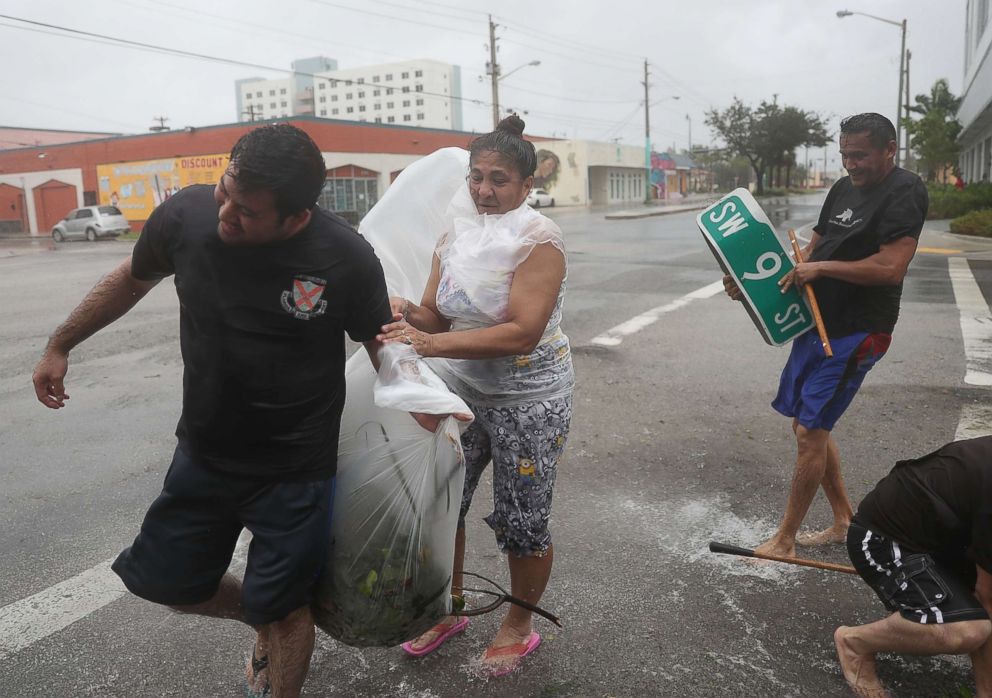

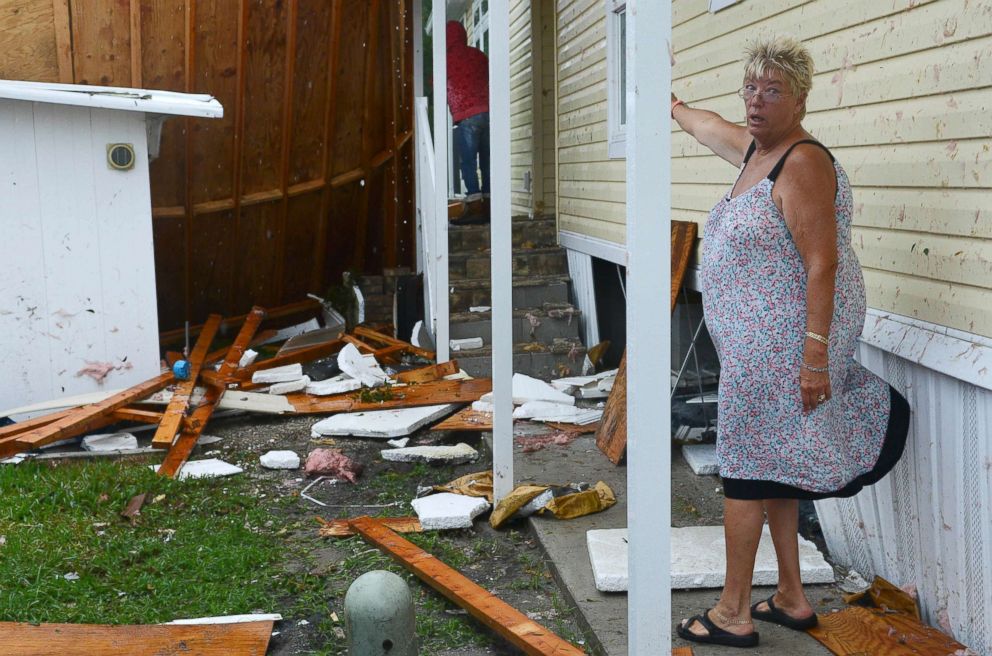


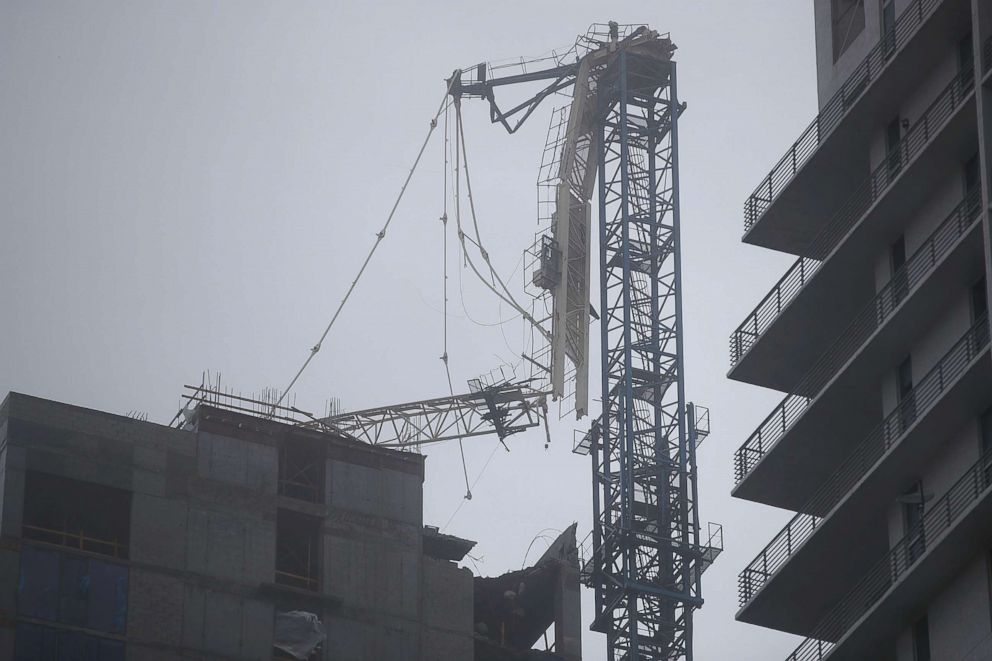
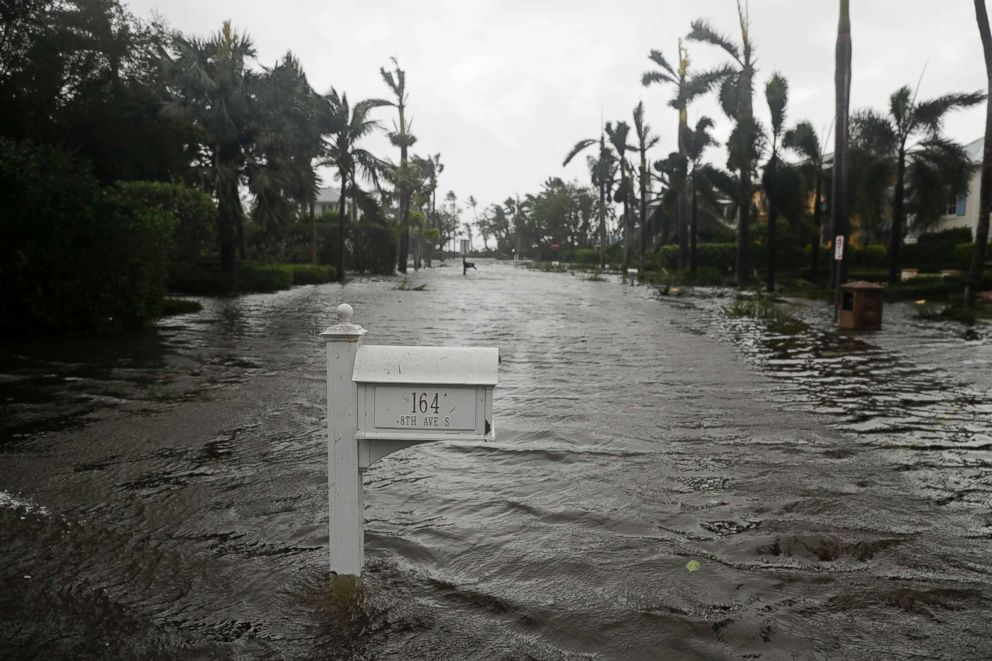

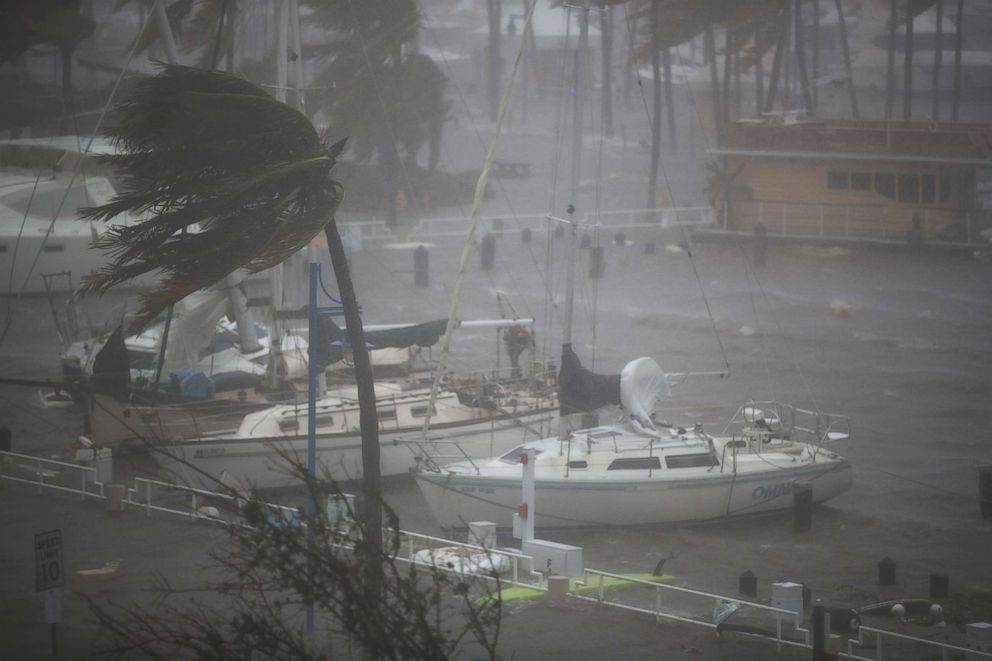
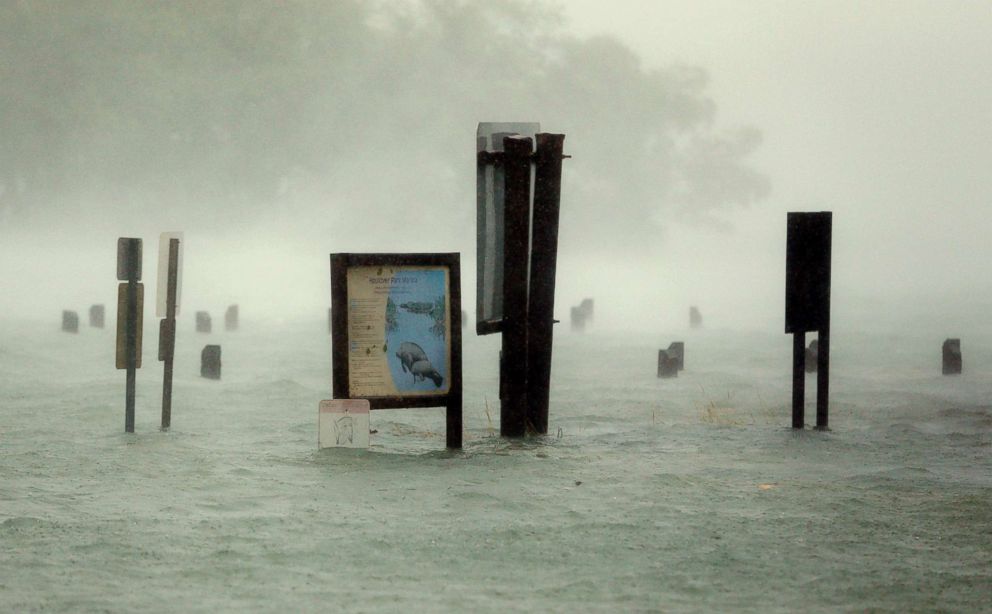
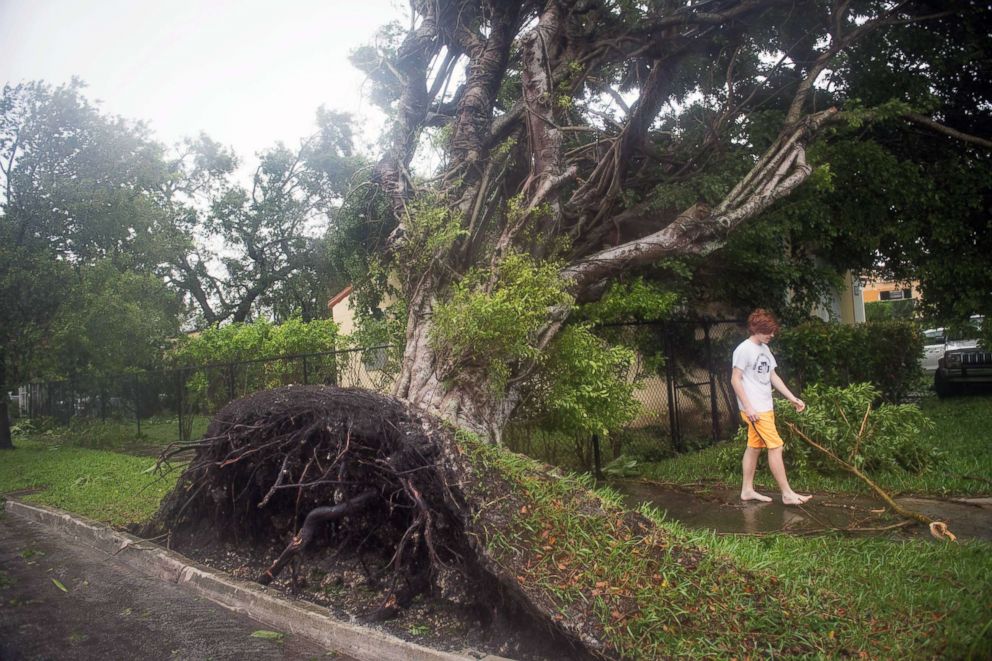
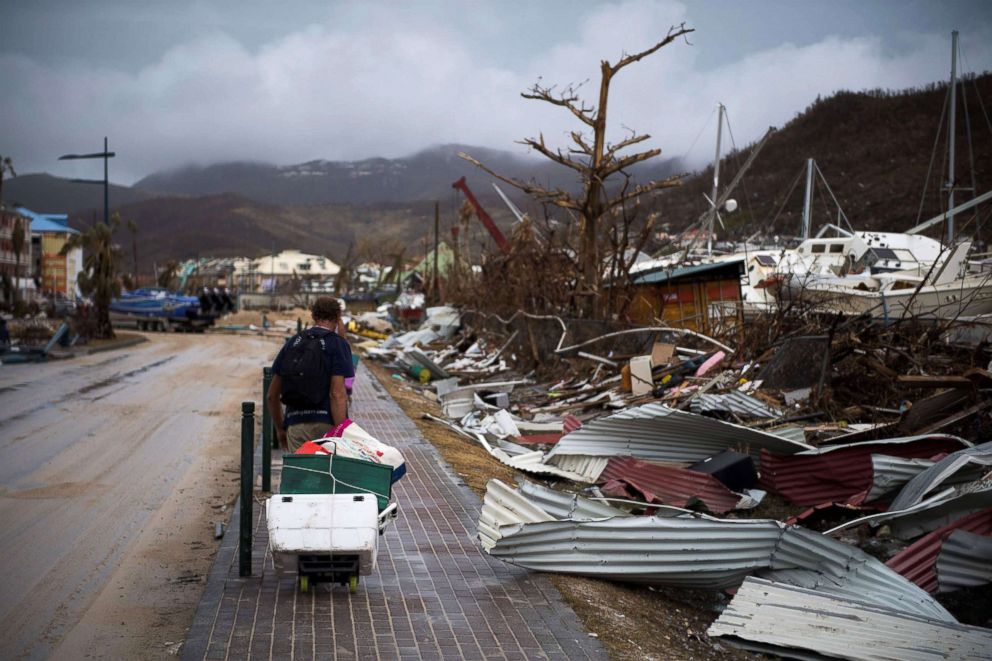
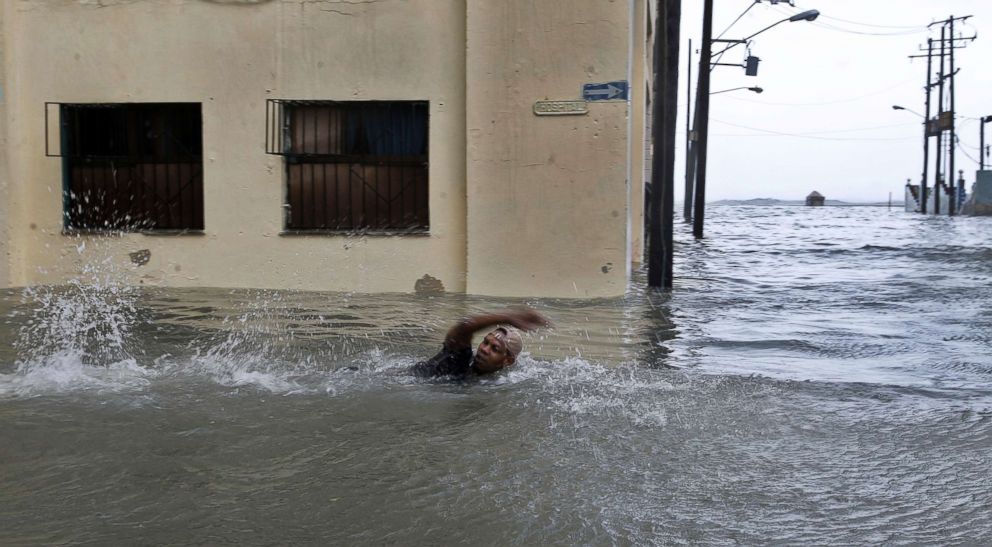
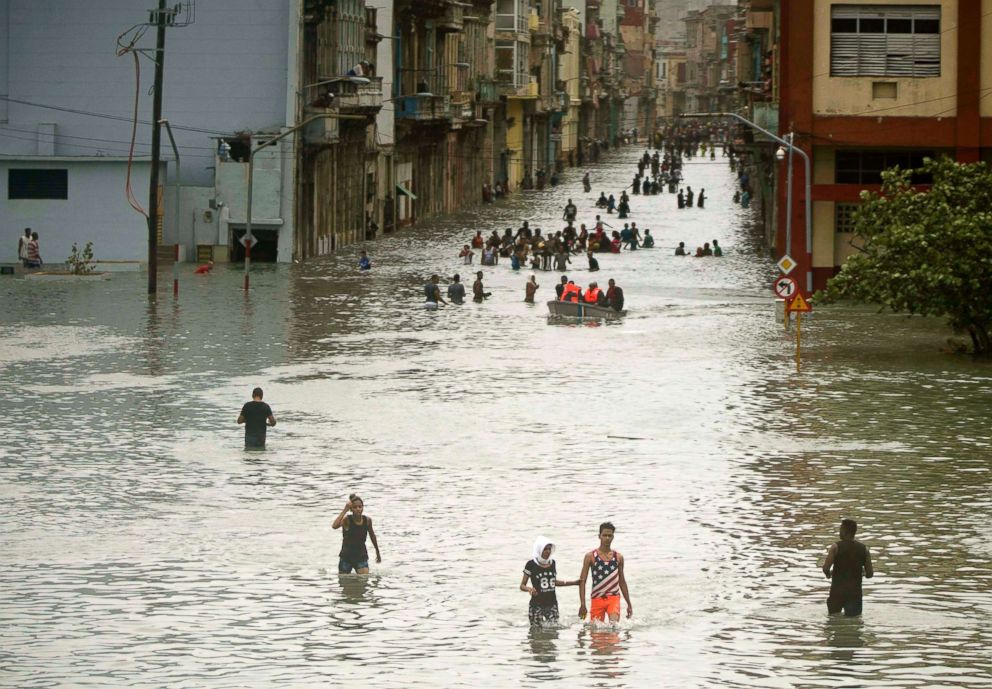
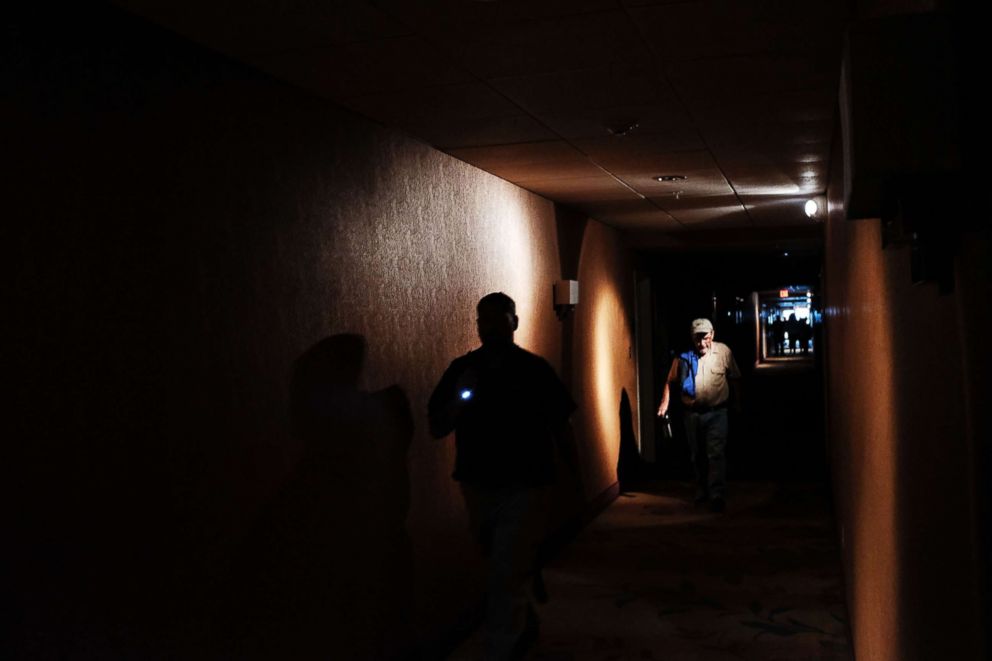
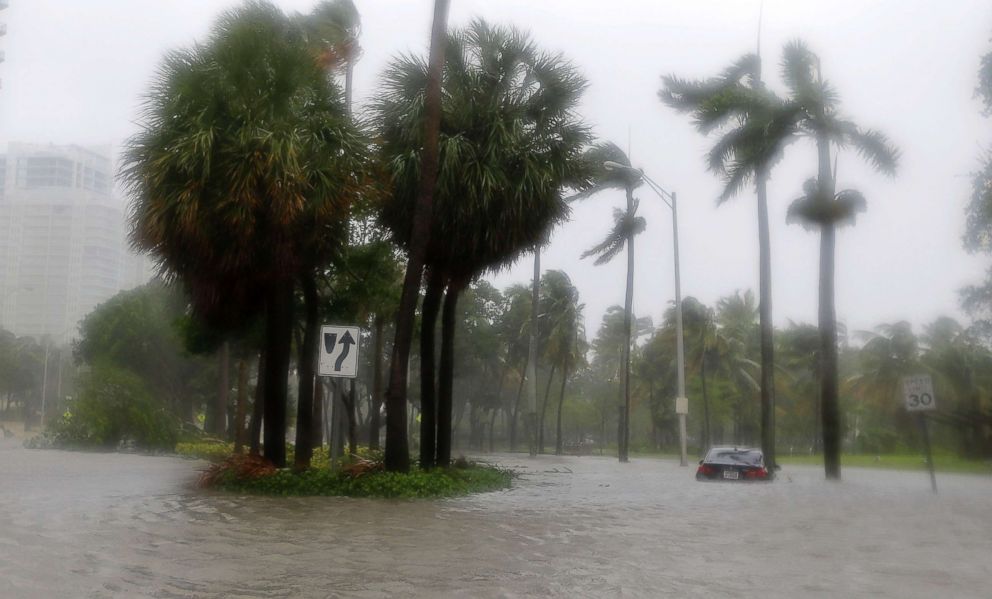
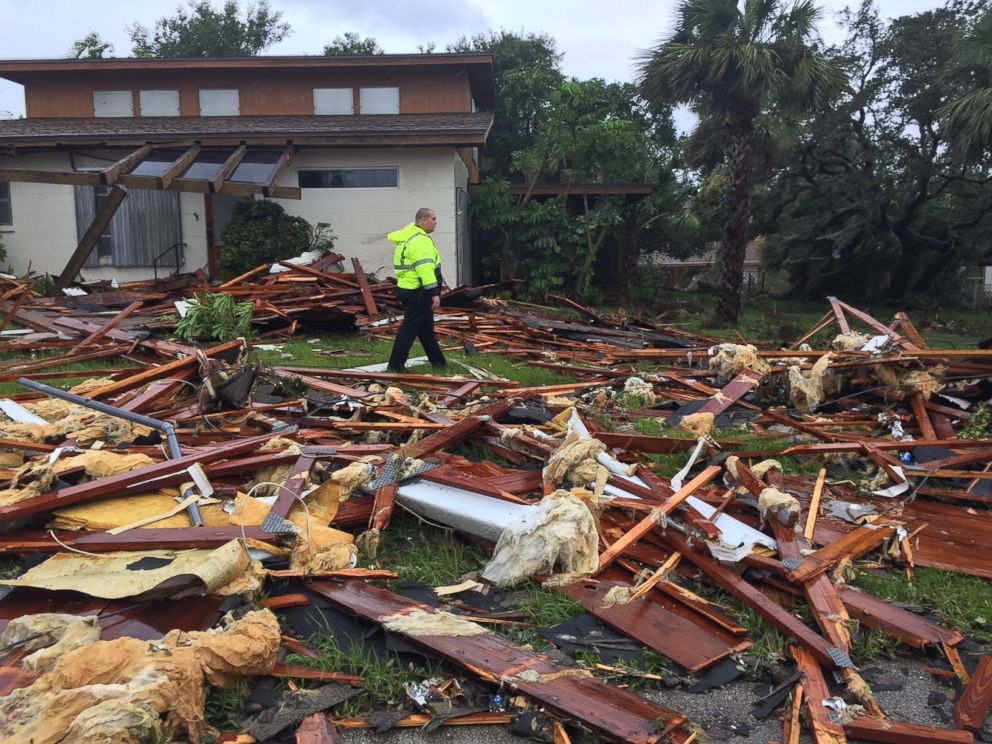
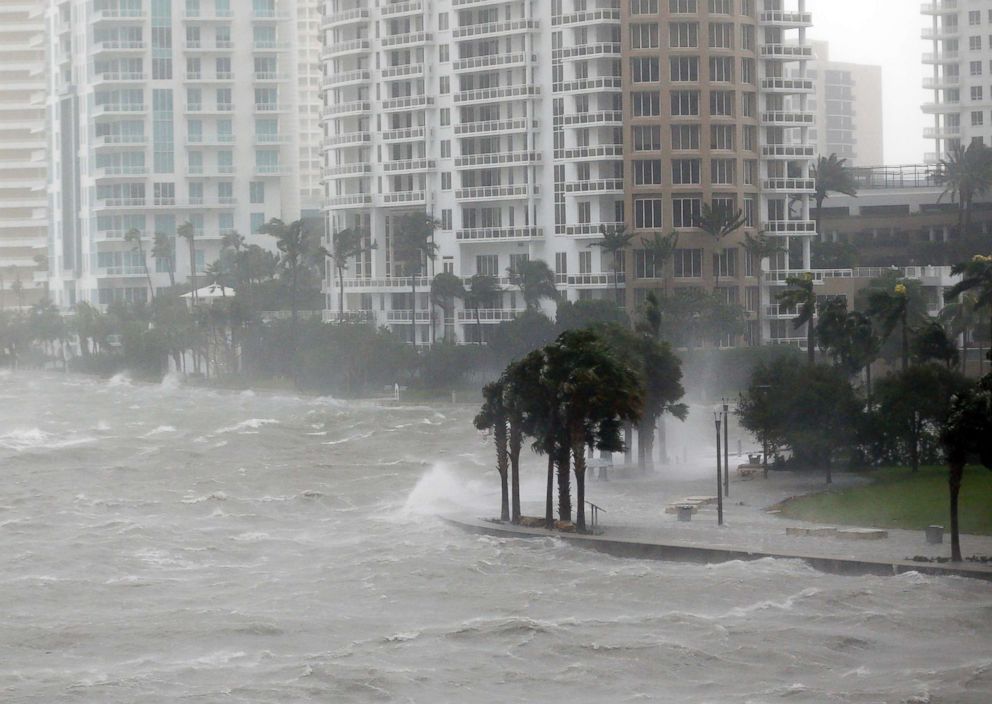
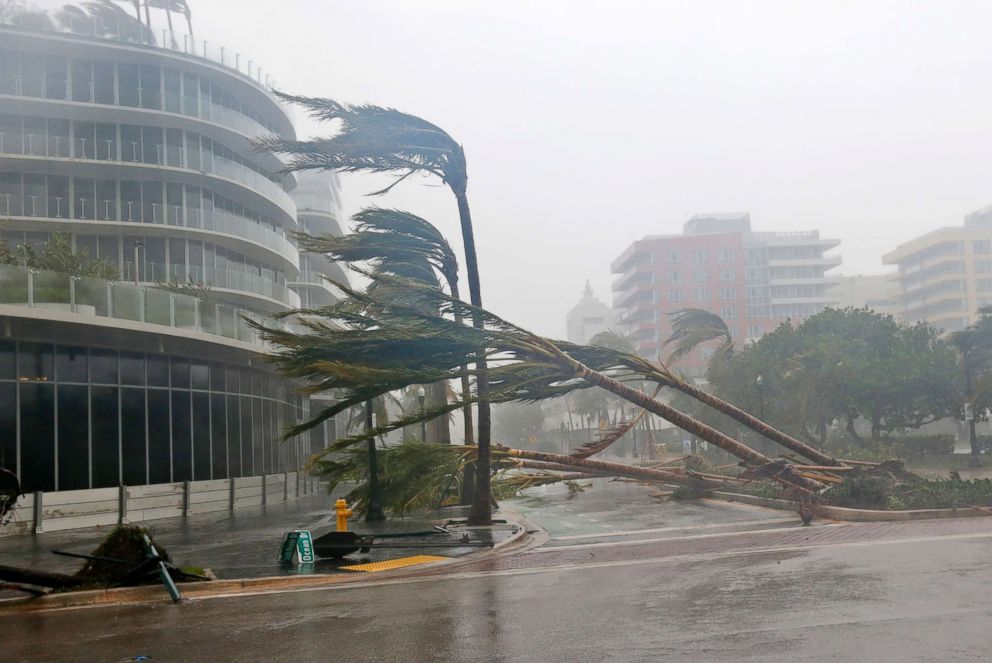
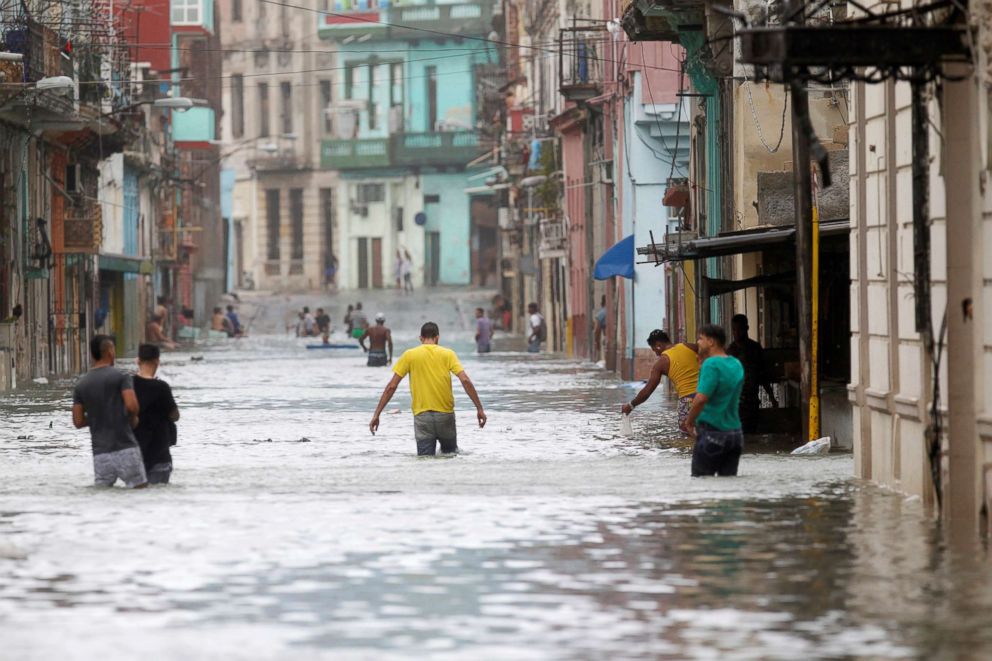
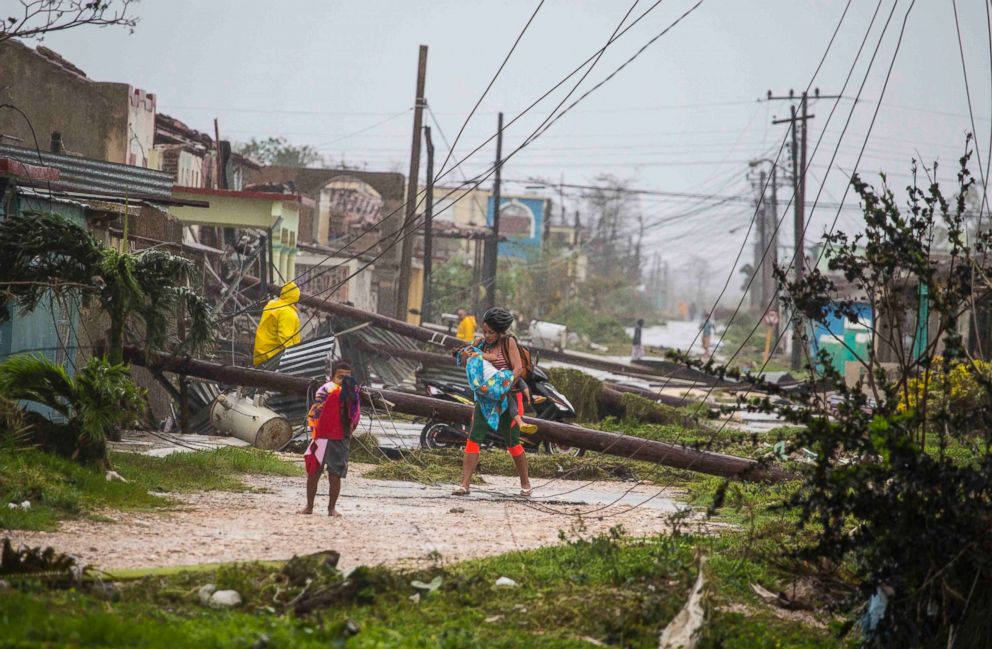
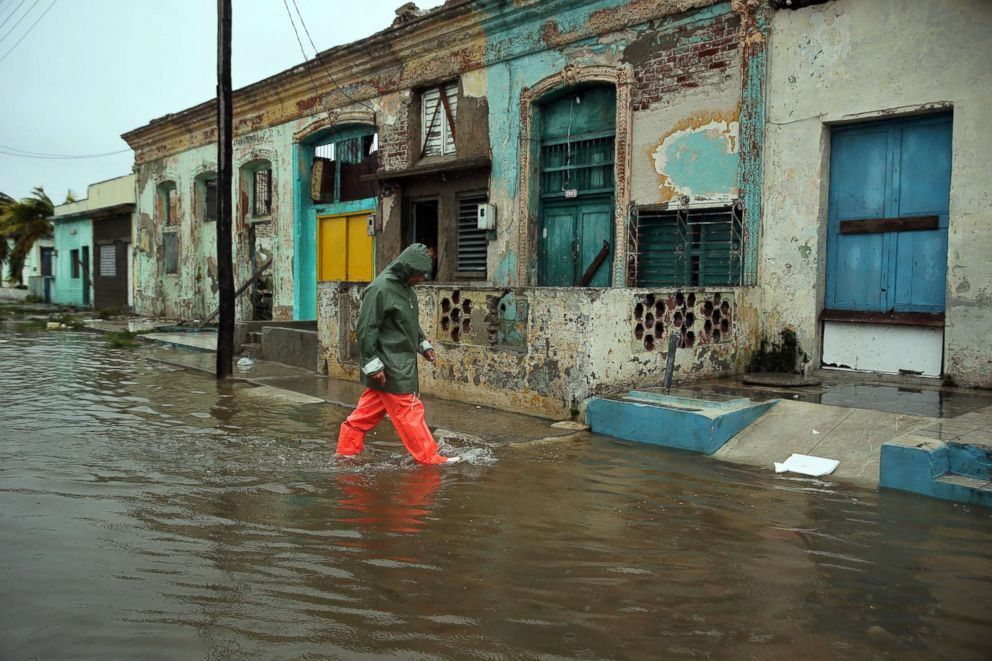
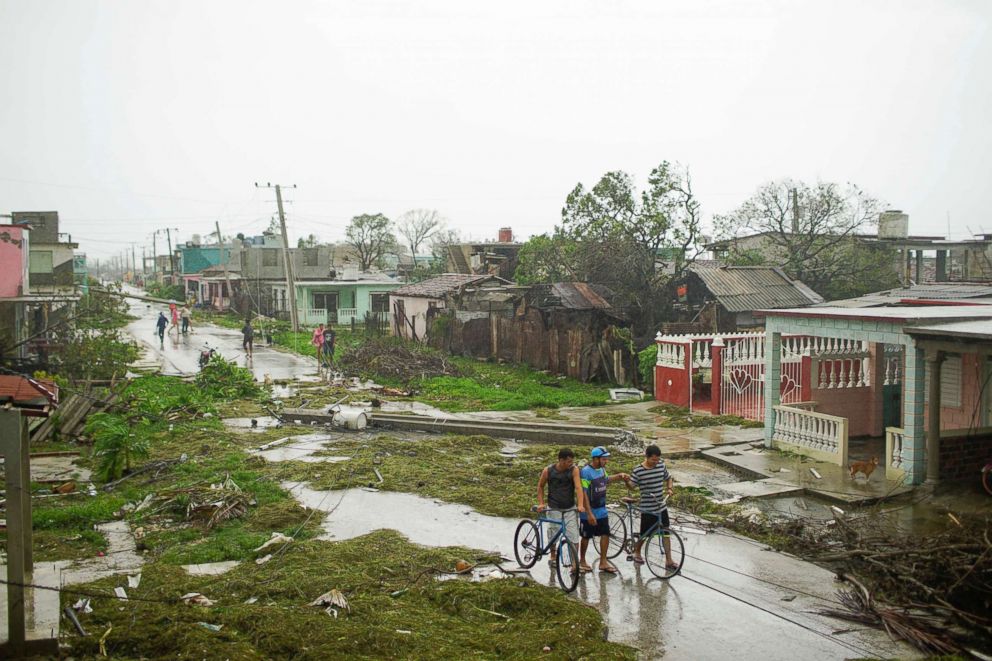
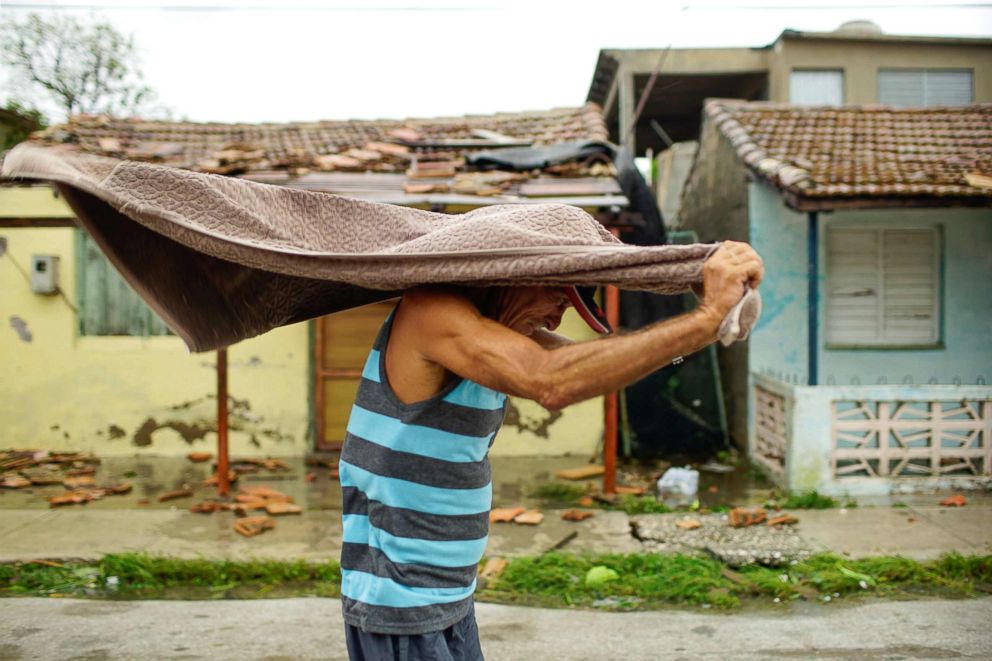
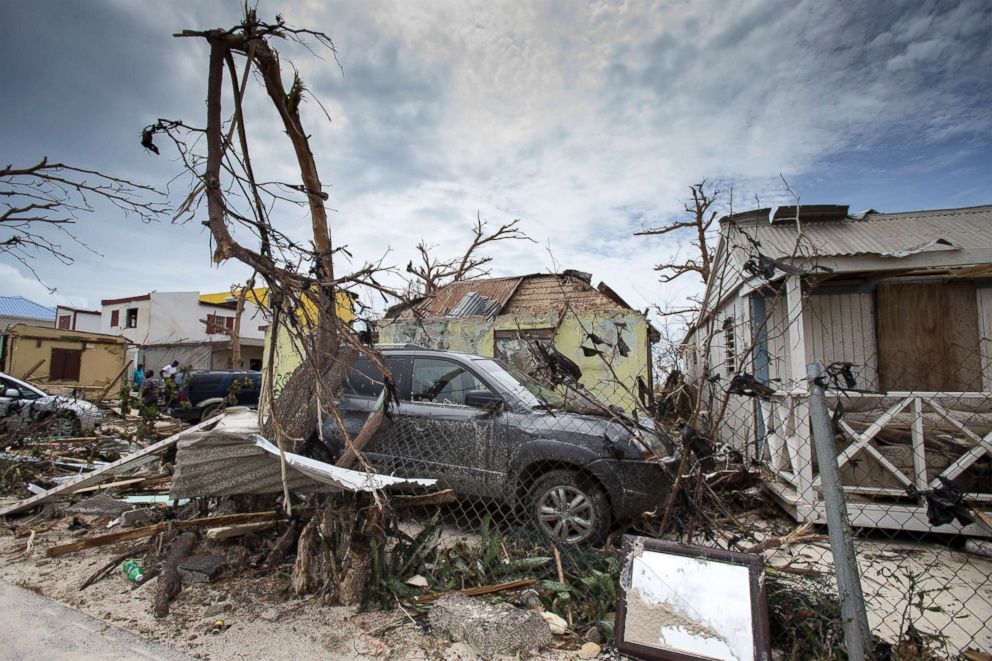
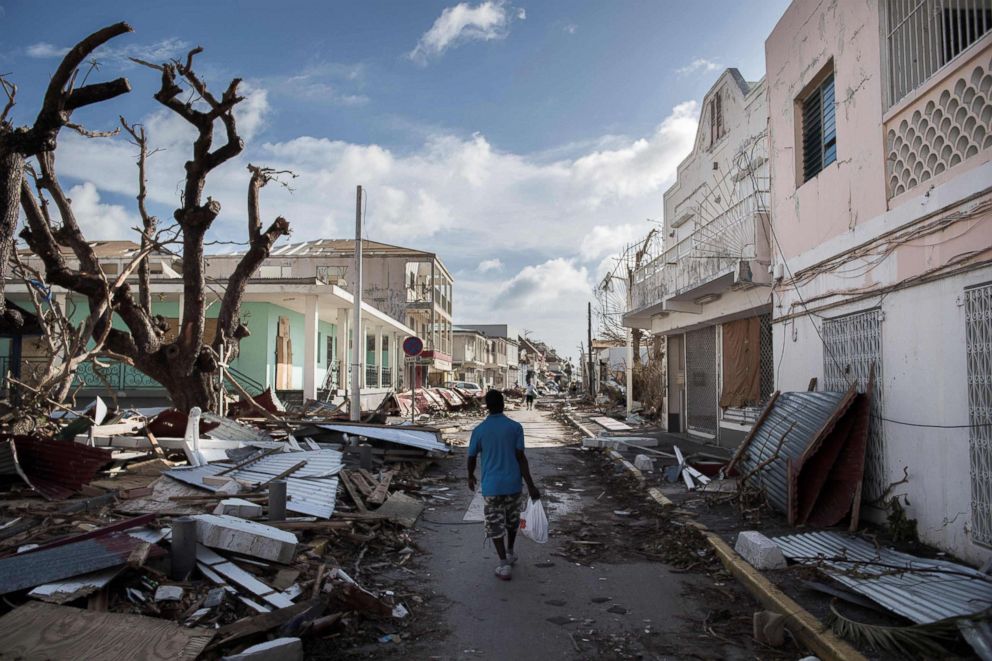
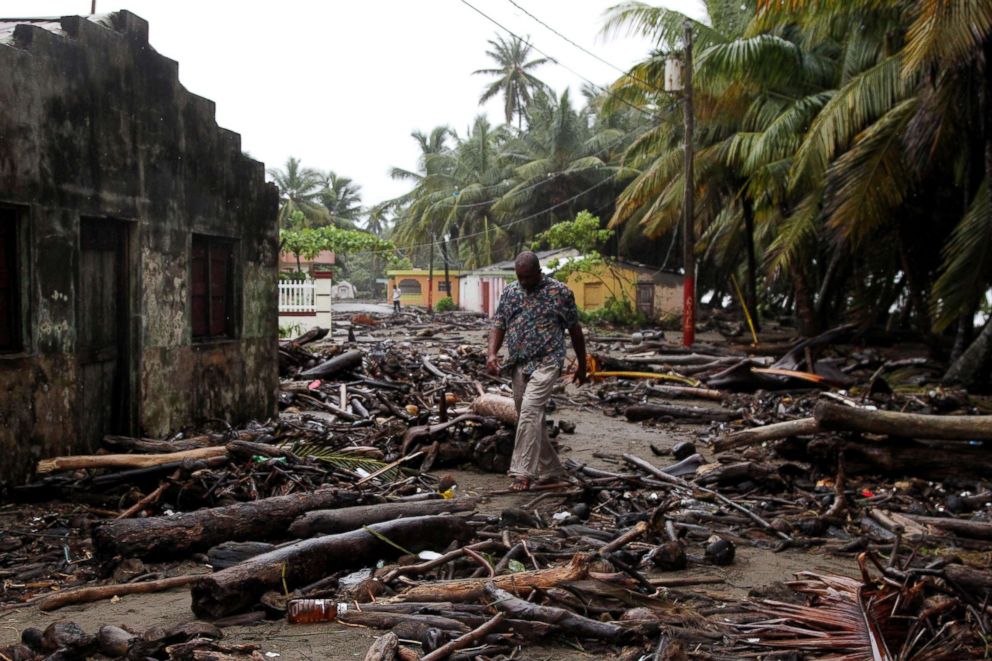
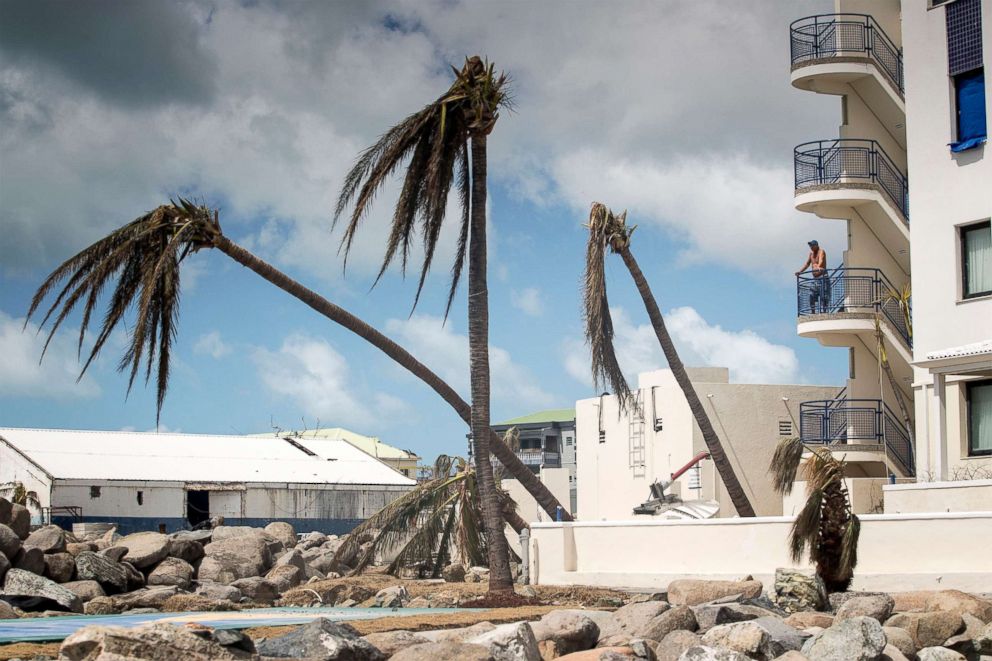
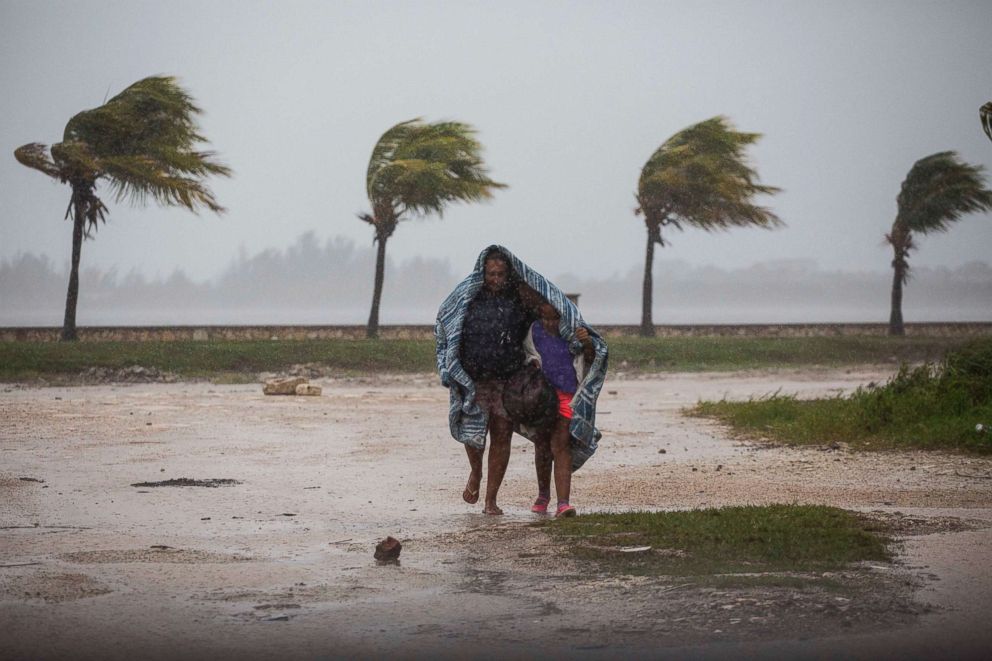
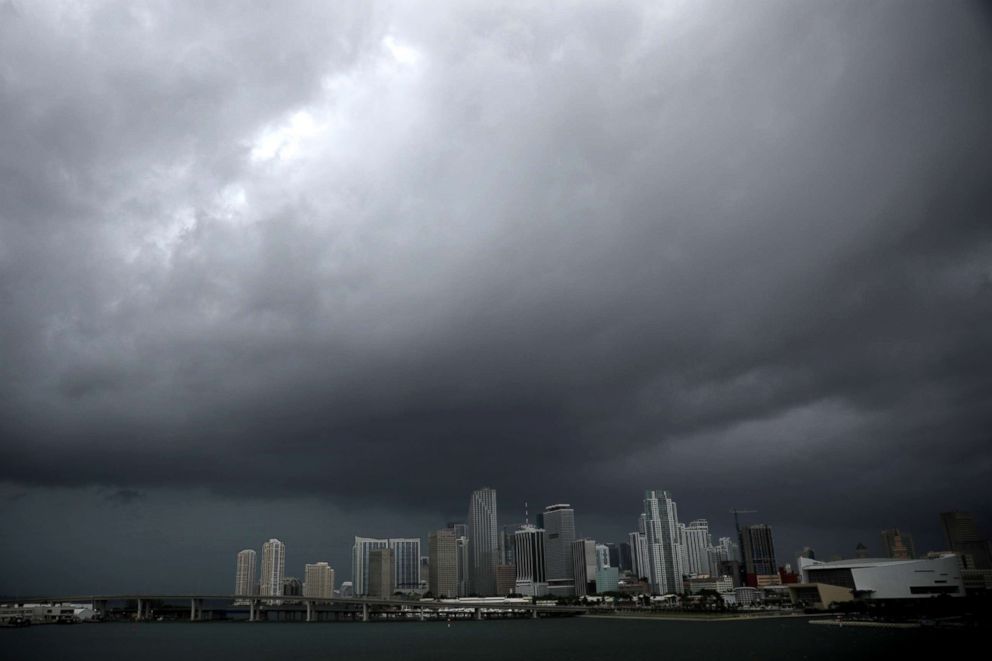
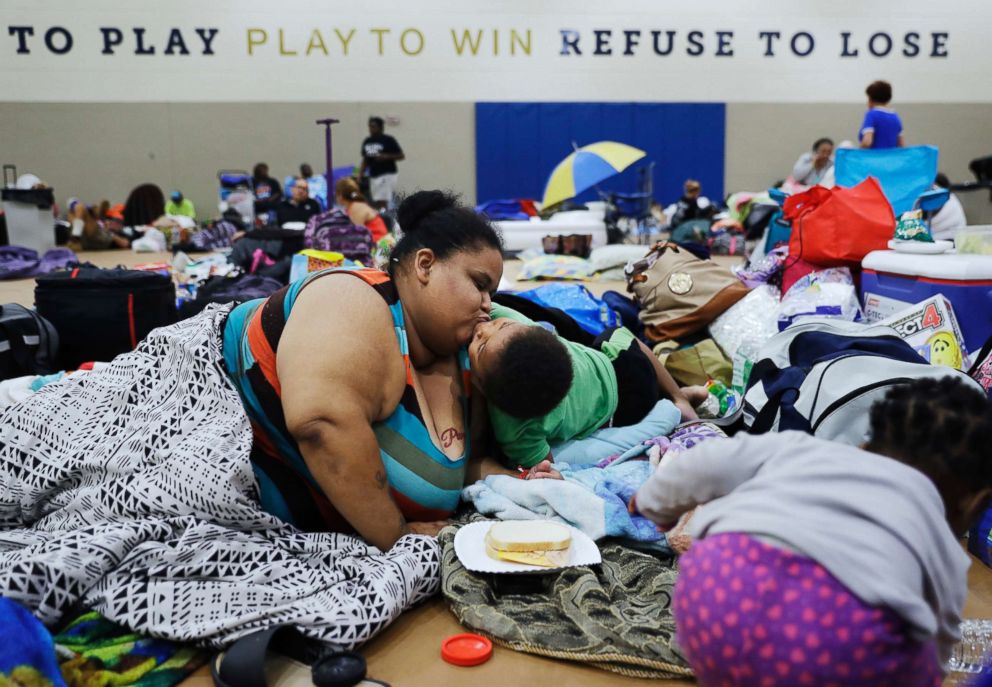
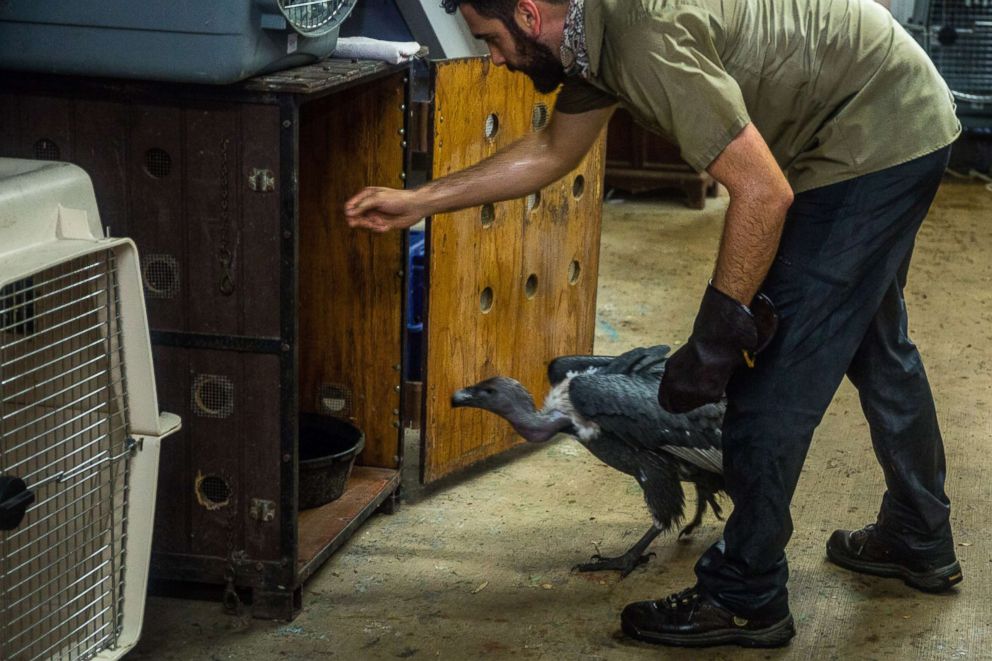
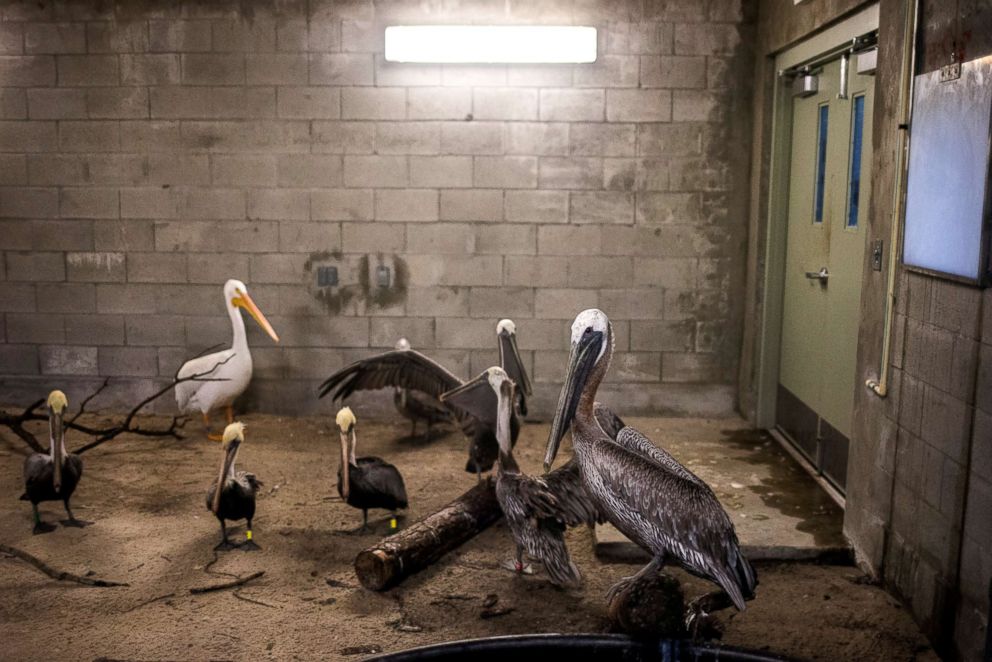

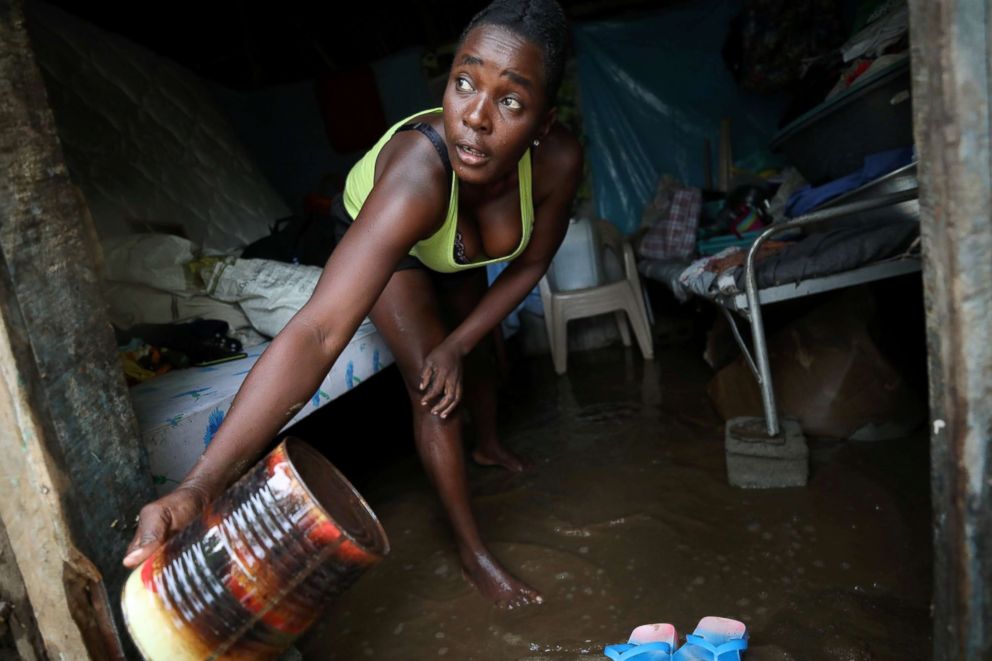
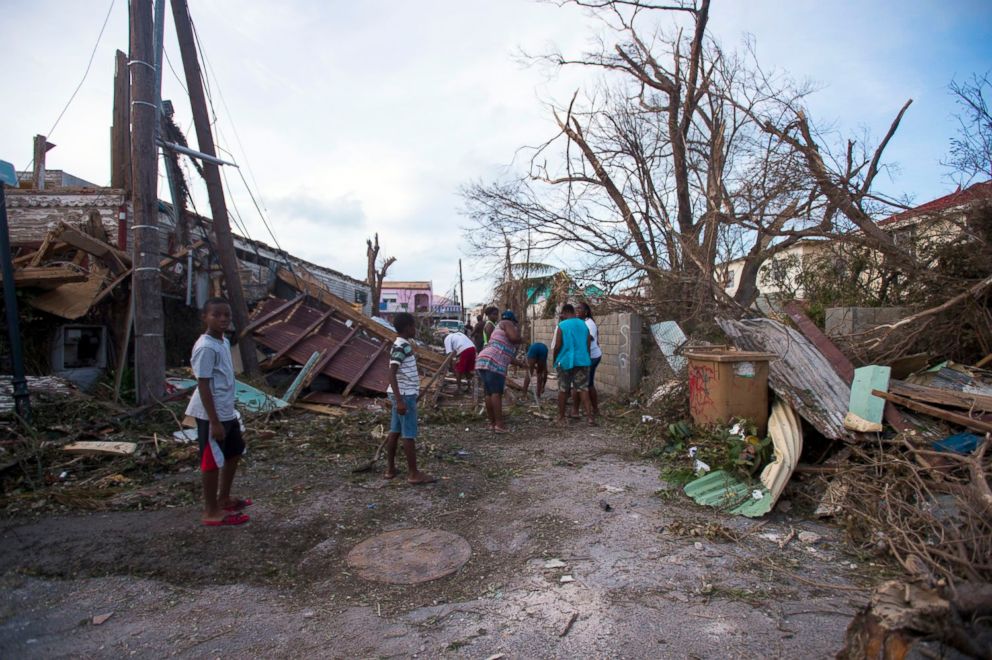
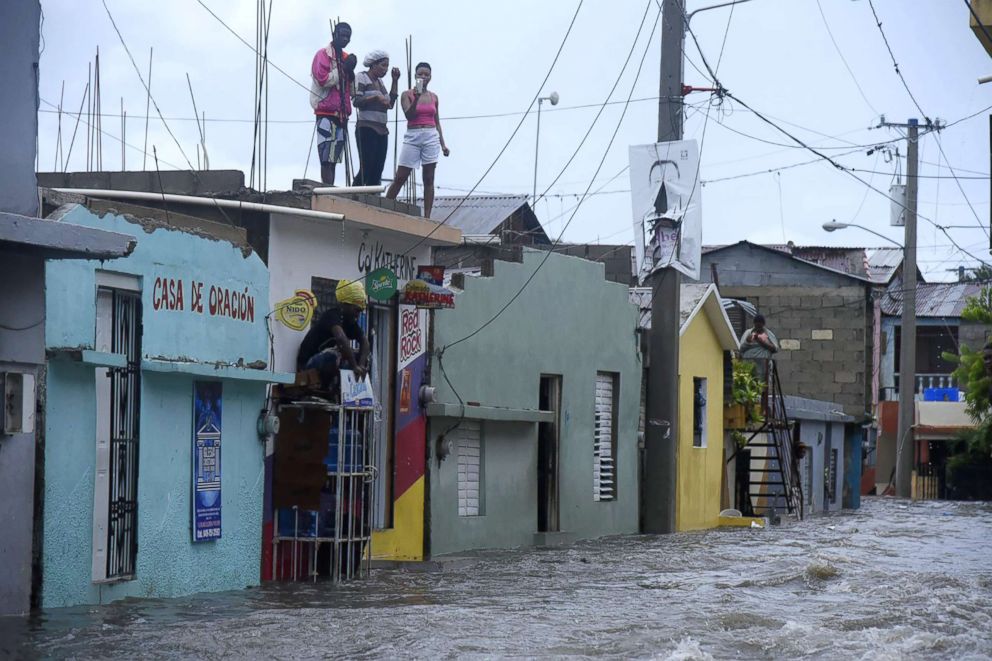
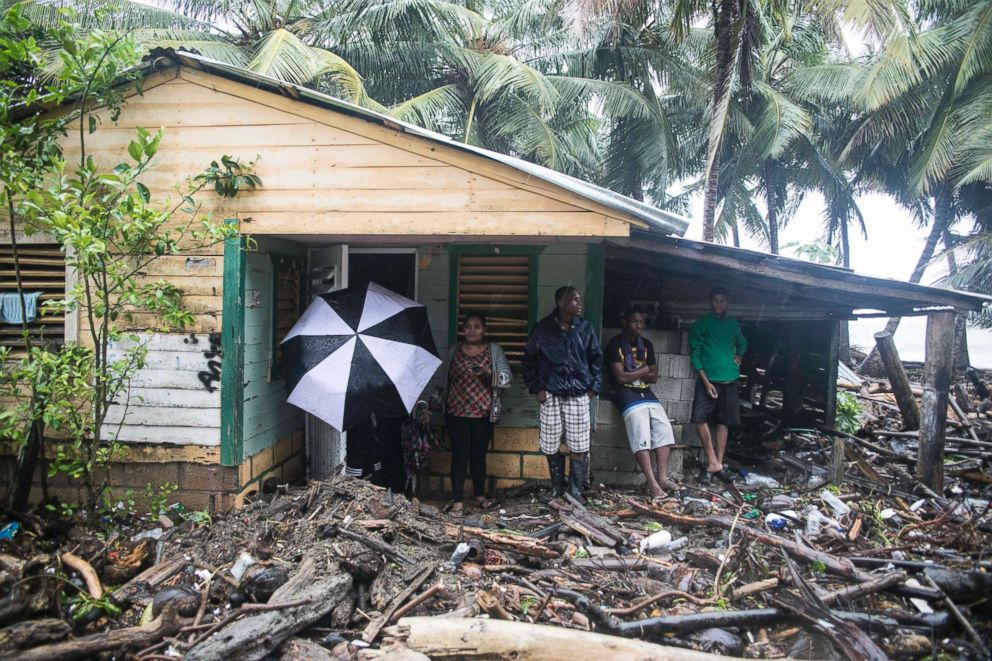
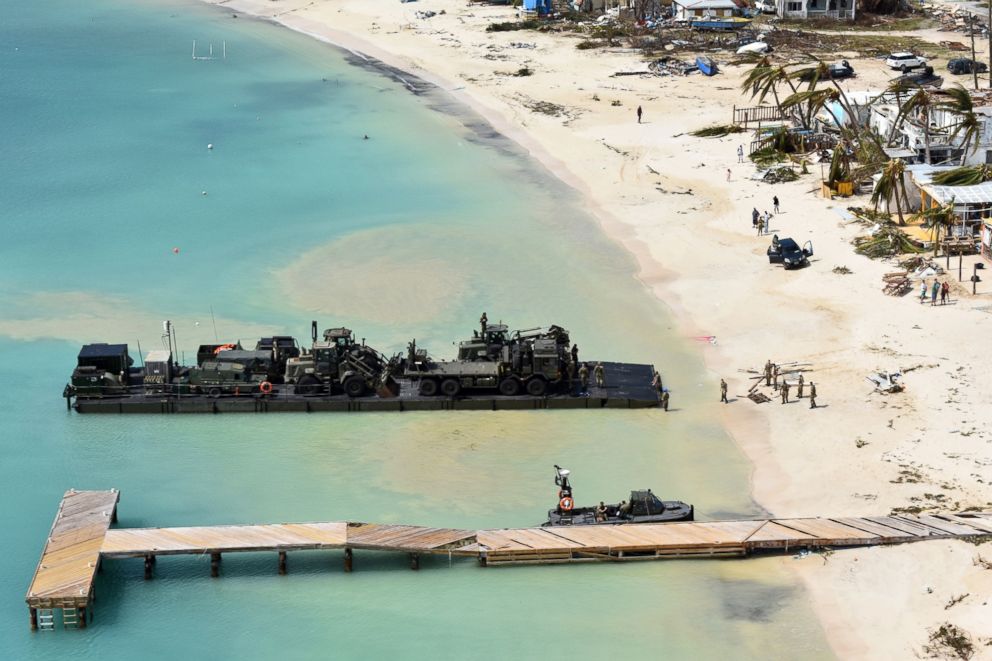
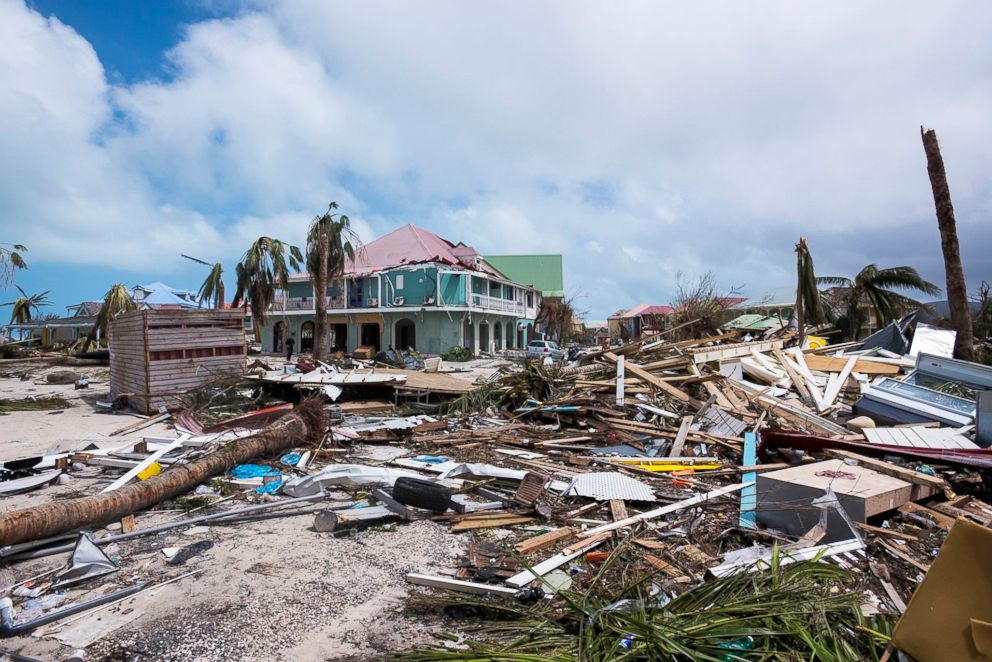
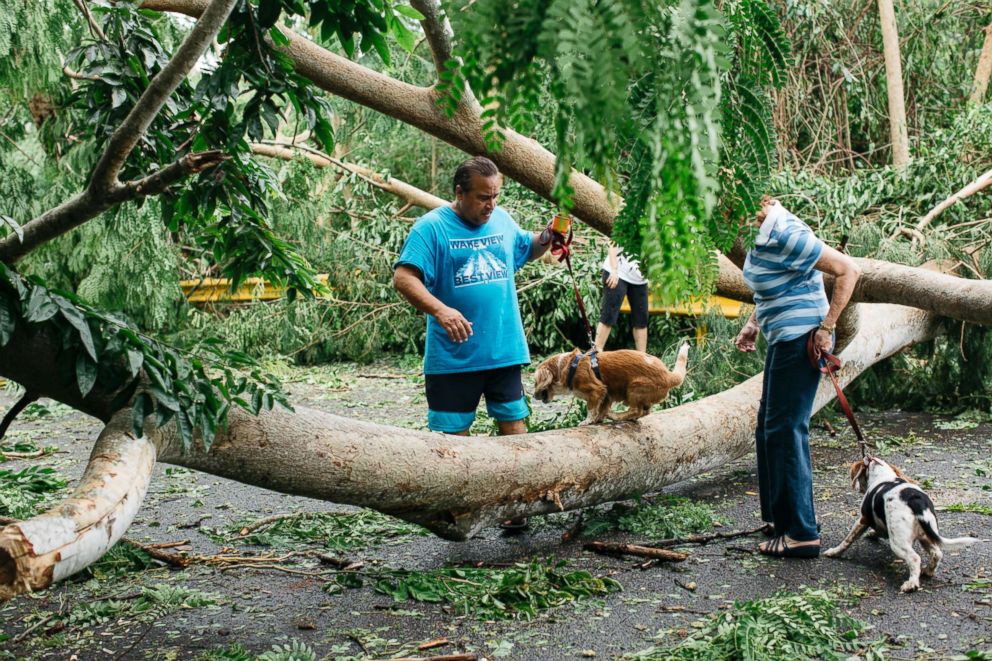
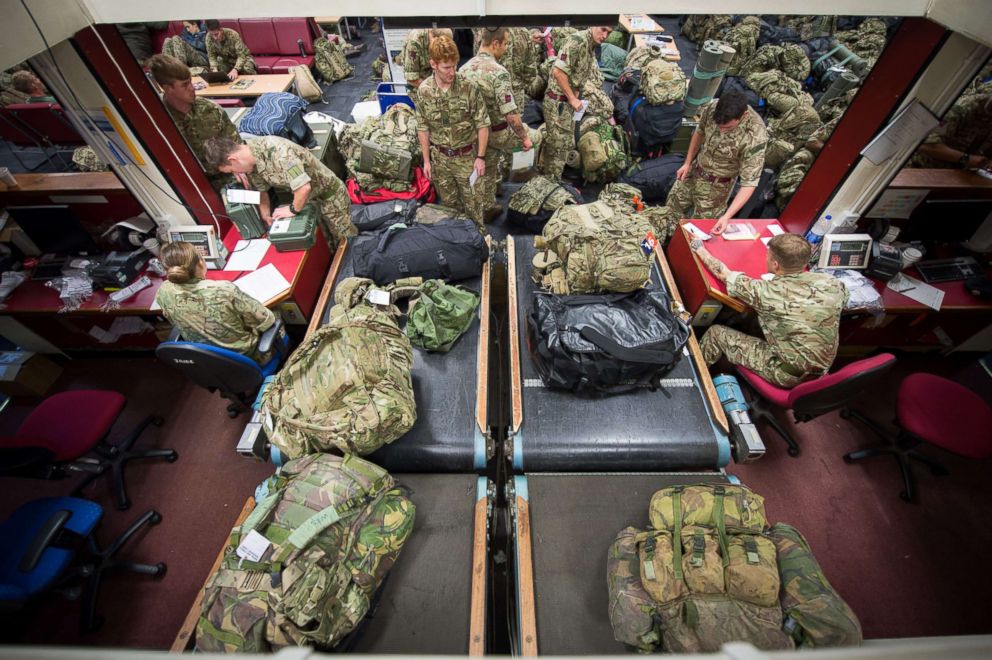
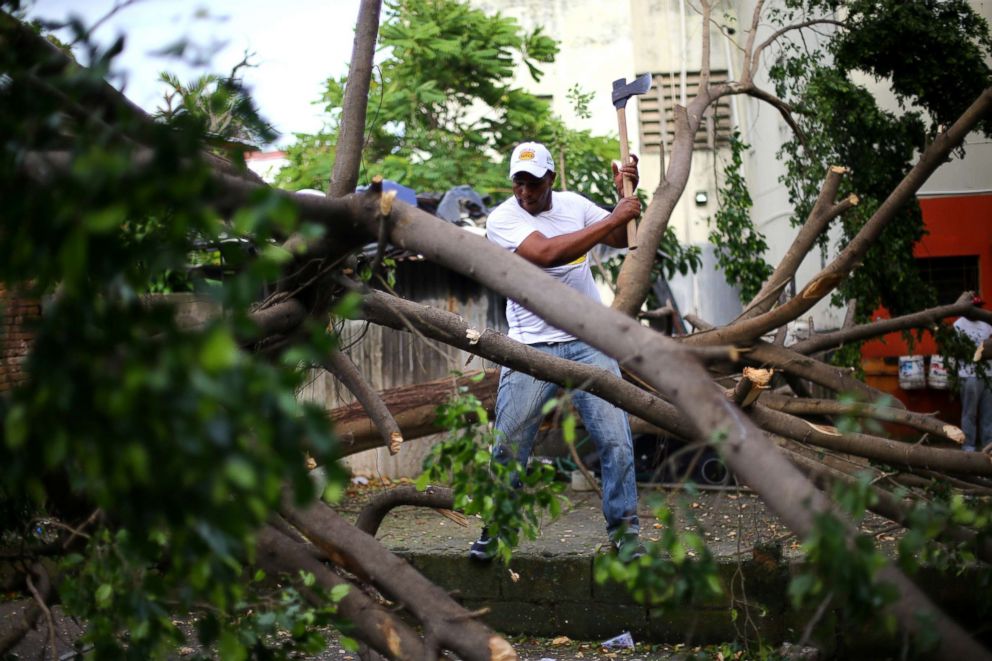
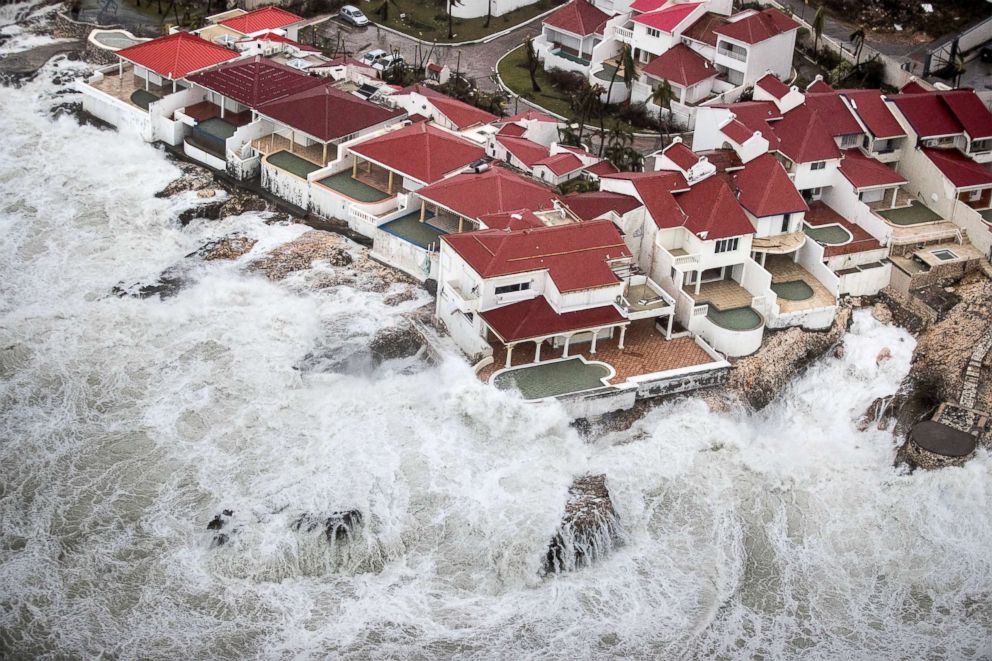
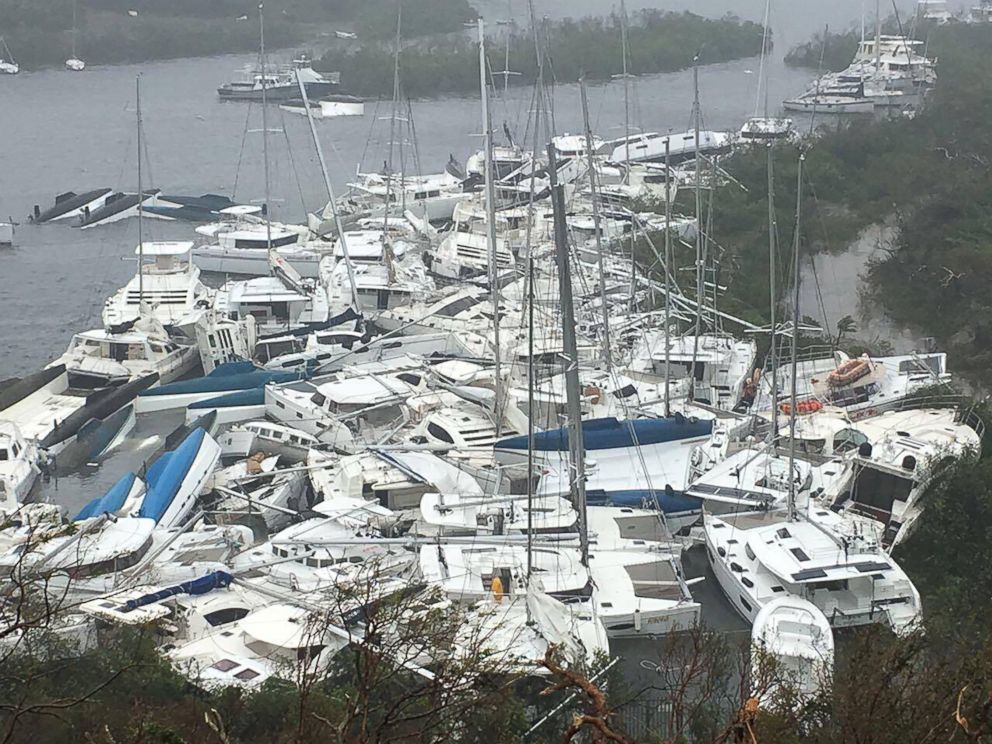
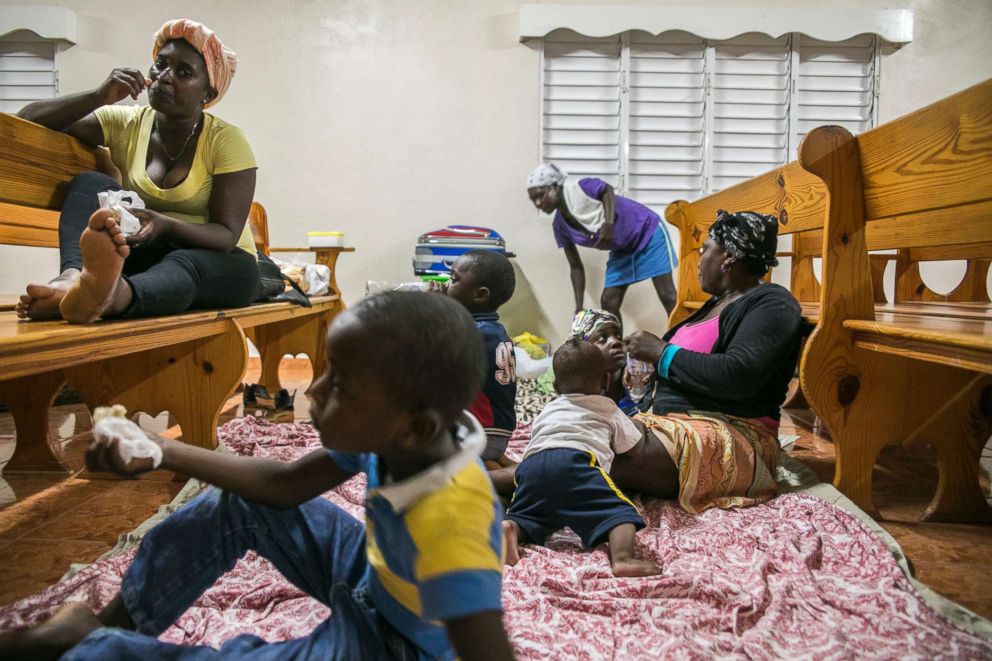
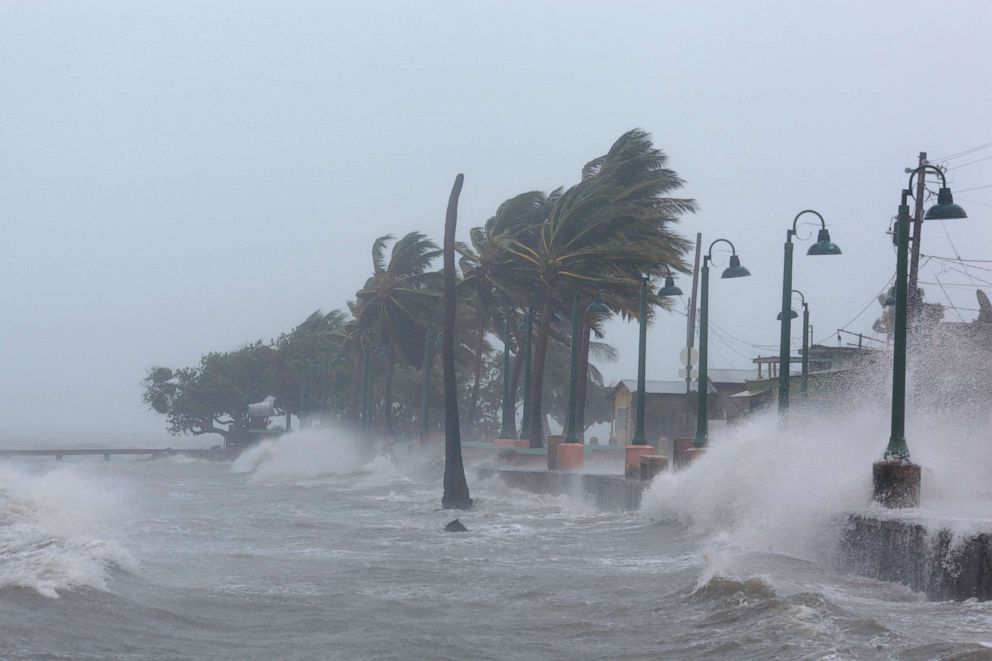
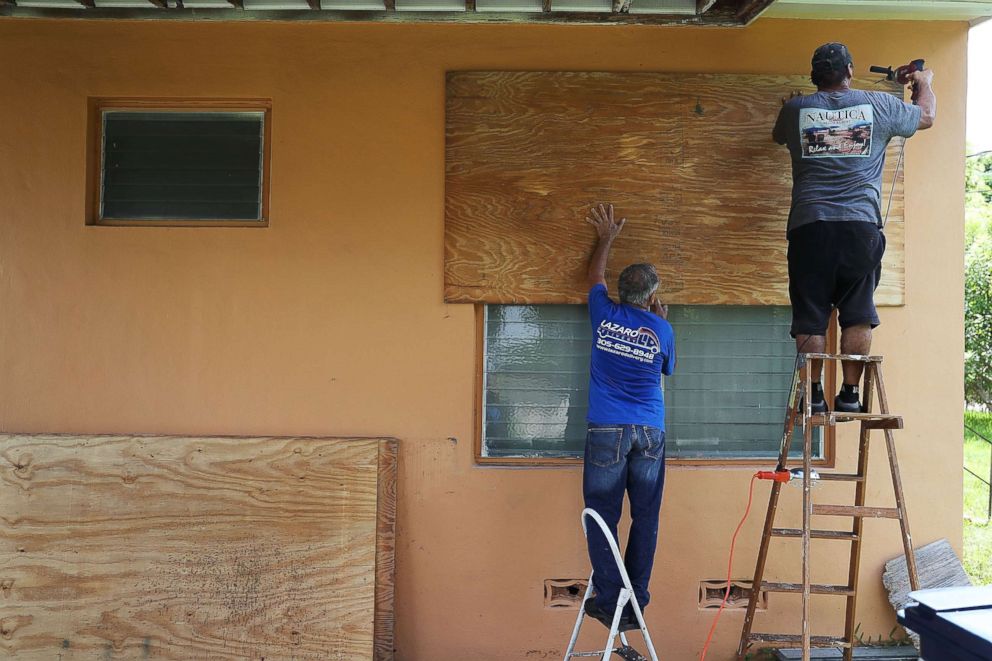

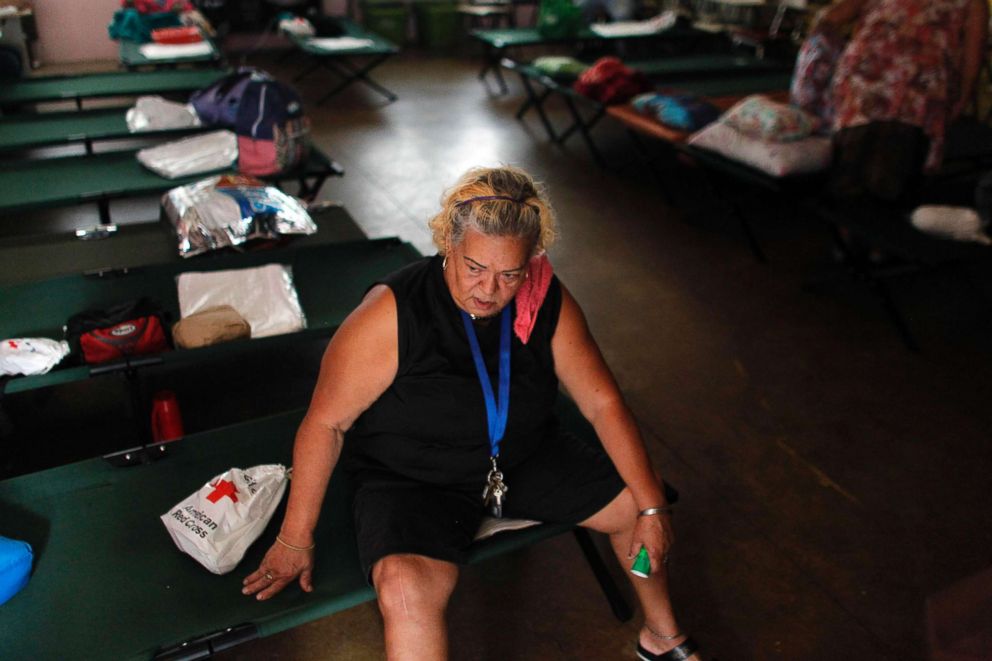

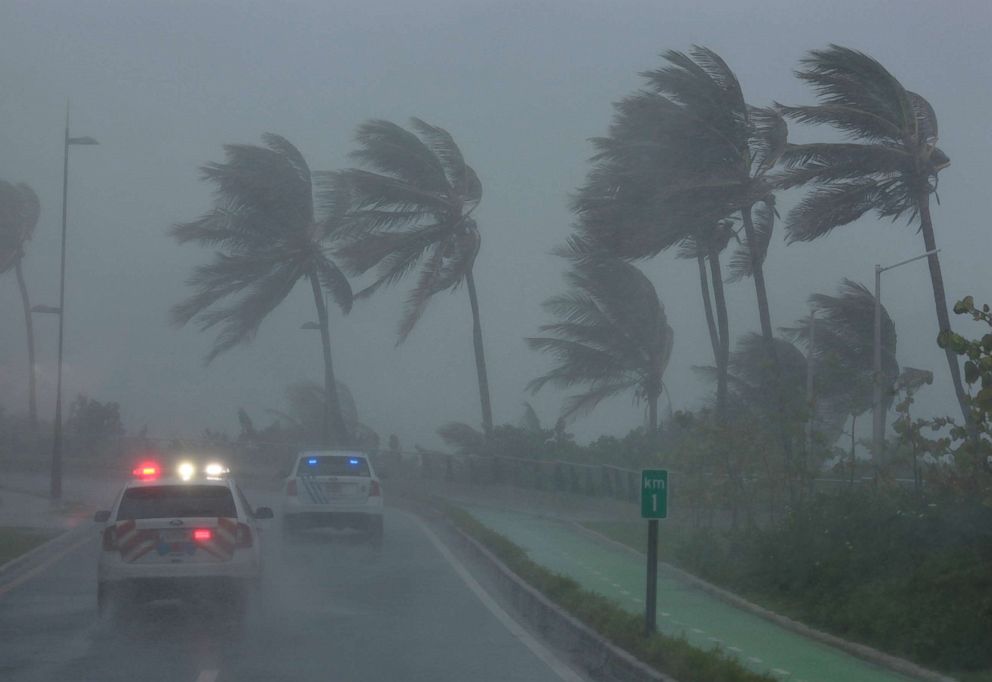
On the Saffir-Simpson Hurricane Wind Scale, Category 1 hurricanes bring sustained winds of 74 to 95 mph; Category 2 pack sustained winds of 96 to 110 mph; Category 3 hurricanes bear sustained winds of 111 to 129 mph; Category 4 hurricanes have sustained winds of 130 to 156 mph; and Category 5 hurricanes unleash sustained winds of 157 mph or higher.
Less than two weeks ago, Hurricane Harvey made initial landfall on Texas' Gulf Coast Aug. 25 as a Category 4 storm.
According to the National Hurricane Center, storms reaching Category 3 or higher are deemed "major hurricanes" on the Saffir-Simpson Hurricane Wind Scale due to their potential for significant loss of life and damage. Well-built framed homes can incur major to severe damage or be entirely destroyed. Most trees will be snapped or uprooted, and power poles will be downed. In worse cases, most of the area will be uninhabitable for weeks or months.
But Category 1 and 2 storms are still dangerous and require preventative measures, according to the National Hurricane Center. Well-constructed frame homes could sustain damage to the roof, siding and gutters. Large branches will snap off trees and shallowly rooted trees may topple. Damage to power lines and poles will result in outages that could last from a few days to weeks.
Experts say any object that wouldn't sustain itself riding atop a car on a highway should be tethered down outside or brought indoors, so they don't become windborne debris that could damage individuals and buildings.
And of course, people themselves should not attempt to experience hurricane-force winds.
According to a 2013 study on wind disasters, trauma is the major cause of death and the primary cause of morbidity for hurricanes. Minor trauma is also common. The study found that the top three cyclone-related injuries are lacerations, blunt trauma and puncture wounds.
Although the wind itself isn't directly causing the trauma, it's strong enough to knock someone over or pick up debris that can inflict injuries.
As for your property, experts recommend trimming any loose tree branches ahead of a cyclone that may pose a threat to you or your home.
The Insurance Institute for Business and Home Safety, which is headquartered in Tampa, is also advising homeowners bracing for Hurricane Irma to "close all interior doors" as well as exterior doors and windows based on scientific testing conducted this summer that shows this can "compartmentalize" wind pressure that builds inside a home and presses upward on the roof.
"Just closing off all those interior doors to compartmentalize your house makes it harder for the wind to get in there and try to blow your house up like a balloon," Cope told ABC News.